After 21 years at my dream job, I’m very sad to announce my early retirement from the National Institutes of Health. My life’s work has been to scientifically study how our food environment affects what we eat, and how what we eat affects our physiology. Lately, I’ve focused on unravelling the reasons why diets high in ultra-processed food are linked to epidemic proportions of chronic diseases such as diabetes and obesity. Our research leads the world on this topic.
Given recent bipartisan goals to prevent diet-related chronic diseases, and new agency leadership professing to prioritize scientific investigation of ultra-processed foods, I had hoped to expand our research program with ambitious plans to more rapidly and efficiently determine how our food is likely making Americans chronically sick.
Unfortunately, recent events have made me question whether NIH continues to be a place where I can freely conduct unbiased science. Specifically, I experienced censorship in the reporting of our research because of agency concerns that it did not appear to fully support preconceived narratives of my agency’s leadership about ultra-processed food addiction.
I was hoping this was an aberration. So, weeks ago I wrote to my agency’s leadership expressing my concerns and requested time to discuss these issues, but I never received a response. Without any reassurance there wouldn’t be continued censorship or meddling in our research, I felt compelled to accept early retirement to preserve health insurance for my family. (Resigning later in protest of any future meddling or censorship would result in losing that benefit.) Due to very tight deadlines to make this decision, I don’t yet have plans for my future career.
The NIH has been a wonderful place because it allows scientists to take risks, form unique collaborations, and do studies difficult to conduct elsewhere. I’m proud of what we’ve accomplished and I’m fortunate to have had such wonderful colleagues and scientific collaborators. I hope to someday return to government service and lead a research program that will continue to provide gold-standard science to make Americans healthy.
NIH just made a drastic change to indirect cost rates, reducing the rate to 15%, a significant cut from the 60%+ some institutions charge. This will have a devastating effect on the nation’s medical research infrastructure. @ResearchAmerica@AAMC@YaleMed https://t.co/GQidBBR6C8
1/Heart-related deaths have risen in rural areas, especially during the pandemic. By 2022, rural areas had 1.5 times more deaths than cities. Poverty and access key associations. Kudos @rkwadhera@lucas_marinacci and team. #AHA24@JACCJournals https://t.co/DGeWz2Y829
The association between persistent physical activity and improved sleep in over 4,000 participants from 9 countries over 10 years
https://t.co/lAZ0oT9rF6
Racism isn’t just a social issue — it’s a health issue. @KFF’s newest survey documents the link between racism and discrimination and worse health and well-being. Explore the first installment of the survey’s results: https://t.co/wqPyUJn7PX
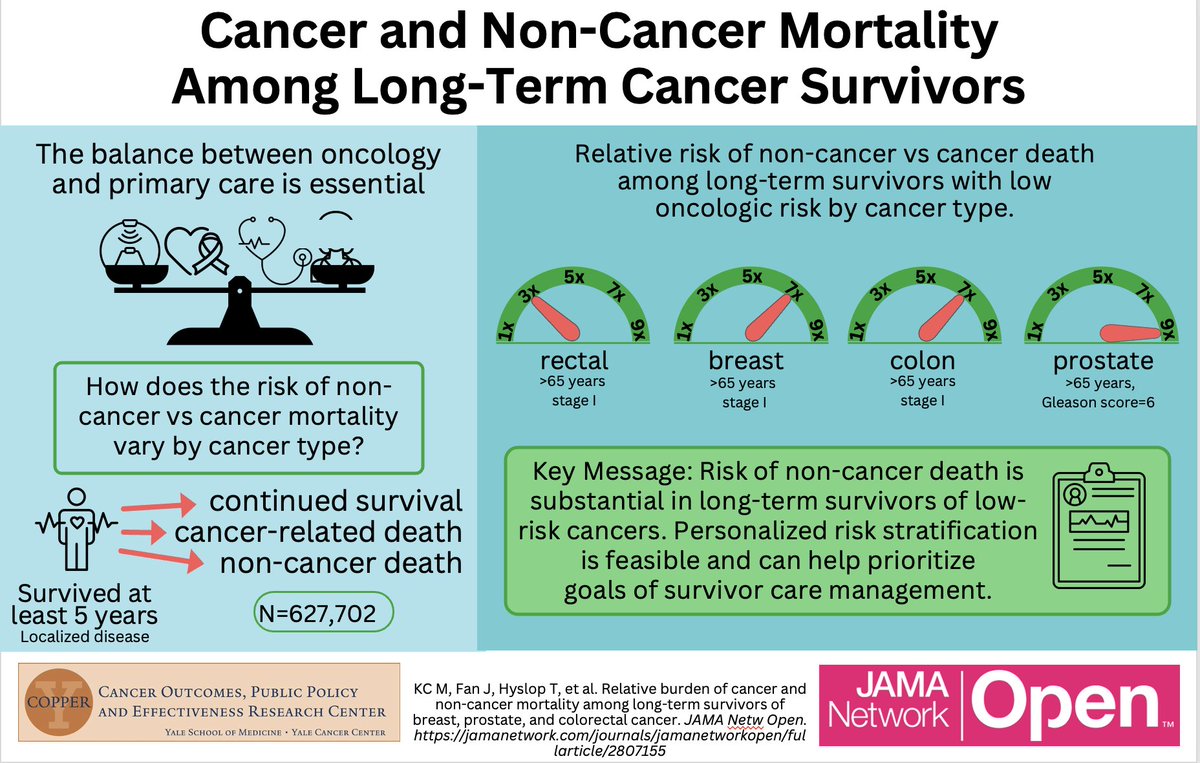
*NEW* study led by Madhav KC, Michaela Dinan underscores importance of primary care for #cancer survivors. Risk of non-cancer death >> cancer death; varies substantially by cancer type.
@JAMANetworkOpen@GreenupRachel https://t.co/DMbdQAU8HN
.@Broy3445 on how we have areas in our country where health and care more closely resemble *third world* countries than a rich nation, such as our own.
@hmkyale@mirandashafer
1/
Today at Grady
Them: "Did you watch it?"
Me: "I saw a part of it this morning. But that was too much so I stopped."
*silence*
Me: "Did you?"
Them: "I ain't gon' even lie. I did. I kept saying I wasn't but I did."
*silence*
Me: "You okay?"
Them: "Define 'okay.'"
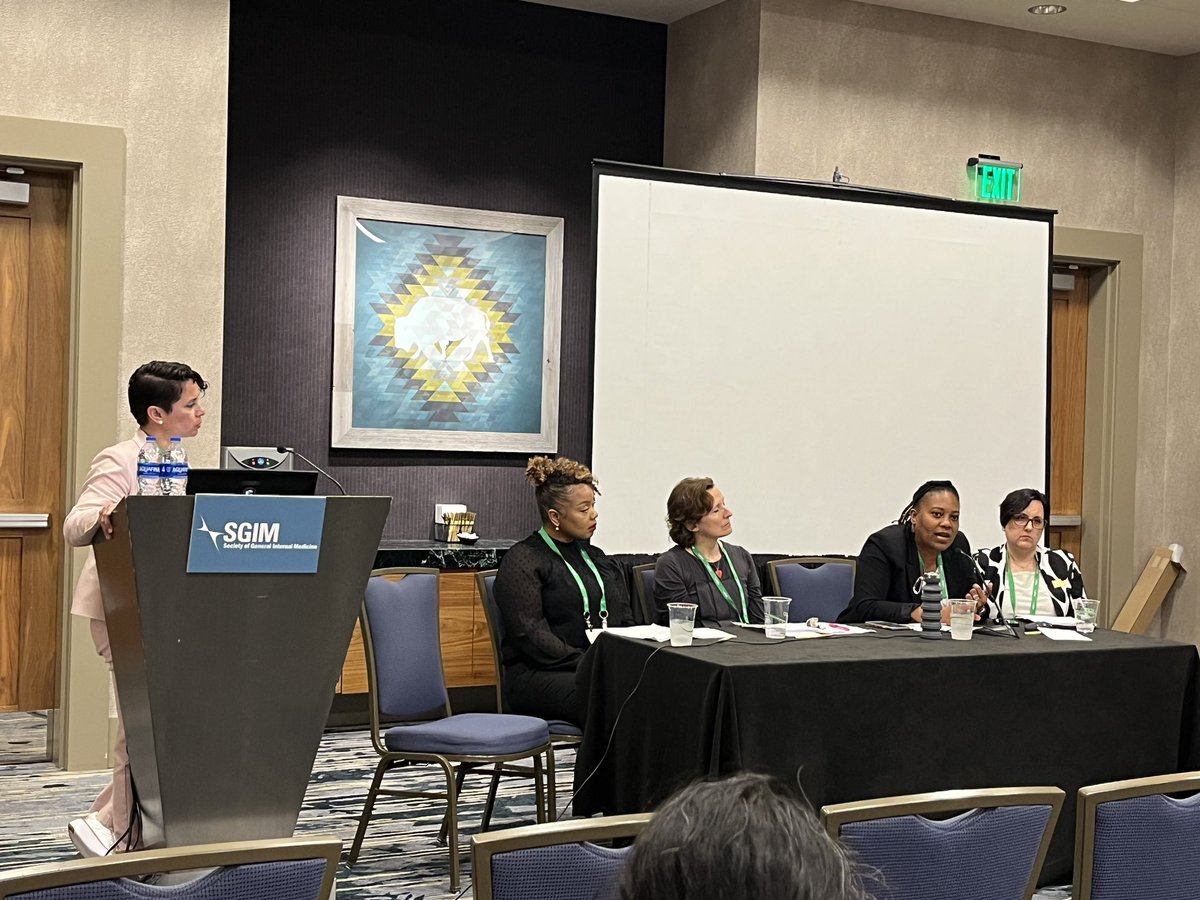
SGIM Education Committee Members highlight studies offering targeted solutions to address racism, lack of diversity, & bias in #MedSchool admissions & trainee evaluations. Discover innovative approaches in #SGIMForum#medtwitter#meded https://t.co/3GuUAGyeVa
Thank you @Surgeon_General@ChrisCoons @RepLBR for your efforts to better understand the importance of wellbeing among physicians, nurses and caregivers across Delaware.