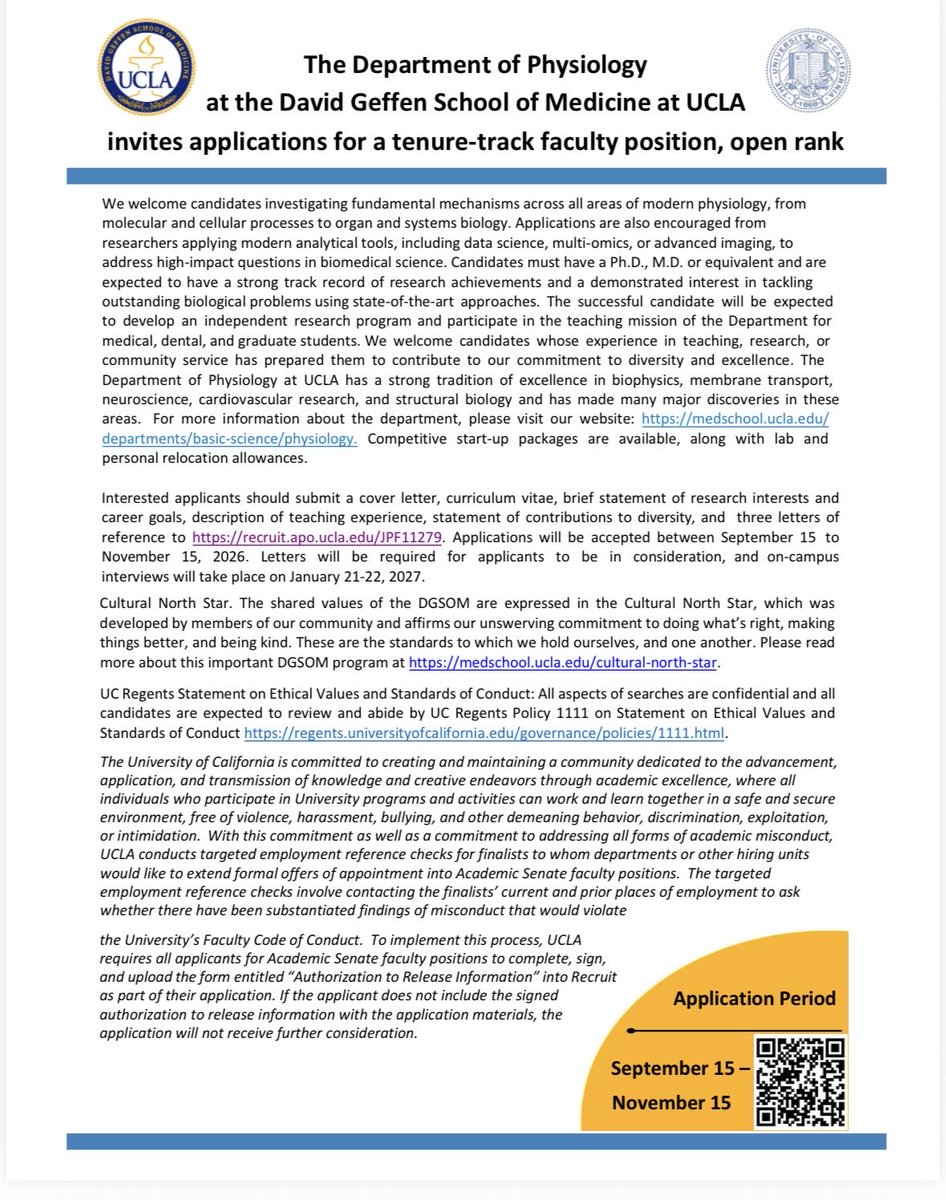
How do lipids influence aging?
We find that membrane lipid composition impacts neural stem cell aging and 'rejuvenation'!
HUGE congratulations to @xiaoaizh on her paper just published at @ScienceAdvances!! 🤩🍾
And a big thank you to all our collaborators!
A thread 🧵...
What gives some colorectal cancer cells the ability to metastasize? In our new paper, we find that tumor-intrinsic ceramide synthesis is a metabolic switch for metastatic initiation. 🧵 Free access: https://t.co/Yh5WLKzZoC
We're searching for an assistant/associate professor in Bioengineering at Stanford!
If you're using cutting-edge engineering approaches to understand or control biological systems in useful ways (medical, environmental, etc), we'd love to hear from you!
https://t.co/hFeXPXBVj8
As with biological design, AI can also accelerate biological discovery.
In new work led by @_David_Li and @garykbrixi with @mfgrp, we show how genome language models enable systematic discovery of genetic elements, revealing a new class of reverse-transcriptase mechanisms.
SURPRISE! Key interferon-stimulated genes (ISGs) can be induced without interferon! Sounds like an oxymoron, but it is true! Read the paper to find out more.
Switching of transcriptional control from interferon regulatory factor 2 to interferon regulatory factor 1 drives innate immune cell activation: Cell https://t.co/sozKwaQE39
As we age, our blood quietly shifts toward making more inflammation-prone immune cells and fewer of the ones that fight infections and cancer well — real bad news in old age. This paper found one specific immune cell is secretly driving that shift, and blocking a single signal from it reversed the effect in old mice, restoring muscle strength too.
https://t.co/wNXN48eKYU
Super excited that #VirtualBiotech is published in @ScienceMagazine today!
Tens of thousands of AI scientist agents work together across drug discovery + development, from target discovery to clinical trial design. Our blueprint for agentic R&D 🧵
Thrilled to share that Delphy is out yesterday in @Nature 🎉
Led by Patrick Varilly and built with Ben Fry and the @fathominfo team, Delphy brings scalable, near-real-time Bayesian phylogenetics to outbreak response, combining a radically faster inference engine with an intuitive, interactive interface.
Paper: https://t.co/W5GRulTkZo
Try it: https://t.co/HyPINRAJ16
@sabetilab @broadinstitute@fathominfo@acegid_igh
1/15
Today in @Nature, we report a new approach to studying human brain development and modeling disease in vivo.
Human neural #assembloids and #organoids have opened new ways to study development in vitro, but they also have important limitations. Transplantation can provide a more physiological environment, yet human cortical cells then develop within a rodent brain that matures much faster, constraining their growth and integration.
To address some of these limitations and obtain more advanced functional readouts relevant to disease biology, we generated #apallial mice, in which ~98% of the cortex and hippocampus fail to form, creating space for transplanted human cortical organoids to grow and integrate extensively.
We call these #xenocortical mice (XCX).
Nearly 7 years in the making. Congratulations to an extraordinary team and wonderful collaborators!
Link to the article below 👇
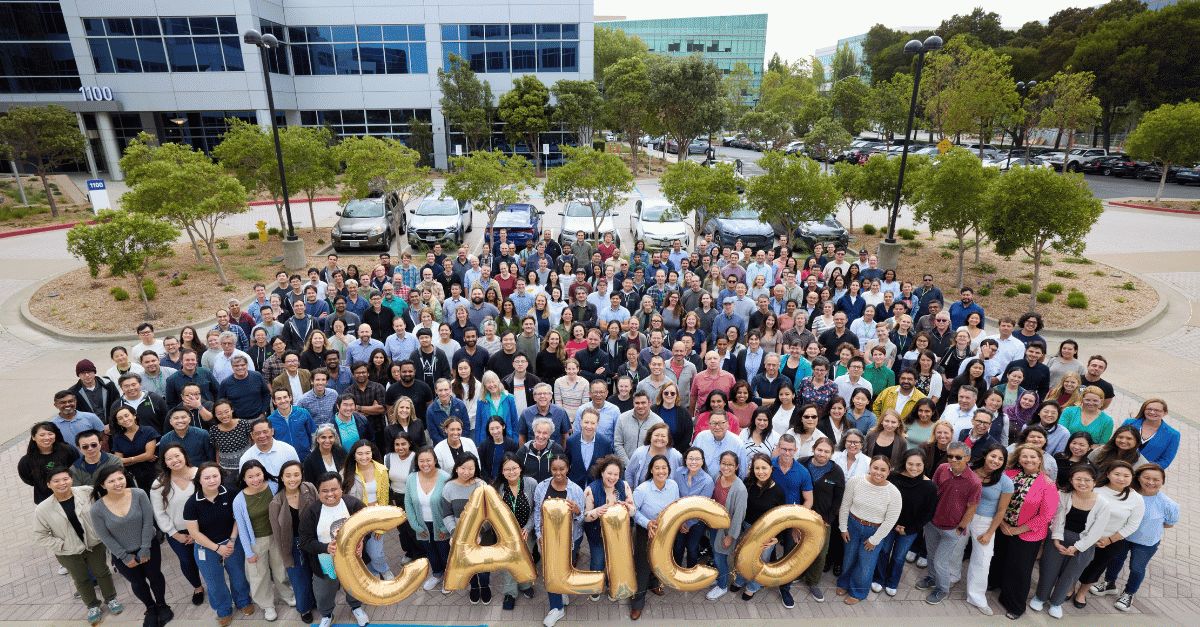
This month marks 13 years since Calico’s start. While our mission hasn't changed – to understand the biology of aging and use what we learn to help people live longer, healthier lives – our team has grown a lot since then.
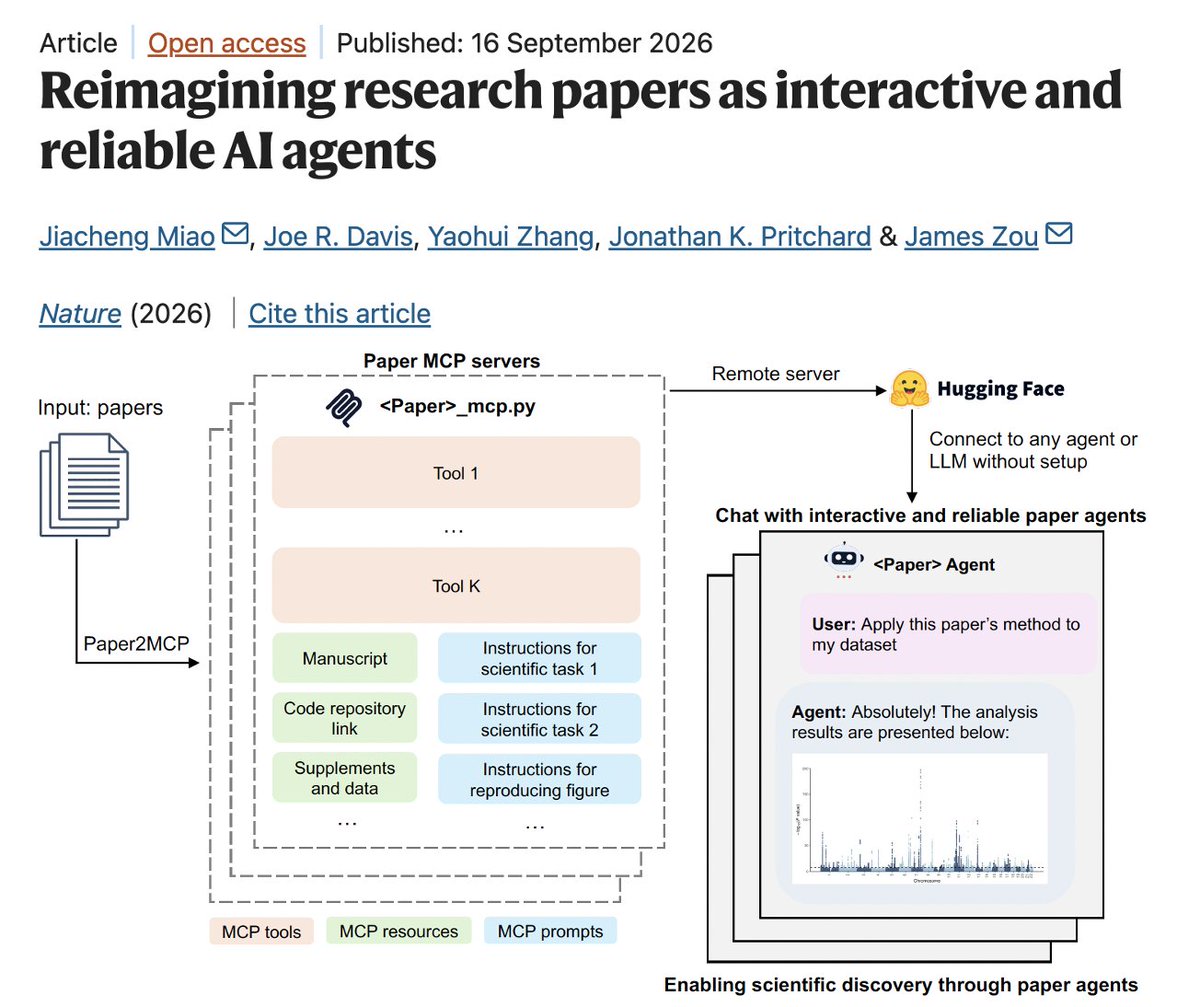
Thrilled that #paper2agent is published in @nature today!
Scientific knowledge is traditionally stored in passive papers. Paper2Agent transforms papers into virtual authors that answer questions, apply its methods and collaborate w/ other paper agents to make new discoveries 🧵
Come join us! In addition to being a core member of the amazing Mol Bio department at MGH, the recruit will be a part of my department at Harvard Medical School.
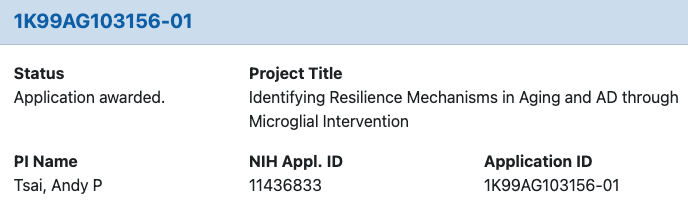
✨ Thrilled to share that I've been awarded an @NIH K99/R00 Award! 🎉
Deeply grateful to my mentor Dr. @wysscoray, co-mentors @BrunetLab, @StephenQuake, my mentoring team @Stanford, and my mentors at @IUStark_Neuro.
Excited for what's ahead in brain aging, AD, and geroscience!
🧬🧪🔬Why are enhancers transcribed? How does it impact gene regulation? I’m excited to share our new paper in @ScienceMagazine showing that ncRNAs control the timing of gene activation in embryos. w/Mike Levine #ScienceResearch#RNA
A few highlights 🧵👇
https://t.co/ZHPXKBDLhh
Every so often, a major event happens in your life to validate years of work. SRRK’s ISEMBYLD was FDA approved. Having participated in its development from basic science to approval, as a physician-scientist, this is one of my best days. Happy for ISEMBYLD to help SMA patients.
Congratulations to Stanford Medicine sleep researcher, Emmanuel Mignot, MD, PhD, on receiving this year’s Albert Lasker Basic Medical Research Award, one of the most prestigious science prizes in the world. He discovered that narcolepsy stems from a deficiency of orexin in the brain, opening the door to new sleep therapies. https://t.co/MQH5R2zJGs
#LaskerAward
Come build new technology to track cells inside living animals with us! Hiring a Research Associate II to join our team at @arcinstitute and @Stanford .
Application link in reply
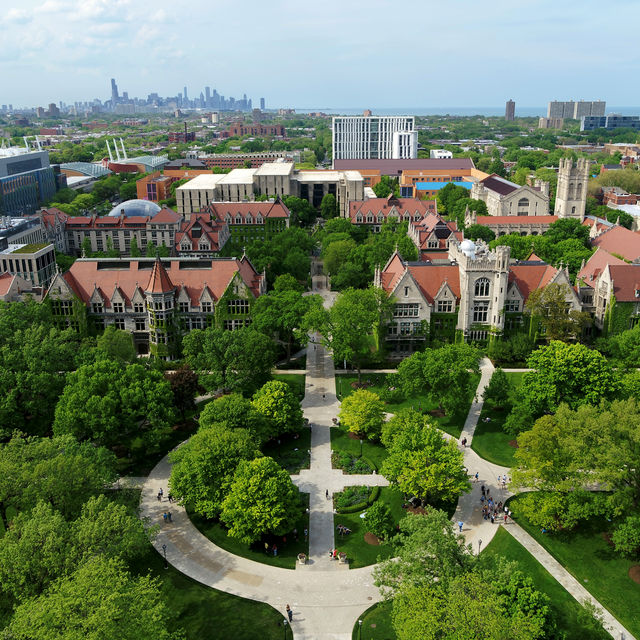
We are hiring! 🌟 Dept of Biochemistry and Molecular Biology at the University of Chicago is searching for a tenure-track assistant professor. It's a broad search: we want great colleagues doing serious biological work at the molecular scale. Please share!
https://t.co/fdIE4cqSEX
🔔 We are hiring! 🔔 We are looking for great colleagues doing curiosity driven research at the molecular level across broad areas of science. Please consider applying and spread the word!
https://t.co/XYLUsEdvug