Another abomination: soy infant formula. First 4 ingredients: corn maltodextrin (refined carb), seed oils, soy, sugar.
Why breastfeed? It's so inconvenient.
Can't get 'em started too early on the road to diabesity.
Staying with a Spanish family in a big house for a few days confirmed tons of stereotypes about the Spanish / Mediterranean
The parents are 85 and both are in incredible health. The grandfather woke up and immediately went outside to garden, spend time in the yard, and be active. Jumped in the pool halfway through and started swimming laps. Spent 2 hours hammering almond shells under the olive tree. Grandmother cooked, knitted, and did housework most of the day. On her feet most of the day
The 2 kids (9 and 4) also spent the entire day outside running around, in the sun, pool, trampoline, grass, sports, etc.
The TV and couch were not used once. Phones were rarely used
Indoor / outdoor lifestyle heavily embraced. Doors and windows open all day, and most of the day was centered around being outdoors.
Very light breakfast
Huge lunch at ~3 o clock. Tons of food and wine
Followed by siesta
Then tapas, more drinks, and tons of laughs from 11pm-1am. Light dinner so you sleep well despite eating late
Sun doesn't set until 10 right now so there's tons of daylight
Alcohol every single day. Rarely hard alcohol though, mainly wine, beer, or some type of aperitif. Some cigs as well
Every meal was cooked in olive oil. No others oils in the house. There was a finishing olive oil, cooking olive oil, and frying olive oil. Every chip, cracker, and other type of "processed food" had olive oil and not seed oils (other than a few grocery store sauces I noticed were using sunflower oil)
Most ingredients for the meal were bought fresh that day. Stopped by the bakery for fresh bread. Stopped by the fruit stand in town for some cherries and peaches. Local cheese market for a huge spread of cheese. All the olive oil was obvioulsy local too
Incredible community and family orientation. The bigger the table the better. Friends and others always invited and brought in
About 5+ hours a day spent at the table eating with others
On the day John Ratzenberger walked into an audition room in 1982, he had a plane to catch.
He had been living in London for nearly a decade — acting, writing, performing improv comedy across Europe with a two-man theatre group that had played to standing-room-only audiences for 634 consecutive shows.
He had appeared in small roles in some of the biggest films of the era: *Star Wars:
The Empire Strikes Back*, *Superman*, *Gandhi*, *A Bridge Too Far*
He was a working actor, but
nobody's idea of a household name. That day, he was in Los Angeles on a writing assignment, and his ticket back to London was already booked.
He had one audition before he left.
A new sitcom about a bar in Boston.
Both Ratzenberger and another actor, George Wendt, were reading for the same role — a minor patron named George who had a single line: "Beer!" It was barely a part at all.
But Ratzenberger wanted the work, so he went in, and the moment director Jimmy Burrows told him he was there to audition, not have a conversation, he felt the energy in the room go cold.
By his own account, all the blood rushed out of his body. He delivered a forgettable read. The casting director thanked him on the way out — the polite, final kind of thank you that everyone in show business learns to recognize.
He was almost through the door when something stopped him. Not calculation. Not strategy. Just the instinct of a man who had spent a decade doing improv and knew that the moment before you leave a room is sometimes the best moment you'll ever have.
He turned around.
"Do you have a bar know-it-all?"
The producers didn't know what he was talking about. So he told them. Every bar in New England, he explained, has one — some guy who acts like he has the knowledge of all mankind stored between his ears and is not even slightly shy about sharing it.
He had grown up around exactly this type: a man named Sarge at his father's regular bar, who could answer any question with absolute confidence whether he actually knew the answer or not. The room would ask Sarge the length of a whale's intestine and Sarge would shoot back: "Baleen or blue?" And somehow, everyone deferred to him anyway.
Ratzenberger launched into an improvisation right there — the Boston accent, the lean against an imaginary bar, the slightly too-long explanations of facts nobody had asked for. The producers watched. Then they laughed. Then they asked him to do more.
George Wendt got the role of the bar regular, renamed Norm Peterson. And the producers, convinced by five minutes of improv from a man on his way out the door, wrote an entirely new character into the show.
His name was Clifford Clavin. United States Postal Service.
Cheers debuted on NBC on September 30, 1982, to nearly catastrophic ratings — finishing 77th out of 100 shows that week.
The network came close to canceling it in the first season. But the show found its audience, and then it found a much bigger one, and then it became one of the most beloved television series ever made. It ran for 11 seasons.
Ratzenberger appeared in 273 of 275 episodes.
Cliff became the man at the end of the bar with the white socks and the questionable facts and the magnificent certainty — the guy everyone tolerated and secretly enjoyed, the kind of person every room has and everyone pretends to find annoying and would immediately miss if he disappeared.
Ratzenberger was nominated for Emmy Awards in 1985 and 1986. By the time the show ended in 1993, Cliff Clavin was embedded in American culture as one of the great comic characters in the history of the medium. Cheers! 🍻
If you build your house in a hurricane area or flood zone then you pay more for home insurance
But no matter how you treat your body everyone pays the same for health insurance?
Am I missing something?
“The [Roman] people that once bestowed commands, consulships, legions and all else, now meddles no more and longs eagerly for just two things—Bread and Games!”
Juvenal, Satire 10
STUDY FINDS SUNSCREEN USE LINKED TO DRAMATICALLY HIGHER RISK OF MULTIPLE SKIN CANCERS
A UK Biobank analysis of 470,000+ people found sunscreen users faced significantly higher risk of:
- MELANOMA: +292%
- BASAL CELL CARCINOMA: +140%
- SQUAMOUS CELL CARCINOMA: +126%
This is what happens when you slather rapidly absorbed hormone disrupting chemicals all over your body while blocking vitamin D — one of the body’s key defenses against cancer.
These dramatic cancer signals remained even after accounting for major skin cancer risk factors: age, sex, skin type, tanning ability, sunburn history, sunlamp use, and time spent outdoors.
Exercise and physical activity are two different things.
Both are necessary for good metabolic health.
Exercise is structured, repetitive activity designed to stress the body and improve fitness.
Physical activity is everything else: walking, playing a sport, gardening, housework - basically anything that isn’t sitting or sleeping.
Exercise is clearly important for increasing cardiorespiratory fitness and building muscle, both of which powerfully promote good health - arguably the most potent factors.
However, exercise and the resulting fitness do not fully offset the harmful effects of prolonged inactivity, mainly sitting. Most of us sit a great deal these days due to work and leisure habits.
Prolonged sitting causes insulin resistance, poor glucose control, and higher all-cause mortality risk - even in people who exercise regularly.
The good news: even small amounts of activity can prevent this.
Practical advice: get up and move regularly. There are no strict guidelines, but aim for at least once every 30–60 minutes. Walk around.
A standing desk is another good option—standing raises metabolic rate about 50% compared to sitting.
On non-exercise days, go for a walk, work in the yard, or do some other activity that gets you moving and improves circulation.
Small steps that can make a big difference to health.
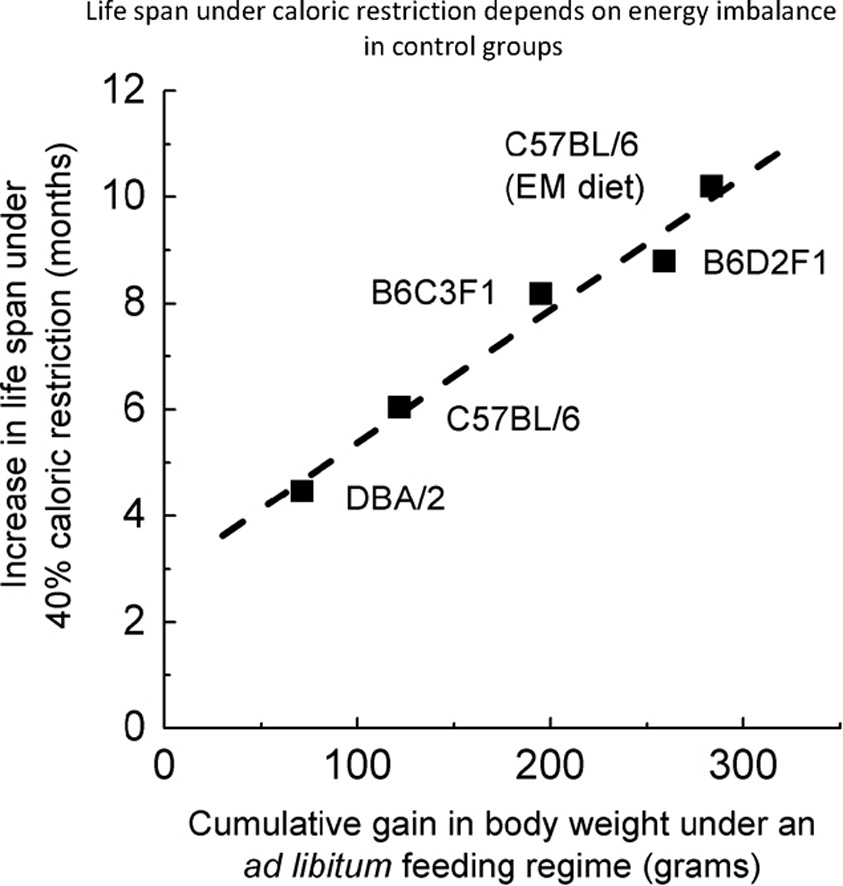
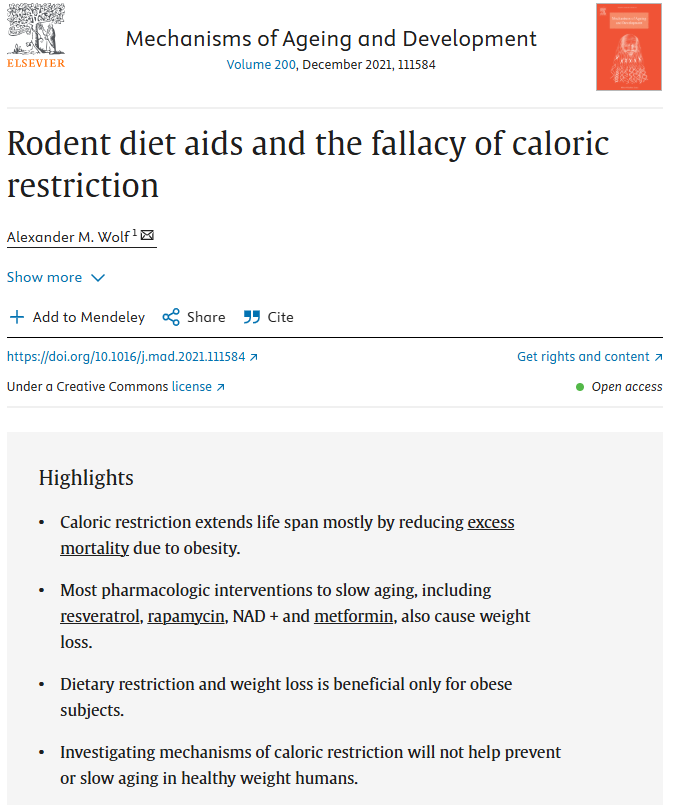
Sobering paper on aging
Argues that basically every intervention known to extend lifespan only does so by preventing obesity.
In other words, being lean and fit is not just 90% of slowing aging, but 100%.
https://t.co/wpdZmpm4nt
Bill Cowher shares the 3 things he told his 3 daughters - and his 53 players.
"Number one - choices and consequences."
"You can control your choice. But once you make a choice, it controls you...Just understand - with every decision you make, there's a consequence that goes with that."
Your choices and actions matter.
"Number two - it's about the people you surround yourself with."
"Are they people that are purpose-driven? Or are they people that are just trying to feed off of who you are?"
"I want people around me that are purpose-driven. People focused on doing something impactful and meaningful."
"And the third thing - nothing good happens after midnight. Nothing."
Three rules. A lifetime of wisdom.
Your choices control you. Your circle defines you. Your habits protect you.
(🎥Ray Lewis Show: @raylewis)
Strictly speaking, if you're overweight, you generally want "weight loss", but specifically you want "fat loss".
You want to maximize fat loss while minimizing muscle loss.
People who don't optimize while losing weight, e.g. by not getting adequate protein and not doing resistance training, can lose a fair amount of muscle.
Muscle loss can be up to 40% of the amount of weight lost. Which is quite bad.
Body composition, that is the relative amounts of body fat and muscle, is the key to good health.
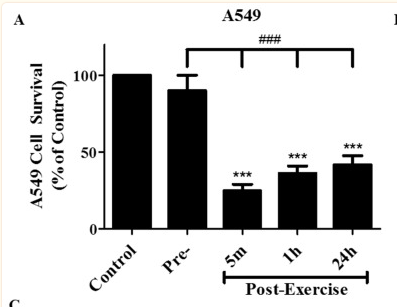
Exercise kills cancer.
When serum from men who performed a bout of high-intensity exercise was added to cancer cell culture, the cells died. No effect on normal cells.
Every time you exercise with intensity, you're inhibiting cancer.
Almost 52, no athletic background - the only thing I did for my abs and vascularity was to lose 6 kg from a skinny-fat frame with a sensible diet. Other than that I started doing some HIT resistance training in November 2025 to maintain lean mass (pic is from January). I never lifted before, I’m just an average dude who’s been generally active (walking and cycling) and who used to do martial arts in his 20s and 30s (started taekwondo again early 2025). I wouldn’t even know where to get TRT or PEDs and since my dad passed away at the age of 41, I have no clue whether anything visible in this photo is due to genetics.
$4.9 TRILLION a year in healthcare costs.
Paid mostly to manage diseases that exist because of what people eat three times a day.
That number should make you furious.
Environment is a huge factor in health.
The biggest environmental factor is food. You literally insert a couple pounds a day inside your body.
Yet many think that diet doesn't matter.
Green tea catechins and black tea theaflavins reduced tumor levels in mice genetically susceptible to breast cancer by up to 78%.
Mice were given .05% in drinking water, so tea consumption may be similar.
https://t.co/CQDdcrXzWi