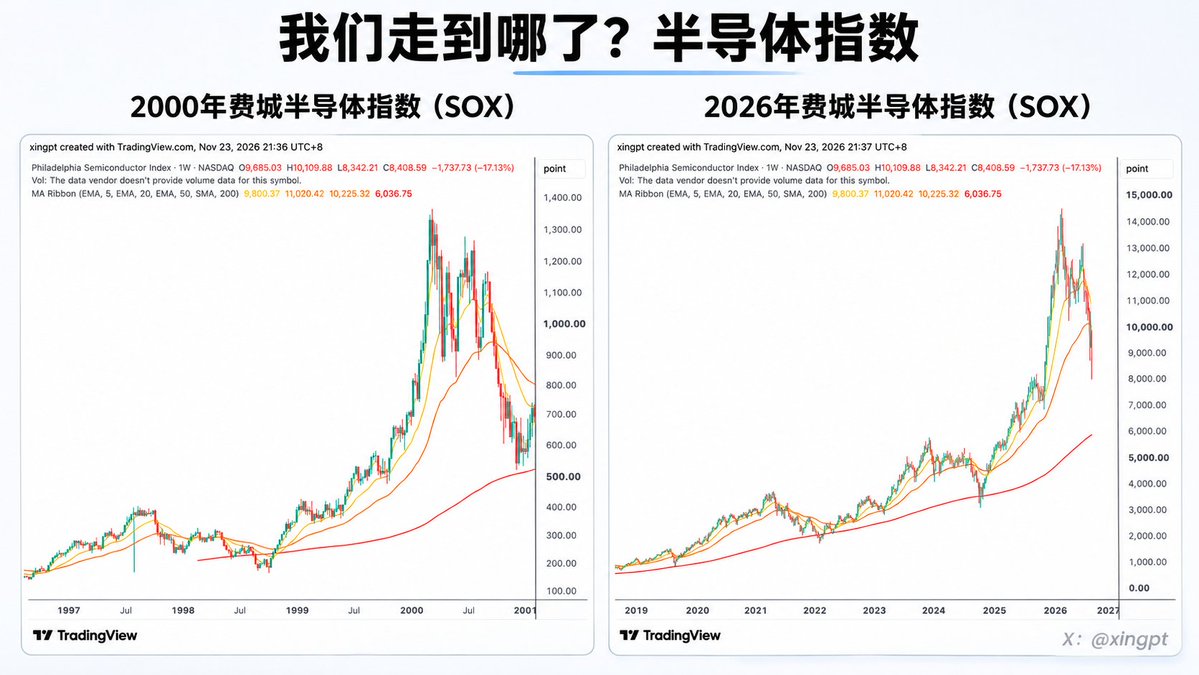
El Nasdaq-100 cotiza a 20 veces los beneficios esperados, pero a 34 veces el flujo de caja libre, una divergencia sin precedentes en el gráfico.
Esta desconexión se explica, en buena medida, por las multimillonarias inversiones en IA, que penalizan inmediatamente la generación de caja, pero cuyo impacto sobre los beneficios se distribuye durante varios años mediante la depreciación.
El Nasdaq parece barato por beneficios, pero sigue siendo extraordinariamente caro por generación de caja. El gran interrogante es si las inversiones en IA terminarán generando retornos suficientes para justificar estas valoraciones.
Compartida por el amigo del canal @JavierSanzBello
ÚLTIMA HORA: Trump advierte de que las caídas en los mercados sólo acaban de empezar, y que habrá más sangre en los mercados.
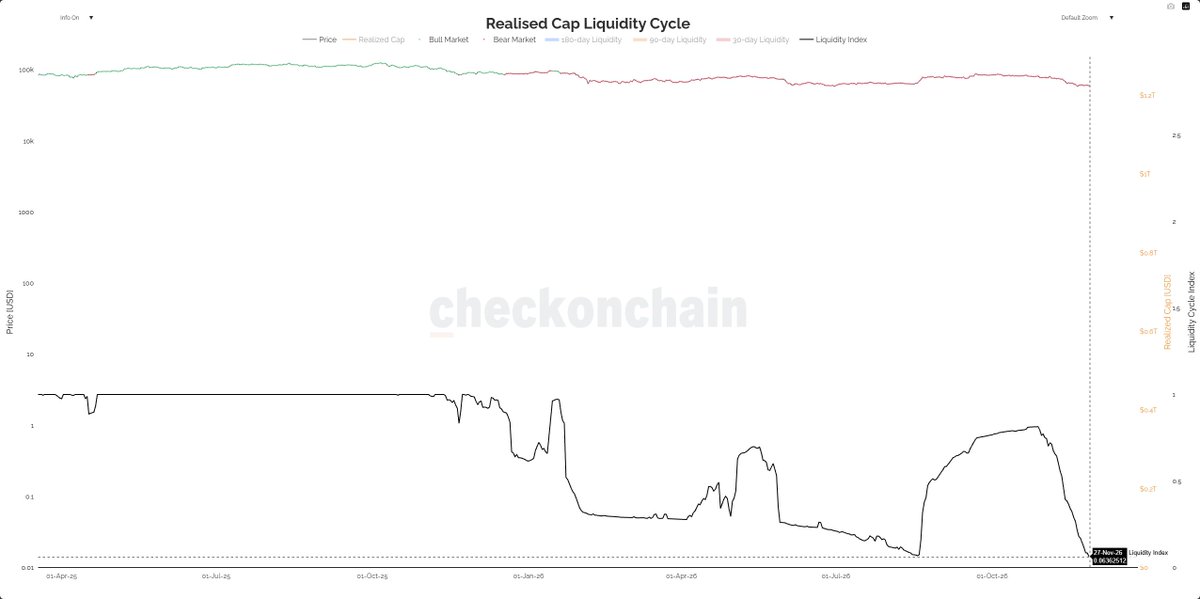
Es muy posible que veamos a Bitcoin en 45K$ en los próximos 2-3 meses.
Depreciation charges for the hyperscalers in 2029 ($630b) are expected to exceed all of this year’s operating earnings ($570b). Unless these companies grow revenues substantially, their profits will disappoint.
CITI WARNS U.S. INTEREST RATES ARE UNSUSTAINABLY HIGH, SEES FED CUTS IN 2027
Citigroup warns that financial markets are signaling that current U.S. interest rates are "unsustainably high", as falling equity valuations and risks to AI investment threaten economic growth.
The bank argues the Federal Reserve is unlikely to aggressively raise rates into a stock-market selloff, despite persistent inflation concerns.
Citi's rate outlook:
🔸 December 2026: 25-basis-point hike expected.
🔸 Early 2027: Fed holds rates steady.
🔸 Later in 2027: Rate cuts begin.
Citi believes tightening financial conditions, weaker AI investment and easing energy prices could eventually outweigh inflation risks, pushing the Fed toward a more dovish stance.