Red meat has been charged with twelve separate crimes in seventy years, and the prosecution has quietly dropped nearly every one.
"Saturated fat clogs your arteries."
Sydney and Minnesota sat in a garage for decades. Opened up, the men on vegetable oil had died on schedule.
"Dietary cholesterol raises your cholesterol."
Dropped from the American guidelines in 2015. No card, no flowers.
"Bacon is full of nitrites."
So is spinach, about 130 times over. The case was quietly walked to a different aisle.
"Charring meat causes cancer."
At the rodent dose you would need to eat a small herd, daily, for life.
"Haem iron is a carcinogen."
Measured in men who were also on forty a day. Bold of them to blame the beef.
"Purines cause gout."
Beans, lentils, spinach and mushrooms are stuffed with purines and somehow got off without charge.
"Red meat raises TMAO."
Fish raises it more. Funny how that one never made the press release.
"Meat drives IGF-1."
Milk drives it harder. The dairy aisle sleeps soundly.
"Neu5Gc causes inflammation."
In mice. Genuinely, that is the whole case.
"Beef takes 15,000 litres of water per kilo."
Rain. On grass. Someone put weather on an invoice.
"Cattle methane is cooking the planet."
Twelve years in the atmosphere, in a cycle that has run through ruminants for ten thousand years. Held to a standard no aeroplane has ever met.
"Livestock eat food that could feed people."
Eighty-six per cent of it is straw, husk and hedge. Help yourself.
Twelve charges. Not one has survived contact with the evidence.
Every time one collapses the next arrives fully formed, with a press release and a graph.
In January 2026 the Americans put full fat dairy back in and softened the saturated fat line. The apology was a footnote nobody read.
A working science drops the hypothesis and moves on. This one drops the hypothesis and keeps the defendant.
Testosterone is made from cholesterol.
Oestrogen is made from cholesterol.
Cortisol is made from cholesterol.
Vitamin D is made from cholesterol.
The bile acids that digest your dinner are made from cholesterol.
Progesterone, which holds a pregnancy together, is made from cholesterol.
Every cell membrane in your body is built with it.
Every nerve is insulated by myelin, which is mostly it.
Every memory you form needs it to build the synapse that keeps the memory.
Your brain is sixty percent fat, most of it cholesterol.
Breast milk is loaded with it, because no infant brain grows without it.
Handed the job of designing the first food a human ever eats, nature put cholesterol at the heart of it.
Eat less, and the liver makes more.
Because the body will not run without it.
In 1977, we declared war on it.
Male testosterone has fallen ever since.
Vitamin D deficiency went from rare to routine.
One adult in three over fifty now takes a daily pill to strip out the one thing every cell above is fighting to keep.
The war is going beautifully.
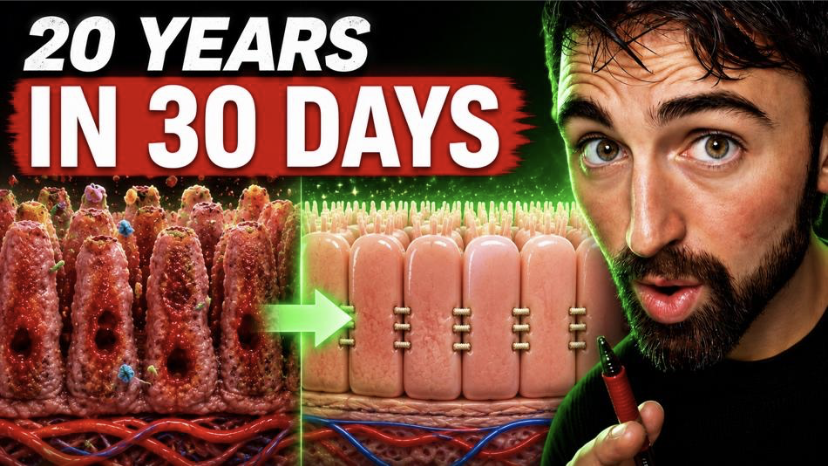
How To Heal 20 Years of Gut Damage in 30 Days (link at the end)
1/7) When I was 21, I was diagnosed with severe inflammatory bowel disease that ruined my life. It took me years to claw my way back to health.
Now, after a PhD, an MD, and nearly a decade obsessively experimenting on my own body, I now have a set of tools I believe can help heal the gut quickly and aggressively.
In today’s deep dive, I walk through them. But let’s give you a taste, here and now.
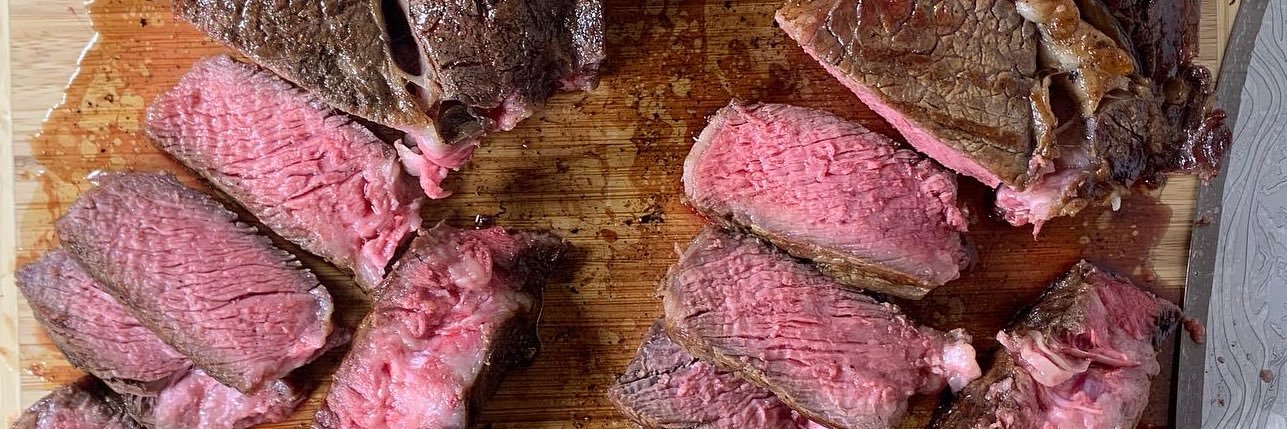
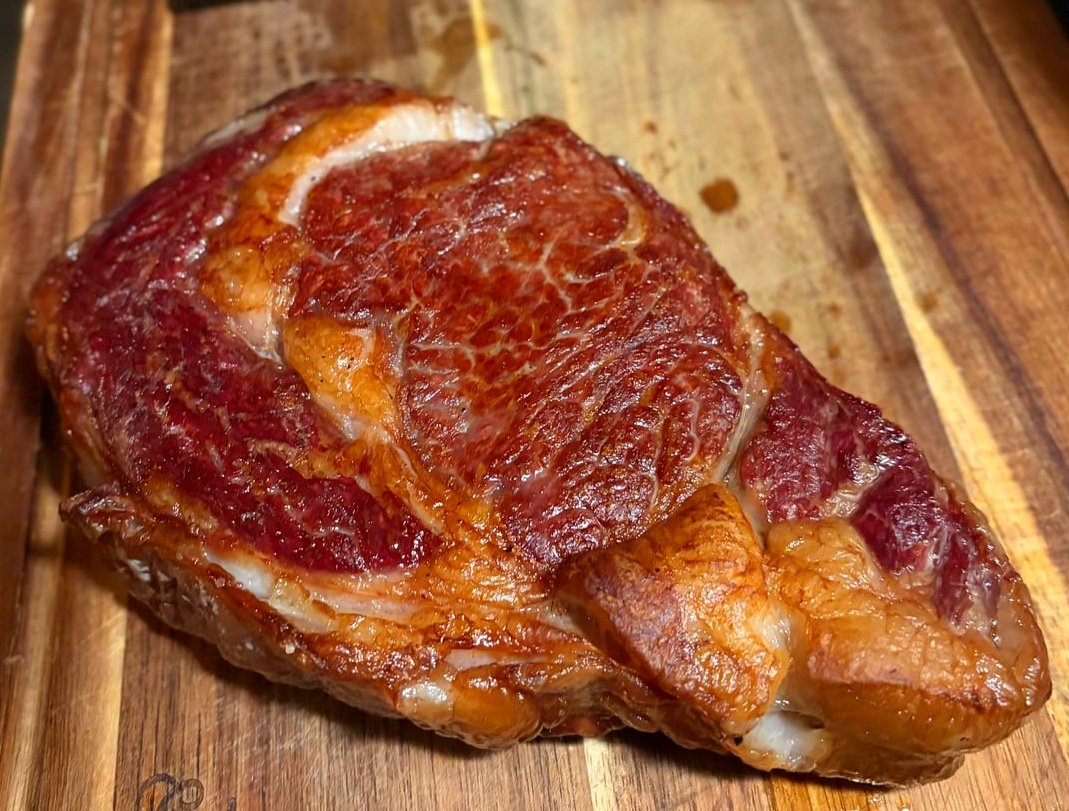
I’ll happily change my opinion when someone can produce good science showing significant meaningful human health outcomes showing vast superiority of grass finished beef. Up to this point there is effectively nothing other than a few studies showing various differences in nutrient content, which frankly also
vary wildly based on breed, sex, age, region of cow and cut of meat. Additionally I’ve seen thousands of patients reverse diseases, come off medications, and regain their lives back by eating grain finished beef.
I happily support what the regenerative folks are doing and hope more choose that route but to lie and claim people are somehow eating poison by consuming grain finished beef is frankly “bullshit”
The incredible changes that come from changing your diet!
If you’re ready to get your life back check out Revero from the link in bio.
Source X: @j00ny369T
I am still getting people being warned off from a ketogenic diet to treat mental illness because of LDL concerns. I am not sure what you doctors need, but you have been told to catch the hell up by your own professional organizations for a long time.
Cardiology organizations have advised against using LDL cholesterol as the only marker for guiding statin prescriptions since 2013, when the American College of Cardiology (ACC) and American Heart Association (AHA) issued updated guidelines.
Those guidelines moved away from the “treat‑to‑target” LDL‑only approach and instead recommended fixed doses of moderate‑ or high‑intensity statin therapy based on overall cardiovascular risk.
What big picture are they supposed to be looking at?
Age, Sex, Race
Total cholesterol
HDL cholesterol
Systolic blood pressure
Hypertension treatment status
Diabetes
Smoking
Family history of premature ASCVD
Elevated LDL-C or non-HDL-C
Chronic kidney disease
Metabolic syndrome (and yet they won't check your fasting insulin)
Pre-eclampsia or premature menopause
Chronic inflammatory diseases
South Asian ancestry
Elevated triglycerides, Lp(a), hs-CRP, apo B (this apo B thing will change I suspect for low carb pops)
ABI < 0.9
Coronary artery calcium score (I think this should be changed to a coronary CT angiography CCTA)
CAC and CCTA both show how far the risk profile extends beyond just the LDL misnomer, yet many clinicians still default to statins without doing full risk assessment or considering metabolic and neurological impacts.
They are not even checking things properly like glucose triglyceride ratios. Why am I, a simple mental health counselor, more knowledgeable about getting a full picture than a medical doctor, even a specialist like a cardiologist? The field really needs to be embarrassed about this.
I know they are not doing this. Because my clients tell me they are reacting to their total cholesterol and handing them prescriptions.
So it's been about twelve years (since 2013) that the field has formally shifted away from relying solely on LDL as the determinant for statin use.
And yet I have doctors trying to hand statins out to my people.
Please don't give my clients statins when we are trying to heal their brains.
The World's Most Measured Man doesn't know how to use his blood glucose meter. He's putting the strip in backwards and the strip should be in the reader before taking the blood
Sequencing of macronutrient consumption
In addition to the macronutrient composition of meals themselves, the order in which we consume macronutrients can also influence their hormonal response. This was first shown in a small 2015 study where subjects consumed a mixed meal of carbohydrates (bread and orange juice), protein (chicken) and vegetables. One week they consumed the carbohydrates first, and the next week, the vegetables and protein. Strikingly, consuming the carbohydrates first resulted in glucose level peaks 28.6% higher . This was followed by further research in pre-diabetic individuals which found peak glucose readings more than 40% greater when carbohydrates were consumed first . The lesson is, save any carbs for dessert.
Pacing of consumption
A 2010 paper details a study which took place in Athens where the test subjects were fed 300ml of ice cream on two separate occasions, over either 5 or 30 minutes . GLP-1 and Peptide YY levels, two hormones regulating appetite, were significantly higher after the longer ‘meal’, consistent with increased fullness. A follow-up study on type 2 diabetics confirmed this, finding that slow paced meals resulted in increased fullness and decreased hunger . It is likely the ‘mindful’ eating, where food is savoured leads to improved satiety, the lesson being take your time.
The impact of Food Additives and Pharmaceuticals on Metabolism
Another common feature of processed foods are preservatives which allow them to exist almost indefinitely upon the inner shelves of supermarkets. These preservatives however, may inadvertently impact on our bodies powerplants, the mitochondria. In order to preserve food, it is necessary to keep bacteria at bay, which is essentially what preservatives do. There are remarkable similarities between mitochondria and bacteria, including a shared double membrane structure, a circular DNA structure and similar ribosomes and biochemical pathways, such as the electron transport chain.
There is some experimental evidence to back these concerns up, however anti mitochondrial effects are usually seen at doses exceeding that which is normally encountered through diet. Nonetheless, there remains a relative paucity of research in this area, and until convincing research comes through demonstrating the safety of preservatives, I personally will exercise caution.
Conclusion
The conventional calories in/calories out model oversimplifies the complexity of weight regulation. Hormonal factors, particularly insulin, play a dominant role in fat storage and metabolism. Additionally, dietary composition, nutrient quality, and environmental factors all significantly impact weight regulation. Addressing obesity requires a more nuanced approach that considers the interplay of hormones, metabolism, and nutrition rather than focusing solely on caloric intake. A shift toward whole, nutrient-dense foods and a better understanding of hormonal influences will offer a more effective and sustainable path to weight management.
[1] https://t.co/105uMhGHEs
[1] https://t.co/YxK67BYrvC
[1] https://t.co/S1N6uexpgC
[1] https://t.co/m8NfqWD93m
[1] https://t.co/L2kztLqRMs
[1] https://t.co/73Pg3h2RR0
[1] https://t.co/uZAz9Yj8BD
[1] https://t.co/r4xBBrn4Id
[1] https://t.co/Tyw0hxM2my
[1] https://t.co/oYv1tuonBV
[1] https://t.co/pzPAS02CVZ
[1] https://t.co/Ou4j5Adx9o
[1] https://t.co/zO66GglswI
[1] https://t.co/FHCbGzSeaX
[1] https://t.co/T2ozWW4Dv0
[1] https://t.co/YnjXDXFTxC
[1] https://t.co/MfORtRo580
[1] https://t.co/UY5J5eyGYl
[1] https://t.co/9hWxOKWkHi
[1] https://t.co/O55gB7Fc2I
IF you got this far, thank-you. There are still several key topics that I would like to expand upon, especially that of nutritional inflammation and the impacts of deficiencies of the methyl-donor nutrients (B12, folate, betaine and choline). Hopefully at some point in the not too distant future.
@SBakerMD Doc - you should be able to verify the car plate, name of driver, make and model of car before you get in.
Simply ask the driver if he’s Mike, or whatever the driver’s name is on your app.
The driver should verify your name and often times there’s a confirmation code