NEW: In a tell-all interview, @calleymeans goes on @joeroganhq to detail how Susie Wiles, President Trump’s chief of staff, prized political fundraising over delivering on MAHA promises to improve the nation’s health.
GIFT: https://t.co/uvwBqVXzuC
Great @KFFHealthNews scoop this AM: That rural health fund that Republicans were touting as a big lifeline for hospitals and care? The funding has been delayed. https://t.co/UYjMCwDx7j
“But you want me to make a commitment to families without knowing where the budget will be or where the votes are and that’s just plain politics the wrong way. I’m no longer the candidate. I’m now the governor elect.”
@XavierBecerra didn’t commit to restoring Medi-Cal cuts for immigrants with unsatisfactory status.
“ I made it very clear that I want California to be the backup for all families who need access to healthcare.
@XavierBecerra joined @MoniqueLimonCA@CASpeakerRivas in pushing for fair share for Medicaid.
“I want California taxpayers to know who’s getting support from taxpayers but isn’t paying their fair share.”
Newly elected @XavierBecerra says he’s hoping Democrats will reverse HR 1 cuts.
“If you want to lower healthcare costs, help us now. Go to Washington DC and get some of that trillion dollars that the president cut back so we don’t have to take any of our California families.”
How does the quality of the U.S. health system compare to other countries? The answer is complicated because countries’ health outcomes vary and quality can be difficult to measure.
Get the data: https://t.co/T03O7OxEYD
Health care employment has grown steadily while job growth elsewhere has plateaued in recent years.
Over the past year, the health sector added 378,500 jobs — a 2% increase — compared with 0.2% growth in non-health, non-farm employment: https://t.co/iifzcKcHJF
Nearly half of states (21) are using or planning to use AI to detect fraud in Medicaid home care programs.
KFF survey examines how states are approaching program integrity in their home care programs: https://t.co/kdY0r6bPyd
Can AI help close health care gaps?
Dr. @uche_blackstock says only if the people most affected by those gaps help design the tools.
Listen to hear more in this week’s episode: https://t.co/7fgGS2eDhX
Support for a national health plan (commonly called “Medicare-for-All”) has grown, rising to about two-thirds (66%) of the public — but public opinion is highly malleable and support shifts when competing claims from critics and proponents are heard: https://t.co/xreGGhzXxS
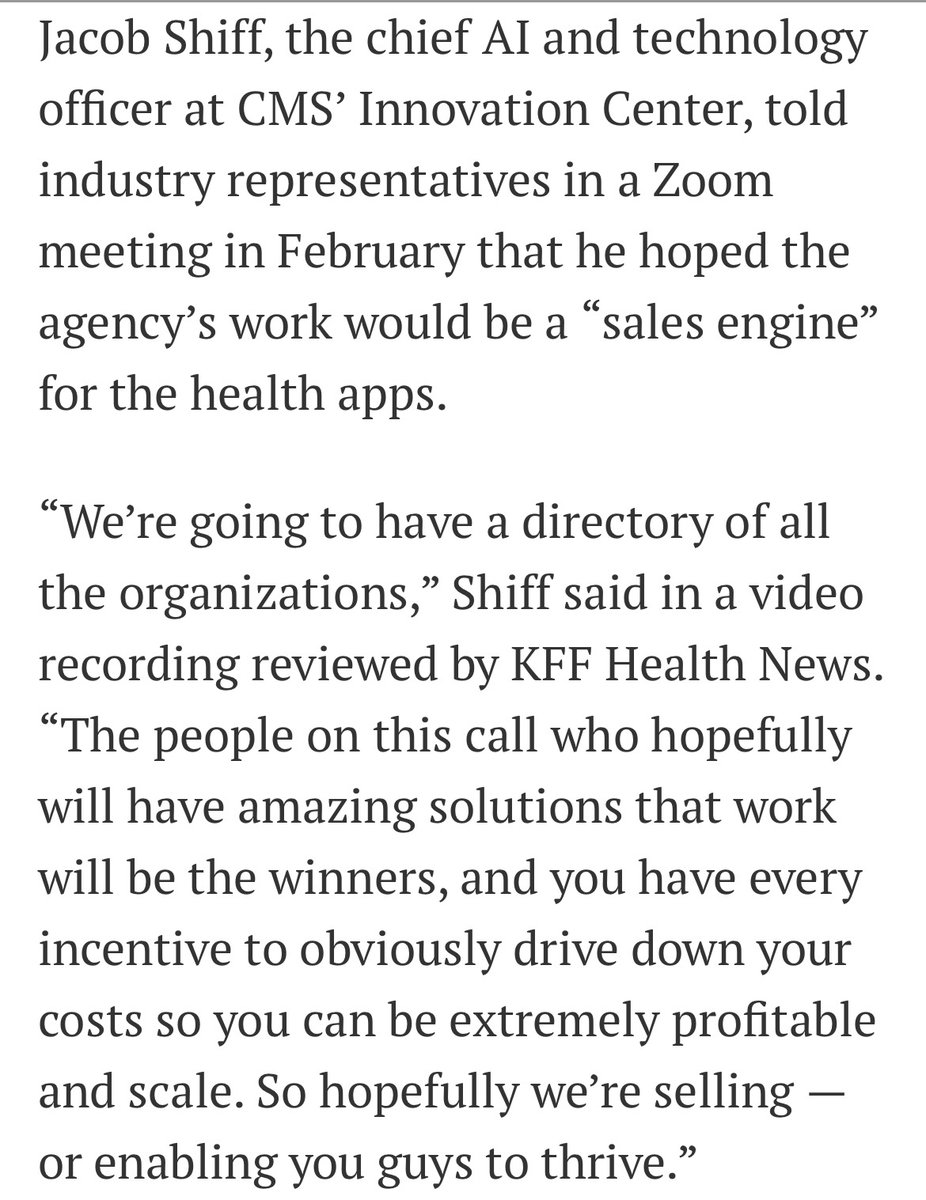
Exclusive: A Slack managed by The Centers for Medicare & Medicaid Services has served as an extraordinary war room for AI execs & Trump officials to launch a rapid campaign aimed at persuading Americans to manage their health and medical records on apps.
One potential solution is a system that automatically screens and qualifies low-income patients for financial aid without requiring an application. @NoamLevey@KFFHealthNews
https://t.co/FVBH8fBXzL
As Americans struggle with health care costs heading into the midterms, support for Medicare-for-All has hit a new high in KFF polling.
Here’s what nearly a decade of KFF data shows about public opinion on a national health plan: https://t.co/xreGGhzXxS
“A lot of times these propositions are written in a way to get attention and get support,” says Glenn Melnick, a healthcare economist at the USC. “But in fact, they can be used for other things later.”
https://t.co/vsc3fvV65c
KFF-@AP’s survey finds slightly more than half of rural voters disapprove of President Trump’s handling of health care and largely view his health care policies as having negatively rather than positively impacted their health care costs, Medicaid, and the availability of care where they live. https://t.co/QmJUzCkCZD
NEW: Top HHS officials are pushing forward on medical AI, talking about how much to pay AI Doctors that could diagnose & prescribe to patients.
Inside government, concerns arose about the outsized influence of billionaire Silicon Valley investors.
https://t.co/tBorjJ1xBI
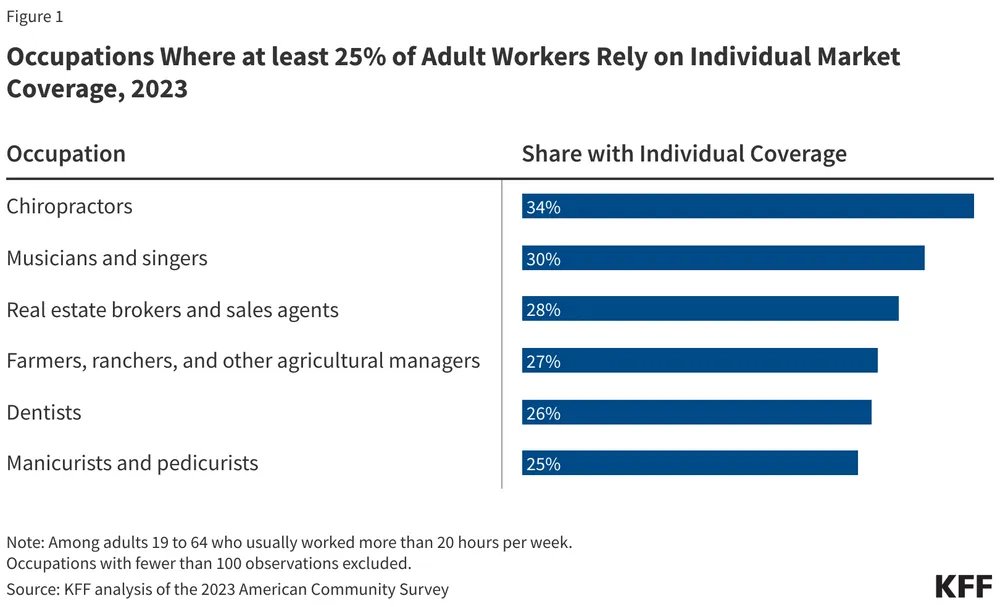
Many farmers are facing a double whammy this year: Rising diesel prices, plus higher health insurance costs after Congress allowed enhanced ACA premium subsidies to expire.