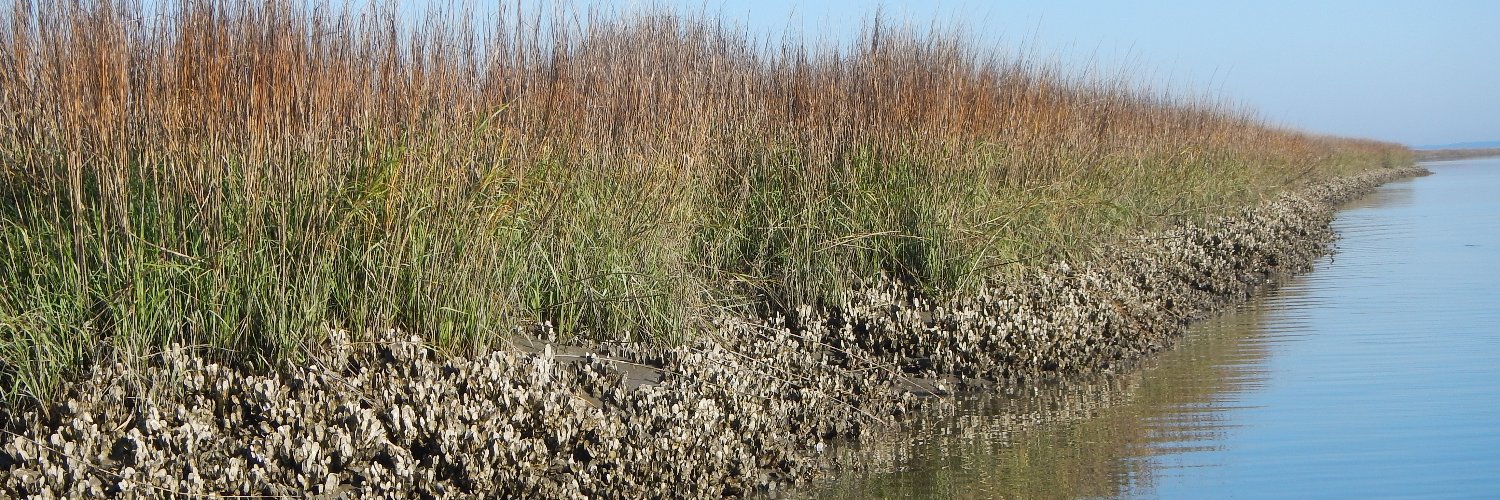
Wondering what is going on with oyster parasites/disease in Georgia USA? 🦪
Well check out our new paper examining the potential drivers of parasite prevalence and intensity across a regional scale in Oecologia: https://t.co/BZJgsoFnln
@JohnnyScallops@ByersEcologyLab
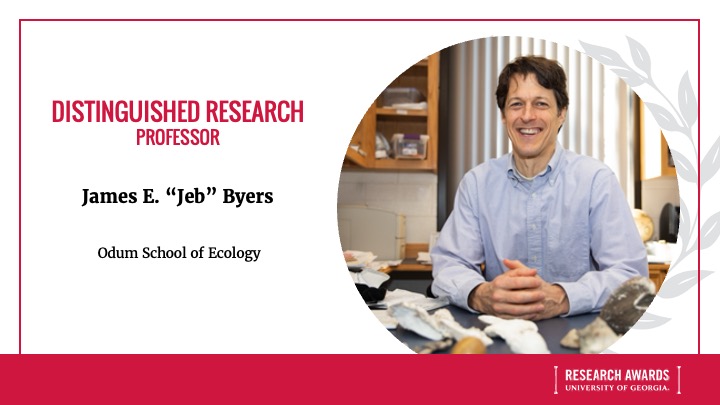
Congrats to Odum's Jeb Byers, named a 2024 Distinguished Research Professor! An internationally prominent scientist in population, community and marine ecology, he is known for quantifying and predicting the success of biological invasions. https://t.co/FqXEcKXMsR @ugaresearch
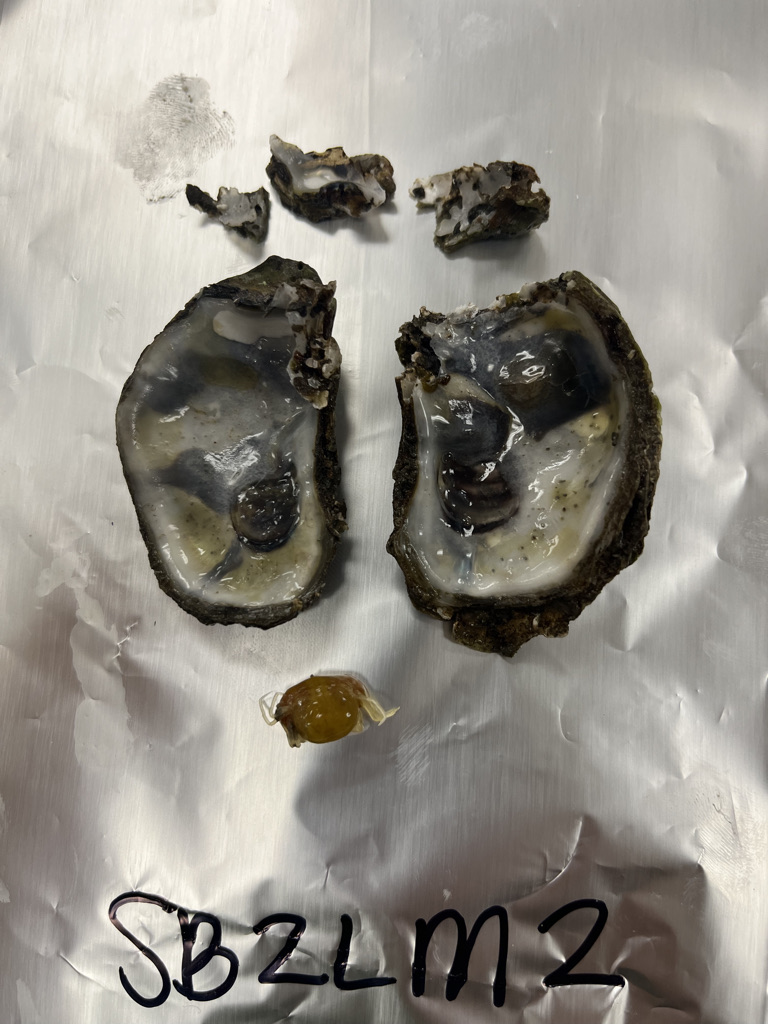
Congratulations to @ByersEcologyLab undergrad Elianna who won best poster presentation a the @UGAEcology Graduate Student Symposium.
Her research examined how mud crabs interact with boring sponge infected oysters.
So proud of all her hard work!
So excited to finally see this paper out in @ConLetters!
We worked collaboratively w/ recreational anglers (@CCFRP) to sample 12 MPAs over 6 years & found evidence to further support age and size matter for fish across a temperate reserve network.
https://t.co/zOFgsPI517
So excited our NERR science collaborative was funded!
We will be comparing the utility of ecological metrics to assess ecosystem function of oyster reefs across 4 reserves along the S. Atlantic Bight.
https://t.co/hZAMQJJLng
Oysters impact water quality, and water quality impacts everyone, which is part of why Shelby Ziegler and Jeb Byers' ongoing oyster disease research is so important.
Learn more about the project, conducted all along Georgia's coast: https://t.co/GBLdO7T7Hc.
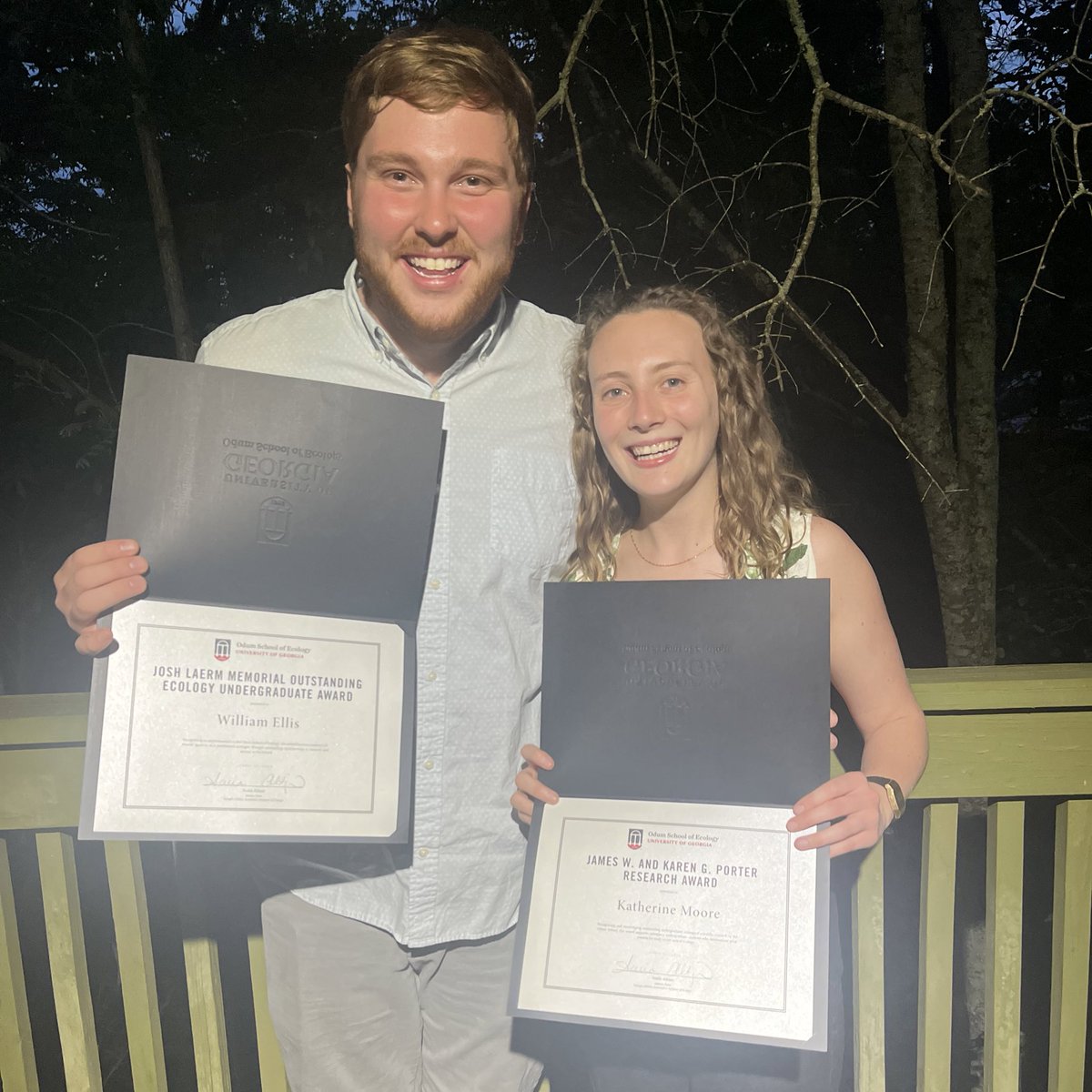
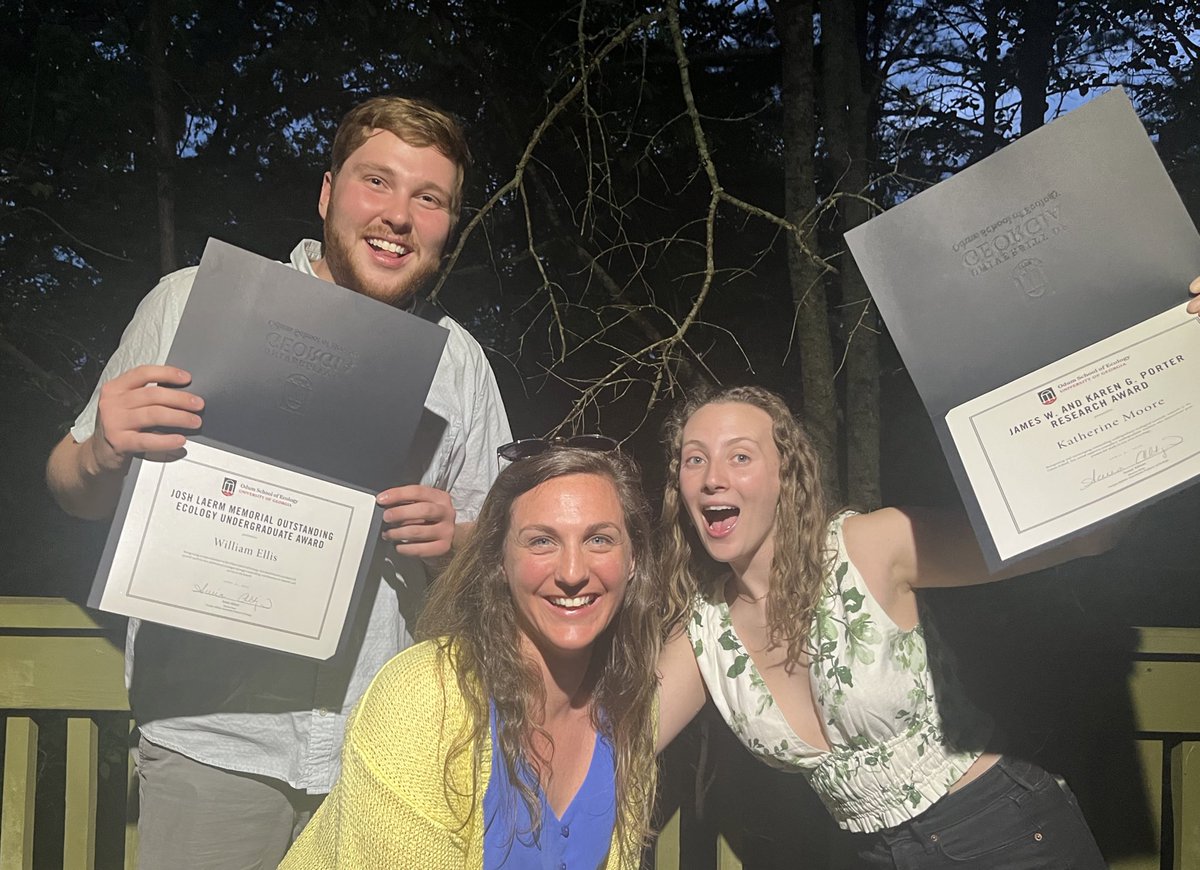
Congrats to @sillEWilly and @katherinem939! They both won @UGAEcology undergraduate awards recognizing their outstanding research and/or service to the school. I am so so proud of them both and am lucky to be their research mentor. @ByersEcologyLab
IN THE NEWS: Odum and @ByersEcologyLab alum Linsey Haram, PhD '18, is lead author of a new study revealing that dozens of species of coastal invertebrate organisms have survived and reproduced on plastic garbage that’s been floating in the ocean for years.
https://t.co/Z0UGGsXAhg
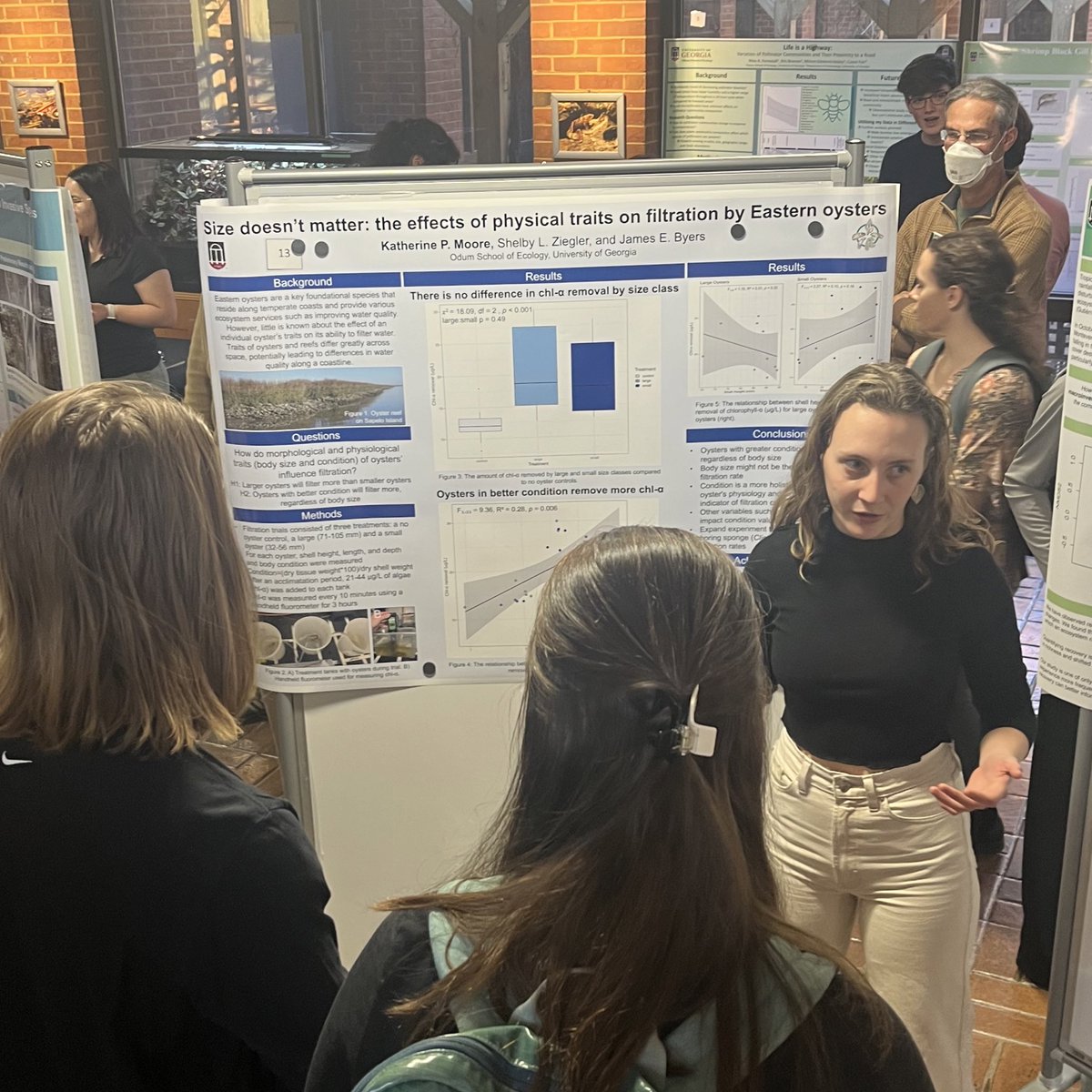
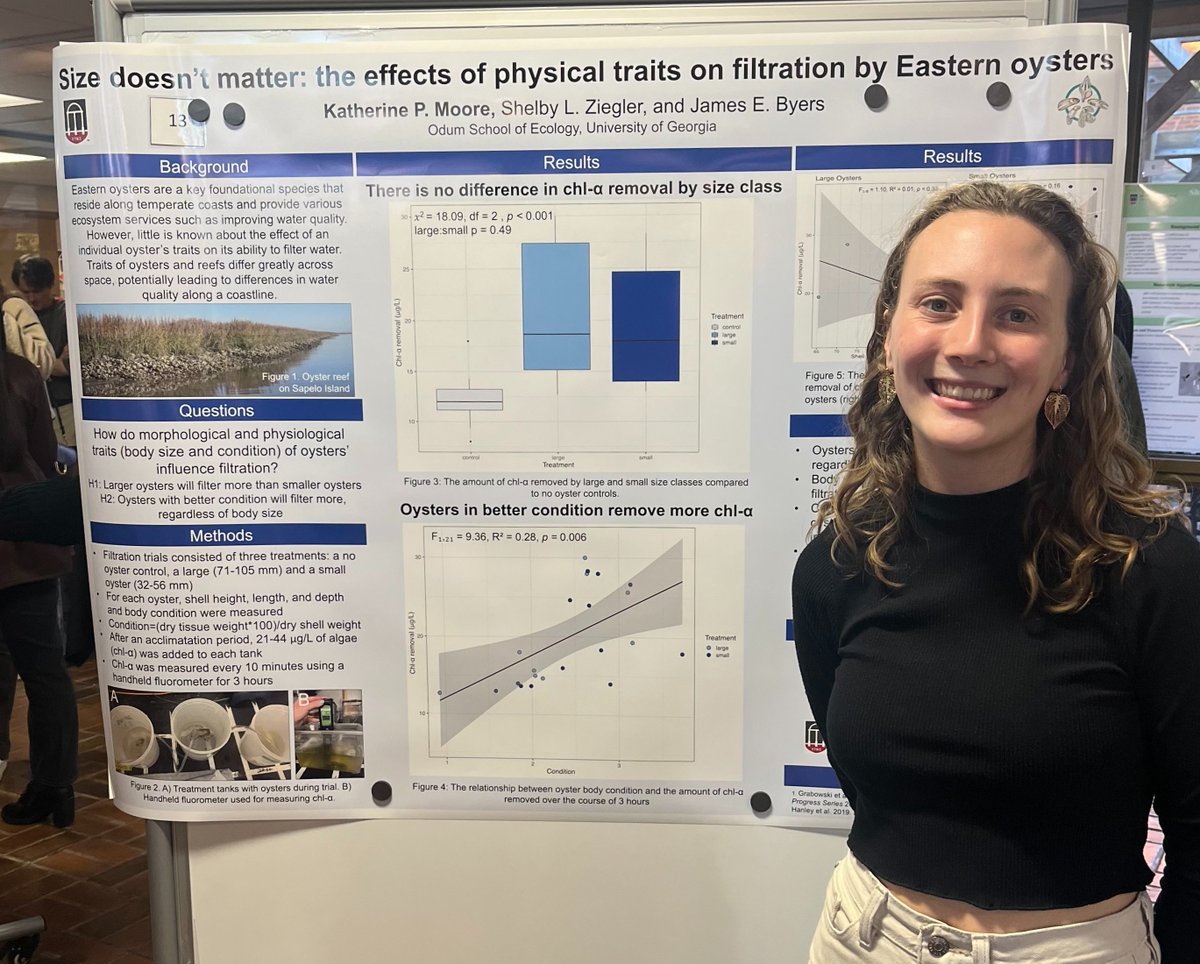
Congratulations to @katherinem939 for winning best undergraduate poster presentation at the UGA Odum School of Ecology Graduate Student Symposium!
Kate's work focuses on how morphological and physiological traits of oysters influence filtration capacity. 🦪🎉 @ByersEcologyLab
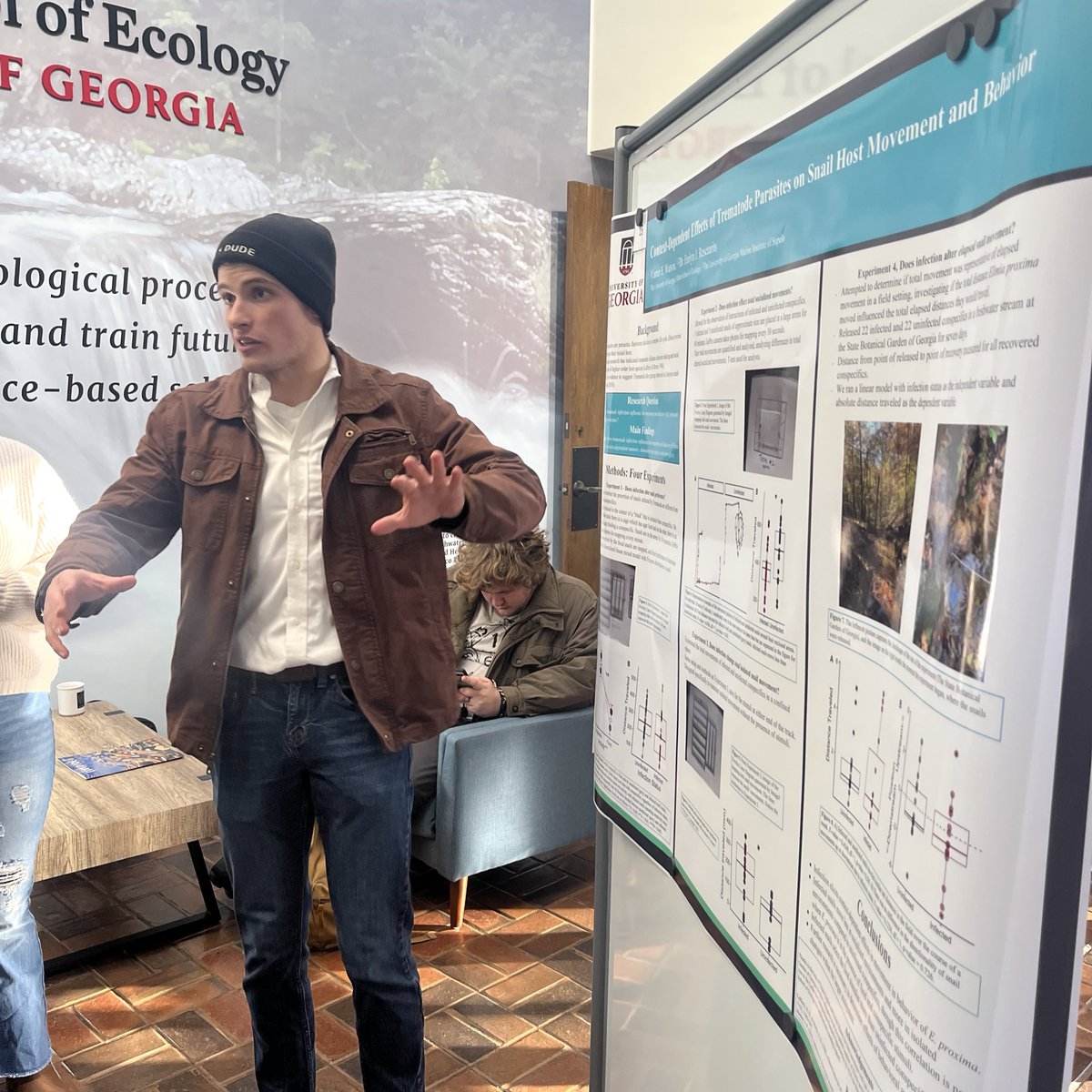
Byers lab undergrads represented at the @UGAEcology GSS poster session last night:
1. Carter- parasites on freshwater snail consumption
2. Kate - body traits & filtration by oysters
3. Elianna - shrimp black gill disease
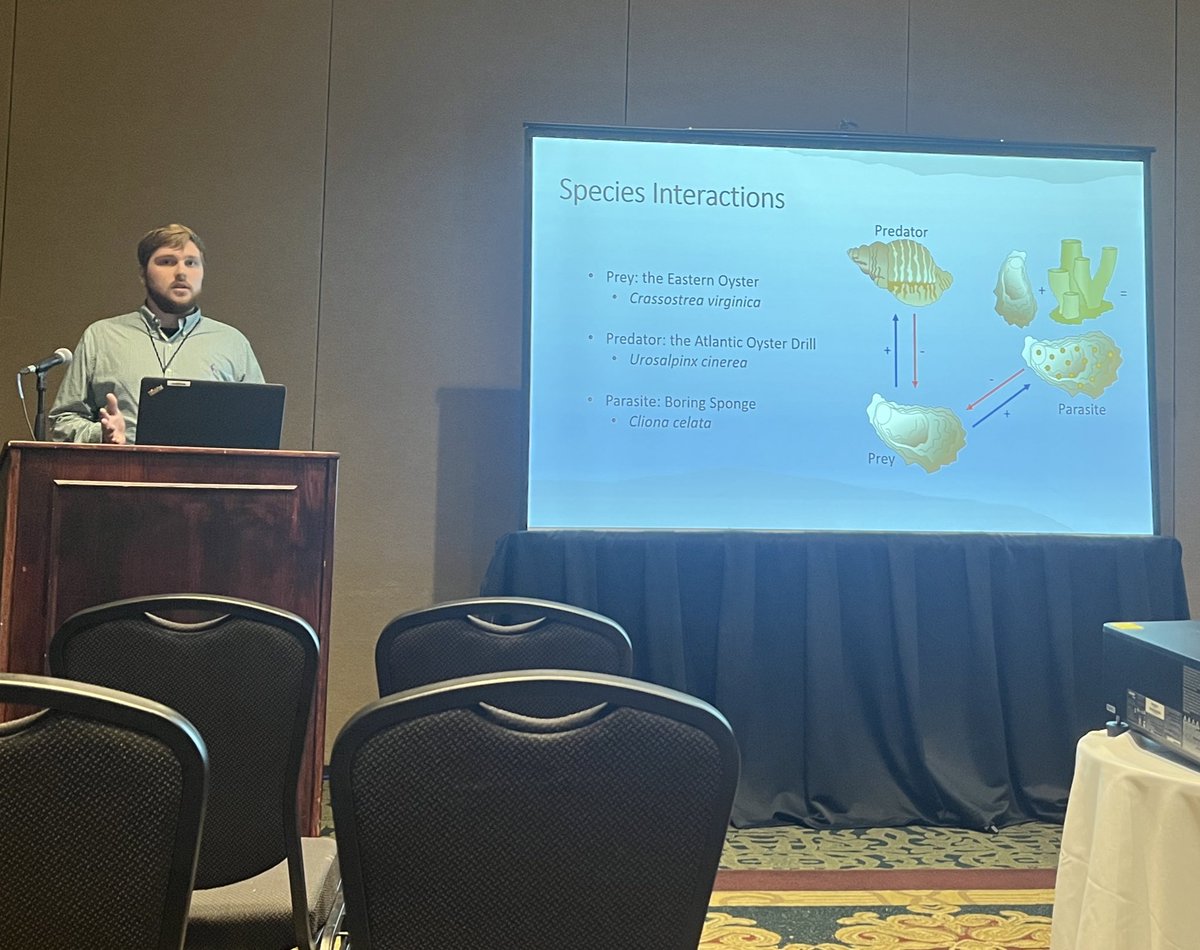
4. Will - oysters parasite on predator-prey interactions
New paper out in #BiologicalReviews exploring interactions between invasive species and hypoxia
https://t.co/N3eBTxttsA
Shout outs to @DR_GRIB@J_Blaze92 H. Hall and A. Dodd
Join us Tomorrow (Aug 30) for Shelby Ziegler’s (@slziegler220) seminar: "Environmental drivers of community structure, food web dynamics, and disease across coastal seascapes." @ByersEcologyLab
We are so excited to announce that PhD Candidate @Jeff_Beauvais was selected as a 2023 #Knauss fellow! He will be heading to DC in February to work with a federal agency on marine policy. Congrats Jeff!
@UGAEcology@UGAICON
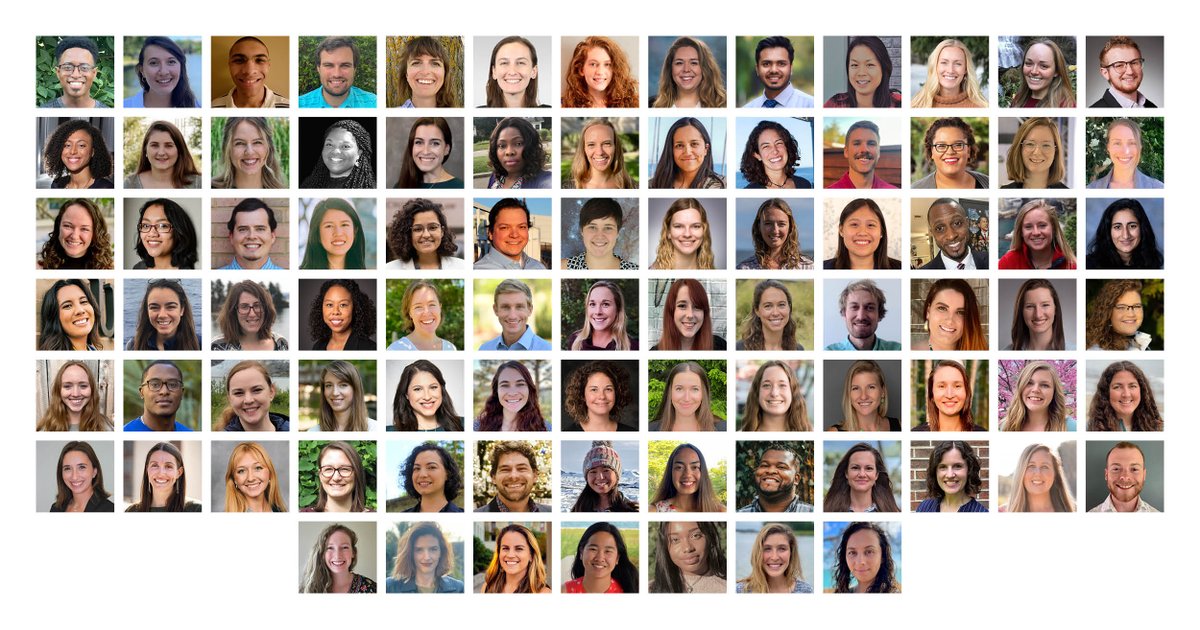
Sea Grant #Knauss fellows bring their diverse perspectives to solving #marine & #coastal#policy challenges at the federal level. Meet the finalists for 2023—86 talented early career professionals—and learn about their different paths to the fellowship: https://t.co/1Wz08SunJw
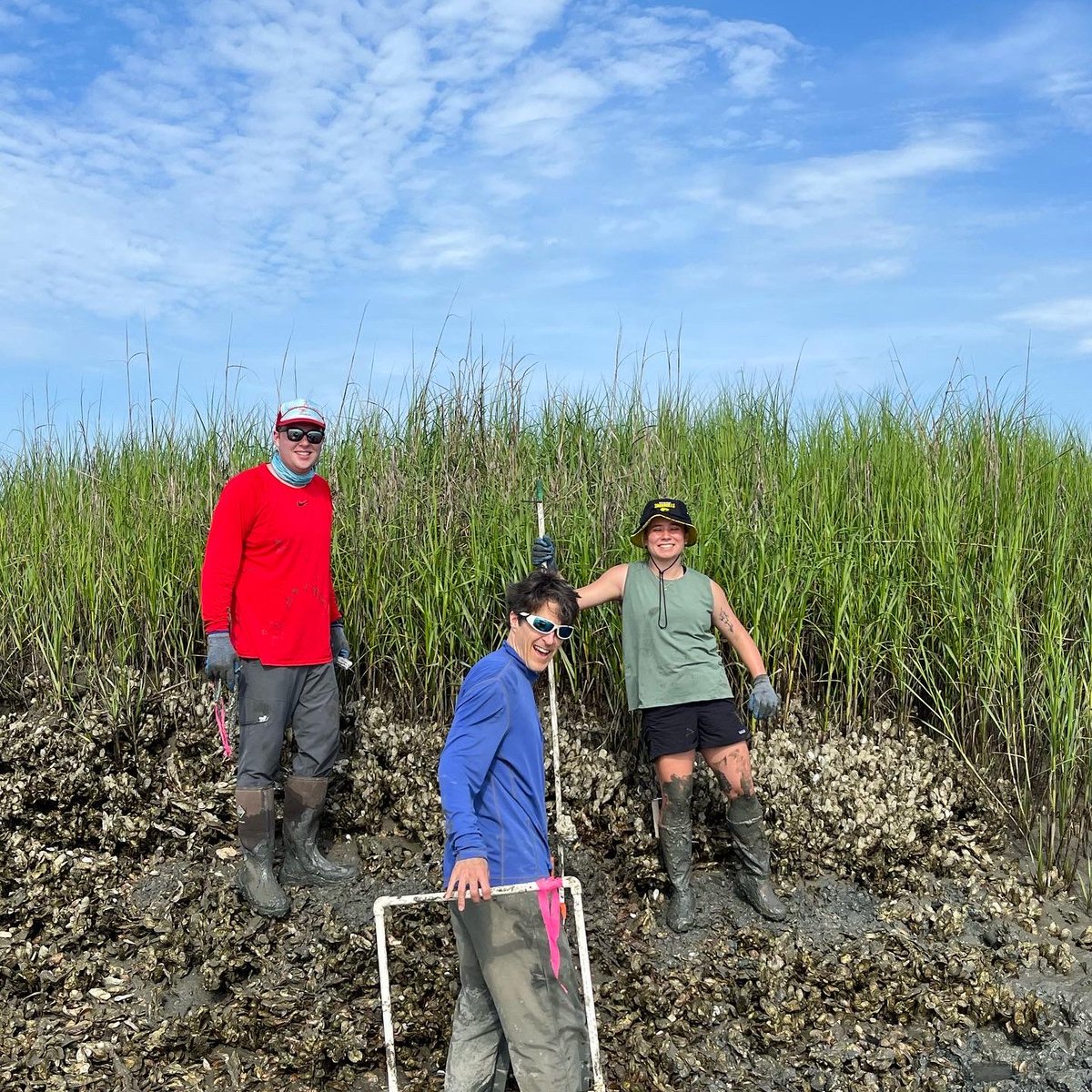
Successful first oyster sampling day for my postdoc research with @ByersEcologyLab. We will be sampling across the entire state of Georgia to assess oyster reef quality and disease. 3 reefs down, 21 to go.
Earlier this week lab members @Jeff_Beauvais and @slziegler220 were down at the coast prepping the boat for field season.
Our lab will be doing a ton of field work this year sampling oyster reefs all over the state.
Who else is ready for summer?
The Great Pacific Garbage Patch is a huge collection of trash floating in the North Pacific Ocean.
And it seems that marine wildlife have found a home in the swirl of garbage, shares Ecologist @LinseyHaram, complicating how we tackle the problem.
https://t.co/rik3LJ0xUj
As of October 2021, the estimated North Atlantic right whale population was just 336 animals. On a positive note, 20 calves were born last year—nearly as many births as the previous four years combined. #InGraphicDetail 🐋📈
https://t.co/9bkXRC3CnZ
New paper alert!🚨
What drives the efficacy of marine reserves for fish communities?
We worked with the community-based science program @CCFRP to sample inside and outside 4 MPAs along the central coast of CA over 14 years.
https://t.co/IVzWMTblBv