SpaceX’s Starlink speed cap is now confirmed at 60-70 km/h on Ukrainian terminals, effectively killing connectivity for all medium-range kamikaze drones: FP-2, Darts, Hornet, RAM-2 and others.
Ukraine uses these drones to hit Russian air defenses, logistics, and infrastructure in Crimea and border regions.
The restriction also impacts Ukraine’s drone interceptors that rely on Starlink to shoot down Russian Shahed-type jets, meaning it weakens both offensive and defensive capabilities.
If the cutoff isn’t a short-term pressure tactic — like the intelligence-sharing suspension in spring 2025 — Ukraine will need to urgently find Starlink alternatives, potentially copying Russia’s use of relay stations and mesh modems, which would take significant time and money.
I can now confirm that yesterday I was notified of my expulsion from Latvia where I lived for 12 years. This, I believe, is a long-brewing revenge by far right politicians for my investigation into their links to Russian neo-Nazis who found refuge in Kyiv and who circulated the manifesto of Christchurch shooter in 2019. It is also a punishment for my commentary on the Russian aggression in Ukraine and for Pavel Sheremet investigation.
The notification doesn’t point to any specific misdemeanours or statements which prompted the decision. I was declared persona non grata, a status designed for diplomats who enjoy immunity from prosecution, not for ordinary people. This was done - as far right politicians who spearheaded the decision openly admit - in order to deny me justice in the Latvian court system: PNG status cannot be appealed in courts. This makes me conclude that I am facing political persecution.
For me it is a huge personal tragedy. I am being evicted from my only beloved home, deprived of my circle of friendship and support. I love Latvia, the land of my ethnic Latvian ancestors, and have no sense of revenge. I will always remain pro-Latvian. It makes me immensely sad that high positions in the Latvian government have been captured by forces whose closest political relation is Putin and who are using Putin’s aggression in Ukraine as a pretext for eroding the rule of law and democracy in the European Union.
My stance on the war in Ukraine remains unchanged. I condemn the Russian aggression and support Ukraine’s sovereignty over occupied territories. Ukraine is a wound in my heart, not a source of political gain as it is for my persecutors. But I’ll continue to criticise Western countries for mishandling this conflict and not acting in the best interests of the Ukrainian people. I shall not be gagged.
Shame on those who understand what is happening but look away or buy into smear campaign waged against me by the pro-war lobby and far right info dumps. One day, they’ll come for you, too.
Attn @RSF_inter@ECPMF
Saudi Arabia remains in shock and without a clear response to the Houthis.
Saudi Arabia began organizing a major offensive against the Houthis, rebuilt ties with the Emirates, and mobilized Turkish and Pakistani forces.
Ground operations backed by strong drone and air support managed to seize positions along the coast. The Saudi air force carried out more than 100 strikes a day at times, and there are reports of Pakistani air force involvement as well.
Until then, the Saudis had been dealing with attacks against their petrochemical infrastructure, including refineries, pumping stations, pipelines, and other targets.
But the atmosphere of tension and vulnerability took hold of the kingdom after Saturday’s attack and the new bombardment on Sunday, which struck the economic heart of the country and its civilian infrastructure, shaking the sense of security Saudi Arabia had been trying to project to the world.
Even with billions invested in American air defense systems, the country proved vulnerable to successive attacks. The Houthi tactic of combining cheap attack drones with more sophisticated missiles repeatedly pierced Riyadh’s protective shields.
The Shaybah Complex, one of Aramco’s most important oil and gas facilities in the Eastern Province, was hit by missiles and drones. The Tanajib Facility, another critical energy installation in the same eastern oil region, was also targeted.
Crown Prince Mohammed bin Salman’s greatest fear is materializing: the economic and reputational impact. These attacks come at a moment of financial pressure, with the government facing deficit projections and budgetary contraction.
Seeing airports closed and smoke over the capital drives away tourism and foreign capital, pillars of the Vision 2030 modernization strategy.
The immediate fear grounded aviation. International airlines are suspending flights, King Khalid International Airport remains closed, and foreign embassies, including the American one, have issued severe alerts restricting the movement of their citizens and staff on Saudi routes.
The Saudi-led coalition promised a decisive response to what it called a war crime.
Yet I reiterate that Saudi options are limited. Entering a prolonged ground war in Yemen would be extremely costly and risky, while relying only on air strikes has not been enough to contain the rebels, who move quickly in small, dispersed units. The Saudi strategy appears focused on attrition, but there is no clear plan for dealing with Houthi tactics.
Even though the kingdom had anticipated the use of missiles against its infrastructure, it is paralyzed, in shock at the Houthis’ audacity and effectiveness.
State television insists on highlighting the advances of allied forces and the destruction of missile platforms in Yemen.
The government also continues to project institutional normality; the media has emphasized that the World Energy Congress, hosted in Riyadh just a few kilometers from the damaged airport, remains confirmed, in an effort to signal stability to international markets.
The panic is real. In several cities in the west and center of the country, residents received official instructions from Civil Defense to seek shelter and stay away from windows due to the risk of new fragments and missiles. The immediate fear altered daily life.
The Saudi Ministry of Education ordered all schools in Riyadh to operate remotely for a week. Residents and travelers report crowded hospitals and the shock of seeing international air traffic completely halted in the capital, while The state media spread the official version of the events.
Riyadh and Dammam have long been seen as fortified strongholds. Watching defenses fail repeatedly against drones and missiles has shaken public confidence.
Read more
https://t.co/6RjcvIAb8v
האסטרטגיה האיראנית: להסלים, להחזיק מעמד ולשחוק את ארצות הברית
ככלל, בראייה האיראנית, המערכה מול ארצות הברית רחוקה מסיום, וטהראן מעריכה כי הזמן פועל לטובתה:
א. המשך המערכה נגד מכליות הנפט - מבחינת איראן, כל עוד מחירי הנפט נותרים גבוהים והלחץ על הכלכלה העולמית ועל הממשל האמריקני נמשך, האסטרטגיה שלה משיגה את מטרתה. לקראת בחירות האמצע בארצות הברית, טהראן רואה בשימור הלחץ הכלכלי מנוף אסטרטגי משמעותי.
ב. הרחבת זירת התקיפות - איראן מעלה הילוך ואינה מסתפקת עוד בתקיפת מכליות במצר הורמוז. התקיפות המדווחות בימים האחרונים נגד מכליות גם בנמלים, לרבות בקטר ובג'דה, משתלבות לכאורה באסטרטגיה איראנית רחבה יותר של פגיעה בנתיבי השיט הדרומיים וביכולת לעקוף את מצר הורמוז.
ג. בחירות האמצע כשיקול אסטרטגי - טהראן מעודדת ממחירי הדלק הגבוהים בארצות הברית ומעריכה כי הם עלולים להכביד על המועמדים הרפובליקנים בבחירות לבית הנבחרים ולסנאט. לכן, מבחינתה, ככל שמתקרבים לבחירות, גובר התמריץ להמשיך ואף להחריף את הלחץ על משק האנרגיה העולמי.
ד. החשש האמריקני מהסלמה - נטישת מדיניות התגובה של "מכלית תמורת מכלית" נתפסת בטהראן כאינדיקציה לכך שהנשיא טראמפ חושש מהסלמה בלתי נשלטת ומהשלכותיה על מחירי הנפט. מבחינת האיראנים, מדובר בסימן לחולשה אמריקנית שעלול דווקא לעודד תקיפות נוספות.
ה. מלחמת התשה כלכלית - אין ספק שהמצור הימי גובה מחיר כבד מהכלכלה האיראנית, שמצבה קשה ממילא. אולם בטהראן מעריכים כי במבחן הסיבולת האסטרטגית, איראן תוכל להחזיק מעמד זמן רב יותר מהממשל האמריקני. ההנחה האיראנית היא שהרגישות האמריקנית למחירי האנרגיה, ללחצים הפוליטיים ולעלות המערכה תגבר בסופו של דבר על יכולתה של וושינגטון להמשיך במדיניות הנוכחית.
ו. העלות האמריקנית של המצור - ארצות הברית משקיעה משאבים צבאיים וכלכליים אדירים בשימור המצור הימי ובאבטחת התנועה במפרץ. מבחינת טהראן, השאלה אינה רק אם וושינגטון מסוגלת להמשיך בכך, אלא כמה זמן תהיה מוכנה להקצות מיליארדי דולרים ומשאבים צבאיים משמעותיים למערכה שאינה מביאה לכניעה איראנית, ובמקביל תורמת לשימור מחירי הנפט הגבוהים.
ז. הזירה התימנית כמכפיל כוח - המערכה בתימן מסייעת לאיראן להרחיב את הלחץ על שוק האנרגיה. הפגיעה במתקני ארמקו והאיום על מעבר מכליות סעודיות בנתיבי השיט הדרומיים מצמצמים את יכולתה של סעודיה לשמש חלופה אפקטיבית לנתיב הורמוז. מבחינת טהראן, מדובר ביתרון אסטרטגי משמעותי, גם אם החות'ים פועלים מתוך מערכת שיקולים עצמאית משלהם.
ח. האם טהראן מעריכה נכון את יכולתה לעמוד במצוקה הכלכלית הקשה, או שמא הממשל האמריקני הוא זה שמבצע הערכת יתר ביחס ליכולתו להביא לקריסת המשטר האיראני באמצעות לחץ כלכלי בלבד? אין לכך תשובה חד-משמעית. אולם מה שברור הוא שכל אחד מהצדדים משוכנע בצדקת דרכו וביכולתו לכפות על הצד השני לשנות את מדיניותו. לכן, בנקודת הזמן הנוכחית, הסבירות להסדרה מדינית לפני הסלמה נוספת נראית נמוכה.
ט. הפער בין הצדדים נותר עמוק. בעוד שממשל טראמפ מבקש להתקדם לעסקה גרעינית רחבה, מתוך הנחה שסוגיית מצר הורמוז ניתנת לניהול גם ללא הסדרה מוקדמת, בטהראן מסרבים לדון בסוגיית הגרעין לפני שארצות הברית תסיר את המצור הימי. בהקשר זה, הדיווחים בארצות הברית שלפיהם הנשיא טראמפ שוקל תקיפה נוספת באיראן עשויים לשקף הבנה המחלחלת בממשל שלחץ כלכלי לבדו לא יספיק כדי להביא לכניעה איראנית. אלא שכאן בדיוק טמונה הבעיה האסטרטגית: גם אם לחץ כלכלי אינו מספיק כדי לכפות על טהראן לשנות את מדיניותה, אין פירוש הדבר שהסלמה צבאית תשיג את היעד הזה, ובוודאי שאין ערובה לכך שתביא להפלת המשטר.
י. למעשה, הסכנה היא ששני הצדדים שבויים בהנחות עבודה מנוגדות, אך בעייתיות באותה מידה: וושינגטון מאמינה שהגברת הלחץ תוביל בסופו של דבר לכניעה איראנית, ואילו טהראן משוכנעת שהמשך ההתשה יאלץ את ארצות הברית לסגת מדרישותיה. כאשר שני הצדדים משוכנעים שהזמן פועל לטובתם, אך אף אחד מהם אינו מוכן לשנות את תנאיו להסדרה, הדרך להסלמה נוספת הופכת לקצרה במיוחד.
בשורה התחתונה איראן אינה מתכוונת לוותר. המצור הימי אכן פוגע קשות בכלכלתה, אך בינתיים הוא אינו מביא לכניעתה אלא דווקא לתגובה איראנית מסלימה. הבעיה המרכזית של הממשל האמריקני היא שהלחץ הכלכלי אינו מתורגם בהכרח להישג אסטרטגי. טהראן מאמינה כי באמצעות שילוב של סיבולת, הסלמה מדודה ופגיעה מתמשכת במשק האנרגיה העולמי, היא תוכל לכפות על וושינגטון לשנות את מדיניותה. מבחינת איראן, המטרה אינה רק הסרת המצור הימי, אלא שינוי יסודי של מאזן הכוחות במזרח התיכון, ובראש ובראשונה צמצום משמעותי של הנוכחות הצבאית האמריקנית באזור.
לכן, כל עוד לא ייפתח אופק מדיני, ההנחה האיראנית היא שהמשך ההסלמה ישרת את יעדיה טוב יותר מוויתורים תחת לחץ. וזו בדיוק הסכנה: מה שנתפס בוושינגטון כאמצעי לכפיית ויתורים נתפס בטהראן כהזדמנות לשחוק את ארצות הברית ולכפות עליה מציאות אסטרטגית חדשה.
האסטרטגיה האיראנית: להסלים, להחזיק מעמד ולשחוק את ארצות הברית
ככלל, בראייה האיראנית, המערכה מול ארצות הברית רחוקה מסיום, וטהראן מעריכה כי הזמן פועל לטובתה:
א. המשך המערכה נגד מכליות הנפט - מבחינת איראן, כל עוד מחירי הנפט נותרים גבוהים והלחץ על הכלכלה העולמית ועל הממשל האמריקני נמשך, האסטרטגיה שלה משיגה את מטרתה. לקראת בחירות האמצע בארצות הברית, טהראן רואה בשימור הלחץ הכלכלי מנוף אסטרטגי משמעותי.
ב. הרחבת זירת התקיפות - איראן מעלה הילוך ואינה מסתפקת עוד בתקיפת מכליות במצר הורמוז. התקיפות המדווחות בימים האחרונים נגד מכליות גם בנמלים, לרבות בקטר ובג'דה, משתלבות לכאורה באסטרטגיה איראנית רחבה יותר של פגיעה בנתיבי השיט הדרומיים וביכולת לעקוף את מצר הורמוז.
ג. בחירות האמצע כשיקול אסטרטגי - טהראן מעודדת ממחירי הדלק הגבוהים בארצות הברית ומעריכה כי הם עלולים להכביד על המועמדים הרפובליקנים בבחירות לבית הנבחרים ולסנאט. לכן, מבחינתה, ככל שמתקרבים לבחירות, גובר התמריץ להמשיך ואף להחריף את הלחץ על משק האנרגיה העולמי.
ד. החשש האמריקני מהסלמה - נטישת מדיניות התגובה של "מכלית תמורת מכלית" נתפסת בטהראן כאינדיקציה לכך שהנשיא טראמפ חושש מהסלמה בלתי נשלטת ומהשלכותיה על מחירי הנפט. מבחינת האיראנים, מדובר בסימן לחולשה אמריקנית שעלול דווקא לעודד תקיפות נוספות.
ה. מלחמת התשה כלכלית - אין ספק שהמצור הימי גובה מחיר כבד מהכלכלה האיראנית, שמצבה קשה ממילא. אולם בטהראן מעריכים כי במבחן הסיבולת האסטרטגית, איראן תוכל להחזיק מעמד זמן רב יותר מהממשל האמריקני. ההנחה האיראנית היא שהרגישות האמריקנית למחירי האנרגיה, ללחצים הפוליטיים ולעלות המערכה תגבר בסופו של דבר על יכולתה של וושינגטון להמשיך במדיניות הנוכחית.
ו. העלות האמריקנית של המצור - ארצות הברית משקיעה משאבים צבאיים וכלכליים אדירים בשימור המצור הימי ובאבטחת התנועה במפרץ. מבחינת טהראן, השאלה אינה רק אם וושינגטון מסוגלת להמשיך בכך, אלא כמה זמן תהיה מוכנה להקצות מיליארדי דולרים ומשאבים צבאיים משמעותיים למערכה שאינה מביאה לכניעה איראנית, ובמקביל תורמת לשימור מחירי הנפט הגבוהים.
ז. הזירה התימנית כמכפיל כוח - המערכה בתימן מסייעת לאיראן להרחיב את הלחץ על שוק האנרגיה. הפגיעה במתקני ארמקו והאיום על מעבר מכליות סעודיות בנתיבי השיט הדרומיים מצמצמים את יכולתה של סעודיה לשמש חלופה אפקטיבית לנתיב הורמוז. מבחינת טהראן, מדובר ביתרון אסטרטגי משמעותי, גם אם החות'ים פועלים מתוך מערכת שיקולים עצמאית משלהם.
ח. האם טהראן מעריכה נכון את יכולתה לעמוד במצוקה הכלכלית הקשה, או שמא הממשל האמריקני הוא זה שמבצע הערכת יתר ביחס ליכולתו להביא לקריסת המשטר האיראני באמצעות לחץ כלכלי בלבד? אין לכך תשובה חד-משמעית. אולם מה שברור הוא שכל אחד מהצדדים משוכנע בצדקת דרכו וביכולתו לכפות על הצד השני לשנות את מדיניותו. לכן, בנקודת הזמן הנוכחית, הסבירות להסדרה מדינית לפני הסלמה נוספת נראית נמוכה.
ט. הפער בין הצדדים נותר עמוק. בעוד שממשל טראמפ מבקש להתקדם לעסקה גרעינית רחבה, מתוך הנחה שסוגיית מצר הורמוז ניתנת לניהול גם ללא הסדרה מוקדמת, בטהראן מסרבים לדון בסוגיית הגרעין לפני שארצות הברית תסיר את המצור הימי. בהקשר זה, הדיווחים בארצות הברית שלפיהם הנשיא טראמפ שוקל תקיפה נוספת באיראן עשויים לשקף הבנה המחלחלת בממשל שלחץ כלכלי לבדו לא יספיק כדי להביא לכניעה איראנית. אלא שכאן בדיוק טמונה הבעיה האסטרטגית: גם אם לחץ כלכלי אינו מספיק כדי לכפות על טהראן לשנות את מדיניותה, אין פירוש הדבר שהסלמה צבאית תשיג את היעד הזה, ובוודאי שאין ערובה לכך שתביא להפלת המשטר.
י. למעשה, הסכנה היא ששני הצדדים שבויים בהנחות עבודה מנוגדות, אך בעייתיות באותה מידה: וושינגטון מאמינה שהגברת הלחץ תוביל בסופו של דבר לכניעה איראנית, ואילו טהראן משוכנעת שהמשך ההתשה יאלץ את ארצות הברית לסגת מדרישותיה. כאשר שני הצדדים משוכנעים שהזמן פועל לטובתם, אך אף אחד מהם אינו מוכן לשנות את תנאיו להסדרה, הדרך להסלמה נוספת הופכת לקצרה במיוחד.
בשורה התחתונה איראן אינה מתכוונת לוותר. המצור הימי אכן פוגע קשות בכלכלתה, אך בינתיים הוא אינו מביא לכניעתה אלא דווקא לתגובה איראנית מסלימה. הבעיה המרכזית של הממשל האמריקני היא שהלחץ הכלכלי אינו מתורגם בהכרח להישג אסטרטגי. טהראן מאמינה כי באמצעות שילוב של סיבולת, הסלמה מדודה ופגיעה מתמשכת במשק האנרגיה העולמי, היא תוכל לכפות על וושינגטון לשנות את מדיניותה. מבחינת איראן, המטרה אינה רק הסרת המצור הימי, אלא שינוי יסודי של מאזן הכוחות במזרח התיכון, ובראש ובראשונה צמצום משמעותי של הנוכחות הצבאית האמריקנית באזור.
לכן, כל עוד לא ייפתח אופק מדיני, ההנחה האיראנית היא שהמשך ההסלמה ישרת את יעדיה טוב יותר מוויתורים תחת לחץ. וזו בדיוק הסכנה: מה שנתפס בוושינגטון כאמצעי לכפיית ויתורים נתפס בטהראן כהזדמנות לשחוק את ארצות הברית ולכפות עליה מציאות אסטרטגית חדשה.
Syria sending troops to Yemen may seem like a win-win for DC but it will only make the situation worse & lead to more chaos & potentially embolden Al-Qaeda in Yemen.
The foreign fighters & hardcore Salfi Jihadis who were members of AQ in Syria that have transitioned into the Syrian military are a major risk to Sharaa due to how hard they are to control.
Sharaa & DC likely view shipping these undesirables off to the meat grinder in Yemen to fight against the Houthis as a great way to get them out of Syria, and for Syria that maybe true.
If America supports this we are providing Al-Qaeda in the Arabian Peninsula with a fresh batch of battle hardened troops. AQAP is the AQ branch the most focused on operations against the homeland.
Turning Yemen into a the new Pakistan circa 1980s will inevitably blowback on us like it always does.
Using Sharaa to export Salfis Jihadis could also result in Hezbollah and/or the Iraqi militias taking strikes at Sharaa / Damascus.
We should be trying to stop the regional war, not expand it.
History shows us that any short term gain will likely result in a strategic disaster later.
Eritrea is invading Ethiopia to create a buffer zone.
Yes, Eritrea has launched a military incursion into Ethiopia.
Local residents confirmed that uniformed Eritrean soldiers, equipped with heavy weapons, crossed the border and pushed deep into Tigray, moving through major towns such as Adigrat.
Witnesses told the BBC and Al Jazeera they saw dozens of uniformed Eritrean troops advancing along strategic roads in Tigray, positioning themselves exactly in the areas where the Ethiopian army has been fighting the new coalition of armed rebels.
The Ethiopian army has already responded, striking Eritrean military convoys with drones.
Experts from the international conflict-monitoring project ACLED confirmed that Ethiopia’s federal army carried out drone strikes against vehicles carrying Eritrean soldiers in the locality of Guada, after they crossed the border through Zelambessa heading south.
Residents of Edaga Hamus also reported witnessing these airstrikes against the Eritrean troops.
In a separate line of action, weapons and ammunition seizures are one of the central pillars of Ethiopia’s accusations against Eritrea.
Ethiopia’s federal police publicly confirmed the interception of thousands of rounds of ammunition and weapons shipments allegedly sent clandestinely by the Eritrean government, according to reports from Ethiopian authorities.
The trend is for the fighting to intensify, and for the two countries to be at war within weeks.
Eritrea knows Ethiopian troops are performing well against the rebel alliance. It has ordered Tigrayan forces to pull back into more protected areas while mobilizing its own army to support the rebels.
Eritrea is convinced that a victory over the rebels would put Ethiopia on the path to an invasion aimed at securing its own access to the sea.
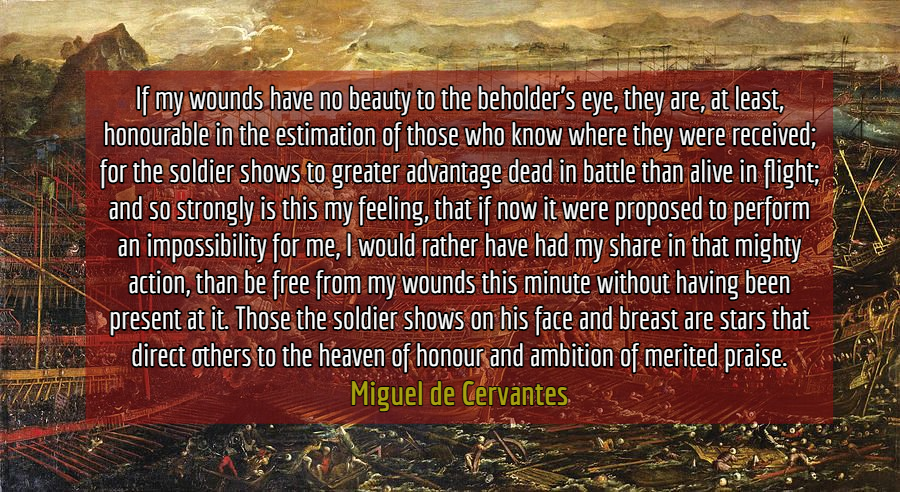
Cervantes was more proud of fighting at Lepanto than of all the books he wrote.
I he had to choose, he would have rather been remembered as a soldier who fought at Lepanto than being remembered as one of the greatest writers ever.
Such was the glory of this battle.
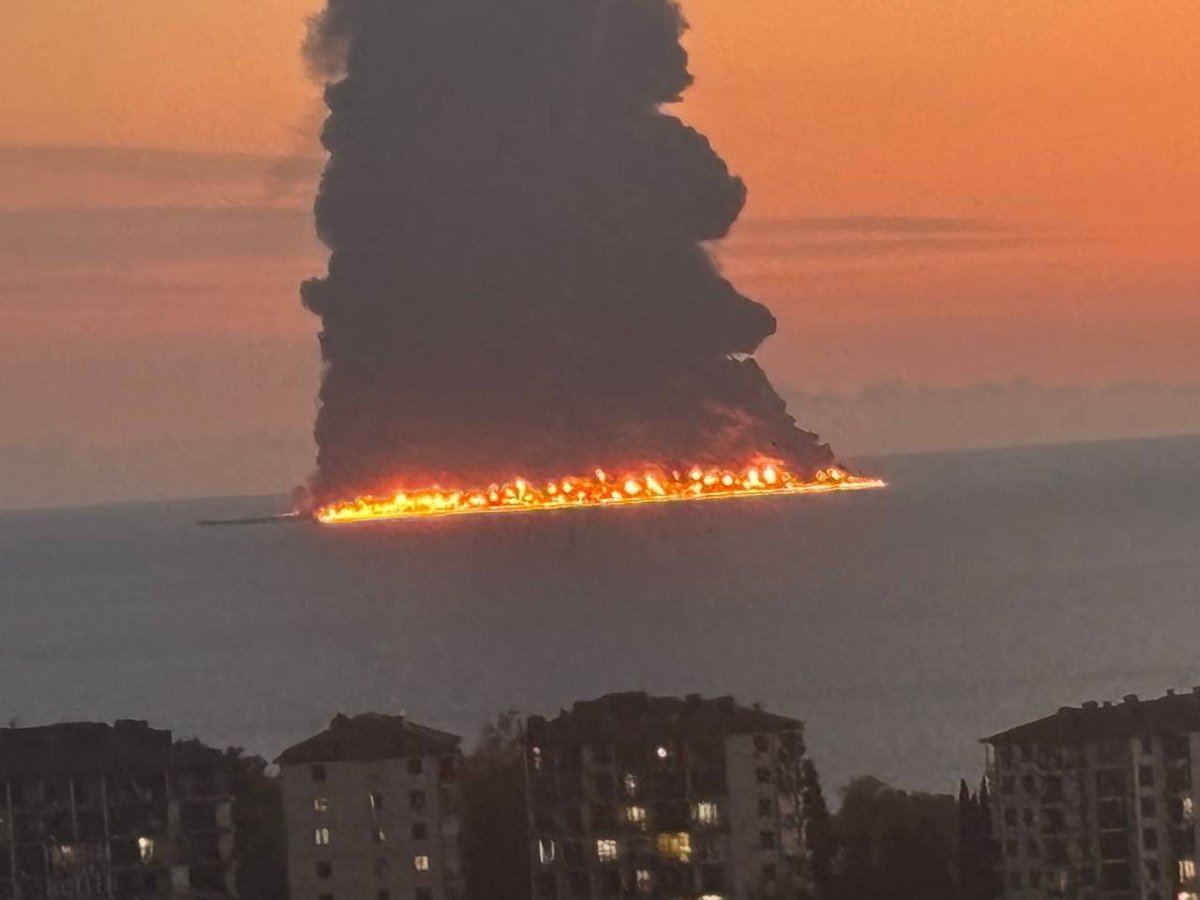
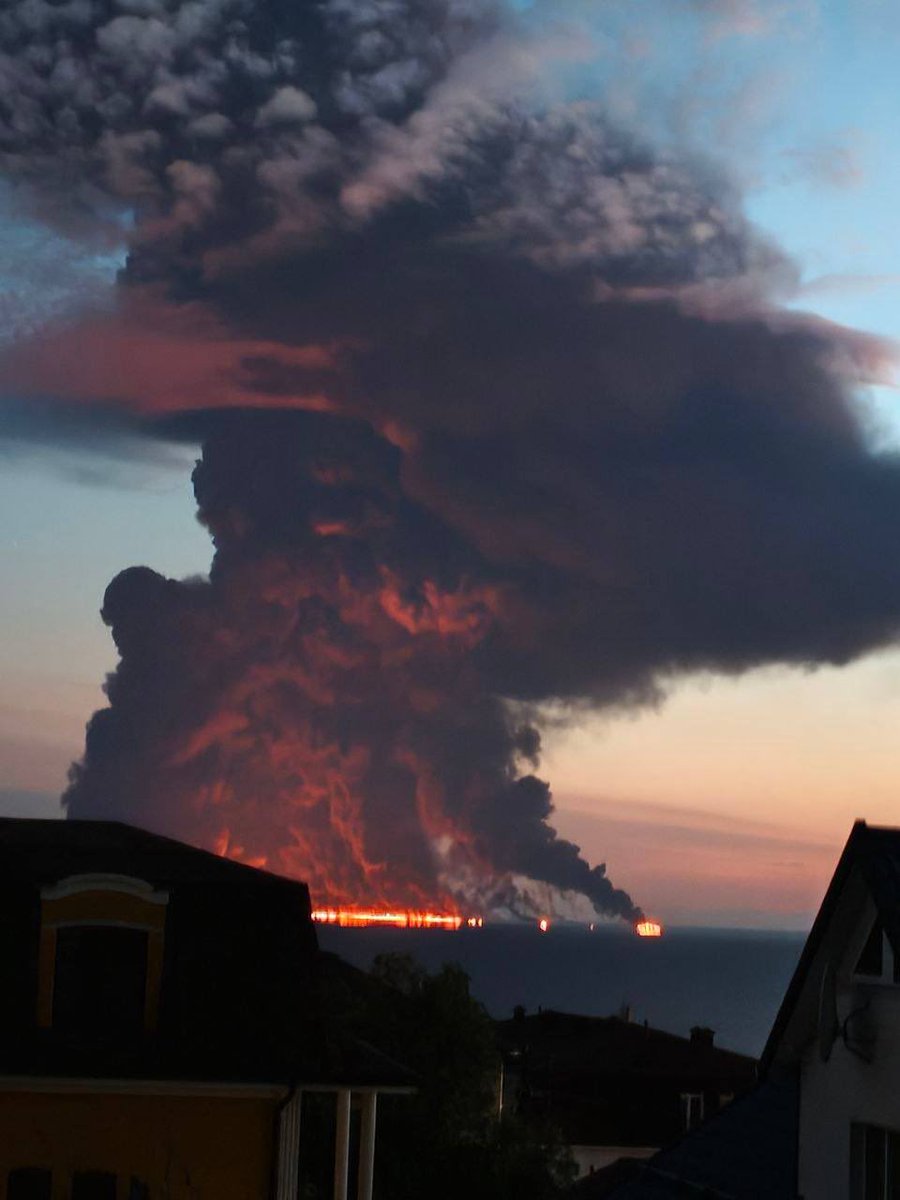
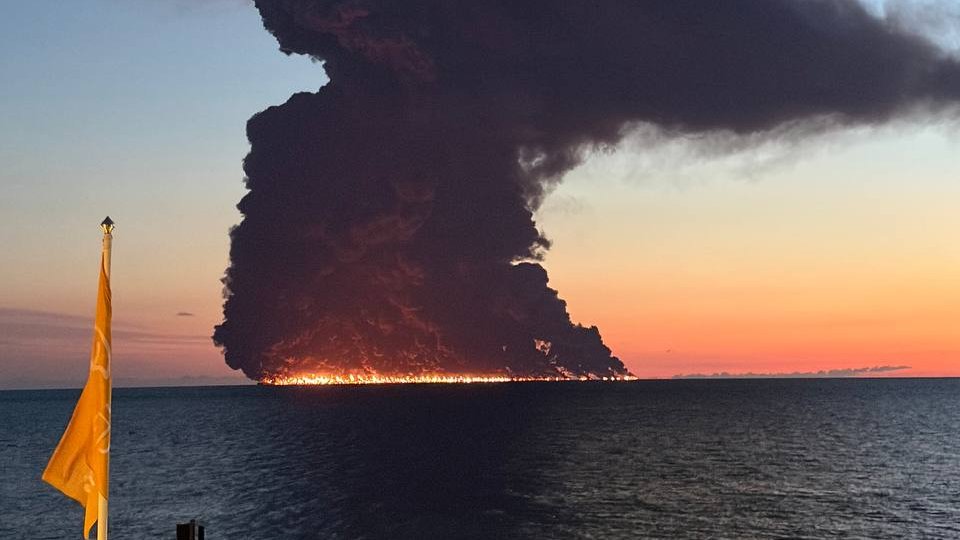
BREAKING: Ukraine has just struck an oil tanker, which is now burning off the coast of Sochi in Russia's Krasnodar region, with a massive fire and a black smoke column rising several kilometres.
#Taldíacomohoy 1571 tuvo lugar «la más memorable y alta ocasión que vieron los pasados siglos, ni esperan ver los venideros» La batalla de #Lepanto donde pelearía encuadrado en los #Tercios embarcados Miguel de #Cervantes. #EfeméridesEjército 🇪🇸
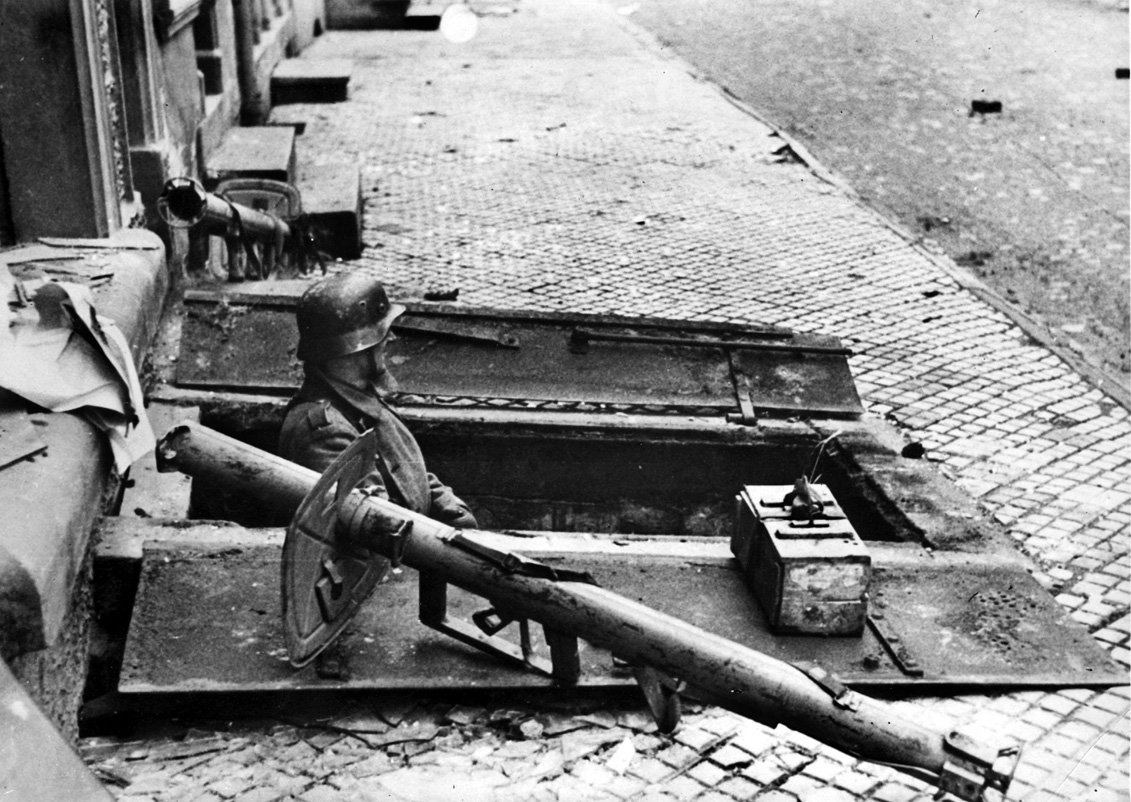
THE MEAT GRINDER.
The US Army enters the Hürtgen Forest today.
Omar Bradley and Hodges' meat grinder, where the top brass shows it is just as wasteful and incompetent as during WWI.
Two regiments fight for five days to advance just one mile to the first clearing in the forest. The 9th Infantry Division then takes 10 days to push another mile. This two-mile advance costs almost 5,000 casualties.
Below is Hill 400, the site of some of the battle's worst combat.
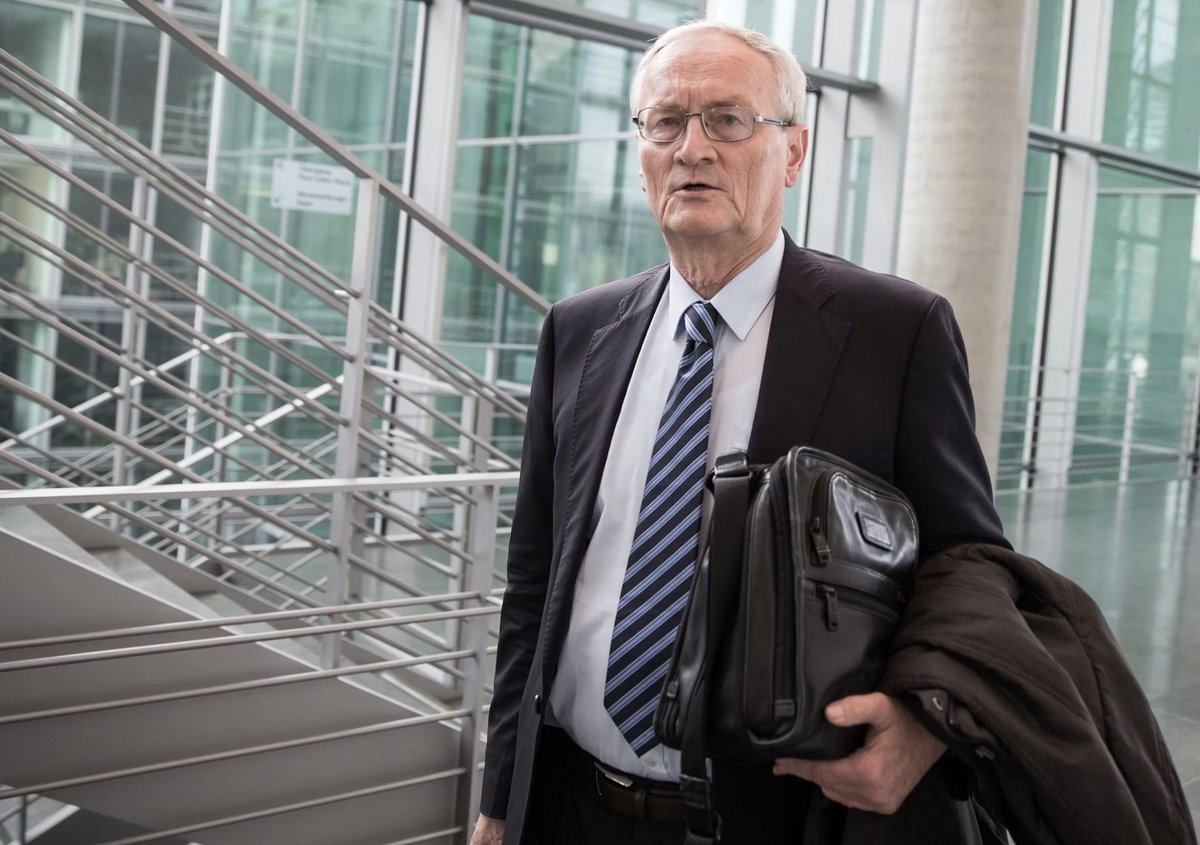
Former BND chief August Hanning has been arrested on suspicion of espionage and leaking state secrets.
German media reported that Hanning, who led Germany’s foreign intelligence agency from 1998 to 2005, allegedly received classified documents from an informant in exchange for money.
Federal prosecutors are reportedly investigating him for espionage against the state, disclosure of state secrets, attempted treason and acting as a secret service agent.
🇾🇪 Ansar Allah appears to have reversed the Saudi-backed advance on Yemen's Red Sea coast within 24 hours. Its fighters posted videos from Dhubab, a town in Taiz province between the Bab al-Mandab strait and the port of Mocha, which Ansar Allah took in mid-September, and pro-Saudi mercenary accounts said had been seized once again by the internationally recognized mercenaries on Monday.
Researcher @bonzerbarry noted this morning that the coastal strip is flat, open desert. With heavy air cover, light armored vehicles can advance quickly along it, but the ground is hard to hold. Mountains just inland, in the Al-Wazi'iyah highlands, overlook the plain. Unless government forces push up into those mountains, Ansar Allah, whose strength has always been mountain warfare, can come down and "swiftly" push them back out.
The war being fought in Yemen should not be measured by advances alone.
This is a war of constant strategic contestation under a heavy fog of war. It has to be read through arsenals, logistical, financial resilience, and the innovation capable of offsetting advantages on both sides.
The Houthis’ speed is a serious challenge for the Yemeni forces backed by Saudi Arabia and the Emirates. They move in dispersed convoys of hundreds of 4x4s at high speed, supported by drones and missiles.
That approach has proven effective. As in Ethiopia, drone swarms here are not operated the way they are in Ukraine.
Logistics centers, however, remain targets for Saudi air power.
This will not be the civil war fought years ago. It will be long, and the economic damage will be immense.
A lot of western leftists look at Brazil (and other places) and see it as some abstract fun ideological laboratory, relevant solely through the prism of the issues they prioritize from a distance (US imperialism, Israel, the viability socialism in Latin America, etc. etc.).
In reality, tens of millions of poor people, black people, working-class Brazilians, etc. voted for Bolsonaro again (just as their American counterparts voted for Trump). If you talk to random apolitical people, what they worry about is not what the David Adlers worry about when jetting into Brazil, but rather what plagues their daily lives: extreme levels of street violence, drug gangs, economic misery, lack of good education and health care for their kids, etc.
You can lecture them all they want that Lula is better for them but they've been hearing that forever. Lula and his party have been in the presidency in Brazil for 20 of the last 26 years. Younger people don't know and don't care about the inspiring mythology and iconography of Lula.
They just don't think the government cares about their lives and so blame those in power: same story throughout the democratic world. It's not ultimately all that complicated.
Turkey’s decision to send troops and equipment to Saudi Arabia, just as Pakistan has already been doing, lines up with what I have been reporting: preparations are underway for a major offensive, in which both Turkish and Pakistani forces will operate covertly on the front under flags that are not their own.
This move consolidates the Mecca Pact as a solid arrangement, one that is set to expand.
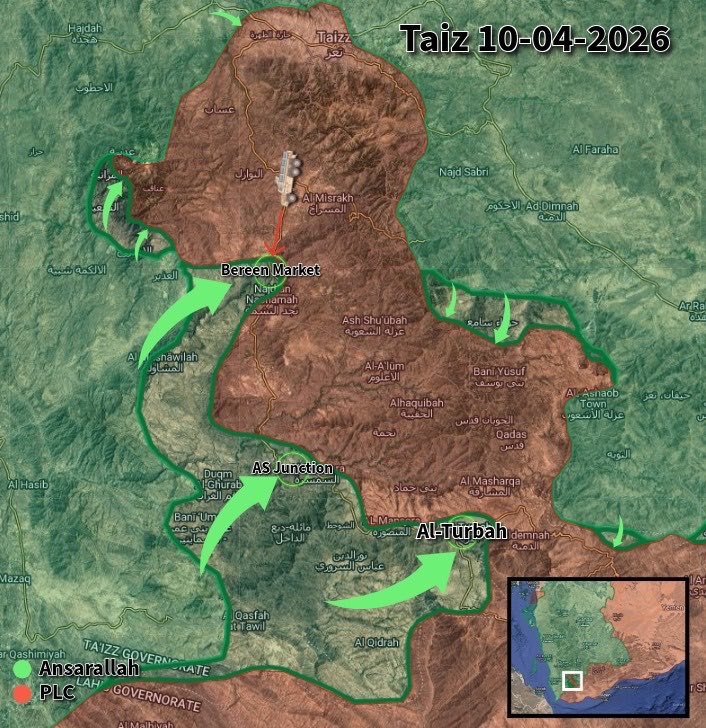
Ansarallah moves to cut off the last road out of Taiz in multiple areas.
Sky News and the Sana'a-based SABA News agency report that Ansarallah has taken control of the strategic mountainous crossroad of Al-Turbah. They have also entered the Al-Safiya junction to the west, granting them control of 25 kilometers of the Taiz-Turbah road. Simultaneously, OSINT sources indicate that Ansarallah has entered the Bereen Market to the north, further cutting off the last road out of Taiz city and delaying the southbound Saudi-backed Presidential Leadership Council (PLC) reinforcements.
▪️Report by @bonzerbarry
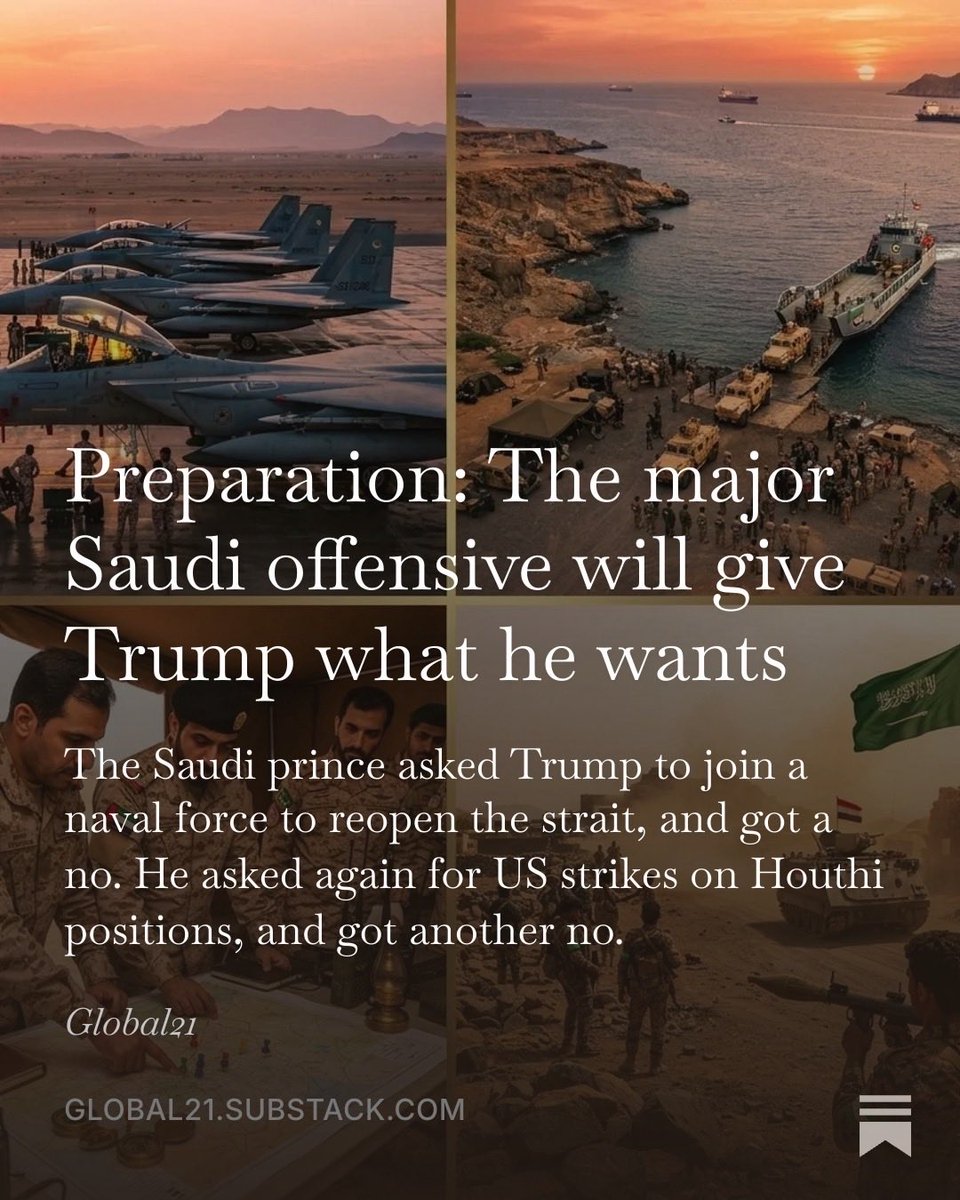
Preparation: The major Saudi offensive will give Trump what he wants
Saudi Arabia is planning a large-scale operation against the Houthis in Yemen, to contain the attacks and the naval blockade the group imposed in the Red Sea.
The Saudi leadership has already approved the operational plans, under study for weeks. What forced Riyadh to move was the escalation.
The Houthis stepped up strikes directly on the Saudi capital, hit Aramco complexes in Riyadh, the port of Yanbu and other strategic targets, and cut Saudi exports. The kingdom had to answer.
The Saudi-led coalition intensified bombings in Sanaa, Saada and Taiz. It is still carrying a humiliating defeat from weeks ago, when the Houthis took almost the entire Red Sea coast in less than 72 hours.
The Saudis have been meeting the Turks and the Pakistanis and sketching a way to deal with the Houthis. The real shift was the rapprochement with the Emirates, built for this operation.
Saudi Arabia and the UAE will put the anti-Houthi factions and local militias they trained back into the field. The ground push stands or falls on those forces.
The advance on the ground, with the armored vehicles, will be done by the anti-Houthi Yemeni militias, the official government forces and the southern separatists. Riyadh and Abu Dhabi supplied the weapons and the light armor so that more than 100,000 Yemeni fighters do the physical advance.
Saudi Arabia will use its fighters and missiles heavily for the opening strikes and fire support. Drones are already over Yemen, watching and striking.
The Saudis and advisers from the Mecca pact want a limited coastal assault, stuck to the littoral, to retake Bab el-Mandeb, at the same time as ground attacks through Al-Bayda, Marib, Taiz and Al-Jawf, pushing the Houthis on several fronts at once.
The STC forces were politically beaten by the Saudis months ago, but those militias still answer to Abu Dhabi’s money. Riyadh needs the Emirati go-ahead for these Yemeni fighters to march north and take the front line against the Houthis. We are talking about tens of thousands of men.
The ports and islands are the other point where the UAE is indispensable. They built and hold the military infrastructure along the islands and ports of southern Yemen, on the Gulf of Aden. Without those bases and runways, the coalition cannot resupply the armor or run the coastal assault on Bab el-Mandeb.
A ground campaign on this scale burns billions in fuel, ammunition, armor maintenance and militia pay. Emirati money takes part of that off Riyadh.
The Saudis will try to hold the air and the sea. F-15s, Typhoons and missile systems do the bombing of Houthi positions, while regular Saudi troops stay on the border and inside the kingdom, intercepting missiles and drones and covering the critical sites.
Nothing new there. It is what they have already been doing, without much result. I expect serious losses in the Saudi asset park in this round.
Read more:
https://t.co/Rnt4sLV6SL
BREAKING: For the first time in over four years, Yemen's Houthis have struck a Saudi Aramco facility in Riyadh with ballistic missiles, with a massive plume of smoke and fire rising from the site this morning.
An Aramco facility in Riyadh was last struck in March 2022.