We cannot invoke international law to defend our Pacific islands while ignoring it elsewhere.
PICAN joins Pacific civil society in raising grave concerns about Israel’s admission as a Pacific Islands Forum partner.
Full Statement ➡️ https://t.co/ofbs1je8c9
UNEP’s latest Emissions Gap Report warns we’re heading towards 2.8°C of warming under current policies.
The solutions to cut emissions already exist. What’s missing is the political will to deliver them.
Read PICANs full response at https://t.co/V6ssq735Ul
“Imagine if there was a giant climate justice movement revival this year in Ireland. And it persuaded and pushed the government of Ireland to take a really strong position with Tuvalu next year. And that, in a way, created space all across the EU for a revived movement.” ✊🌍
Reflecting on Santa Marta in an interview with @break_downradio, Joel Wainwright explores what it means for governments to come together to confront fossil fuel production and why movement pressure matters for what comes next.
🎥 Watch the full video https://t.co/F3DdszAx3y
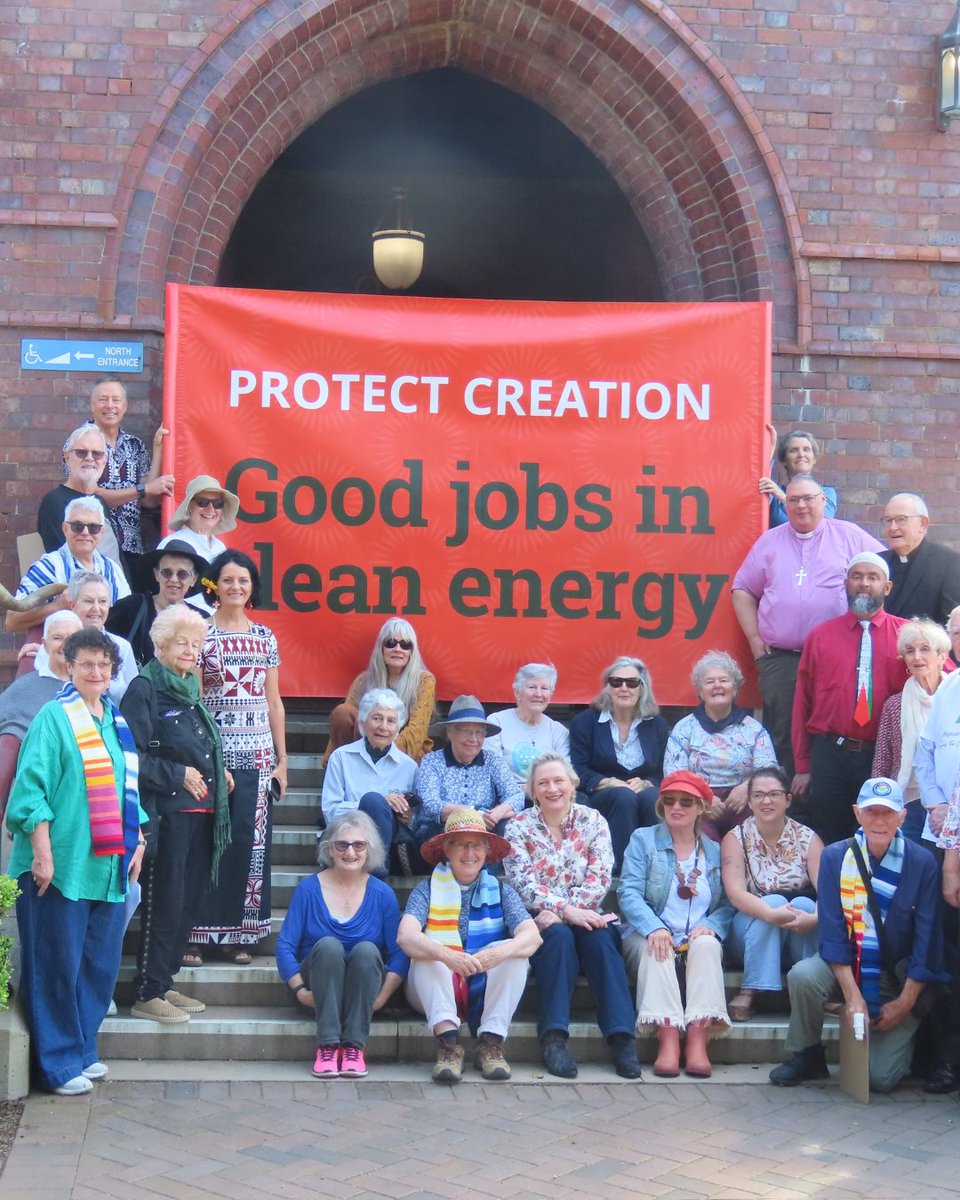
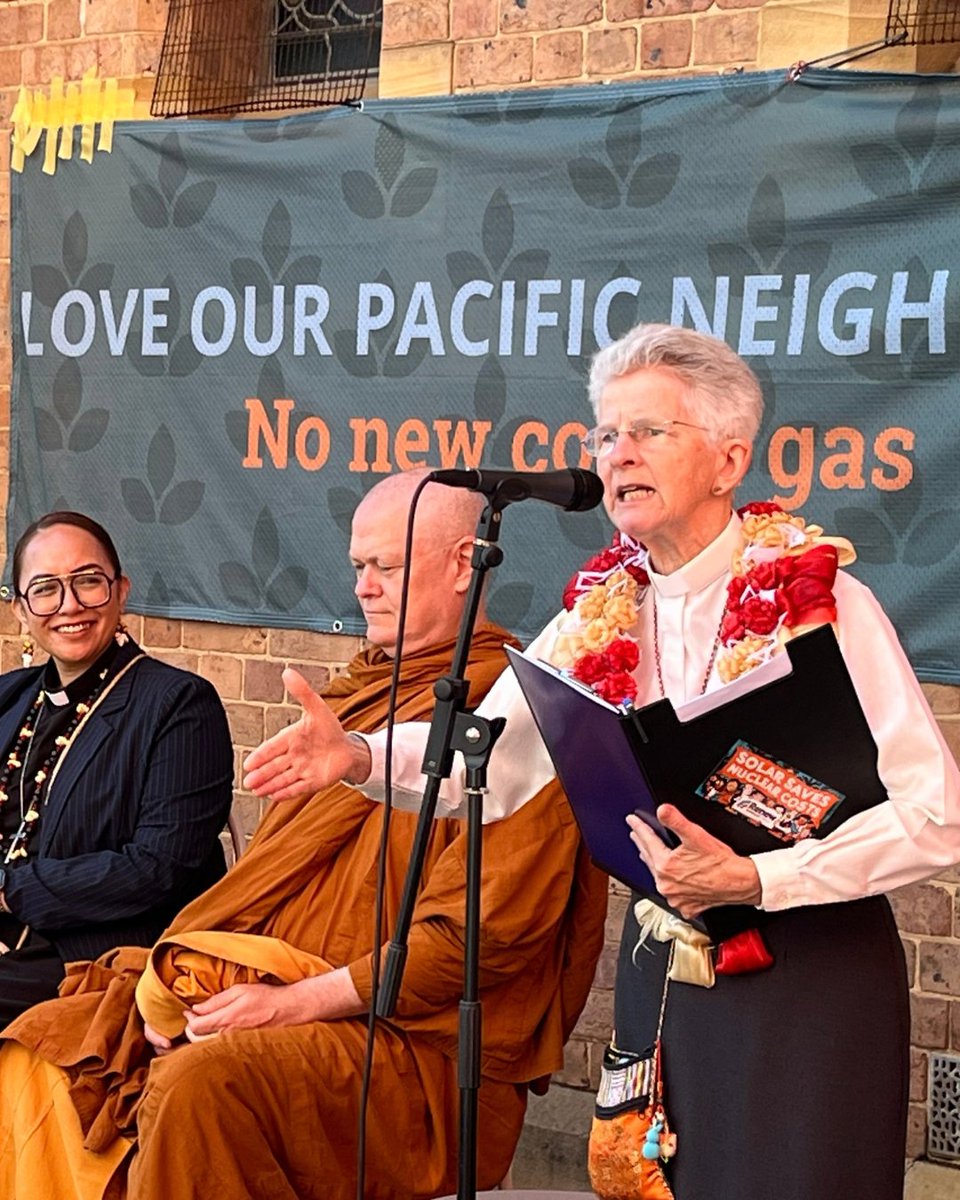
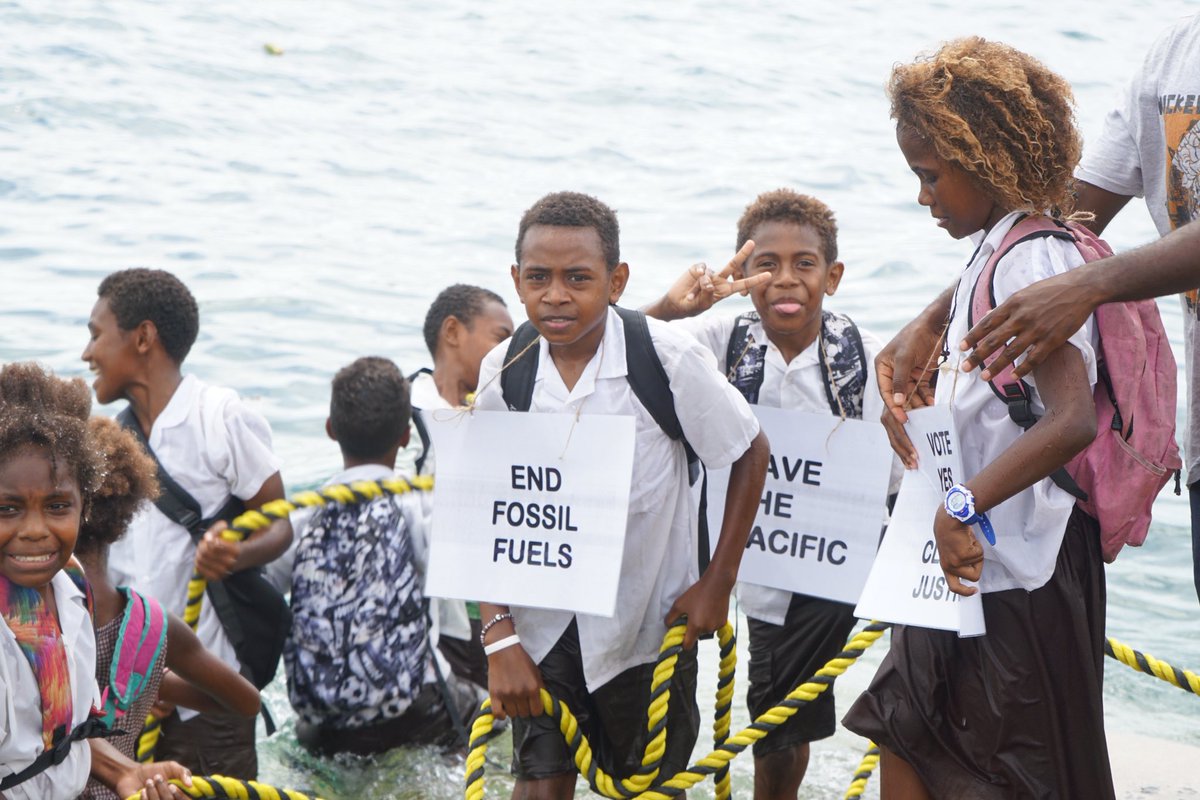
📢 Across seven Australian cities, faith communities came together in solidarity with Pacific neighbours, backing 80 senior faith leaders calling on Prime Minister Albanese to support a Fossil Fuel Treaty and a fair, planned phase-out of coal, oil and gas.
As leaders gather in Fiji and Tuvalu for Pre-COP, Australian faith communities are urging their government to listen to Pacific leadership and turn words into action.
📷 photo credit: @arrcc1@350Pacific@CANPacificIs@lotupasifika@pisfcc@TheAusInstitute
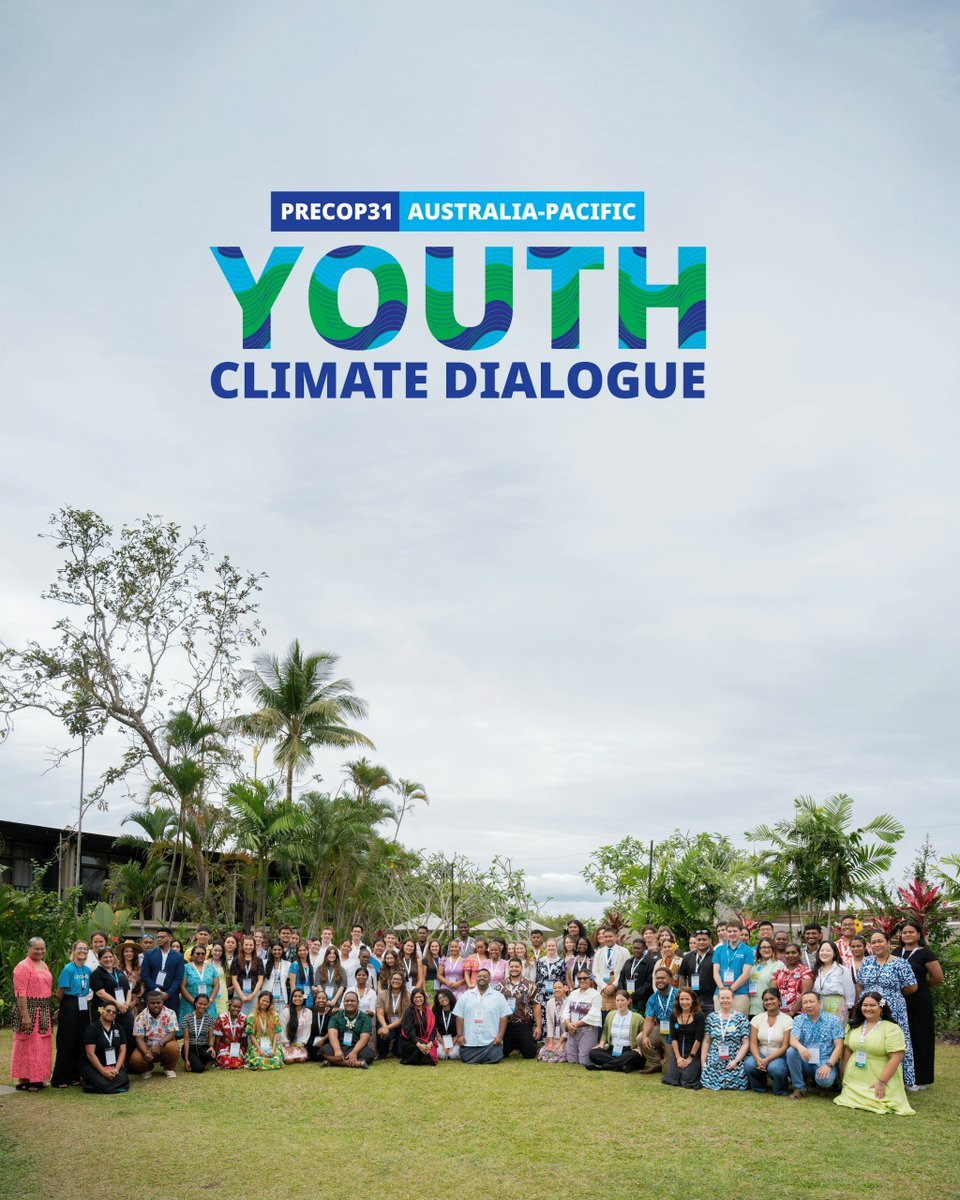
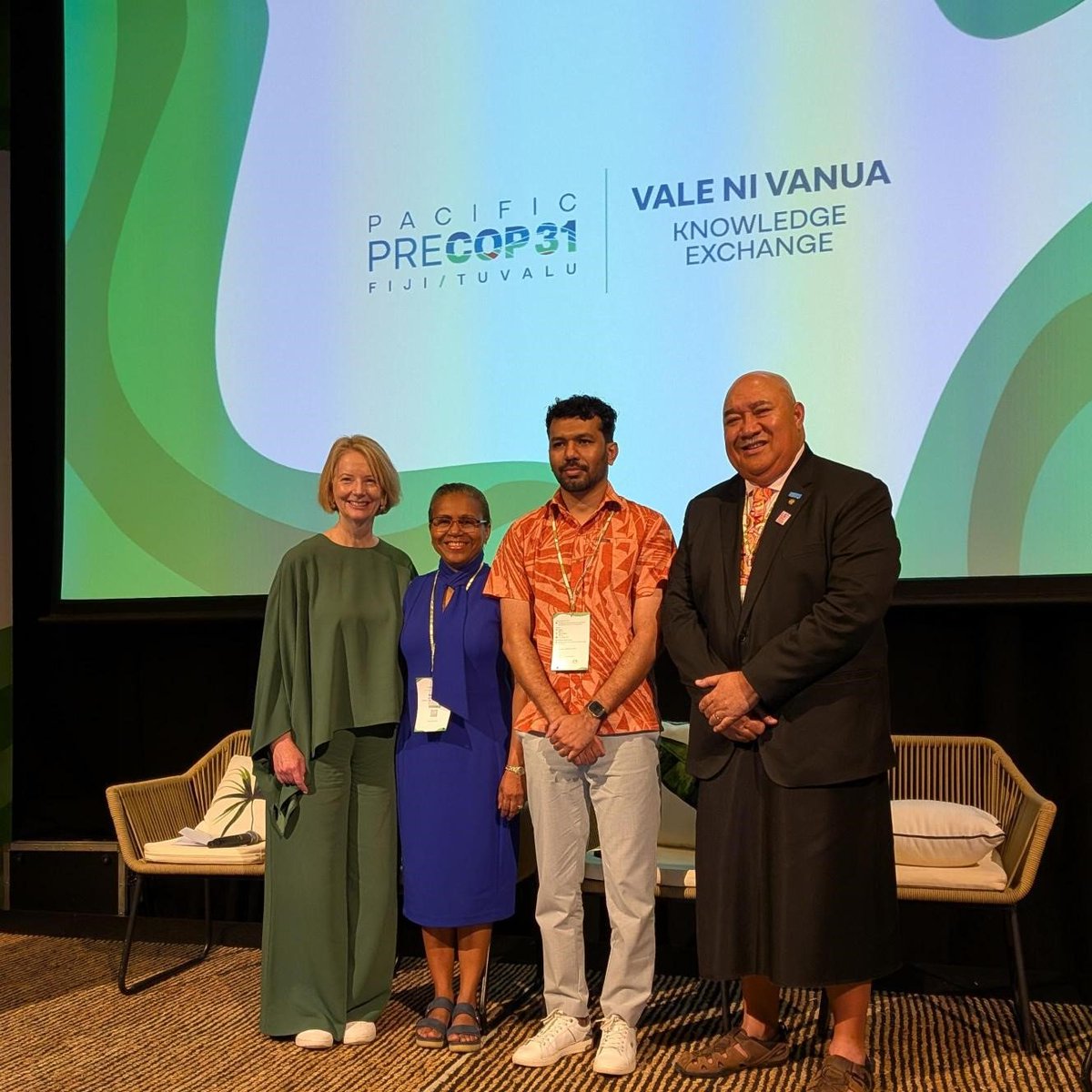
At a @wellcometrust#PreCOP31 dialogue in Fiji, I was proud to recognise what Pacific youth have achieved.
Pacific Islands Students Fighting Climate Change remind us that those closest to the climate crisis must help shape its solutions.
As a Tongan, I’m proud this journey began with young people from our region.
The recent @CIJ_ICJ advisory opinion reinforces a vital truth: the climate crisis is a health crisis.
I shared three implications for our health work:
➡️ Urgent protection
We have a stronger legal foundation for bold, science-based climate action
➡️ Robust preparation
We need early warning, disease surveillance and continued operational capacity when disaster strikes.
➡️ Equitable protection
Climate action must reach the people and places that are most exposed and least able to adapt.
As we head to #COP31 in Türkiye, let’s put these lessons into action.
The Pacific’s climate future cannot be negotiated without the generations who will inherit it.
This week, young people from the Pacific, Australia, Türkiye, Brazil & Ethiopia are in Nadi, building connections and shaping priorities to carry into #PreCOP31, #COP31 & beyond.
PICAN and @SprepChannel signed an MOU this week, strengthening a relationship built over many years and bringing Pacific civil society and our regional institutions closer together in support of Pacific priorities.
A timely partnership as we head into PreCOP and COP31 🌺
At #PreCOP31, join PICAN as we unpack two Pacific-owned approaches putting climate justice into action through finance that reaches communities and knowledge that stays in Pacific hands.
🗓️ 5 Oct | 2pm FJT
⚠️ Registration required
🔗 https://t.co/CaSq20VOSB
Climate change has long been a health emergency.
It’s past time we treated it that way.
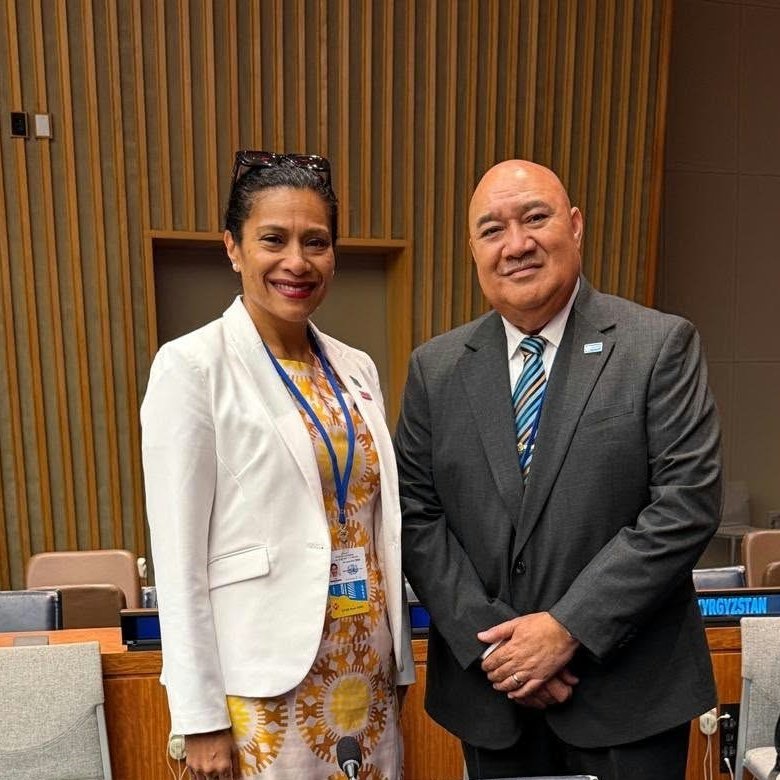
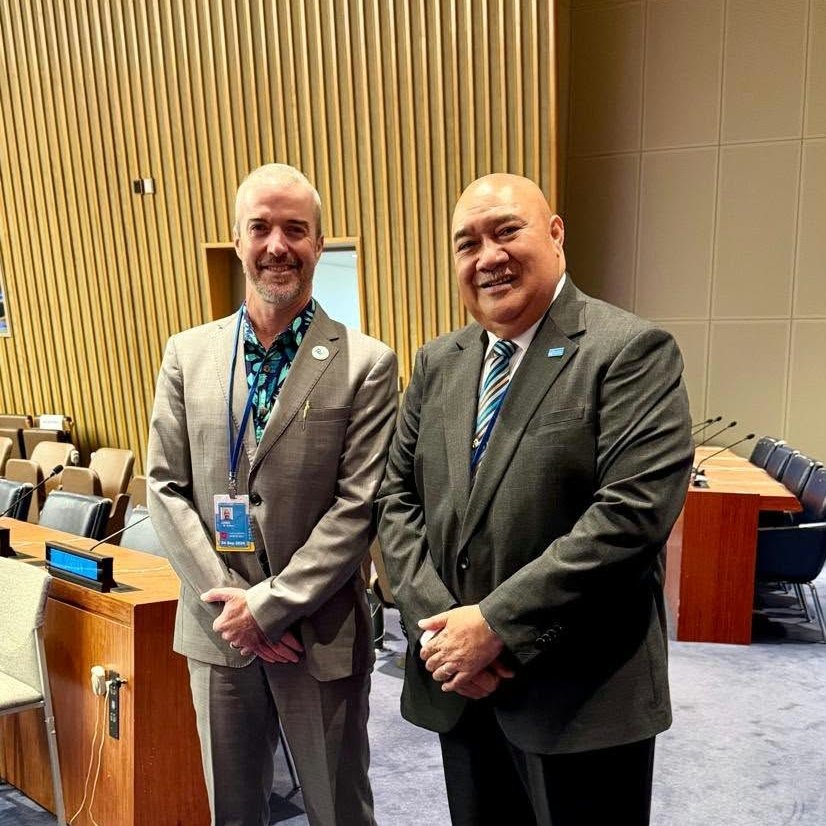
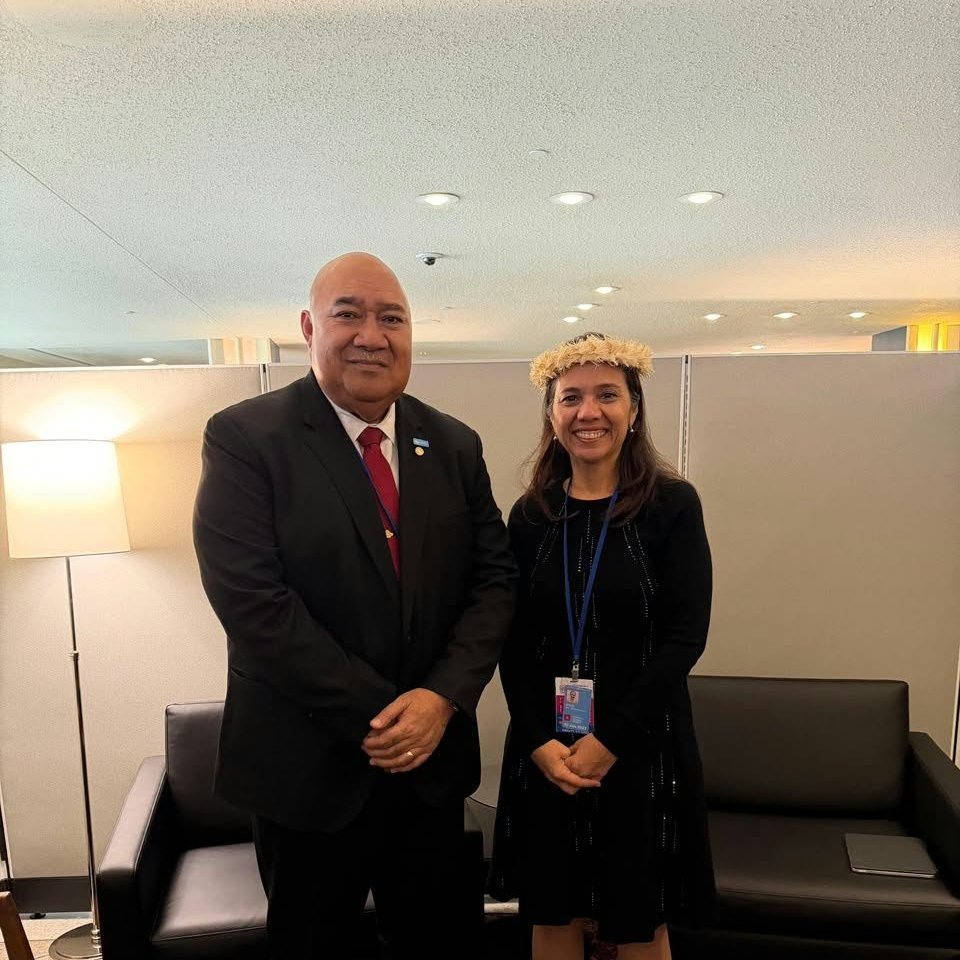
At #UNGA81, I had valuable conversations with Minister @LyndaTabuya of Fiji, Dr Andrew Jones of @spc_cps and @EnvoyRmi from the Marshall Islands.
One message was clear: climate and health cannot be treated as separate issues.
As a Pacific Islander, I know this is not abstract.
It is about our families, freshwater, food, homes, and the health services people rely on when crisis strikes.
We need to act:
→ Bring climate and health financing together.
→ Make health facilities climate-resilient.
→ Recognize Pacific knowledge and leadership.
As we head towards #preCOP in Fiji and Tuvalu, we must keep speaking with one voice: climate action is health action. #COP31
1/4
📣 NEGOTIATING FOR CLIMATE JUSTICE: KIRSTEN MADDISON 🇲🇭
🌊 Many frontline negotiators carry the trauma of experiencing severe climate devastation firsthand. 🌀 Evacuating from a king tide at age ten deeply impacted Kirsten’s life.
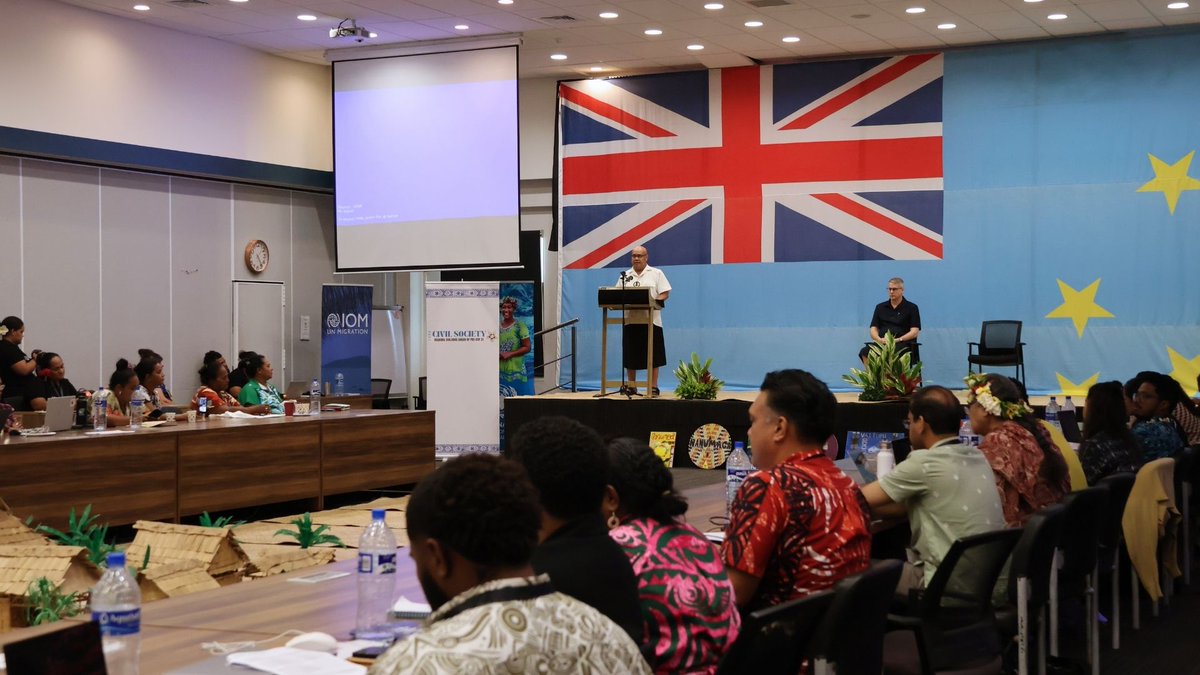
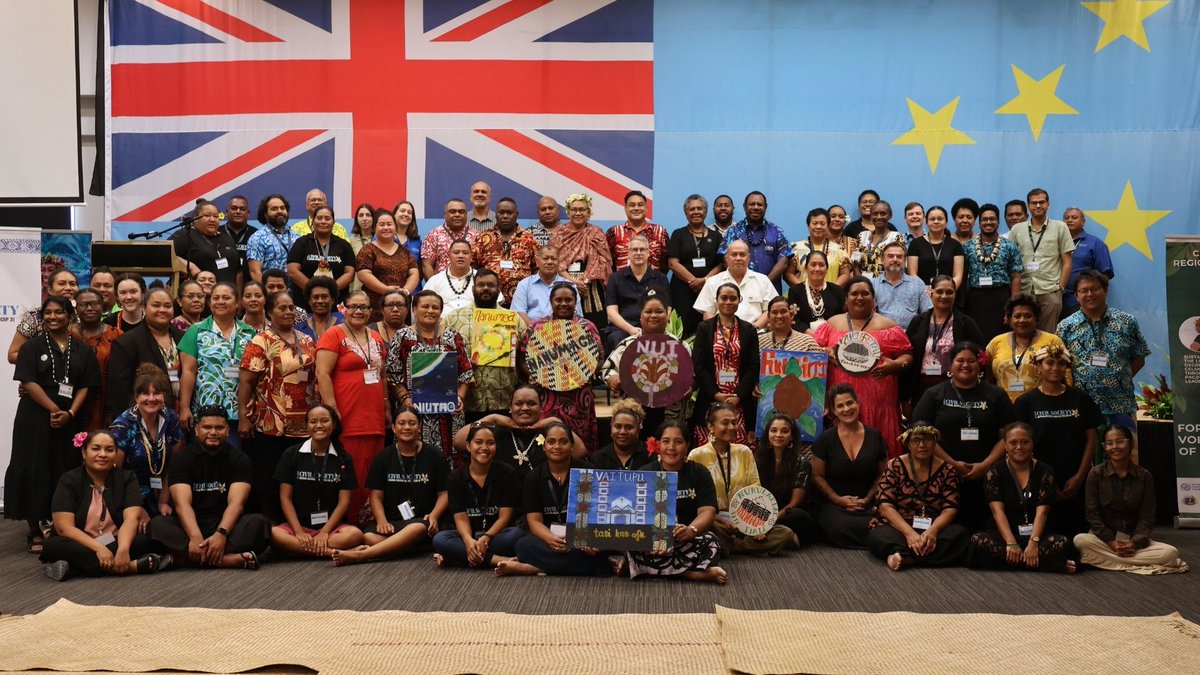
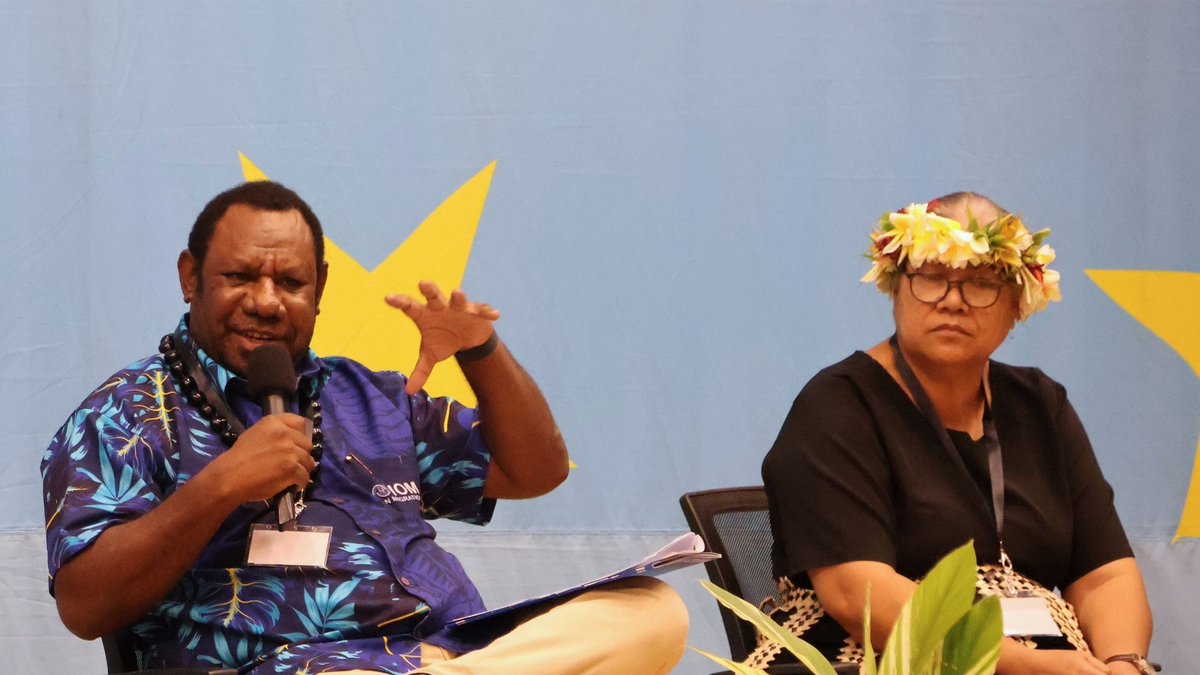
Civil society voices in the Pacific are shaping regional priorities ahead of #PreCOP31.
In Tuvalu, delegates from across the Pacific shared experiences and strengthened Pacific-led recommendations that reflect the realities of communities on the front lines of climate change.
Rising fuel prices aren’t pushing climate down the Pacific agenda. They make the case for climate action even stronger.
Fuel shocks expose the cost of our dependence on imported fossil fuels.
The answer is not less climate action. It is more.
https://t.co/RisqbvvHYb
Kia orana, Kūki ’Āirani. 🌺
Today we celebrate 61 years of self-government and the enduring connection between self-determination and the Moana. Wishing everyone a happy Constitution Day. 🇨🇰✊🏽
4// For Pacific Island countries navigating the transition away from fossil fuels, understanding the legal mechanisms that shape govt decision-making is more important than ever.
🧵/ What happens when governments face legal and financial consequences for acting in the public interest?
Investor-State Dispute Settlement (ISDS) is a legal mechanism that’s becoming increasingly important in conversations about climate, mining and the energy transition.
3/ According to UN Trade and Development (UNCTAD), more than 1,300 treaty-based ISDS cases have been brought globally, with developing countries facing most disputes.
Around one-third involve the energy supply and extractive sectors.
🔗 https://t.co/AYgZR10CxW
3// Living within our planetary boundaries 🌏 means taking responsibility for today’s choices and tomorrow’s consequences.
Intergenerational justice is about the world we leave behind. Climate justice is about how fairly we get there.
A sustainable future requires both 🌺
🧵/ The world’s ecological budget has already been exhausted for 2026.
Today is #EarthOvershootDay - the point when humanity has used more ecological resources than the Earth can regenerate in a year.
2/ Over the last five decades, Earth Overshoot Day has moved from late December to the end of July. We’re consuming nature’s annual budget faster and spending more of each year in ecological deficit.
Learn more: https://t.co/8xoLG0ZWiv