💡 Imagine your top talent leading with clarity, confidence & impact.
That’s the power of Executive English Language Coaching.
For HR managers building diverse leadership pipelines:
👉 https://t.co/FFA4hUcCsv
#Leadership#HR#Diversity
The Ontario Labour Relations Board (OLRB) has ordered Randstad Canada to pay a former employee $195,833 after finding her termination was a reprisal for filing a workplace harassment complaint.
https://t.co/MvRYWQFqis
The Business Council of British Columbia reports that fewer young people are working or actively seeking jobs, while Douglas Porter of BMO says a surge in labour supply has intensified competition for entry-level roles.
https://t.co/4HjS3i0g2U
There are cat therapy centers in Japan.
If you're tired of life, things aren't going well for you, and it feels like life is coming down on top of you, you can visit these centers.
Here, cats spend time with you, helping to reduce your stress, lift your mood, and restore your energy.
Honestly, it wouldn't be a bad thing if these therapy centers spread all around the world 🐱❤️😹
New blog: Favouritism in the Workplace — the quiet inequity that undermines morale and productivity. Evelina Silveira explains how nepotism damages trust and what leaders can do about it. Read more: https://t.co/hTdf4lnEHa #DEI#HR#Leadership
Leadership isn’t about being nice — it’s about being accountable. Read Evelina Silveira’s story on tough choices, ownership, and growth: https://t.co/cBusPKXlJX #Leadership#Accountability
https://t.co/x9CUXxS7Aw
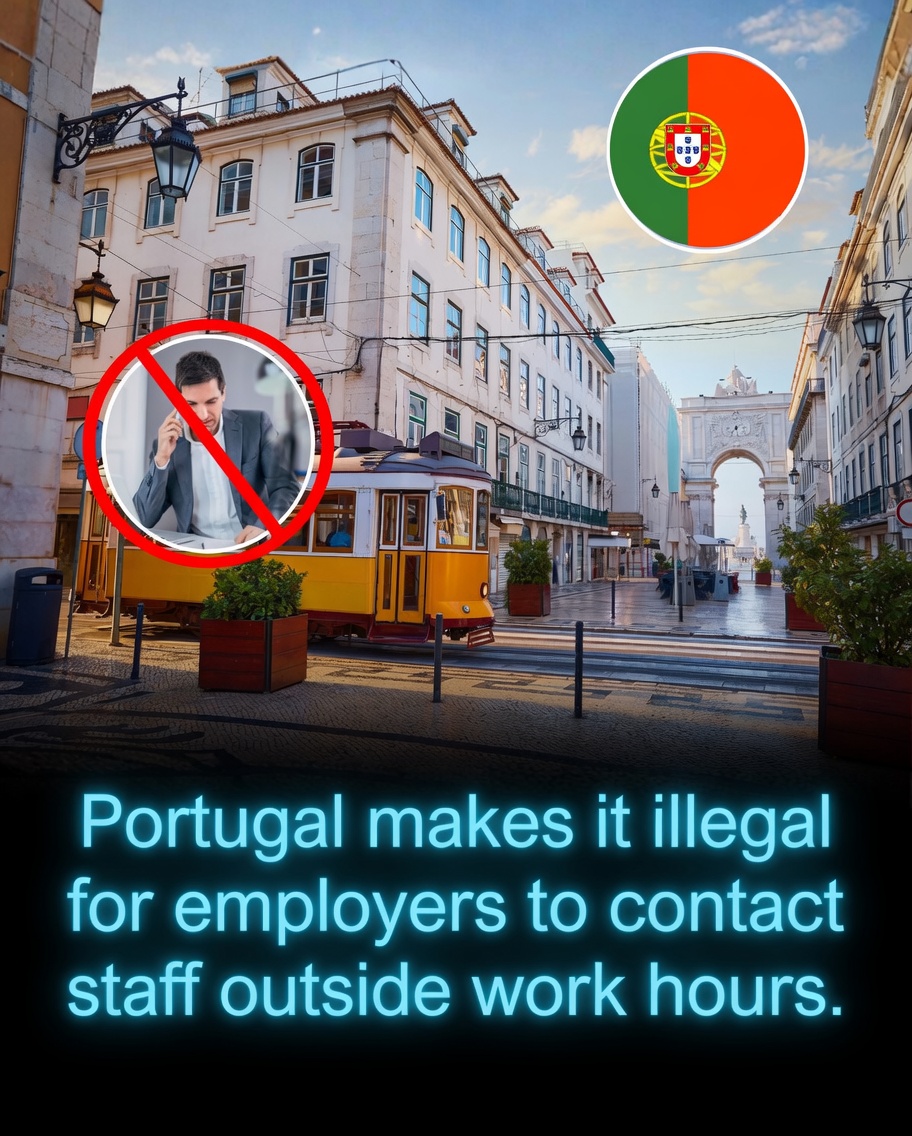
Portugal has become one of the strongest defenders of work-life balance by making it illegal for employers to contact employees outside of working hours.
Passed in November 2021, the law prohibits bosses from calling, emailing, or texting staff after their shift ends, unless there is a genuine emergency. Companies that violate the rule face significant fines.
The legislation, which primarily applies to businesses with more than 10 employees, forms a key part of Portugal’s “right to disconnect” framework. Exceptions are allowed only in cases of force majeure (unavoidable emergencies).
The move has been widely praised as a progressive step to protect mental health and prevent burnout in an always-connected world. Portugal joins countries like France (which introduced similar protections in 2017), Spain, Italy, and Australia in recognizing that employees have a fundamental right to rest and disconnect from work.
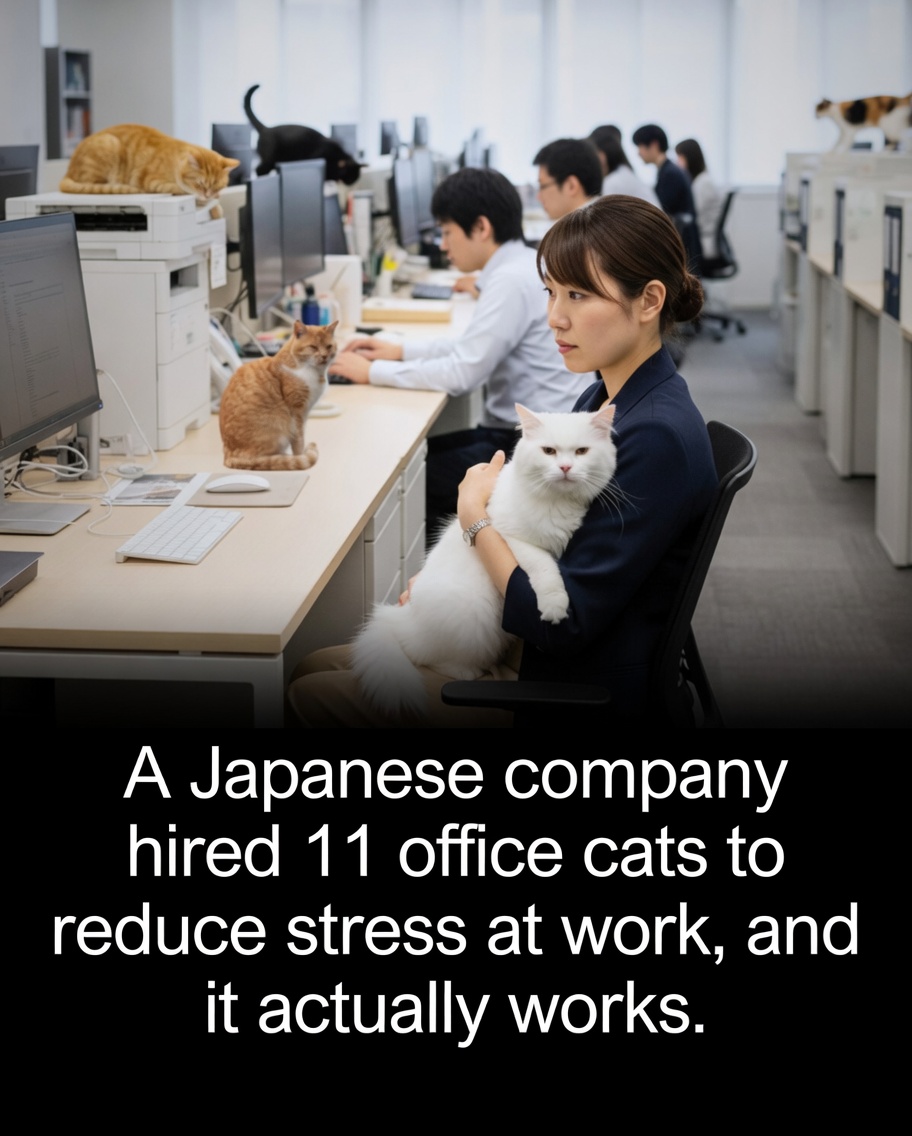
A Japanese company hired 11 full-time office cats to reduce workplace stress, and it’s working.
Tokyo-based Qnote Inc. first adopted a cat in 2004 and has since grown its feline staff to 11 permanent office residents. Employees say the cats boost morale, encourage short breaks, and create a much more relaxed and pleasant work environment.
Each cat even has an official job title, such as “office clerk,” “manager,” or “auditor”, making them fully integrated into the company culture. The company loves cats so much that “cat lover” is now listed as a requirement for human job applicants.
To accommodate its furry employees, Qnote renovated the office with 12 cat toilets, climbing shelves, and scratch-resistant walls, allowing the cats to roam freely without causing damage. The result? Lower stress levels and stronger team bonding among staff.
A purr-fect workplace solution.
A company in Mexico rescued an orange stray cat and decided to hire him.
They named him Engineer Miauricio and gave him the title of Emotional Support Director. His responsibilities are smiling at coworkers, gently meowing and walking around the office.