Hi friends! I can’t in good conscience use this platform anymore. If you feel the same, join the X-odus and re-discover the joys of old Twitter at Bluesky. Hope to see you there to continue to enjoy academic social media 🙌🐳🤗
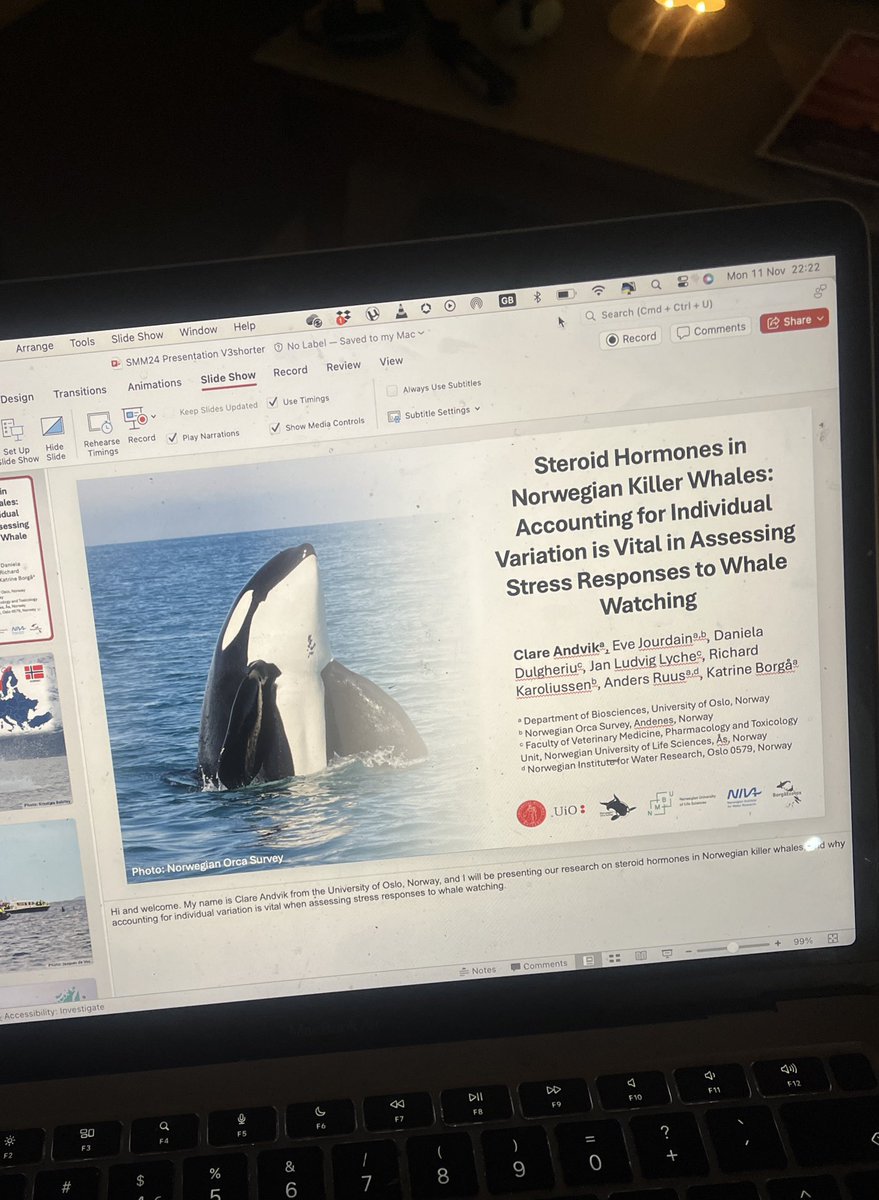
Final check of my presentation for #SMM2024#PerthSMM2024@marinemammalogy ! 🐳🐬
If you’re interested in hormones, killer whales, whale watching, multiple stressors… come along tomorrow (Tuesday) to meeting room 4 at 16:36! 🙌🐳 (Health - Stress and Hormones session)
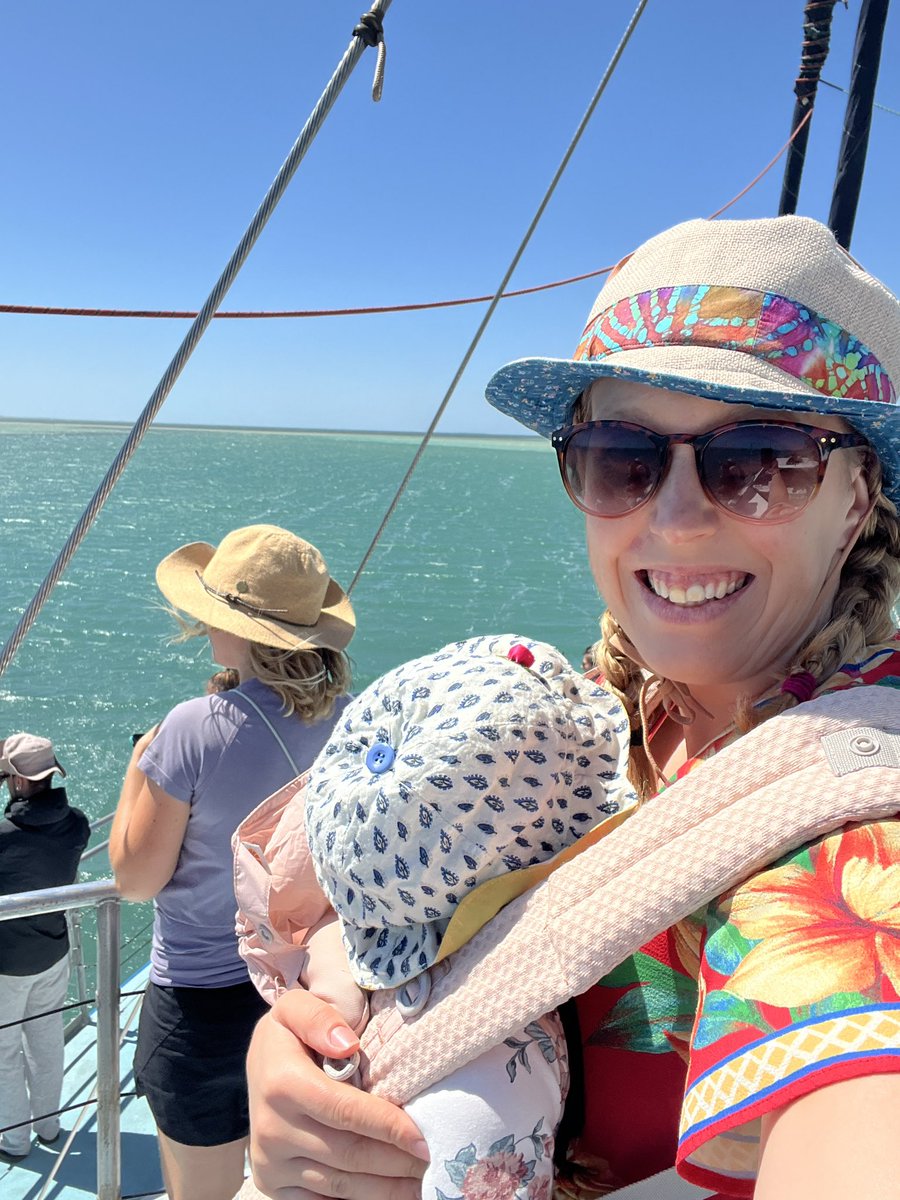
any #SMM2024 conference goers travelling after the conference - highly recommend Aristocat2 Perfect Nature Cruises from #Monkeymia We saw dugongs and tool -using dolphins !!🤩 We get a discount through #marinemammalmates 🐬🐳 See y’all in Perth soon!🤩
🚨 New paper alert 🚨🥳🙌
We measured pollution levels in 10 species of marine mammals from Norway 🐳🐬🦭
See our video for the “general public” study summary 🫶
& keep reading ⬇️ for more details 🤓
#Openaccess@EnvSciTech
https://t.co/UDORms3Lbm
#norwegianorcasurvey
New publication: "Intercorrelations of Chlorinated Paraffins, Dechloranes, and Legacy Persistent Organic Pollutants in 10 Species of Marine Mammals from Norway, in Light of Dietary Niche" with @CAndvik , Eve Jourdain & @BorgaK from @biovitenskap@UniOslo
https://t.co/suXN6k574A
We looked at levels & intercorrelations of #legacy#PersistentOrganicPollutants, #dechloranes & #ChlorinatedParaffins
SCCPs & dechloranes positively correlated with recalcitrant POPs to a stronger extent than MCCPs or LCCPs, but all were surprisingly unrelated to dietary niche
To better understand marine mammal bioaccumulation of legacy and unregulated CP and dechloranes we correlated with legacy POPs in multiple species from the Norwegian coast.
Surprising lack of overall correlation to relative trophic position.
Open access in ES&T 👇
#Arktis2030
We suggest that large species-specific differences such as lifespan, biotransformation / elimination capacities or habitat use could be masking the effect of diet 🐳🦭 Our results aid in understanding behaviour of legacy and emerging contaminants and will aid in regulation 🧪❌
@khuongaquatic actually three, khuong!! The original Orcinus orca, and then elevating Bigg's and resident killer whales to be Orcinus rectipinnus and Orcinus ater respectively. But I think this will open the floodgates to many more...
@RosieSWilliams1 @AnaRemili So happy it was a success!!! 🤩❤️ I was so sad to miss it - these orcas here are the only ones I am dealing with at the moment 🤣 Also hoping it becomes a regular part of the SETAC programme! 🤞
Realy happy that the final paper from my PhD is finally published! We found that Norwegian killer whales optimise their movements for their preferred prey 🦭🐟 🍽️ https://t.co/OLFCKemv54 @UiTNorgesarktis
woohoo! feels good to submit my abstract on cortisol levels in Norwegian orcas to @marinemammalogy#PerthSMM2024! 🤩🐳 Particularly impressed by their commitment to make it the most family friendly conference yet 🥳🙌 thanks for increasing accessibility for us with young kids 🥰
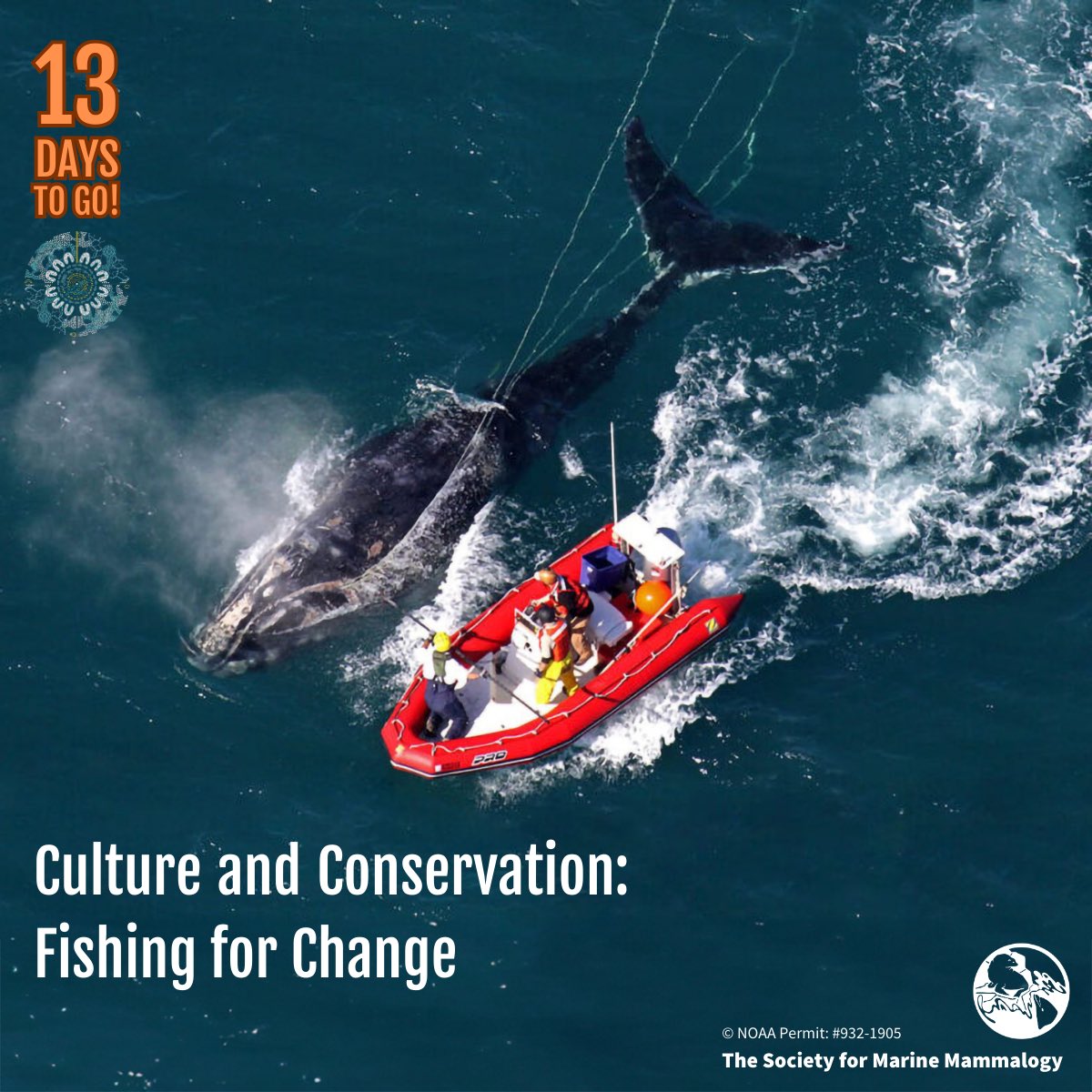
Countdown alert! Submit your abstract/workshop, or sign up as a reviewer for #PerthSMM2024 by 26 March!
Theme: “Culture and Conservation: Fishing for Change”. Share your insights on combating marine mammal threats.
To submit, head to https://t.co/149oQGLCel
#SMM#marinemammalogy