Devoted to studying how individuals form judgments & make decisions. Part of @chicagobooth. Home to PIMCO Decision Research Labs. Operator of Mindworks.
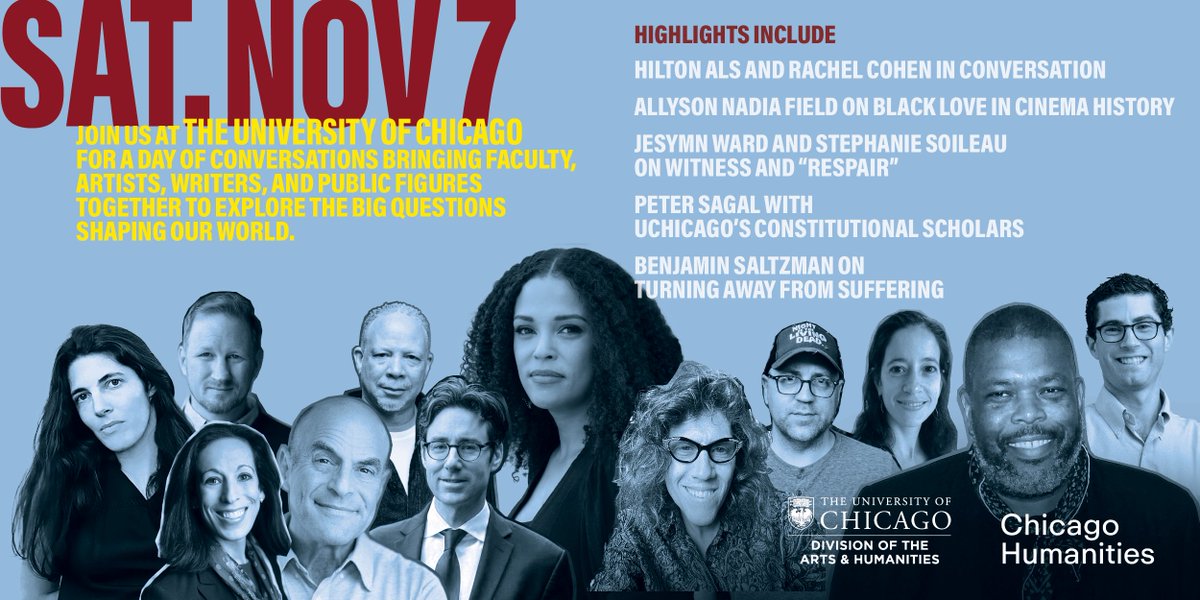
This year's program brings visiting writers, artists, and public intellectuals into dialogue with UChicago faculty, featuring @PulitzerPrizes winners Daniel Kraus, Hilton Als, and David Hume Kennerly, @NPR's Peter Sagal, author Jesmyn Ward, and many more.
https://t.co/RkFdDnwRCS
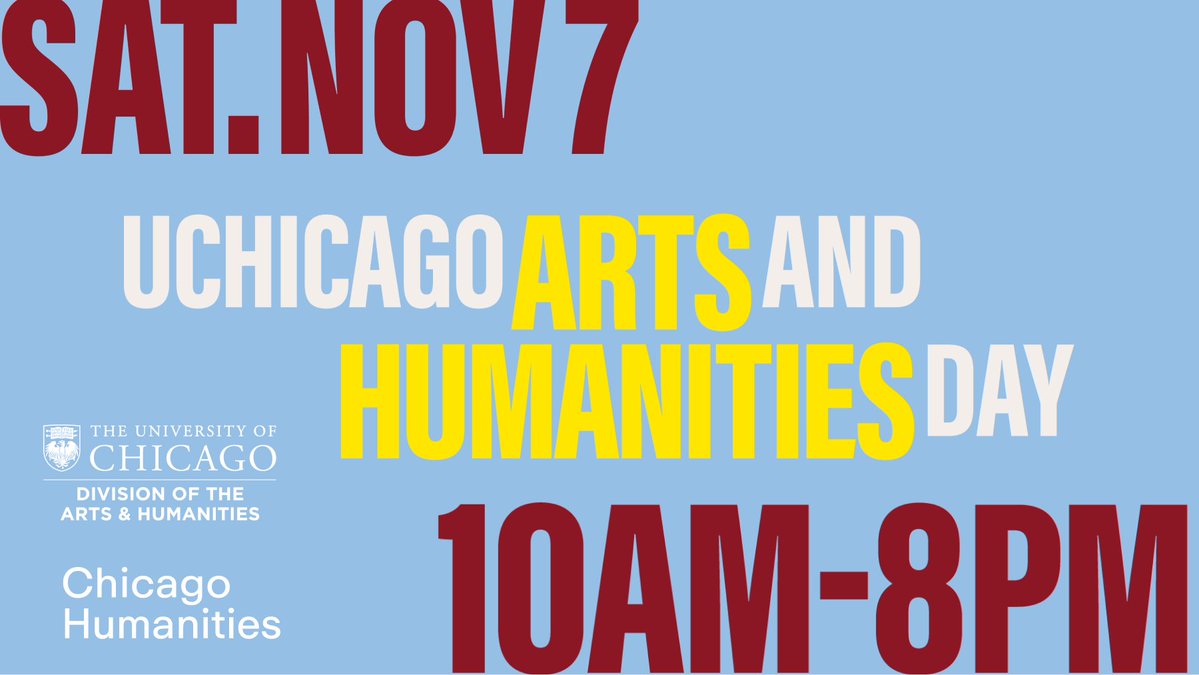
Our friends at the @UChicagoAHD are hosting Arts & Humanities Day 2026 on Saturday, November 7, in partnership with @chihumanities.
☑️ UChicago Arts & Humanities Day includes both paid & free events, with special passes available to @UChicago community.
https://t.co/Q1pLoWwIMy
Humanities offers dozens of events that celebrate the makers and thing grappling with the questions that shape our world. Join the conversation: https://t.co/cIujVOAPOA
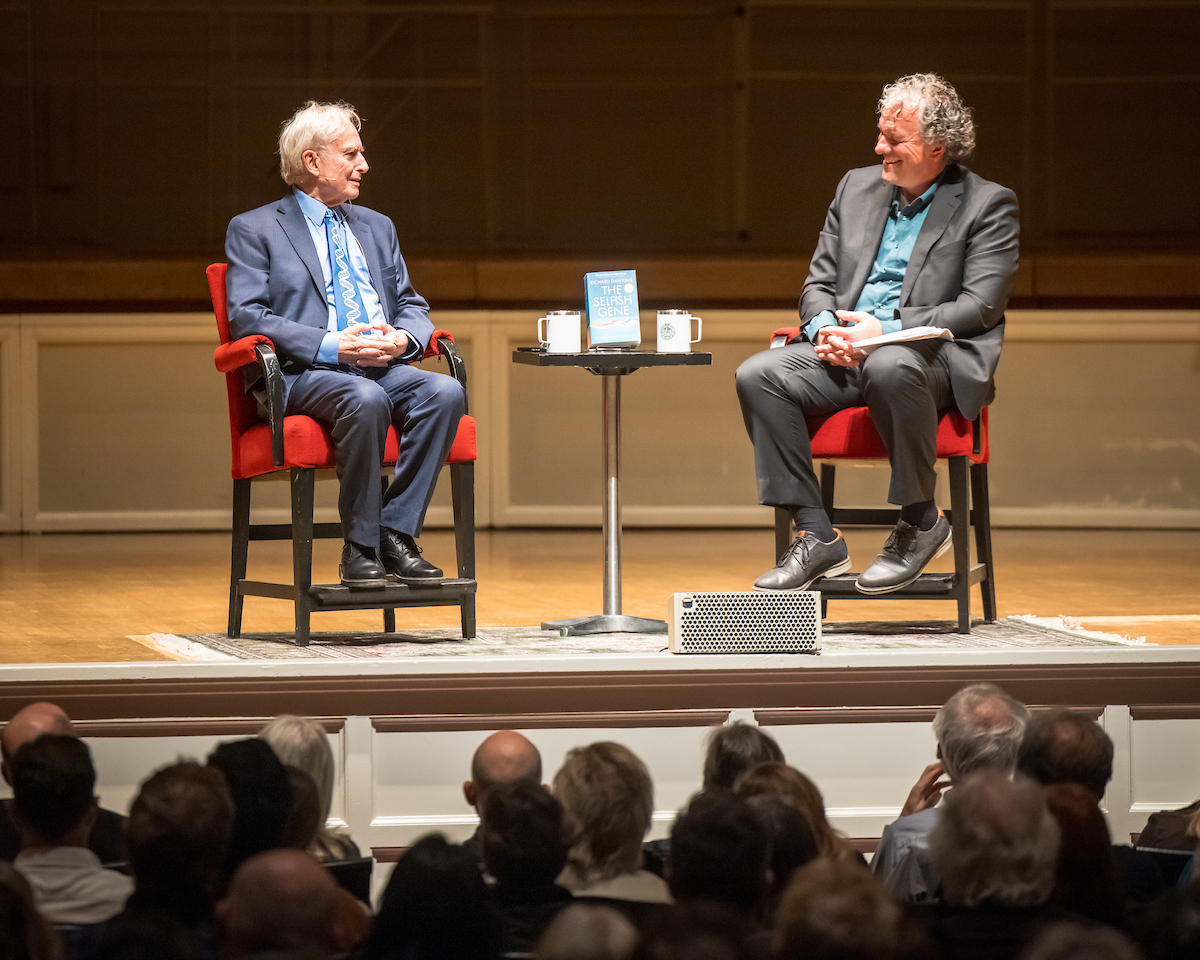
Thank you to everyone who joined us for An Evening with Richard Dawkins and Nicholas Epley at @chicagosymphony last Sunday. A memorable evening marking 50 years of The Selfish Gene.
🙌 Special thanks to @WBEZ, @UClubChicago & @howtoacademy for helping make this event possible!
move from the lab into authentic field experiments to create interventions that are both practical and impactful.
📩 Stay up to date on behavioral science research, events, and programs. Sign up for emails from the #RFCDR: https://t.co/7B7hjgOoA1
What really motivates young people to make better decisions? And how can behavioral science help us design programs that truly work in the real world? #BehavioralScience
Today’s Behavioral Science Workshop featured David Yeager (@UTAustin), who presented "Insights from the science of motivating young people.”
Drawing on evidence from public health, education, and workplace settings, Yeager explored how theory-informed behavioral science can
Decision-makers consistently overestimate how negatively others will judge them, finds research by University of Massachusetts Lowell’s Michael W. White, Stanford PhD student Stacia King, and Chicago Booth’s Emma Levine. @CDR_Booth
https://t.co/bouyb4o5Vy
🎁 Bonus: The first 50 guests to check in will receive a free copy of Epley’s latest book, A Little More Social: How Small Choices Create Unexpected Happiness, Health, and Connection. Register today!
https://t.co/A4PNVui4Tr
#ThinkBetter Why do we so often avoid connecting with others, even when connection makes us happier & healthier?
Join us for Think Better with Nicholas Epley (@ChicagoBooth): “Living a Little More Social: The Unexpected Power of Choosing to Connect”
🎟️: https://t.co/A4PNVuiCIZ
Would you send your robot to the gym? What skills are you outsourcing when you rely on #AI? 🤖
@ChicagoBooth's @lindaginzel reminds us not to let AI replace the moments that help us grow as leaders.
https://t.co/NcP224UmKR via @chicagoboothrev
Decision-makers consistently overestimate how negatively others will judge them, finds research by University of Massachusetts Lowell’s Michael W. White, Stanford PhD student Stacia King, and Chicago Booth’s Emma Levine. @CDR_Booth
https://t.co/oxuy39ApKo
We’re #hiring! The Roman Family Center for Decision Research (RF-CDR) is seeking a Postdoctoral Principal Researcher/Behavioral Science Instructor for the 2027-28 academic year.
🔗 APPLY: https://t.co/BR3CHFslbJ
How do we know when to trust our own decisions?
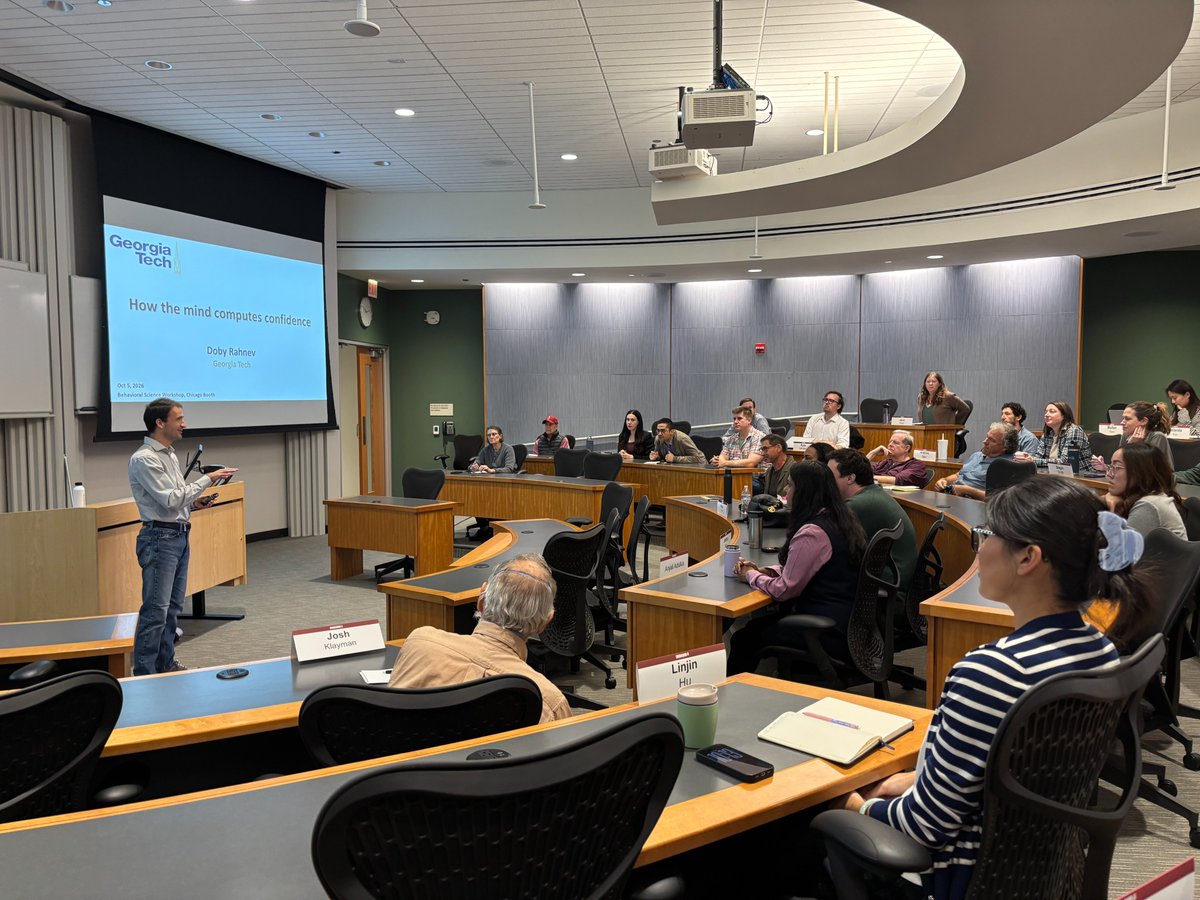
Yesterday at our #behavioralscience Workshop, Dobromir Rahnev @DobyRahnev (@GTSciences) presented "How the mind computes confidence."
He shared research on the surprisingly simple computations behind confidence in multi-alternative decisions, showing when confidence tracks accuracy, and when it systematically fails.
Want to learn more? Join us for Think Better with Nicholas Epley: “Living a Little More Social: The Unexpected Power of Choosing to Connect” on Oct 21.
🧠 FREE RSVP: https://t.co/A4PNVuiCIZ
How well do we really understand other people? #BehavioralScience
Research coauthored by @ChicagoBooth’s Nicholas Epley shows that trying to adopt another person’s perspective does not necessarily improve interpersonal understanding.
In fact, directly asking people about their perspective is far more effective.
➡️ Read more about Prof. Epley’s insights featured in @Forbes: https://t.co/fpAuIK33sM