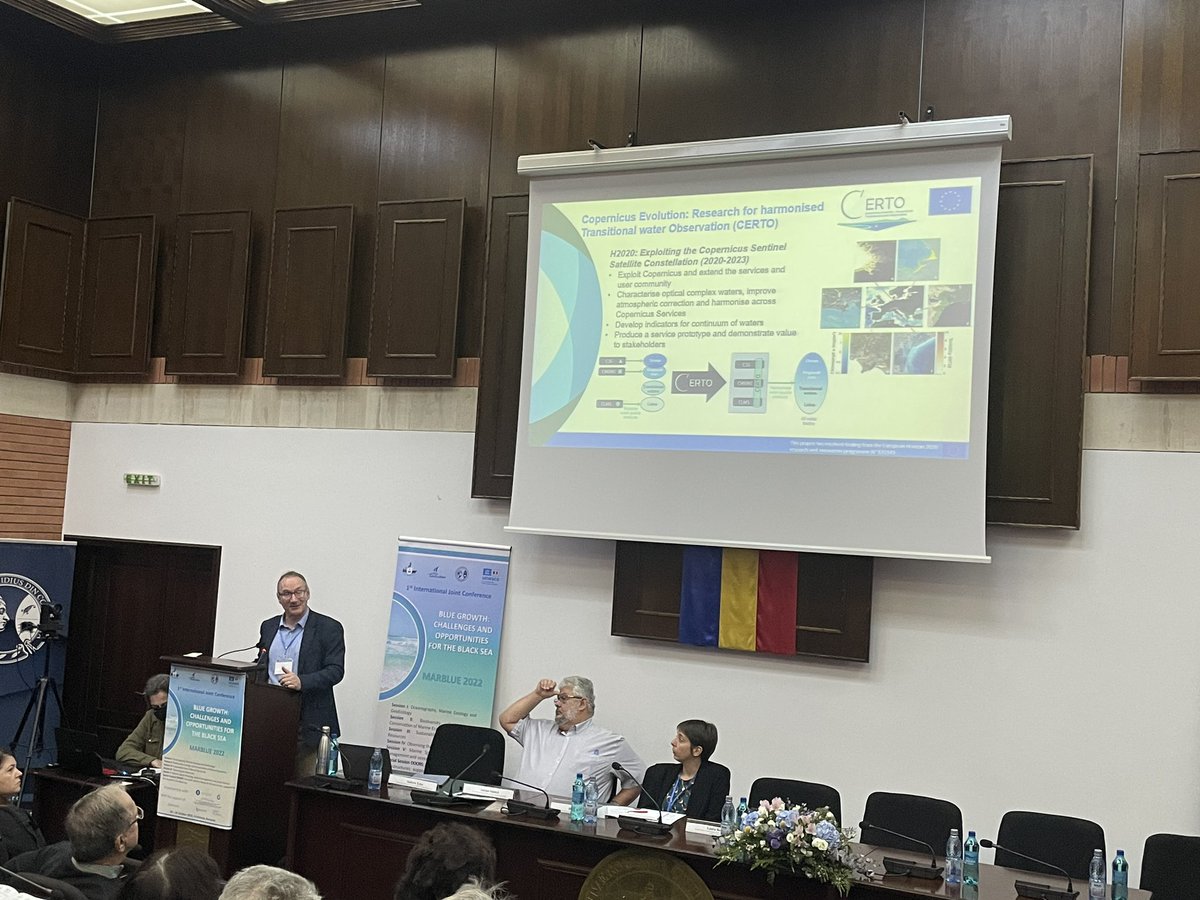
@EU_H2020-funded programme 870349. Copernicus Evolution: Research for harmonised Transitional water Observation (CERTO). Views author's own, not
@EU_Commission
💧🌍 Fertiliser runoff and sediment can harm waterways.
The #EUfunded@CERTO_project is improving water-quality monitoring with satellite data and a user-friendly platform for coastal and inland waters.
Explore the tools. 👉 https://t.co/d0Win7tQxD
🌊 CERTO has recently been showcased in the latest @EU_Commission CORDIS Results Pack, highlighting how our efforts produced harmonised #WaterQuality data and improved monitoring of transitional waters like #lagoons, #estuaries, and #rivers.
Read more: https://t.co/dg8mCVqMez
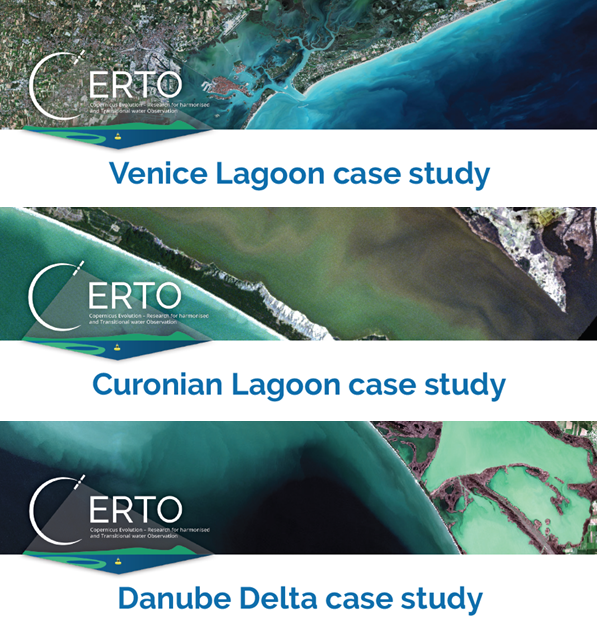
The @CERTO_project ended recently and produced several #remotesensing data and indicators on #waterquality in three European #lagoons. Read the case study overview 2-pages here https://t.co/rTJLAbnwm9
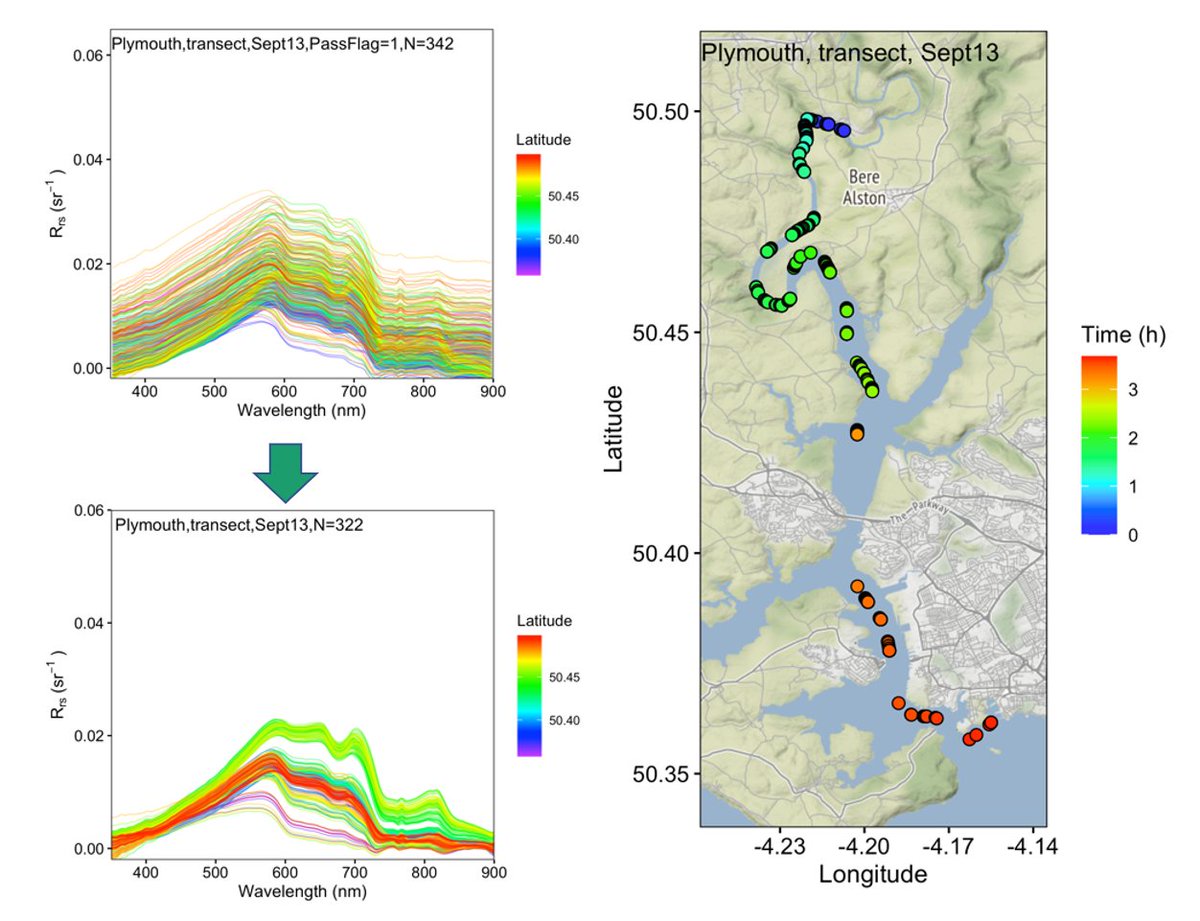
We've developed a new online system to improve above-water remote sensing reflectance measurements by removing residual reflected skylight. Check out this free tool to get more accurate Rrs data for your water colour studies https://t.co/fyn3eem7eA
Read our latest newsletter as the @certo_project comes to a close after nearly 4 years - including case study overviews & data portal updates. Learn about our work to improve water quality monitoring in European estuaries, lagoons & coastal waters! https://t.co/v4nskfXvSR
Discover improved water quality monitoring!
@certo_project has developed overviews of our work in 6 case study areas, showcasing advances in monitoring transitional waters.
Learn about innovative indicators and how to access our water quality data.
https://t.co/rxoC4grgPd
Led by @dalin_jiang, CERTO developed a semi-analytical method with Sentinel-2 MSI data to estimate total suspended solids across inland & coastal waters. The technique reliably retrieves TSS from clear to turbid conditions, outperforming current approaches
https://t.co/eiYP2EVfpI
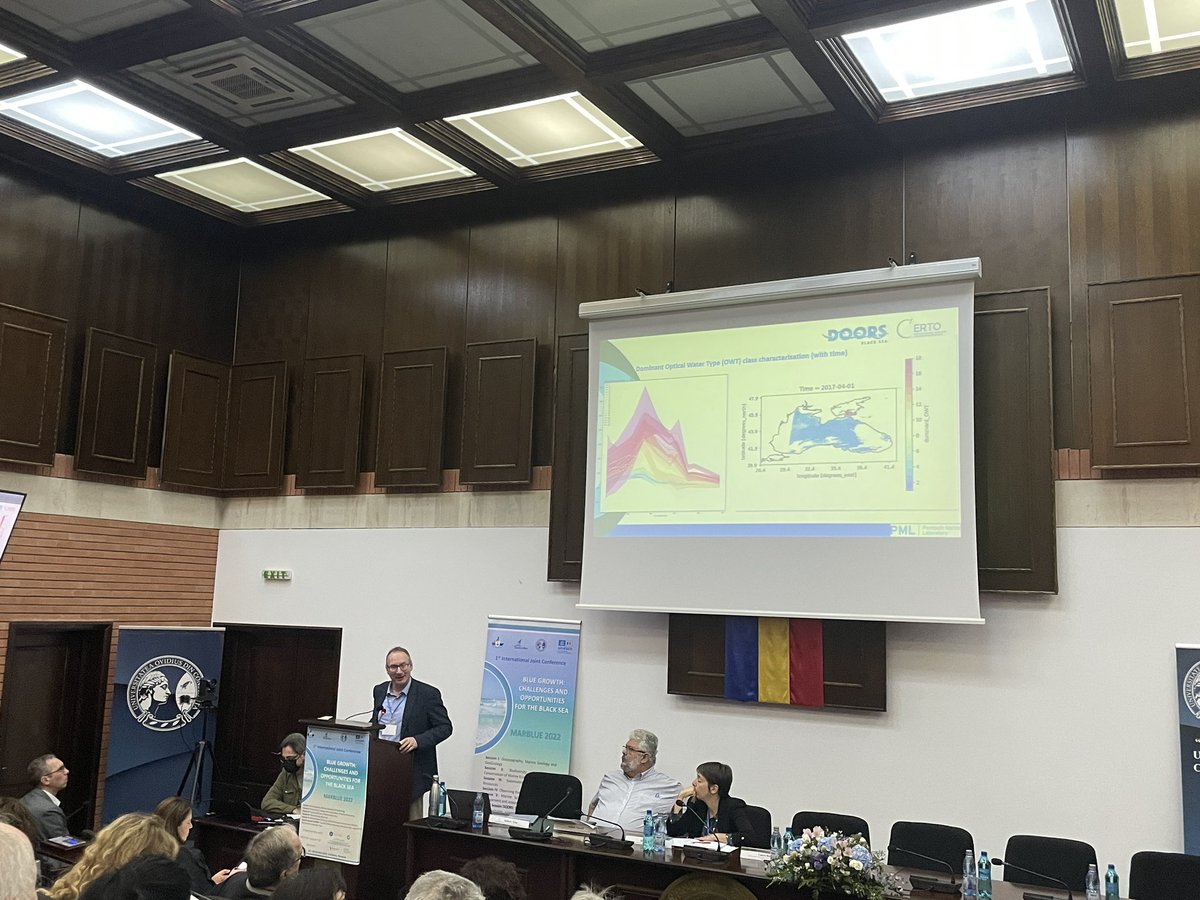
Check out the CERTO data portal which now includes indicators from our v2 prototype, including chlorophyll a, optical water type, remote sensing reflectance and suspended particulate matter!
https://t.co/bGd6q1vTL8
If you're attending #Ciência2023 today, don't miss @GiuliaSent @MARE_centre talking about "Water quality: how satellites can help us monitor our estuaries, the CERTO project" in the Restoring our oceans from space session, Academic Events Room 11:15 UTC+1.
https://t.co/3SKtvUJ3Xw
Exciting video complementing a captivating article by @HorizonMagEU, shining a spotlight on the remarkable work of @CERTO_project in our Razelm-Sinoe lagoon case study area that is led by @Adriana_Maria_C
https://t.co/o7BVKyPEvl
Two EU-funded projects are using satellite data to track and measure #WaterQuality and groundwater reserves.
Learn more ➡️ https://t.co/MazXXYyG3l
#ResearchImpactEU#MissionOcean
Exciting read in @HorizonMagEU showcasing the pioneering work of @CERTO_project, with key insights from Prof Steve Groom, CERTO Coordinator @PlymouthMarine.
The article delves into our fascinating Razelm-Sinoe lagoon case study, led by @Adriana_Maria_C.
https://t.co/o7BVKyPEvl
We are delighted to be working with the #MegaDelta programme of @FECoasts and will be providing #WaterQuality data to help understand these important environments for a more sustainable future.
For more information see:
https://t.co/XKzw8Sf9vR
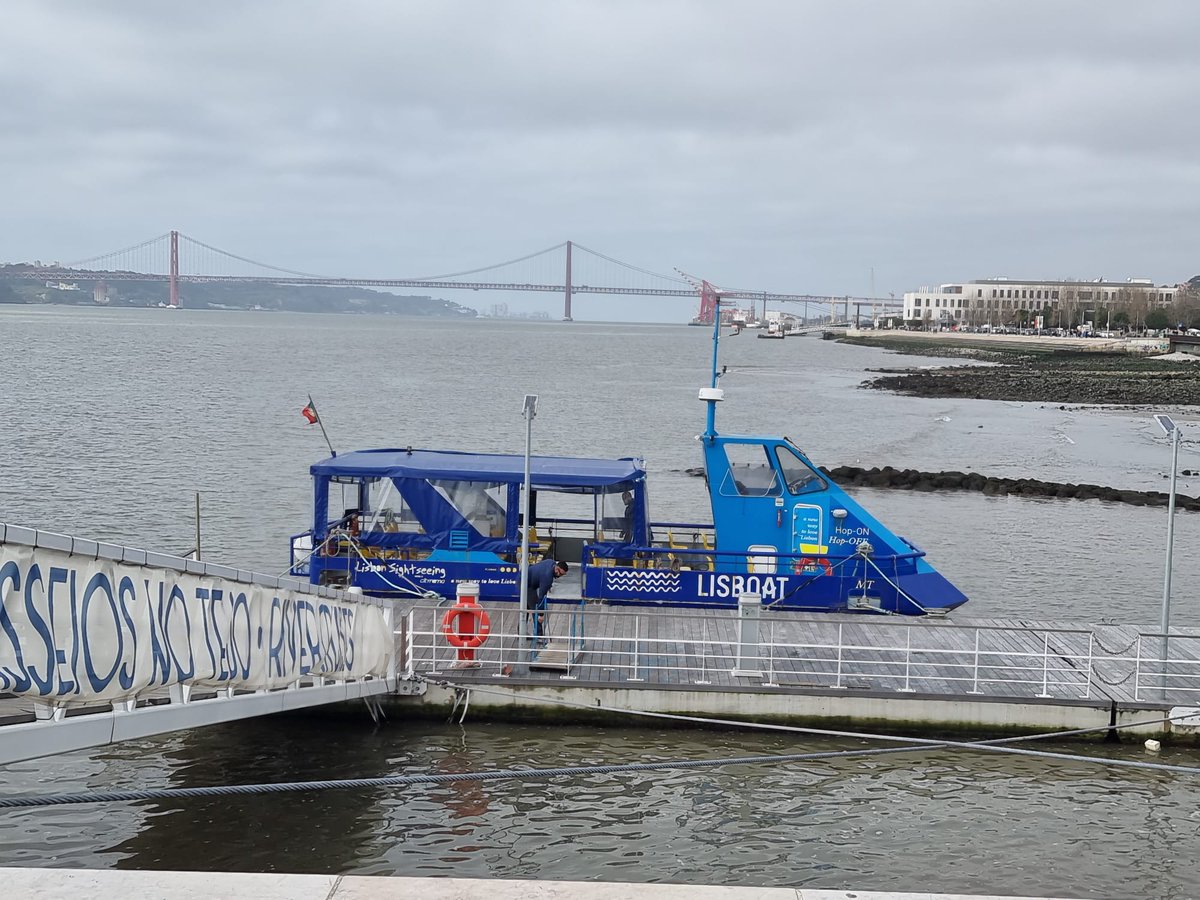
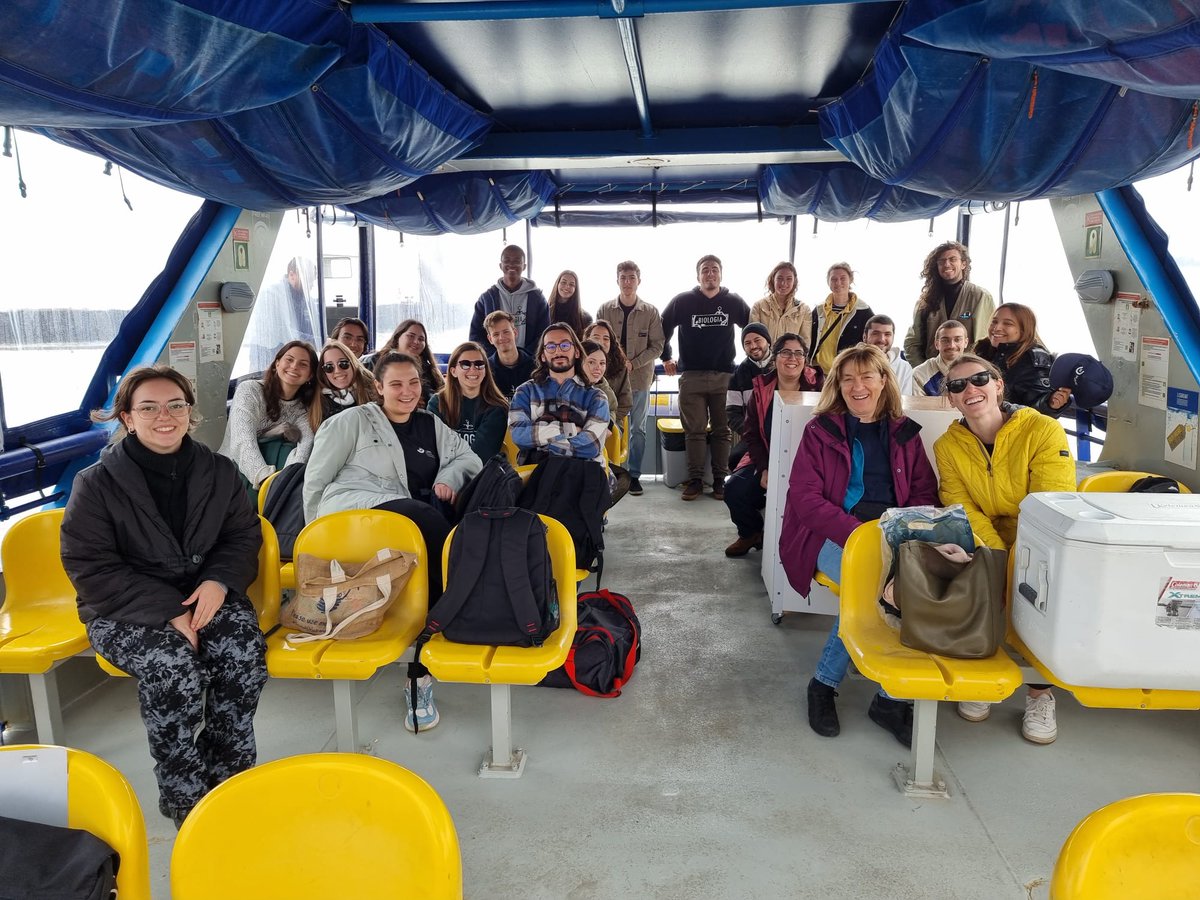
Today @BrotasVanda was delighted to take a group of students from @FC_UL on the #Lisboat ferry to learn more about marine botany and how the @CERTO_project is monitoring water quality using radiometers installed on the ferry.
https://t.co/apXX8gdpJg
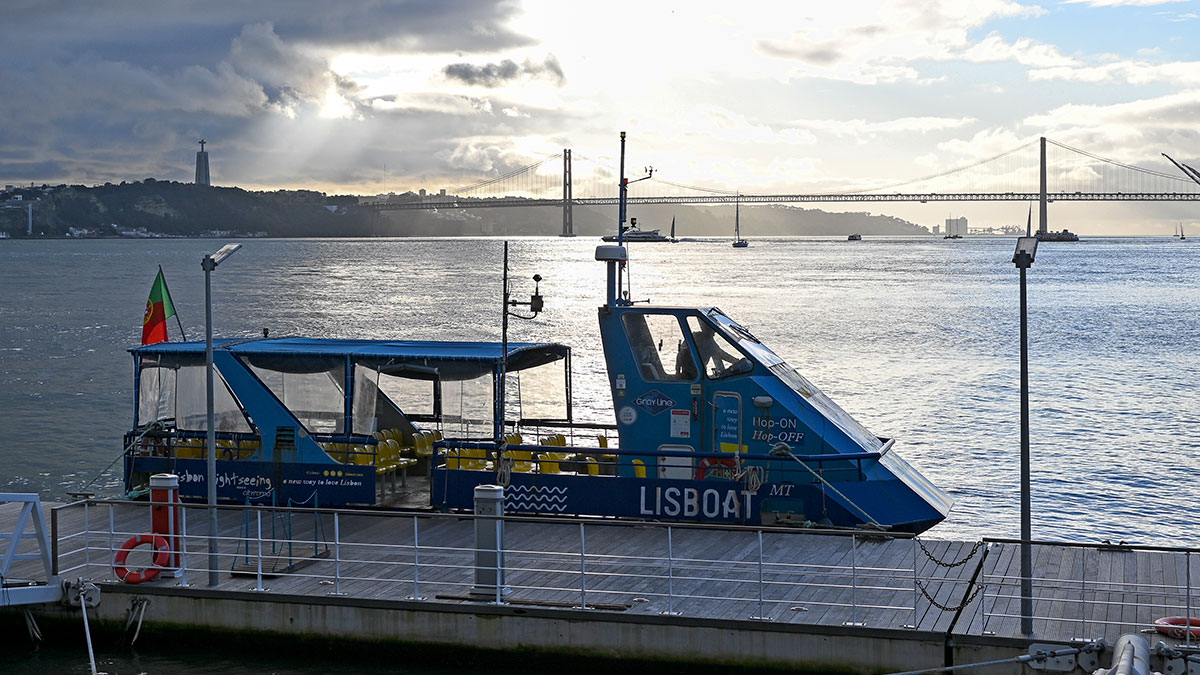
So that we can ensure the accuracy of CERTO measurements our equipment is regularly calibrated. Here is the #Lisboat after the radiometer sensors were sent out for their yearly calibration last week.
CERTO uses radiometers onboard the #Lisboat ferry to measure water quality. We were really pleased to welcome a group of students from the @ISUnet last year to learn about our work and receive specialist training in water quality monitoring.