The Coalition of Infant/Toddler Educators (CITE) is an all volunteer, non-profit org supporting the professional development & support of teachers of 0-3.
How are insecure attachments repaired?
This week I’ve been exploring the concept of attachment (a deep emotional bond created between parents and their children during the earliest months and years of life).
In doing so I’ve focused primarily on the goal of secure attachment.
But not all attachments begin securely.
Which begs a pair of questions: What causes insecure attachments and how can they be strengthened?
While anxious and disorganized attachment types can certainly result from erratic parenting, the toxic stress created by unsafe environments, and/or abuse and neglect, it’s important to keep in mind that early relational challenges occur on a broad spectrum of severity and sometimes aren’t the result of any parental shortcoming at all.
In fact, some root causes may not even be within parental control.
Children born extremely prematurely, for example, may spend weeks or months in a neonatal intensive care unit. While essential to their survival, the situation can limit early interaction with even the most attentive and well equipped parents.
What else might impact attachment quality? The list is likely a long one.
Severe postpartum depression, a prolonged military deployment… anything that might present a barrier to strong relational health between a parent and child.
In complex (traumatic) cases of disorganized attachment, families may require a combination of specialized infant mental health services, therapy, and other professional supports.
But in many cases the solution is as simple as a heaping dose of what was missing in the first place: predictably warm and responsive interactions.
Children are remarkably resilient - and while it may take time to create updated patterns of interaction and establish them as the “new normal,” insecure attachments can often become secure with focused effort.
So take heart. And watch as secure attachment begins to take hold.
——
This happy (and securely attached!) duo was shared to IG by tiny.charmzz.
Big news for #childcare funding! Today a Senate committee passed a $2.3 billion increase for early learning programs. More funds will make #childcareSTRONG and we urge Congress to support and build on this momentum for FY25. Read our statement: https://t.co/3O0f7V7E8N
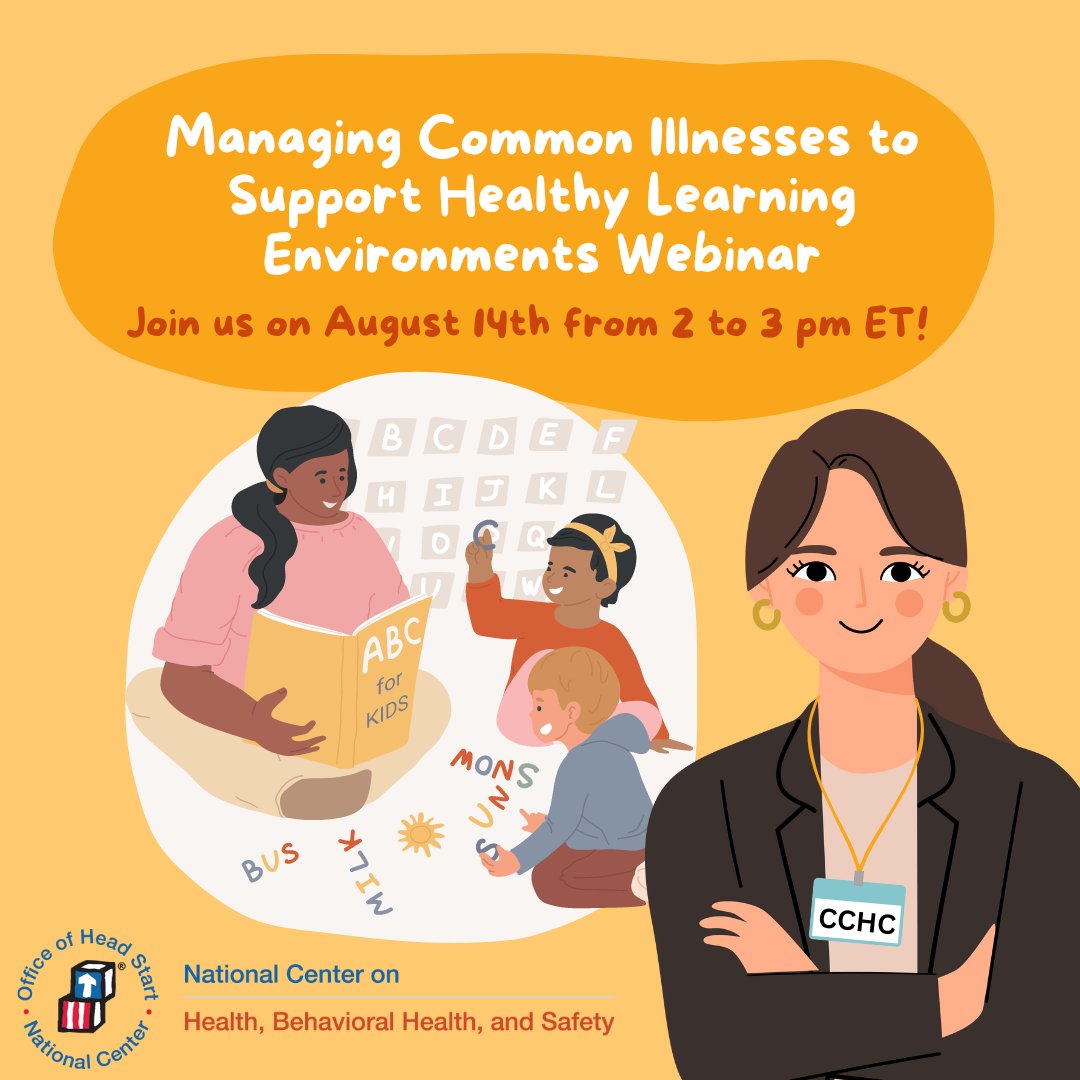
Back-to-school time is also cold and flu season. Child care health consultants (CCHCs) can help staff understand and reduce the spread of common childhood illnesses and create healthy learning environments.
Learn more at our webinar on 8/14 at 2 p.m. ET: https://t.co/iWXaoJU5Q4
¡El informe Los Niños de Newark Cuentan 2024 llegará el 8 de agosto! That's right, Newark Kids Count 2024 is all set to release on Aug 8, and for the first time ever, a Spanish version is launching alongside! #Newark#NewarkKidsCount2024#espanol#NJvotes4kids
The foundation for a trusting and supportive relationship between Head Start staff and parents is established when parents feel seen and heard.
Find out how to encourage feelings of trust and security by using a strengths-based approach in your interaction with families.
Ever wonder why your toddler’s pockets are full of rocks? 🪨
Or why household items mysteriously end up in your child’s preschool classroom?
Toddler behaviors can seem difficult to interpret - but, in truth, often follow common patterns or “schemas.”
Schemas are most commonly associated with Jean Piaget, the Swiss psychologist who coined the term decades ago. But over the intervening years, researchers have identified at least 9 common toddler play patterns.
Which brings us to this little cutie, who is engaged in one of them: Transporting.
As toddlers become mobile, they develop a keen interest in moving themselves - and other objects - from place to place. This behavior remains common well into the preschool years.
As random as it can seem, it’s all a part of their play. Blame the transporting schema.
Transporting can be frustrating at times, like when an entire pile of books appears in your hallway - but it helps to understand that this isn’t just your toddler creating chaos.
It’s them learning and growing - and following a predictable toddler urge.
This great example was posted to TT by sammci9.
Infant sleep can be such a tricky thing.
Just as soon as you get reaccustomed to resting through the night, all of a sudden your baby reverts to waking multiple times a night.
Welcome to the 8 month sleep regression.
Interruptions in sleep patterns often coincide with the development of new skills and somewhere around 8 months you’re due for the biggest of them all.
That’s because your baby is becoming mobile - and putting all the skills together to roll, crawl, and even pull to a stand in their crib.
For infants this is a HUGE breakthrough.
Imagine having spent your entire life mostly stationary, with your ability to pursue your own interests - or even adjust your view - subject to the whims of a caregiver.
Somewhere between 6-9 months most babies begin discovering a host of new abilities.
And let’s face it, some of them are a lot more entertaining than sleep.
The good news (at 3am) is that the novelty here is temporary…but there are some important ways you can help your baby to navigate this period safely.
Perhaps the most important one is illustrated in this video.
And that’s adjusting the height of your child’s crib mattress to its lowest level.
With newborns and immobile infants, it’s often convenient to elevate their mattress so they can be placed into and retrieved from the crib more easily.
But when your baby begins pulling to a stand it’s critical that you lower their mattress to prevent accidental falls.
Babies are top heavy and can easily go tumbling out without such adjustments.
You may also find that your baby masters pulling to a stand faster than they master sitting back down - which can create a crib dilemma and a need for assistance.
You can navigate through this phase more quickly by providing lots of wakeful practice in both standing and sitting, which may involve gently guiding your little one to bend their legs at the knee - or even placing an appealing toy on the ground near their feet to incentivize sitting back down.
As for the sleep regression, it’ll be over before you know it.
And while it can be frustrating in the middle of the night, think of it as a breakthrough.
Your baby is reaching new developmental milestones - and about to go fully mobile.
This sweet little guy was shared to IG by fesgheliha_.
After 9-months, here’s the first loving gaze they’ve both been waiting for. 😍
For baby, this look is the beginning of a complex and miraculous process: the development of sight.
On Day One, infants’ vision remains highly underdeveloped. Not only must newborns develop the abilities to focus, move, and use their eyes together - but they must also begin learning to use the new visual information their eyes are suddenly transmitting to their brains. It’s a lot.
Because this is all still in process, a newborns’ best visual acuity (limited and fuzzy though it remains) is on objects 8 to 10 inches from their face - which is, conveniently, the distance to the most amazing sight in the world: mom’s face.
🎥 kennedio_ TT
As a pediatrician here in South Carolina, this really breaks my heart.
We are failing our Black families every single day as a state — failing to expand medicaid, failing to protect rural hospitals, failing to provide prenatal care to 15 OB-less counties. https://t.co/LVAig2ucUT
Studies suggest that around 2 years of age, children start to show genuine empathy. Check out this little caretaker tending to her injured father’s needs.
While most states have elected to expand postpartum Medicaid coverage, many are excluding coverage for undocumented immigrants.
Read @maggieclark320's quote included in yesterday's article from @prismreports
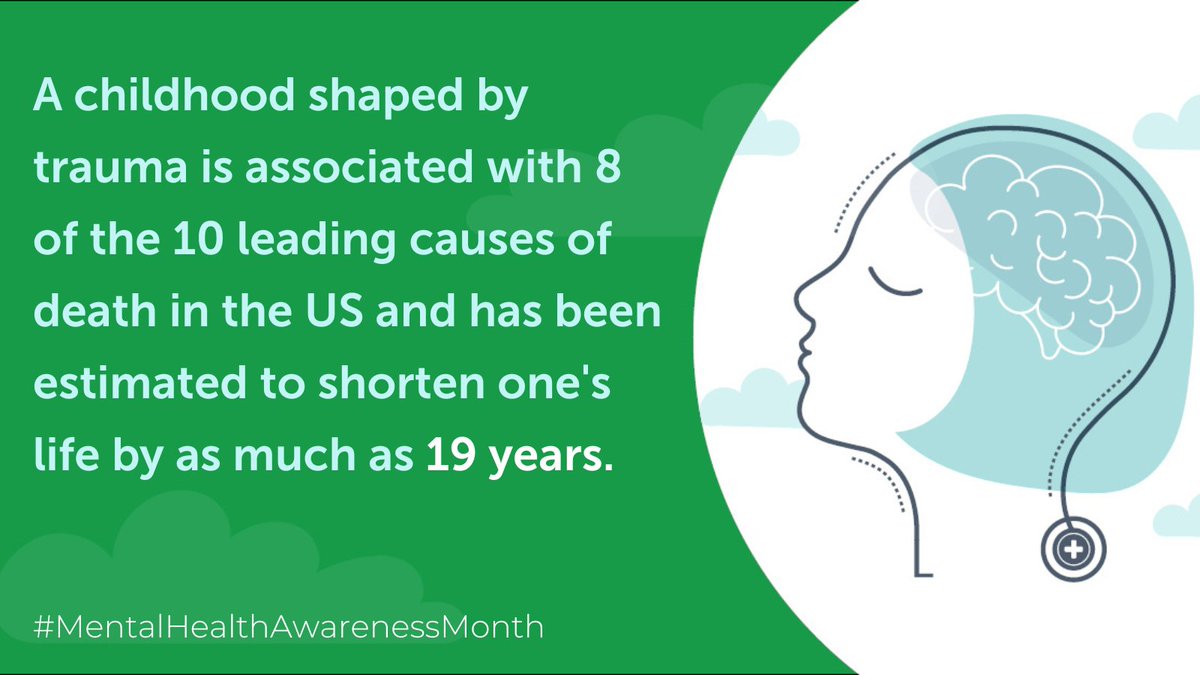
Early identification and intervention is key when it comes to infant and early childhood mental health (IECMH) and includes understanding and identifying both protective and risk factors in pregnancy and the early postnatal period.
Learn more: https://t.co/fFlNbEs0AP
GOP's Medicaid work requirements are a solution in search of a problem. Worse than that: they'll create entirely new problems, especially for vulnerable population they're supposed to help
This experiment was tried before, in Arkansas. It was disastrous https://t.co/dKnpWo6UgO