Delta Force. In the early 1970s, the military draft pulled thousands of young American men out of their civilian lives and thrust them into the unforgiving meat grinder of the Vietnam War. For many, surviving their tour and making it back home was the only objective.
For a 20-year-old named Edward Bugarin, it was just the prologue.
Drafted in 1970, Bugarin didn’t just serve his required time and walk away. He found a calling in the absolute extremes of human endurance and modern warfare. He pushed his way into the Army Special Forces, earning his Green Beret. But even that wasn't close enough to the edge.
When the U.S. military realized it needed a highly classified, dedicated counter-terrorism unit to handle the world's darkest, most complex hostage and direct-action scenarios, they built the 1st Special Forces Operational Detachment-Delta. Delta Force.
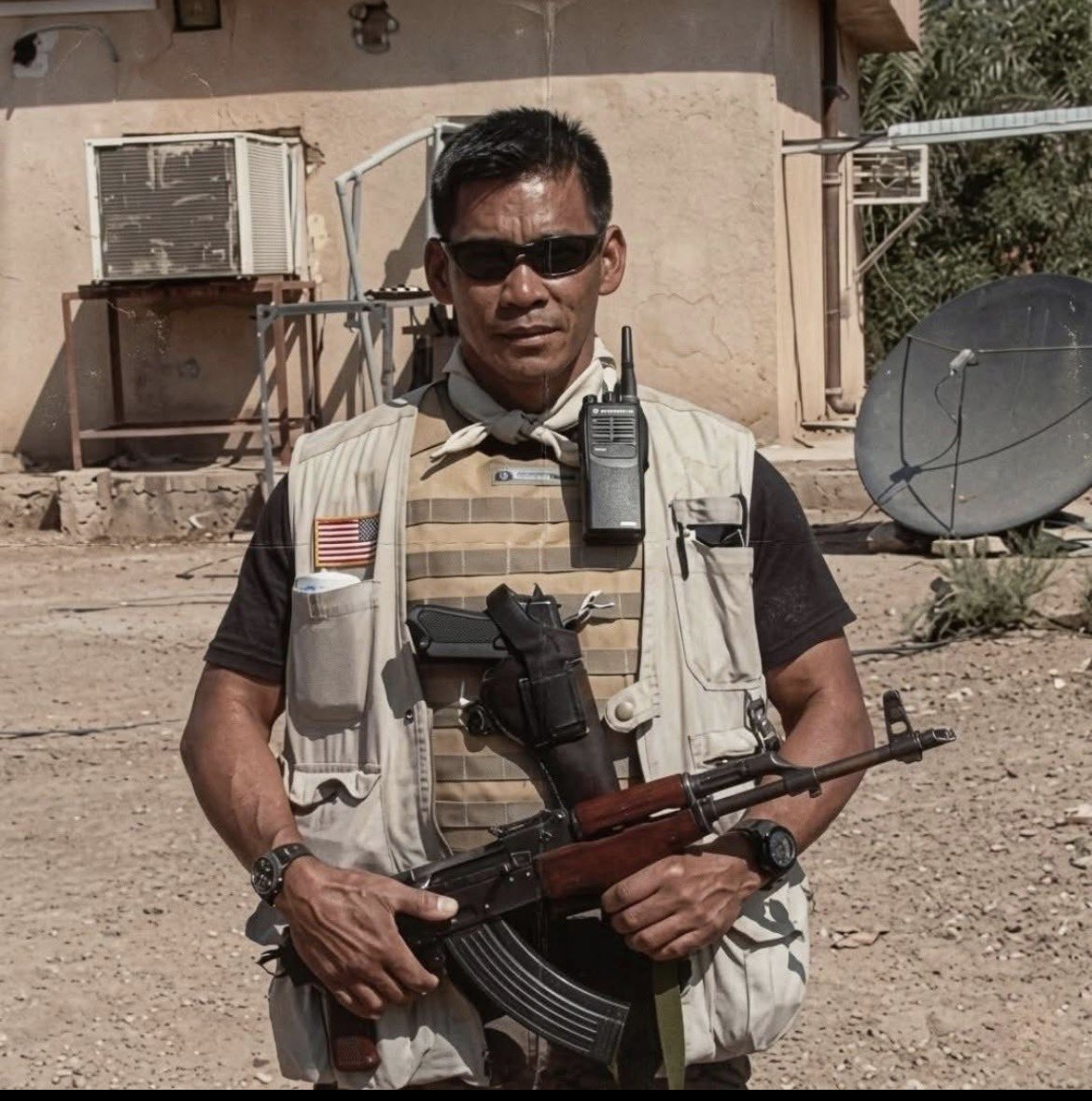
Bugarin, a fiercely dedicated Filipino-American soldier, stepped forward. He became one of the early operators in the unit, dedicating nearly twelve years of his life to a violent, high-stakes world that officially did not exist.
During the 1980s, if there was a geopolitical crisis anywhere on the map, Bugarin was likely standing in the shadows of it.
When the U.S. military launched Operation Eagle Claw—the daring, tragic 1980 hostage rescue attempt in the Iranian desert—Bugarin was part of the element. When the Cold War boiled over into the jungles of Grenada and the hostile streets of Panama, he was heavily involved in the surgical, classified operations that defined those conflicts.
But the true measure of an operator is often tested in the absolute chaos of an unexpected strike.
In 1984, the U.S. Embassy annex in Beirut, Lebanon, was targeted by a massive, devastating vehicle-borne improvised explosive device. In the horrific, blood-soaked aftermath, as the structure collapsed into burning rubble and the air filled with thick smoke, it was Sergeant Major Ed Bugarin who immediately navigated the destruction. Moving through the blast zone, he played a critical, direct role in saving the life of the American ambassador.
Bugarin didn’t just survive the physical toll of a decade in Delta Force; he completely redefined it.
He understood that standard Army push-ups and sit-ups didn't keep you alive in a close-quarters firefight or a hostage rescue. Alongside a few of his teammates, Bugarin helped design and implement the Upper Body Round Robin (UBRR)—a punishing, brutal, nine-event functional fitness test built specifically to push the most elite combatants on earth to their absolute physiological limits. It became a benchmark for Special Operations fitness.
By the time he retired in 1992, Bugarin had given 22 years to the U.S. Army. He was a master of close-quarters battle, a physical powerhouse, and a quiet professional who operated in the most dangerous corners of the globe.
Most Americans picture a very specific Hollywood stereotype when they think of the men who built the foundation of America's elite counter-terrorism apparatus. Very few know the name of the Filipino-American Sergeant Major who helped write the book on special operations fitness, pulled an ambassador from the burning rubble, and spent a dozen years hunting in the dark.
Now you do.
Special Forces Raid VBIED Factory in Baghdad – Iraq
Special operations forces launch a raid on a VBIED (vehicle-borne IED) factory known as the “Debash” auto shop in Baghdad, used for assembling car bombs for insurgent attacks.
Operators move in to clear and secure the site, with radio communications capturing the intensity of the operation as the team works through the compound and dismantles the bomb-making network.
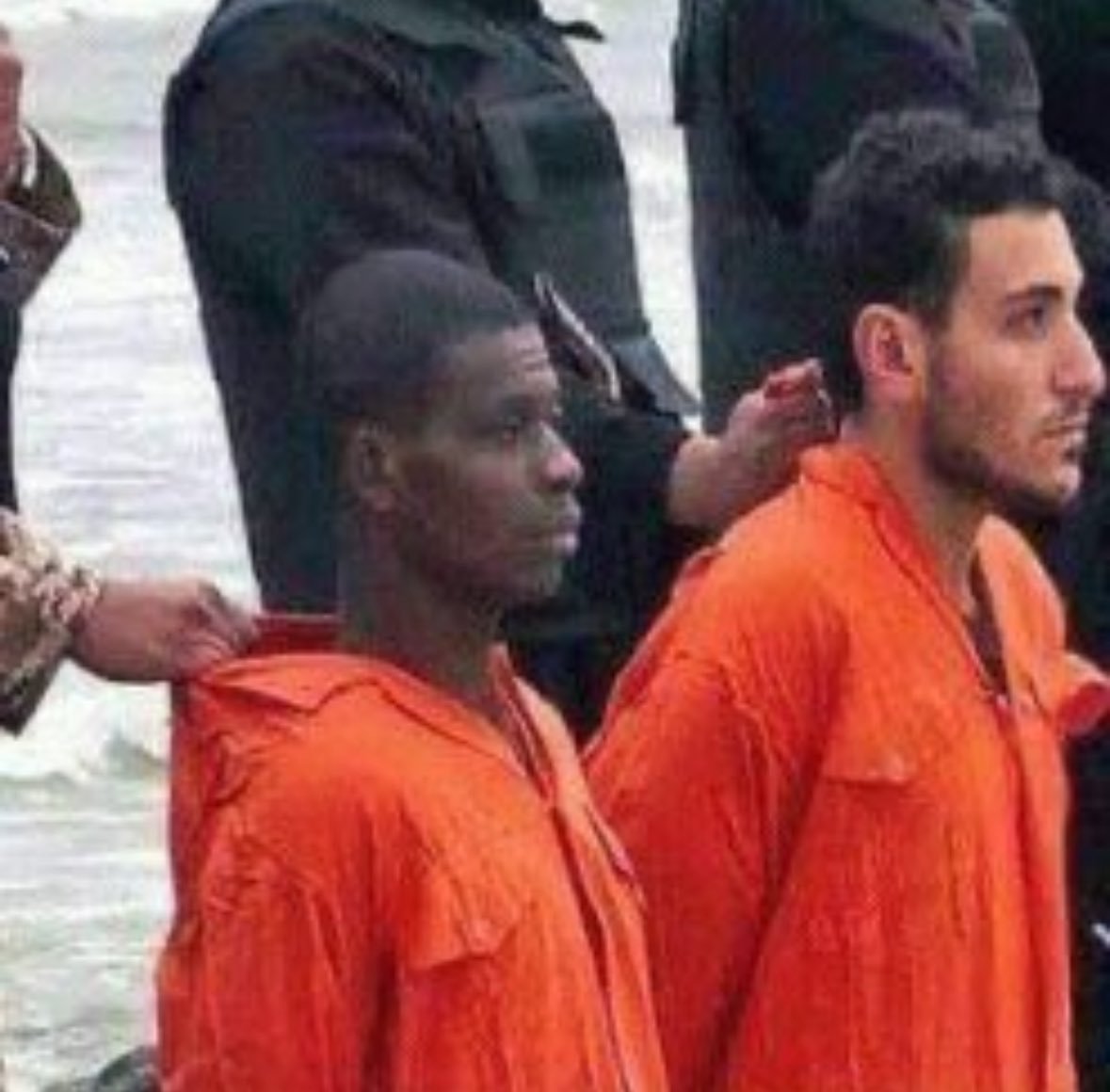
This is Matthew Ayegra.
11 years ago, he was murdered by Islamic extremists along with 20 others.
He wasn’t a Christian.
But after seeing the faith and courage of other captives refusing to deny Christ, when he was asked to renounce Him he reportedly said, “Their God is my God.”







![oprktr's tweet photo. >[ A F P - A K M ] https://t.co/47lvnRIojZ](https://pbs.twimg.com/media/HGcWsM-boAIR4h5.jpg)