Sometimes you might want to run AI models locally without bloating your computer or taking up too much space.
And you can do this using Azure + Docker to set up a virtual machine that runs the models inside a container.
Here, @shricodev walks you through the process step by step.
https://t.co/0QbJ580WJE
🥳 This week we announced Agent Substrate. It's the compute runtime (that can work on Kubernetes) that enables everything you've seen from me. We can suspend and resume so fast that you can do it per tool call.
👉 https://t.co/KXnycyfkKi
👉 https://t.co/O2ZKJNkVLX
More on our tetrahedral cage research: the numbers behind the demo video. 🌳
📉 <2GB of BVH memory, vs. up to 80GB for conventional animated BVHs.
⚡ 500M+ animated triangles ray traced per frame at 60+ FPS.
See the breakdown ⬇️
https://t.co/gJGiuUFjeH
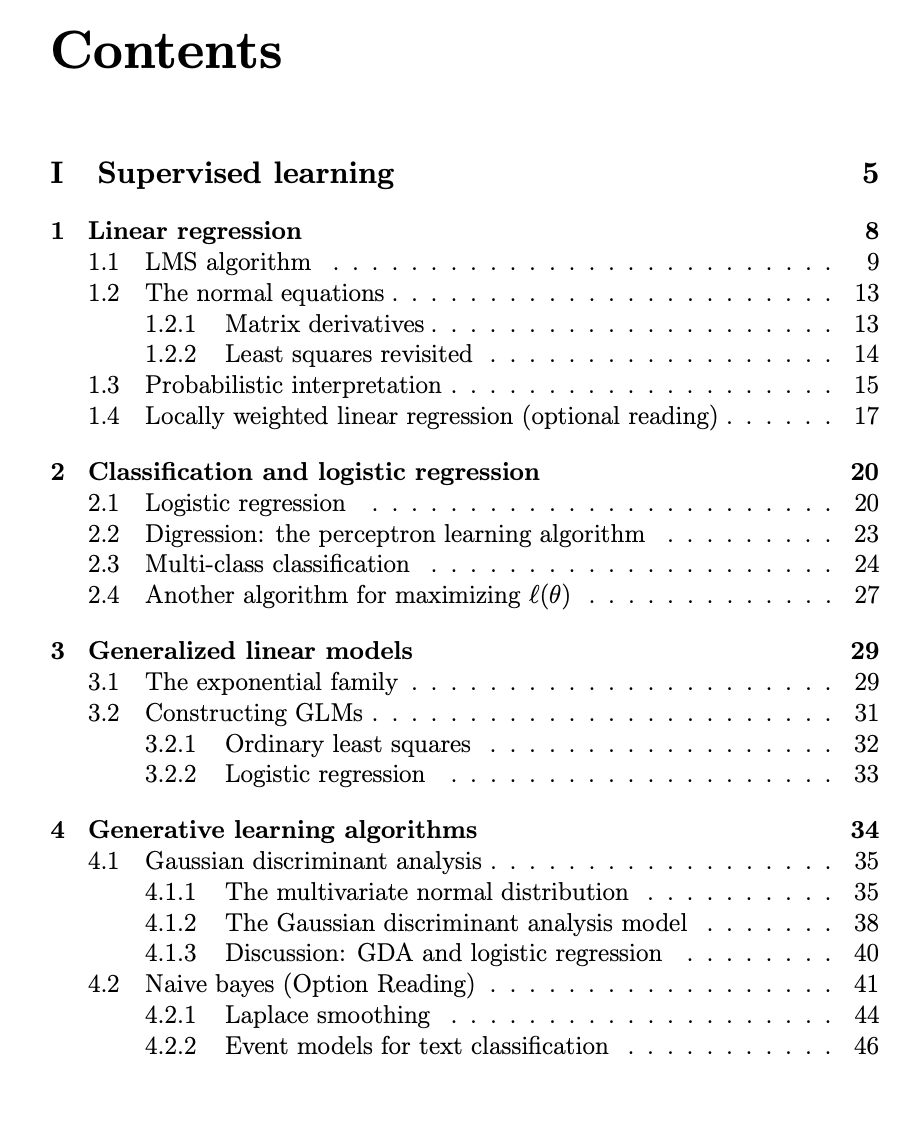
Machine Learning from Stanford - by Andrew Ng
This complete lecture notes for the course CS229 is now AVAILABLE FREE.
Download from here → https://t.co/hQqEkI8fHj
Apache Kafka is a powerful tool used in building real-time data pipelines and streaming applications.
But managing Kafka clusters - especially as they grow more complex - can be challenging.
In this guide, Ramesh explains why you should stop doing this manually, and how to use Kafka UI + Cruise Control instead.
https://t.co/pTLuJTrIDo
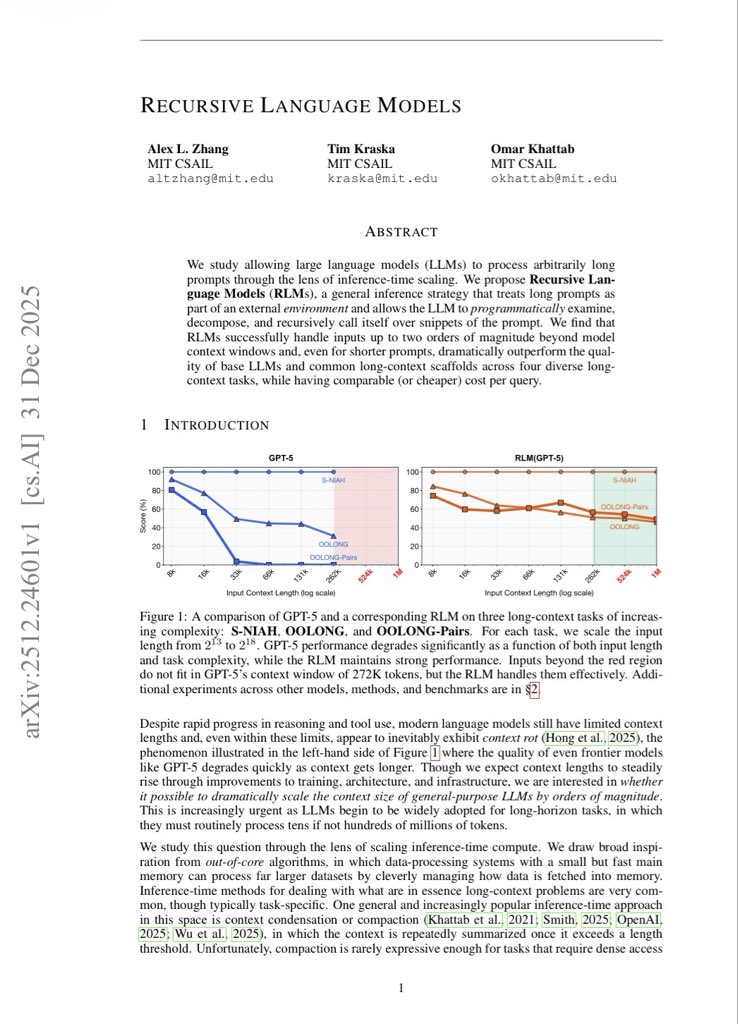
R.I.P. basic prompting.
MIT just dropped a technique that makes ChatGPT reason like a team of experts instead of one overconfident intern.
It’s called “Recursive Meta-Cognition” and it outperforms standard prompts by 110%.
Here’s the prompt (and why this changes everything) 👇
APIs help applications communicate and exchange and verify data.
And in this in-depth guide, @KraneOliver explains how they work and their different types.
You'll also learn about their different architectural styles like REST, SOAP, and GraphQL + how to choose the right approach for your project.
https://t.co/vNJPZjbMhe
What if you could see your entire dependency tree with one command?
Debugging version conflicts requires knowing which packages depend on what. But tracing these relationships manually through nested dependencies is tedious.
uv tree handles this automatically, displaying the full dependency graph so you can trace any package back to its source.
Key capabilities:
• Complete dependency visualization
• Flag dependencies with available updates
• Find which packages depend on a specific library
• Filter the tree to show only a specific package's dependencies
Install uv with "pip install uv".
—
📬 This post is part of an upcoming CodeCut newsletter. Get the full edition → https://t.co/mKgCLki26J
#Python
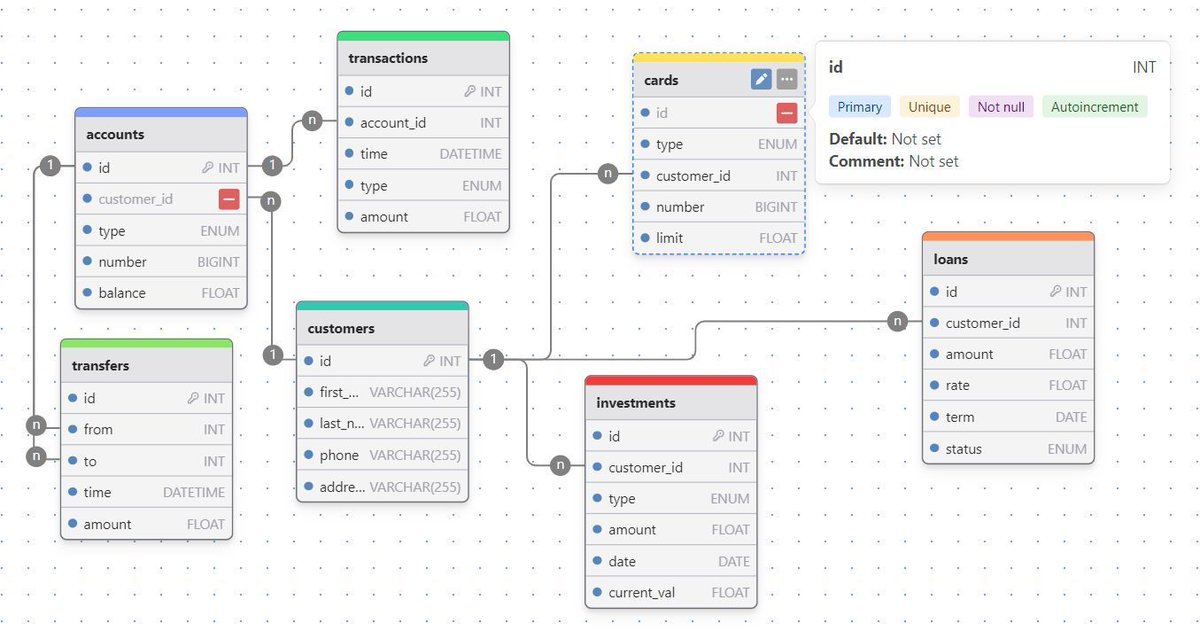
Have you ever sketched a database schema on a whiteboard, then spent hours converting it to SQL?
There's a faster way to go from diagram to production-ready code.
With DrawDB, your database diagram becomes the code. Just drag tables onto a canvas, connect them visually, and export SQL for 6 databases.
Key benefits:
• Draw tables and relationships on a visual canvas
• Export production-ready SQL for MySQL, PostgreSQL, SQLite, MariaDB, MSSQL, and Oracle
• No account or subscription required
• Share diagrams with your team instantly
Plus, DrawDB is 100% free and open source!
️📦 Link to the repository: https://t.co/wGv0t80GRE
—
📬 This post is part of an upcoming CodeCut newsletter. Get the full edition → https://t.co/mKgCLki26J
#Database #SQL #DataEngineering #OpenSource
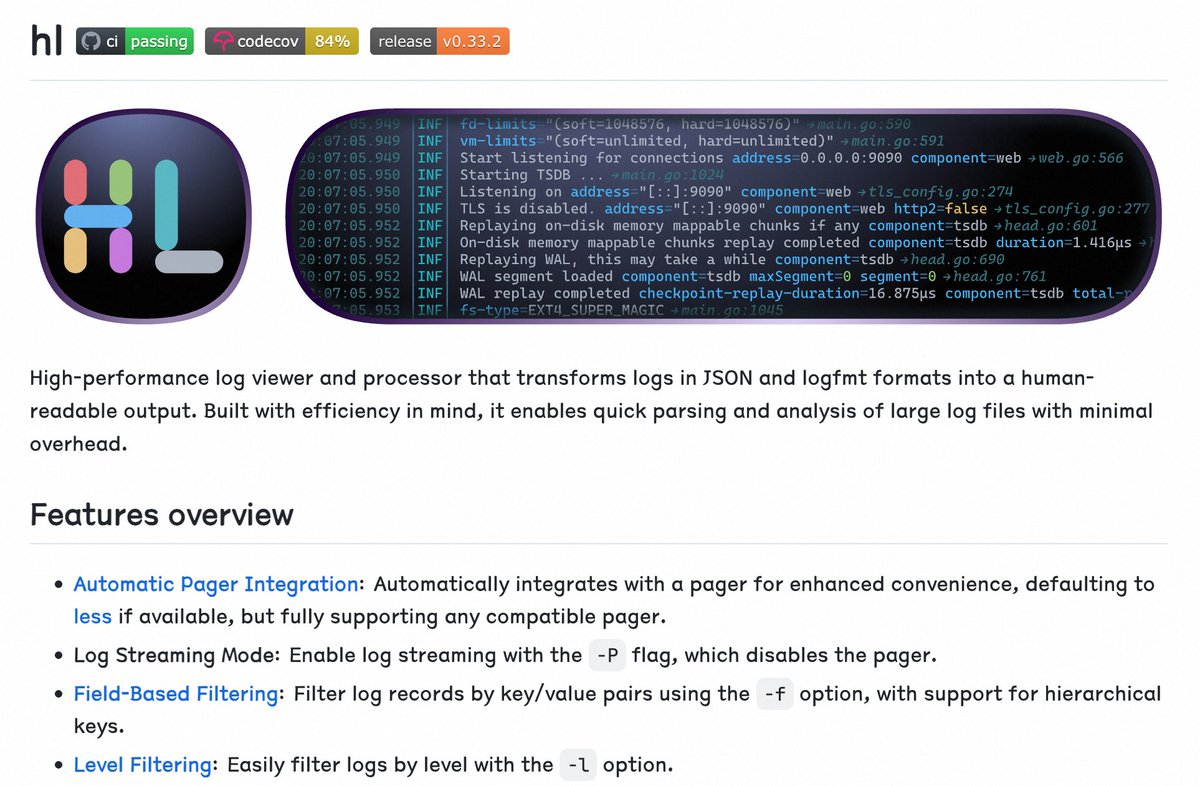
Found a great log viewing tool called hl.
It’s a fast, efficient log viewer that turns JSON and logfmt logs into clean, human-readable output, making it easy to scan and analyze large log files with minimal overhead.
https://t.co/waSiS1kb4I
Networking is a key part of any Linux system.
And you'll need to understand the network interface when setting up servers, managing device traffic flow, etc.
In this guide, @EtiIjeoma teaches you how to configure network interfaces in Linux - and covers some best practices, too.
https://t.co/Xk5AnOsfIx
I'm Boris and I created Claude Code. Lots of people have asked how I use Claude Code, so I wanted to show off my setup a bit.
My setup might be surprisingly vanilla! Claude Code works great out of the box, so I personally don't customize it much. There is no one correct way to use Claude Code: we intentionally build it in a way that you can use it, customize it, and hack it however you like. Each person on the Claude Code team uses it very differently.
So, here goes.
Free APIs You Can Use in Your Projects
useful free APIs for developers, great for testing, learning, and building cool projects.
1. Weather: OpenWeather (https://t.co/U2JOuGwaLD)
2. Countries: REST Countries (https://t.co/cUY7aSScb5)
3. News: NewsAPI (https://t.co/fHd4JCQZr8)
4. NASA: NASA Open API (https://t.co/1WpckfF9Ce)
5. Jokes: JokeAPI (https://t.co/LChJSefZZ1)
6. GitHub: GitHub REST API (https://t.co/xpVgE0pyFw)
7. JSON Placeholder: JSONPlaceholder (https://t.co/3au7oJEiFs)
8. Food Data: OpenFoodFacts (https://t.co/bSJNfydJHg)
9. Plants Database: Trefle (https://t.co/8W0UQqnkFM)
10. Movies: The Movie DB (https://t.co/o4ChKqKYsK)
11. GIFs: Giphy (https://t.co/4NcH2EUnyn)
12. Flight Tracking: OpenSky Network (https://t.co/rSoz7ia5PJ)