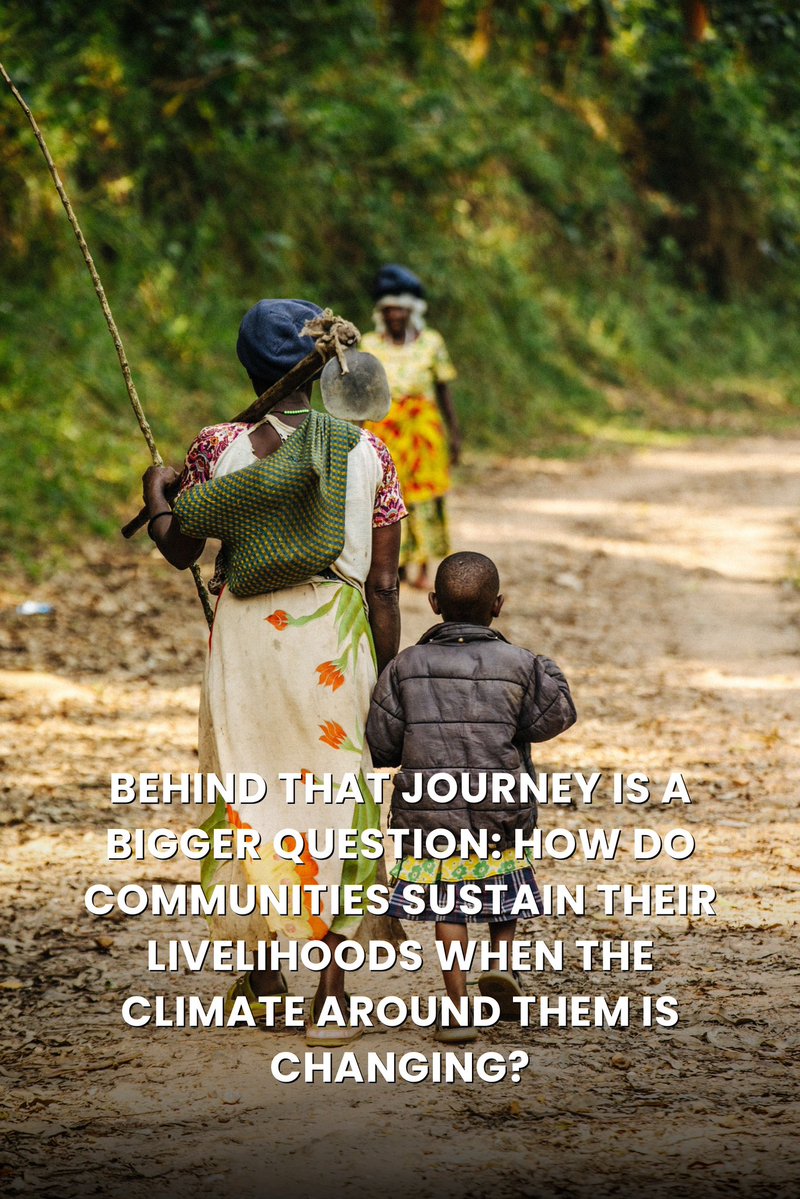
While heavy rains are leaving destruction in some communities, others are desperately waiting for enough rain to plant, grow and harvest.
The question is no longer simply whether it will rain, but where, when and how much.
📸: @CLIMEDIA256
The climate crisis is reshaping daily life for Batwa communities.
From declining harvests to shrinking grazing areas and distant water sources, families are having to adapt to conditions that are increasingly difficult to predict.
For them, climate change is lived, not just discussed.
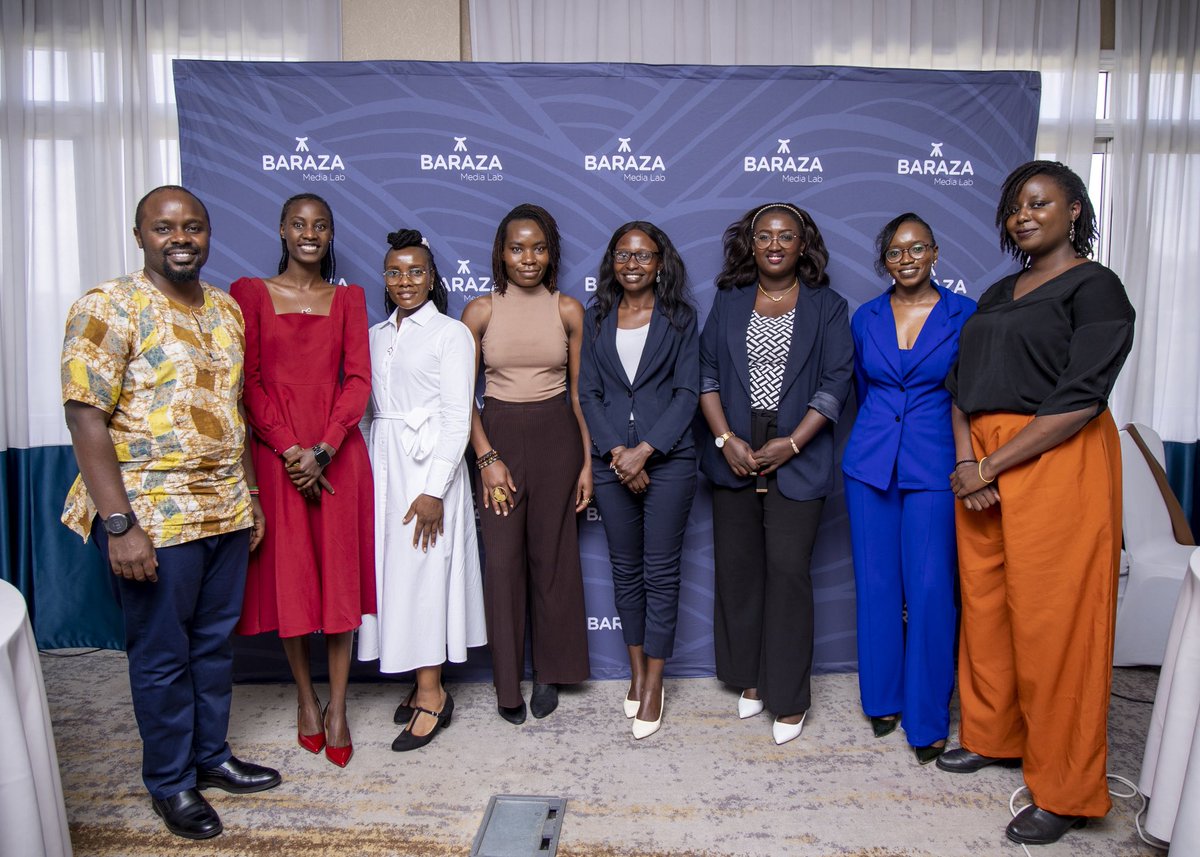
I had the opportunity to join Baraza Media Lab, IMS and DDI in Kampala for a timely conversation with around a question that matters : Are climate stories being heard or misheard?
As a journalist, I shared why climate stories can sometimes be misheard, especially when they are presented in complex data and technical language. Journalists, organisations and communicators have a role in simplifying this information and making it understandable and relevant to communities.
It was a meaningful space to reflect on how we tell climate stories, whose voices are included, and how we can ensure communities are not only part of the conversation, but are truly heard.
So, are climate stories being heard or misheard? Perhaps the answer depends on who is telling the story, how it is being told, and whose voice is missing.
During the Baraza meeting in Kampala, we shared insights around the question: Are climate stories being heard or unheard?
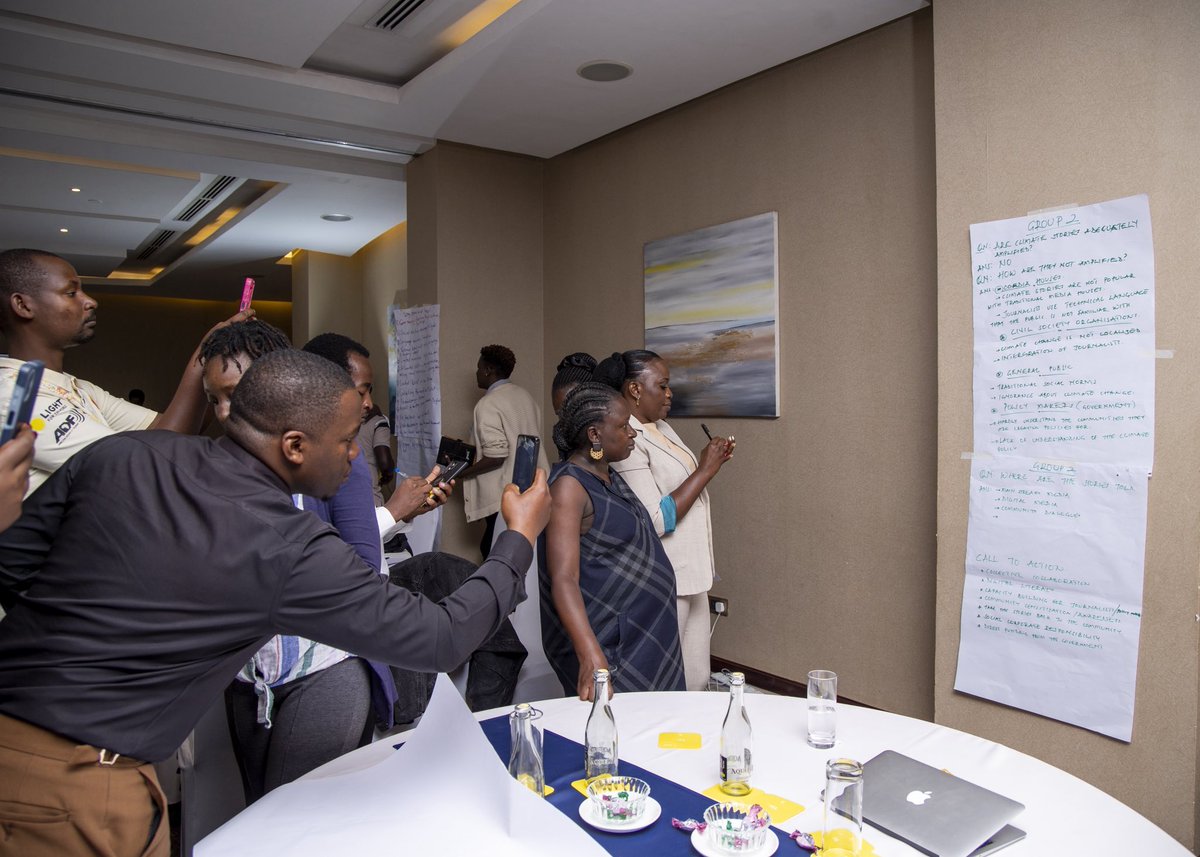
The conversation brought together journalists, activists, CSOs and Indigenous Peoples, alongside partners from Baraza Media Lab, IMS and DDI, to reflect on whose climate stories are being amplified, whose voices remain unheard, and how climate misinformation and disinformation shape what communities see, hear and believe.
We shared experiences, challenged dominant narratives and explored how media can strengthen accurate, inclusive and community-centred climate storytelling especially by making space for voices that are too often overlooked.
I added my voice to the conversation, reflecting on the role of media in making sure climate stories are not only told, but truly heard especially the voices of communities most affected.
I also spoke about how misinformation often travels faster and further than facts, while data-driven climate stories can be difficult for communities to access, understand and engage with. When there is little space for people to question, verify or challenge what they hear, misinformation can easily fill that gap.
We joined our partners Baraza Media Lab, IMS and DDI in Kampala for a timely conversation on climate misinformation and disinformation and the stories and voices that often get overlooked.
It was a powerful space for journalists, activists, CSOs and Indigenous Peoples to share experiences, challenge narratives and reflect on how climate information reaches communities.
Are climate stories misheard or unheard?
Climate misinformation and disinformation can shape how communities understand and respond to climate action. Baraza Media Lab, with IMS, brought journalists, activists, CSOs and Indigenous Peoples together in Kampala to map where these stories emerge and whose voices are missing.
switched by @ShibaNakakande
Are climate stories misheard or unheard?
Climate misinformation and disinformation can shape how communities understand and respond to climate action. Baraza Media Lab, with IMS, brought journalists, activists, CSOs and Indigenous Peoples together in Kampala to map where these stories emerge and whose voices are missing.
switched by @ShibaNakakande
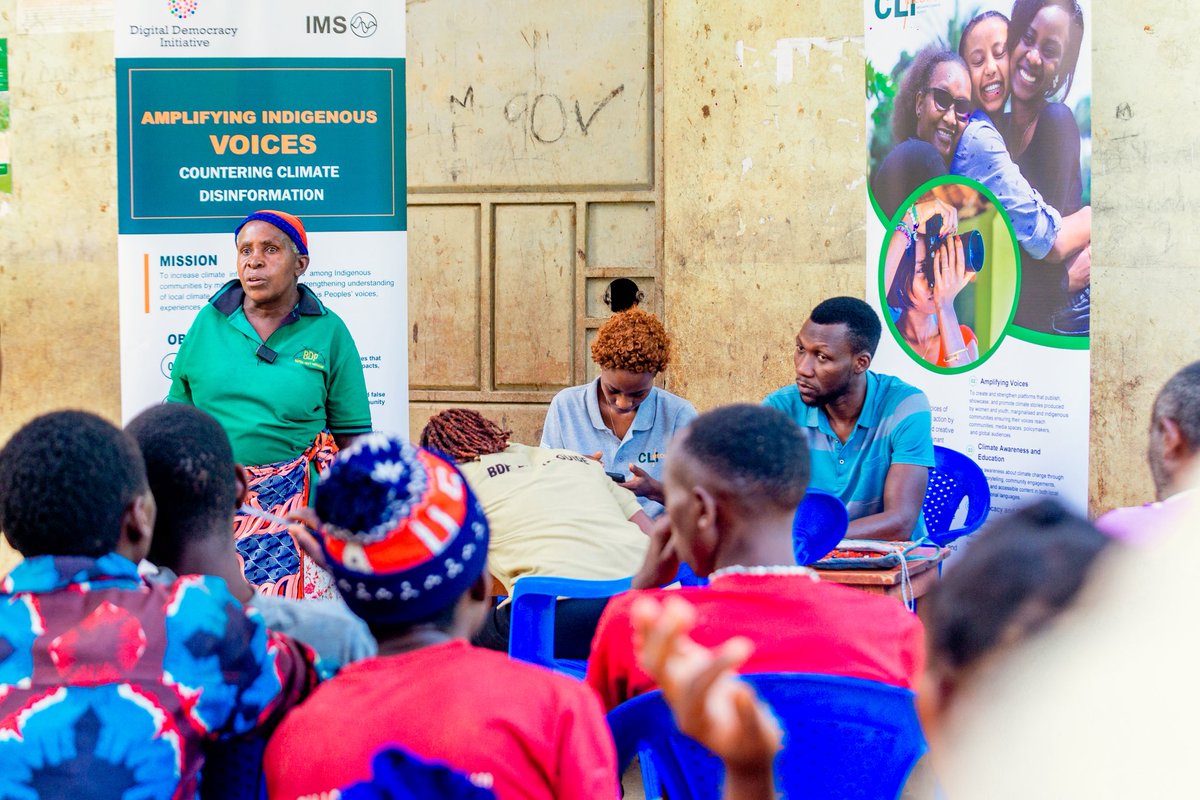
What happens when the environment around you is changing, but no one is giving you the information to understand why?
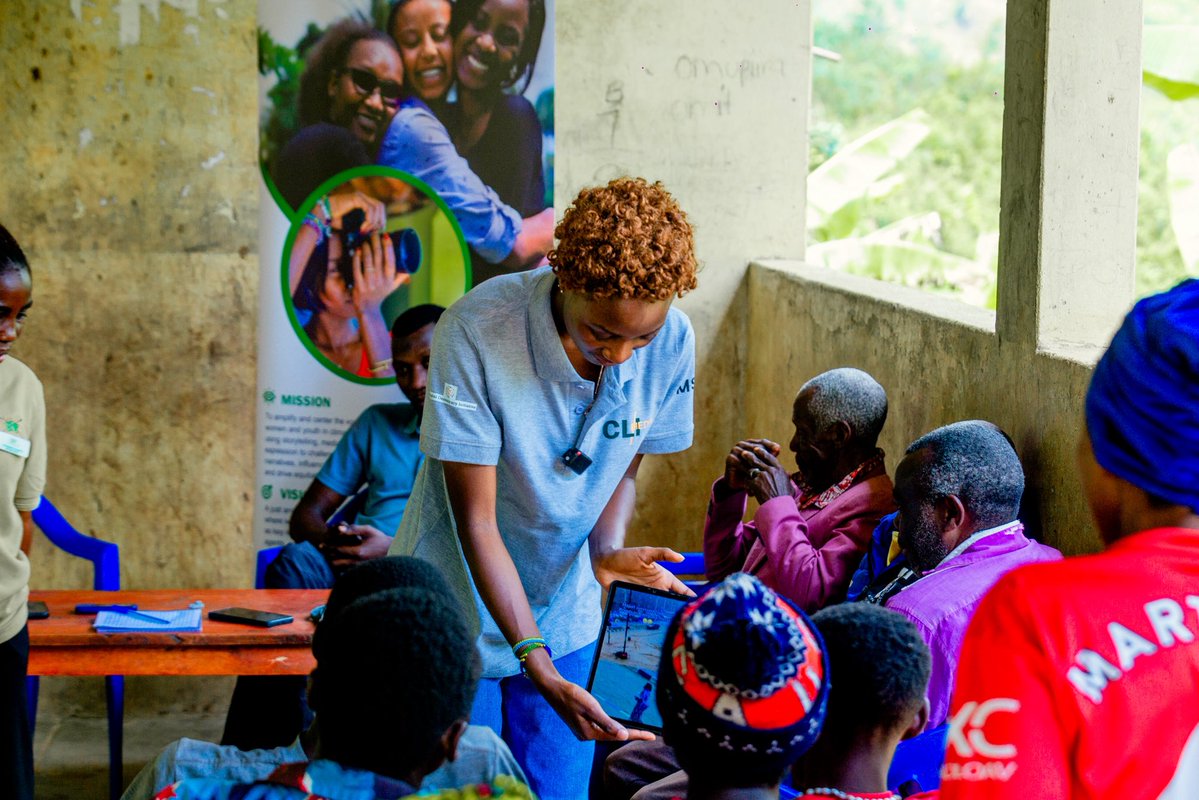
For many Batwa communities, environmental change is not an abstract climate conversation. It is something they experience in their forests, food systems, livelihoods and everyday lives.
Yet when reliable climate information is inaccessible or doesn’t speak to people’s realities, misinformation and unanswered questions can fill the gap.
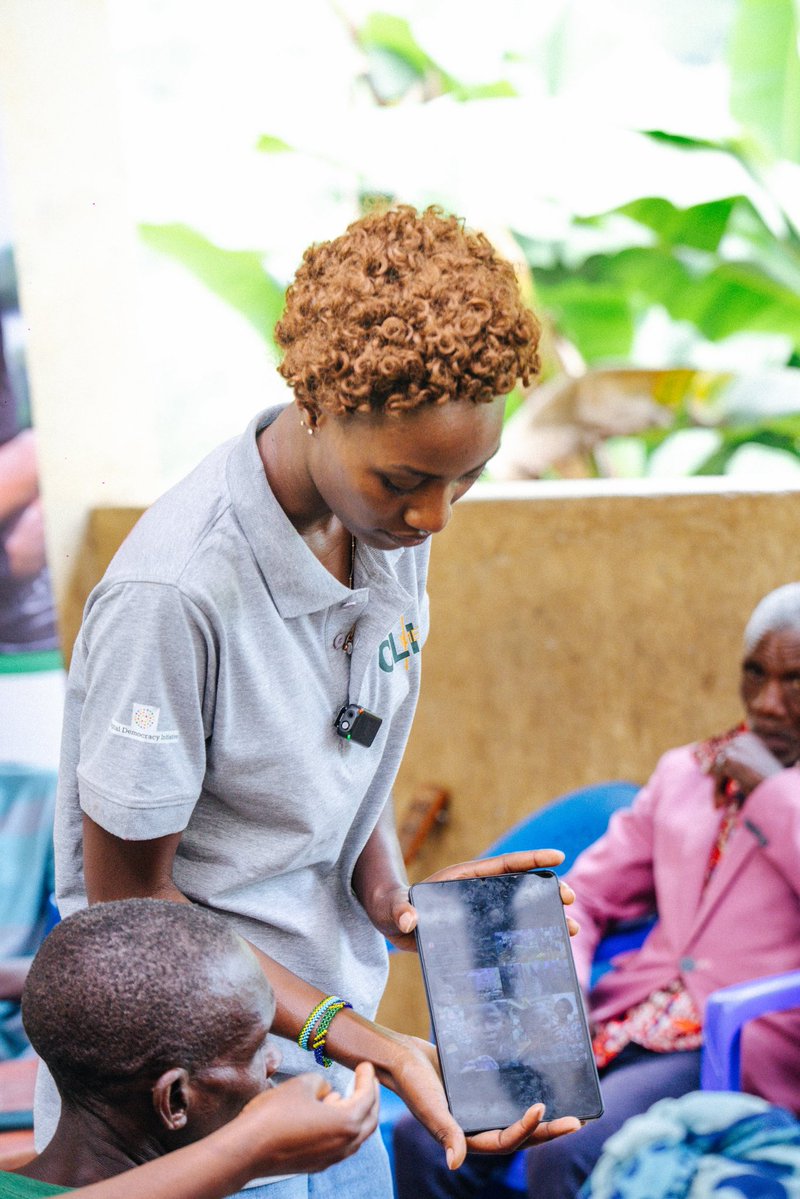
Information must be accessible, understandable and rooted in the realities of the communities experiencing these changes firsthand.
Because you cannot respond to what you have never been given the chance to understand.
#BatwaVoices #AmplifyingIndigenousVoices #CounterClimateDisinformation
The destruction of forests is not always loud. Sometimes it happens tree by tree, fire by fire, until one day, the landscape is no longer recognizable.
Here in Bwindi, what was once a thriving forest is slowly turning into a bare and degraded landscape.
How much more of Bwindi must we lose before we act? We need urgent investment in forest protection, restoration, and sustainable alternatives to charcoal burning.
Being part of this work in Bwindi allowed me to witness firsthand how charcoal burning and bush fires are changing landscapes that once thrived with trees and biodiversity.
What we are seeing is more than the loss of trees. It is the loss of habitats, biodiversity and the natural systems communities depend on.
These realities must not only be documented, they must drive action. We need stronger forest protection, restoration, sustainable alternatives to charcoal, and partnerships that put communities at the centre of conservation.
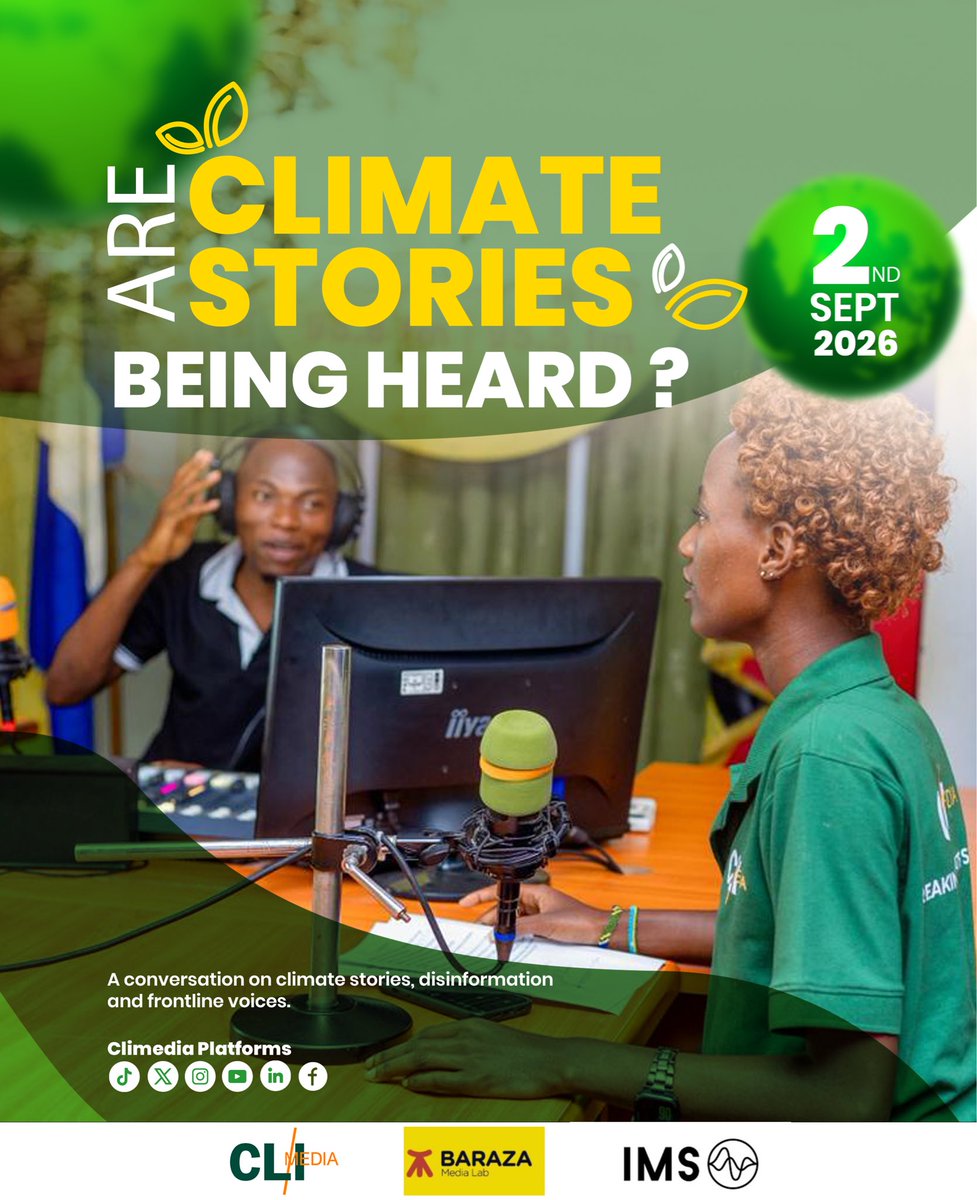
ARE CLIMATE STORIES BEING HEARD?
Or are they being drowned out, distorted, or misheard?
Uganda’s frontline communities are telling their climate stories. But are the right people listening?
Join us for a conversation on climate stories, disinformation and the voices of Uganda’s frontline communities.
📅 2 SEPTEMBER 2026
📍 KAMPALA, UGANDA
Misinformation ≠ Disinformation
A false claim can spread without the person sharing it knowing it is false. That is misinformation.
But when false or misleading information is created or deliberately shared to deceive, manipulate or influence people, that is disinformation.
The difference is important. Both can cause harm, especially when they shape how communities understand climate change, environmental challenges and the decisions they make.
Don’t measure truth by how many times you hear something. Question the source. Look for evidence. Verify before you share.
#CounterClimateDisinformation #Batwa #VerifyBeforeYouShare
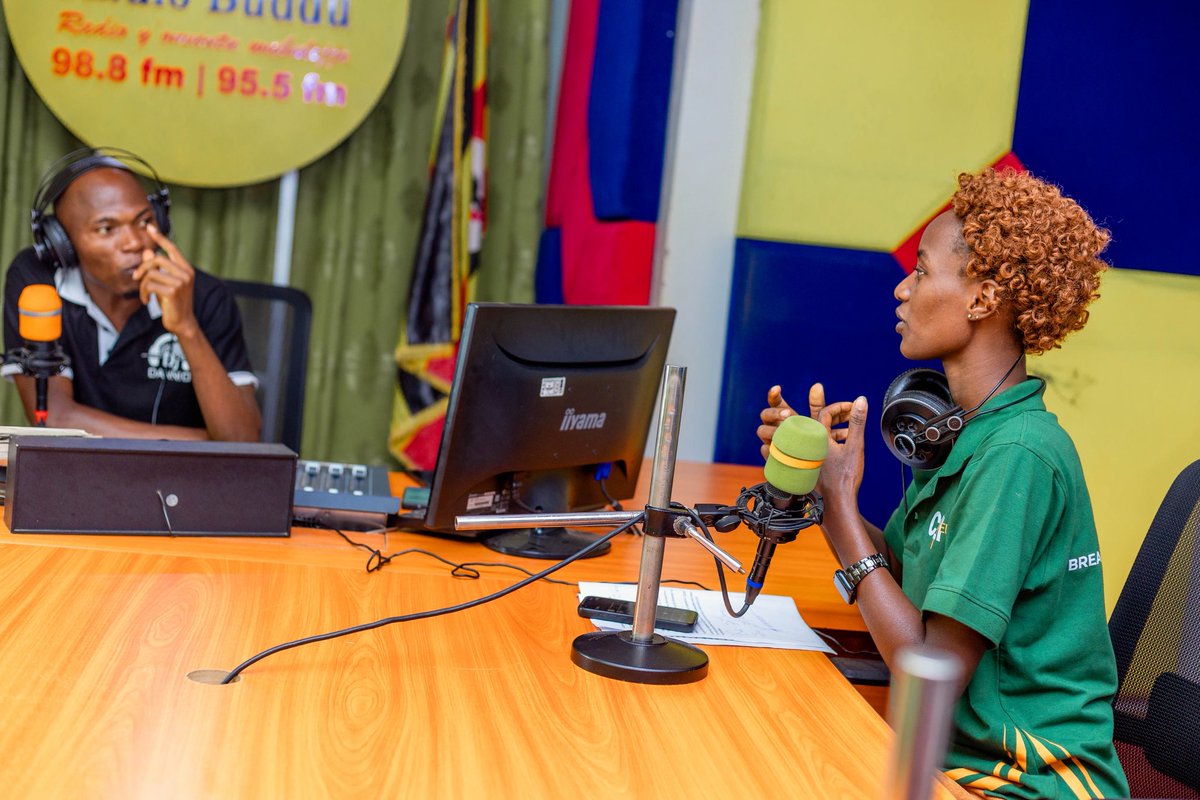
From Community Conversations to the Airwaves.
We took our conversation on climate information and disinformation to radio, engaging directly with listeners on how climate related information spreads through communities and how misleading claims can influence understanding and decision making.
We discussed how to question sources, identify misleading information, look for evidence and verify claims before sharing them. Listeners actively participated by asking questions, sharing concerns and seeking clarification.
Countering climate disinformation starts with informed communities that have the confidence to question what they hear.