Journal dedicated to advancing theory & practice in heritage management and conservation from academic & professional perspectives. Editor @Heritage_arch
We at Conservation and Management of Archaeological Sites are excited to be on Twitter, and welcome submissions to the journal from academics and heritage professionals alike. Looking forward to hearing from you! #Archaeology#Twitterstorians#Heritage https://t.co/gyWjM41BUH
Hesein & Al-Belushi measure current & potential risks to built heritage in Bawshar. Satellite imagery and GIS were used to classify change-related risks to built heritage and risk maps were produced for the built heritage sites.
https://t.co/0YbTgIXARC
Call for papers – Special Issue
"Archaeological Heritage and Tourism: The Intersection"
Interested authors should send their expression of interest and abstract (maximum of 300 words) by December 15 to [email protected].
https://t.co/S5hgMLQvlN
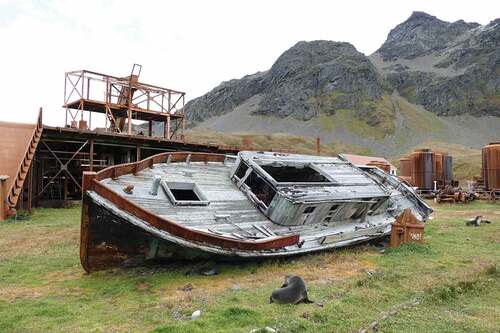
Flyen & Thuestad provide a review of previous and current research into the effects of fungal decay on historic wooden structures in polar regions. They demonstrate deterioration is occurring & call for further research to mitigate effects.
https://t.co/hZL67oISUW
Westin et al. used photogrammetric processes to create virtual overlays of rock art images. These superimposed images enhance & better communicate the engravings to the public & could be further modified to serve as an interpretive and educational tool.
https://t.co/vReO1DPTef
Dorn & Whitley explore effects of wildfire on a Hohokam petroglyph, comparing pre-fire sample to samples taken after fire. They suggest removing all vegetation surrounding petroglyphs to protect from thermal shock.
https://t.co/4BhwMDpkVV
Kisusi & Lwoga study the Kondoa Rock Art World Heritage Site to explore tensions between Western conservation philosophy and local conservation systems, arguing for an integrated approach to conservation of the site mixing modern & traditional practices.
https://t.co/WULOQnABlP
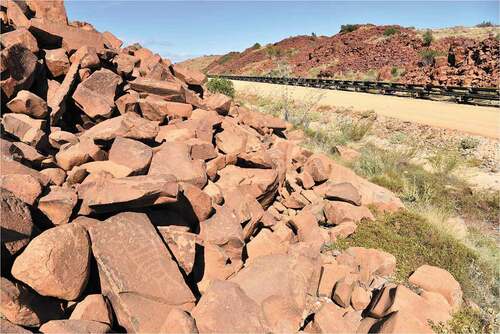
Smith et al. discuss effects industrialization on petroglyphs located in the sacred landscape of Murujuga in NW Australia. They found half the petroglyphs show “symptoms of damage” and call for a reduction of industrial emissions to limit further damage.
https://t.co/BYVUAScUZG
Anisi discusses development of a conservation plan for Tepe Hissar, a 4th- 3rd millennium BCE site in Iran. Anisi applies a SWOT analysis to evaluate the site before arguing for integrated site management ensuring participation of the local community.
https://t.co/gXuzotp5O9
Authors Ro and Matero use historic photos & 3D modeling to digitally visualize erosion on the 18th-century Guevavi Mission - then estimated volume and percentage of loss to the historic fabric to ‘reverse monitor’ the adobe church and mission.
https://t.co/vLTYBdN4kT
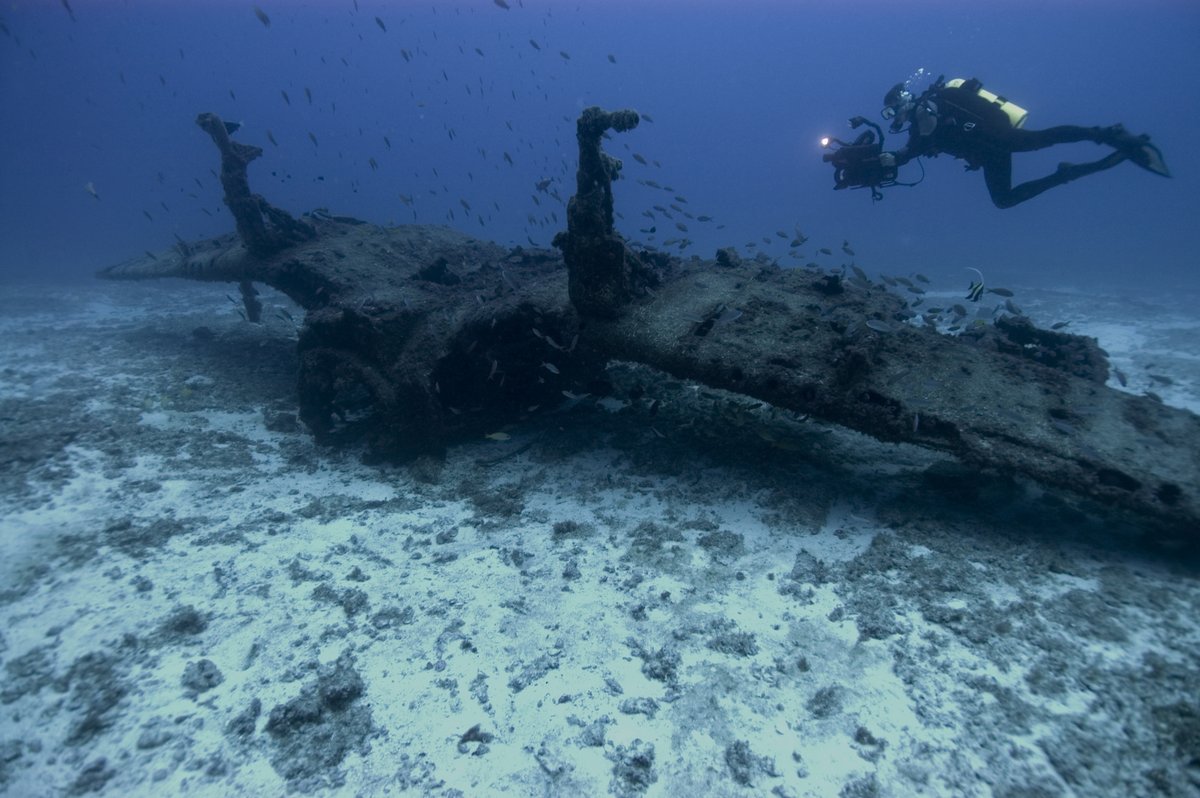
Bush analyzes the US Navy’s revised Navy Trade and Exchange Program. Bush reviews the past program's effects on sunken military aircraft. He also advocates for a nuanced approach to site management, interpretation, and potential in situ preservation.
https://t.co/3z2uLIu8ut
Ainur Tuzbekov uses online ethnographic analysis (‘netnography’) of social media networks to explore which areas/resources in Bashkortostan are most frequently looted. He recommends this method to better identify looters and protect cultural resources.
https://t.co/9iRVAQSlWc
Hamisu Sani Ali and Ruth Samuel Agbu describe threats to Badalar Kano and offer several recommendations to preserve this important heritage site. Built more than 1000 years ago for defense, it now serves as a national monument and tourist attraction.
https://t.co/UlpICOhTz7
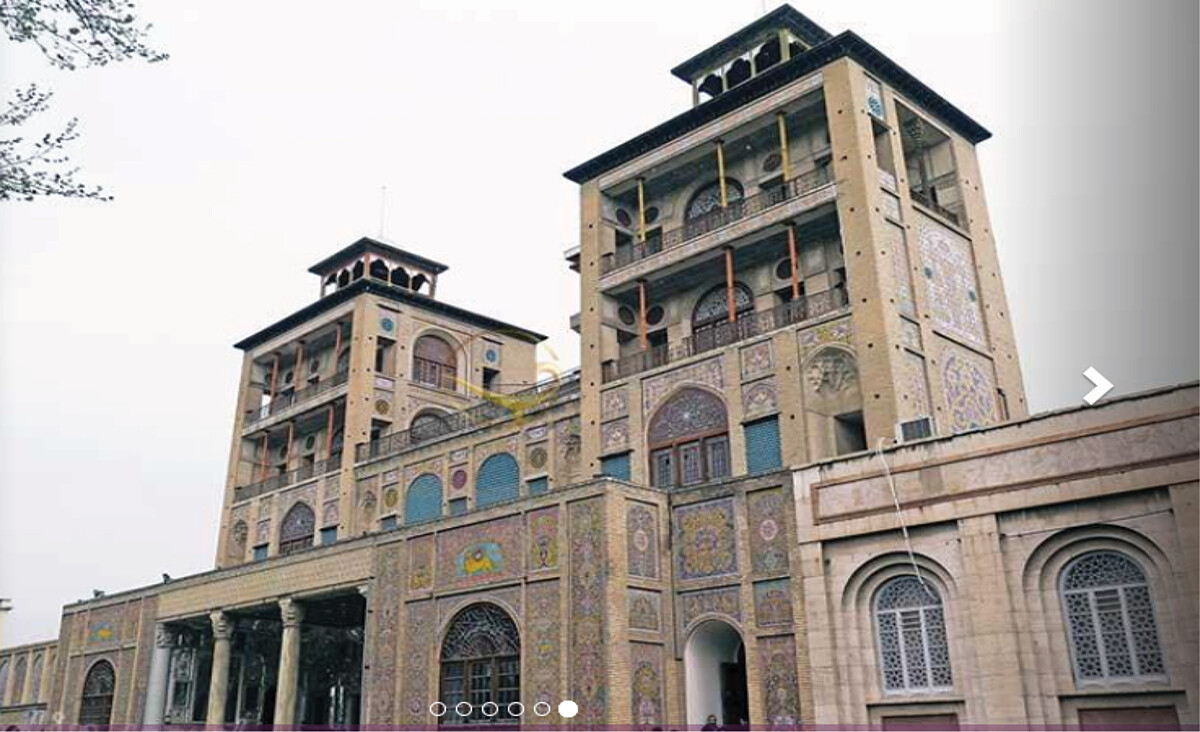
Habibollah Fasihi and Hassan Kamran Dastjerdi explore indicators of natural and human-induced hazards to heritage sites in the Pamenar neighborhood of Tehran, Iran. Their research provides suggestions for mitigating vulnerabilities to historic structures.
https://t.co/wwmaEHLxSi
Çalışkan and Hamamcioglu-Turan created an integration framework for archaeological sites in city centres. This framework defines integration criteria of the archaeological sites with urban life that may be included in management and conservation plans. https://t.co/QVm9RsVFUC
New issue out for Conservation and Management of Archaeological Sites! New editor Kathryn Lafrenz Samuels maps out her vision for the journal, including a call for submissions for a new category of article, "Notes from the Field."
https://t.co/6Yq0Uj0syj
The publication of Blue Papers shares the Intersection of Heritage, Water, and the Work of @icomosSDG2030. The article shows the advocacy to link water and heritage & examines the current state of advocacy, and discusses challenges faced by water heritage
https://t.co/dGineJcxwi
On October 27, @FAO´s Globally Important Agricultural Heritage Systems (GIAHS) programme celebrates its 20 year anniversary.
Learn more about #GIAHS history and development throughout the years.
👉https://t.co/X2w9dWkhin
#AgriculturalHeritage@FAOKnowledge@FAO4Members
The newly launched National Trust Cultural Heritage online magazine showcases the latest curatorial findings, conservation projects, research initiatives + more.
Download the Autumn 2022 edition here: https://t.co/zz1hpMBJee
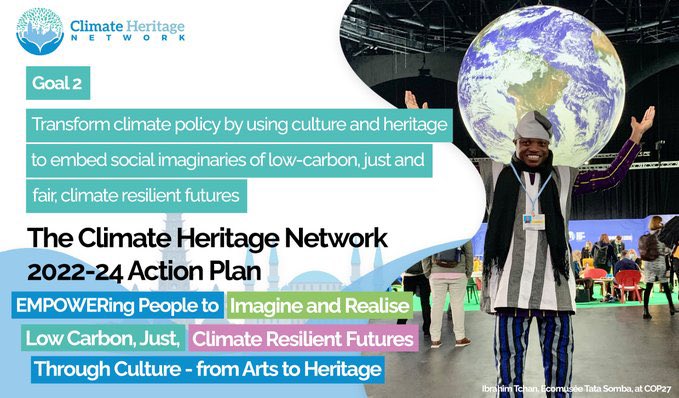
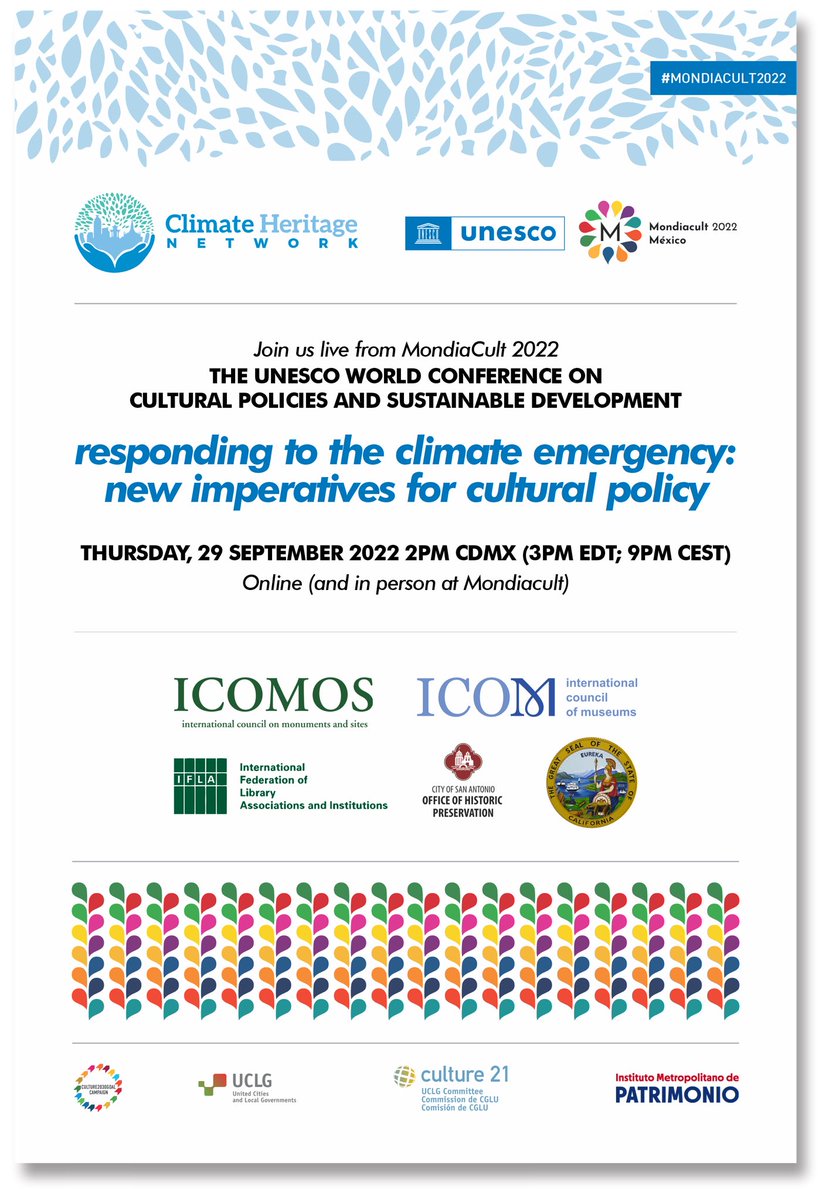
🧵Yesterday we launched our new #ClimateHeritage Action Plan which aims to unlock the power of culture to help people imagine & realise climate resilient futures.
🔜 TODAY, at #Mondiacult2022, we explore how cultural policies can help get us there.
Here are 3️⃣ key ideas: ⬇️
Today, we address a historic injustice by returning the Benin Bronzes, magnificent examples of Benin's culture and history. Through this repatriation, we acknowledge a legacy of cultural theft and do our part to return African culture to Africans.
Shown here: bronze plaque.