This collaborative research effort spanning four Nordic countries, Estonia, and Scotland aims to address the enduring health impacts of the COVID-19 pandemic.
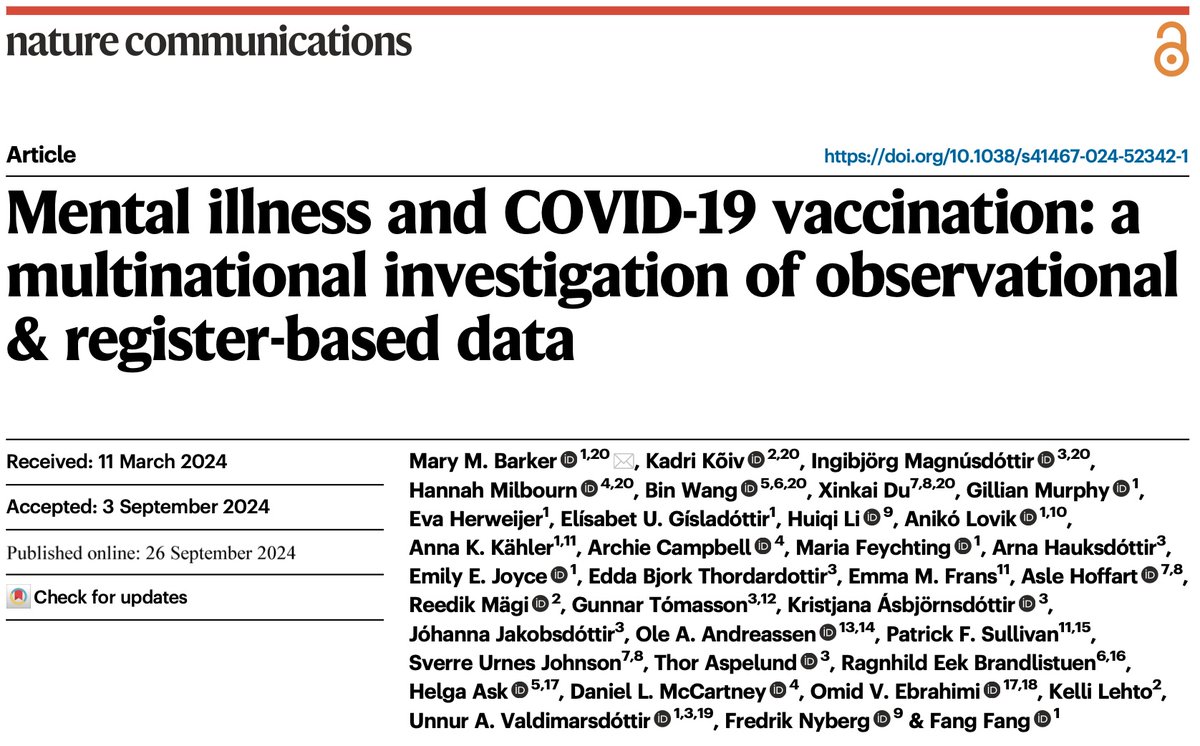
Our new multinational study in @NatureComms investigates the relationship between mental illness & COVID-19 vaccination uptake.
Our analysis spans across 6 countries and includes both self-report (N > 300,000) and register data (N > 8,000,000). 🧵1/4
https://t.co/sAt7pERJFt
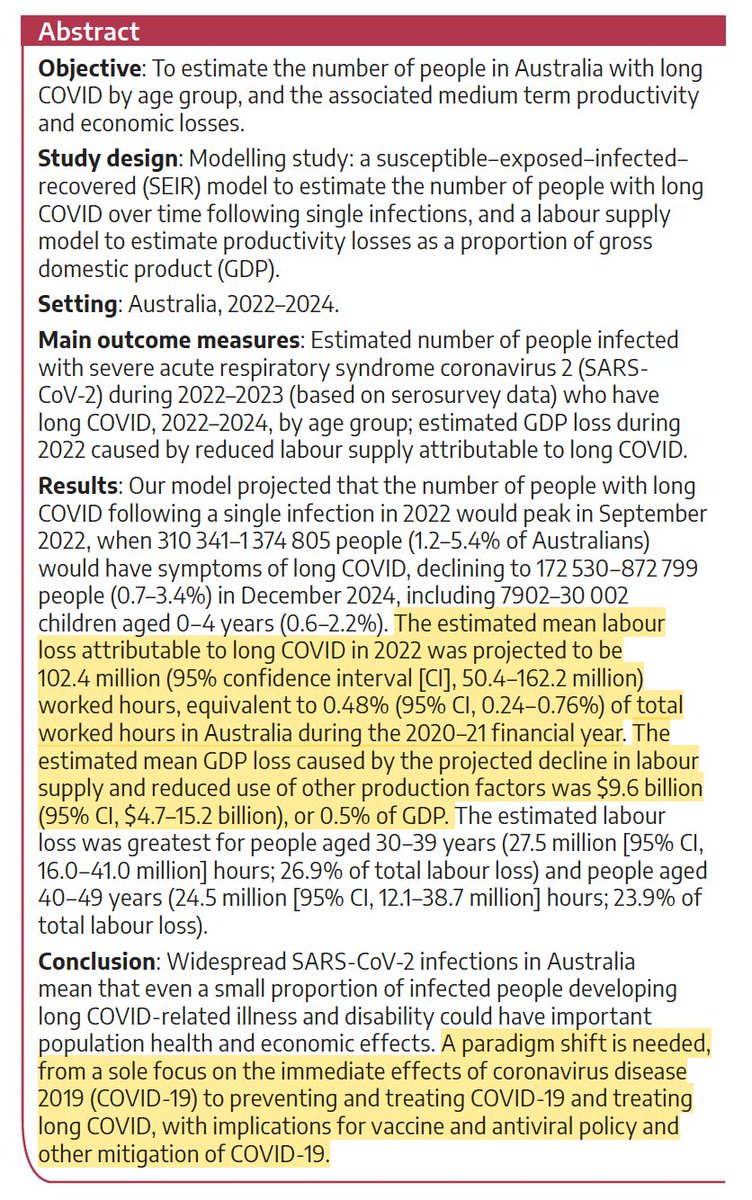
🚨 The economic toll of #LongCOVID in Australia is huge!
In 2022 alone, 102.4 million work hours were lost, leading to a GDP hit of $9.6 billion—or 0.5% GDP. This effectively wiped out a quarter of the country’s GDP growth for the year @Globalbiosec
https://t.co/jXHV6TRtBM
The 2024 @COVIDMENT & covidmentYOUNG meeting has concluded in Stockholm. The meeting was both productive and enjoyable. The team looks forward to continued collaboration on long-term health sequels of #COVID19 infections and mitigation responses in Nordic populations.
Our preprint shows how the pandemic affected psychiatric healthcare use for children and adolescents with existing mental health conditions. We see a significant drop in primary and specialist healthcare, with boys experiencing greater declines🏥👱🏻♂️ https://t.co/9f038ipjCr
Check out the latest @omtanke2020 newsletter! Dive into a mini-interview with Mary Barker, learn about the ongoing development of the COVIDMENT Screening Tool for Long COVID and other post-viral syndromes, and explore the #Nordforsk funded CovidmentYOUNG project led by @helga_ask
Excited for our upcoming annual meeting in Stockholm on June 3-4, 2024, where we'll delve into discussions on long-term health sequels of #COVID_19 infections and mitigation responses in #Nordic populations!🌟
New preprint of a @COVIDMENT project lead by Mary Barker of @omtanke2020 'Mental illness and COVID-19 vaccination: a multinational investigation of observational & register-based data' #mentalhealth#vaccination#Covid https://t.co/gAA0RKUK5k
Kind of fun to see in which countries people picked up our paper 'Elevated symptoms of depression and anxiety among family members and friends of critically ill COVID-19 patients' in @LancetRH_Europe Project was part of @COVIDMENT https://t.co/neZMCEZoWj
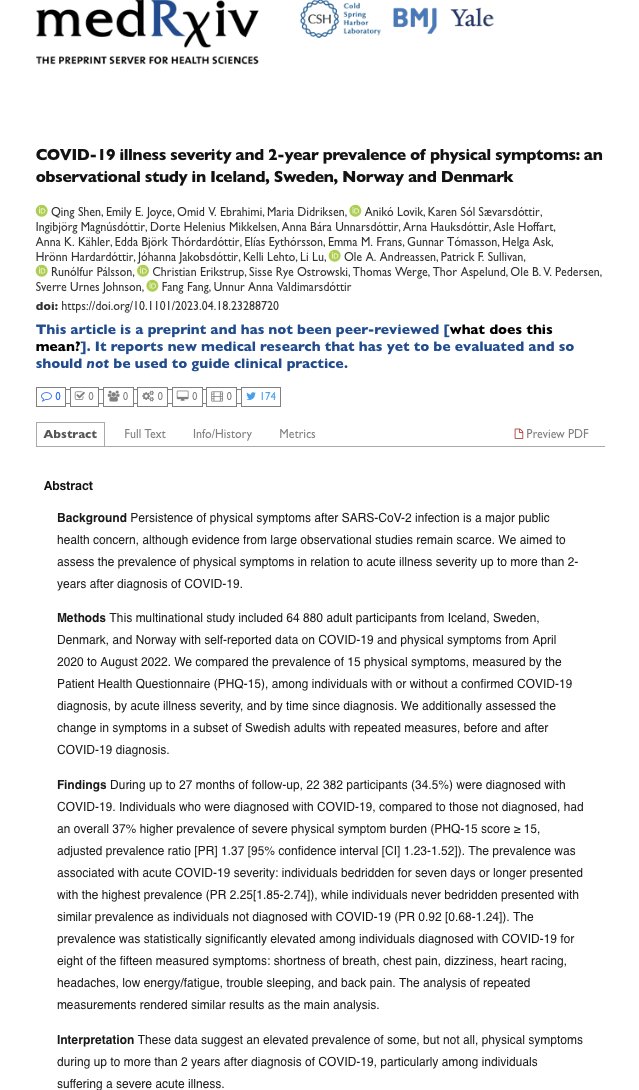
"COVID-19 illness severity and 2-year prevalence of physical symptoms" has been published in Lancet RH Europe. Important project lead by Qing Shen, Emily Joyce, @OmidVEbrahimi and Maria Didriksen in the @COVIDMENT collaboration. https://t.co/eZuONLTCqc #COVID19
Researchers at KI and @COVIDMENT have charted the prevalence of #LongCovid up to 2 years after #SARSCoV2 infection. Most affected were people who had severe #COVID19 while the researchers found no elevated prevalence in those who had never been bedridden. https://t.co/qZjsI9Bjmy
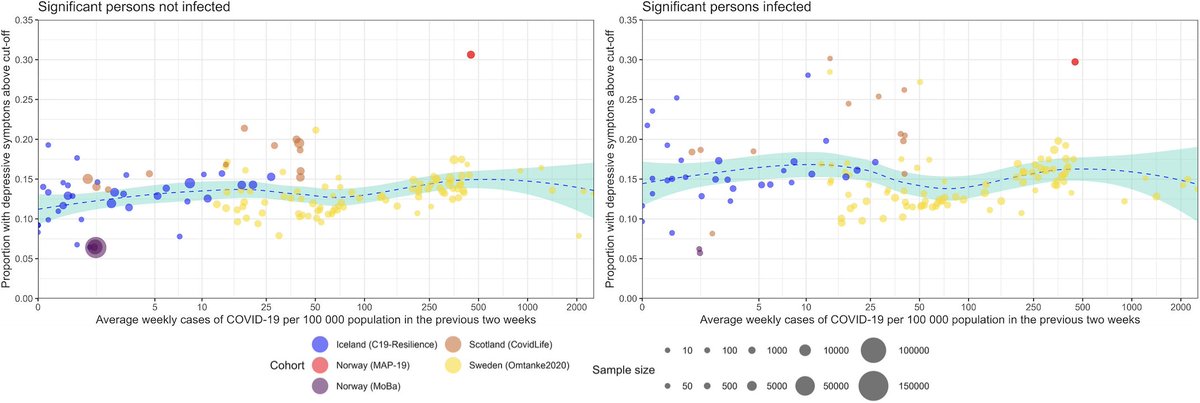
Family members and close friends of people who have been in intensive care for #COVID19 are over 40 percent more likely to experience symptoms of #depression than others, a study in @LancetRH_Europe shows. Research by @AoLovik.
@Omtanke2020@COVIDMENT
https://t.co/jDi6tIucOR
Our new paper in @LancetRH_Europe examines the mental health burden of having a significant person (e.g. family member) infected, hospitalised, ICU-admitted or die by COVID-19 in 168 783 adults across 4 countries 🧵
Important work by @AoLovik, @COVIDMENT
https://t.co/kh8HIApbGl
How long can adverse physical symptoms last after COVID-19 infection?
⚡️ New multinational study on the prevalence of severe physical symptom after C-19 infection in 65 000 adults across 4 countries 6 up to 27 months (> 2 years).
A 🧵:
Preprint: 10.1101/2023.04.18.23288720
New preprint: Elevated symptoms of depression and anxiety among family members and friends of critically ill COVID-19 patients - An observational study of five cohorts across four countries https://t.co/dT6kiF3glt
@COVIDMENT@UnnurAValdimars@OmidVEbrahimi
**People with pre-existing mental illness should be included as a clinically vulnerable group when we talk about Covid.**
This is one of the key findings that has come out of our work, and that of @COVIDMENT, so far.
#MentalHealthAwarenessWeek2022
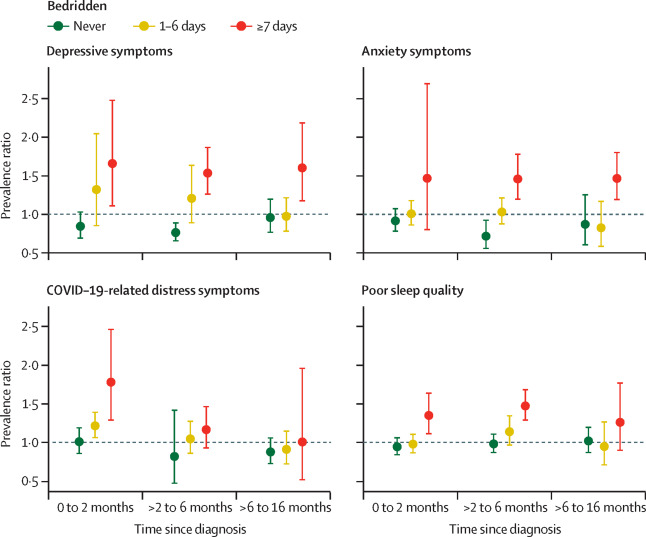
Severe COVID-19 infection is linked to greater risk of anxiety and depression up to 16 months later.
New lay summary of work led by @ingibjorg, @UnnurAValdimars and colleagues at @COVIDMENT now out!
https://t.co/6hftYidSie
Full article @TheLancetPH: https://t.co/naugP5H2Ke