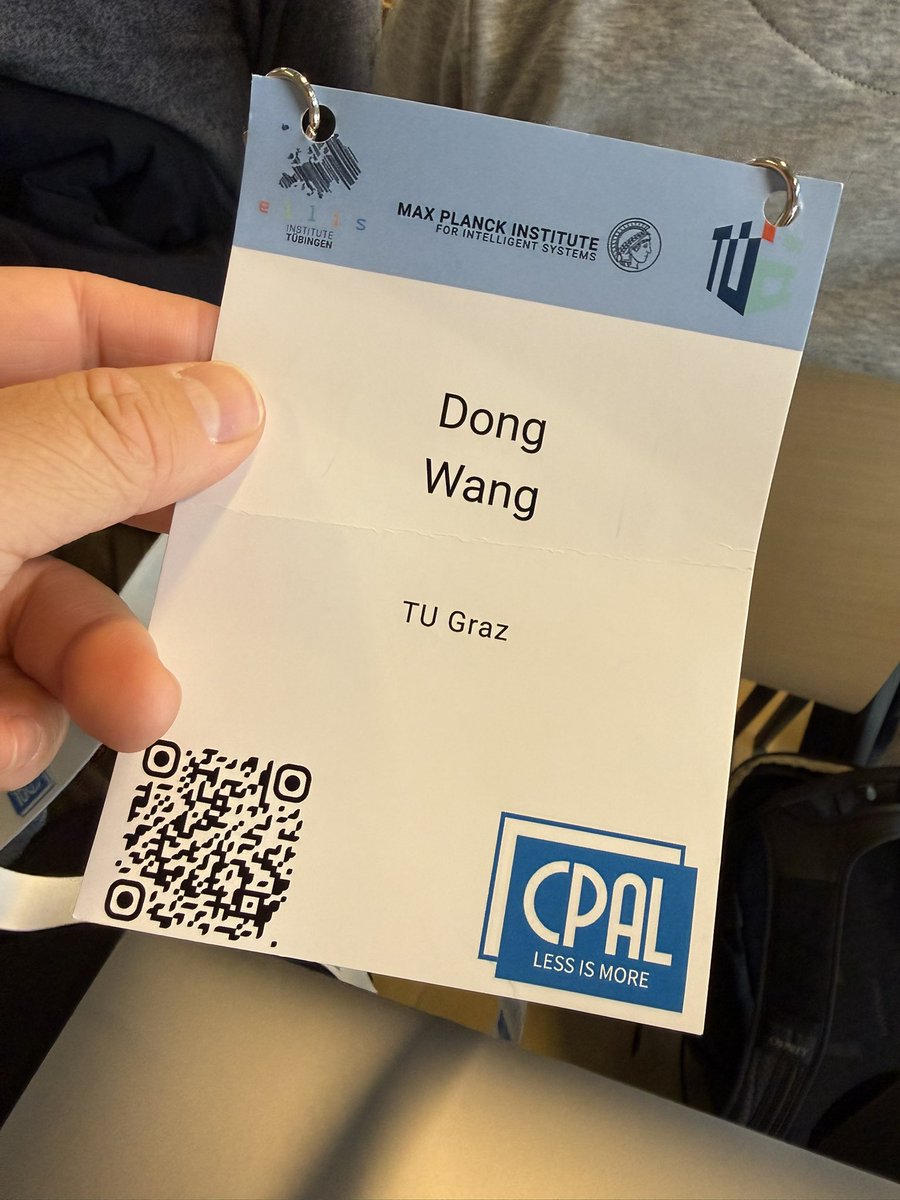
CPAL is a new annual research conference focused on the parsimonious, low dimensional structures that prevail in ML, signal processing, optimization, and beyond
Calling all parsimony and learning researchers 🚨🚨 The 3rd annual CPAL will be held in Tübingen Germany March 23–26, 2026! Check out this year's website for all the details https://t.co/Ra08OCHmA9
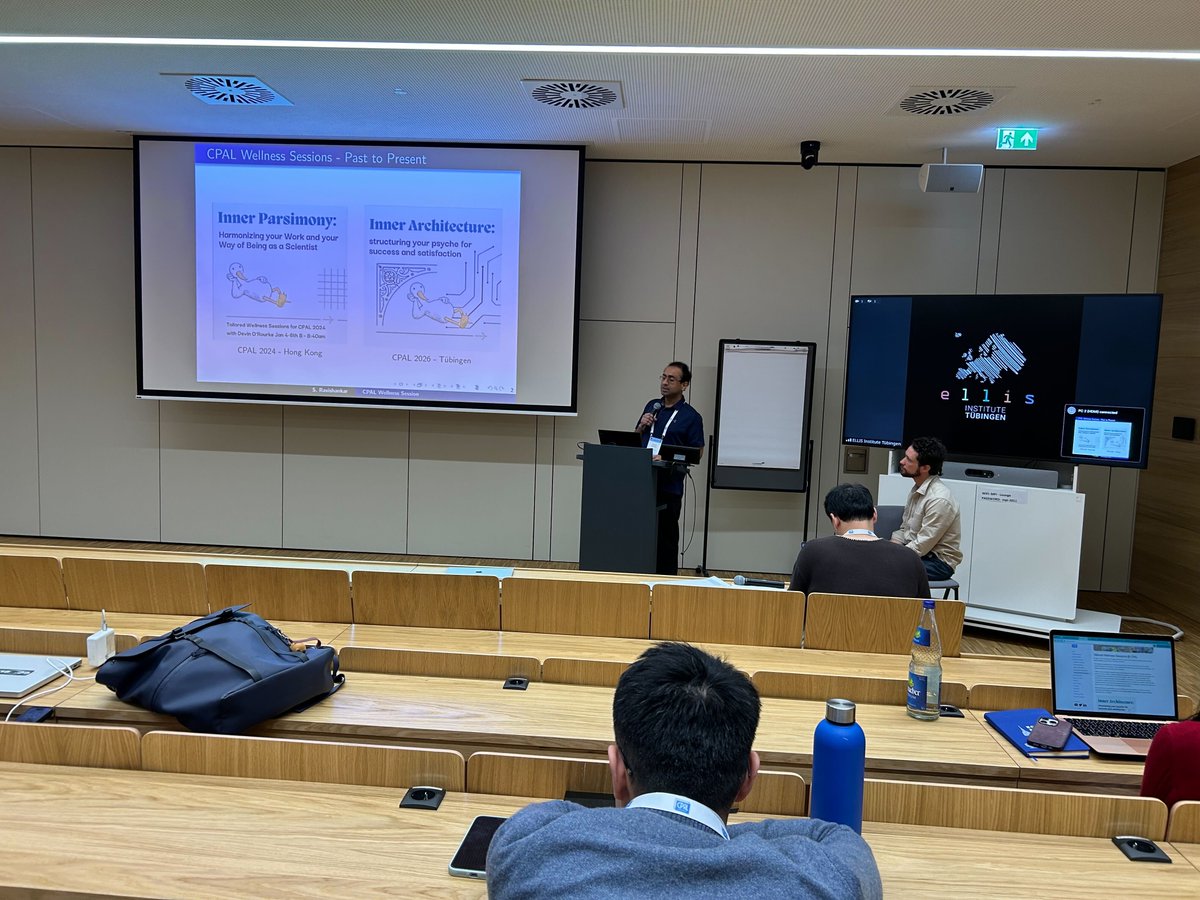
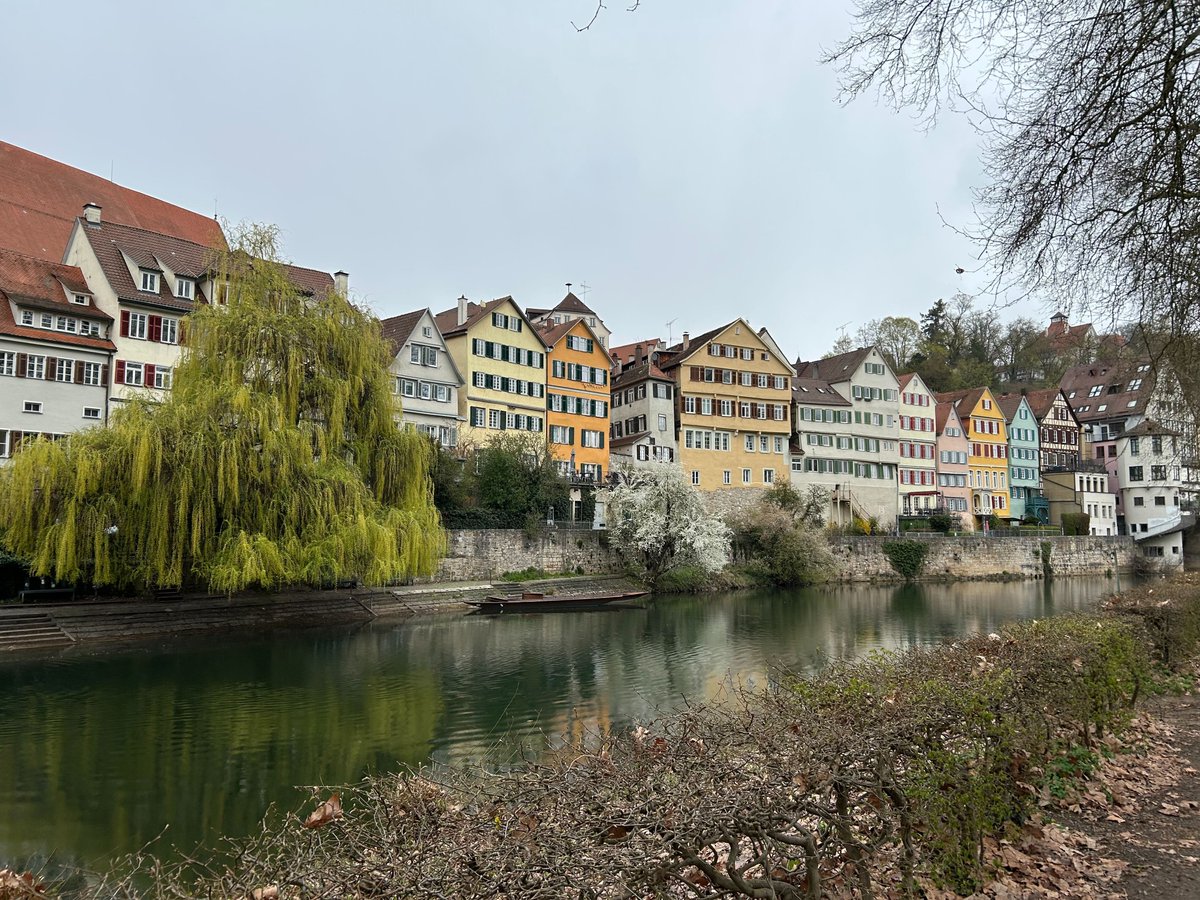
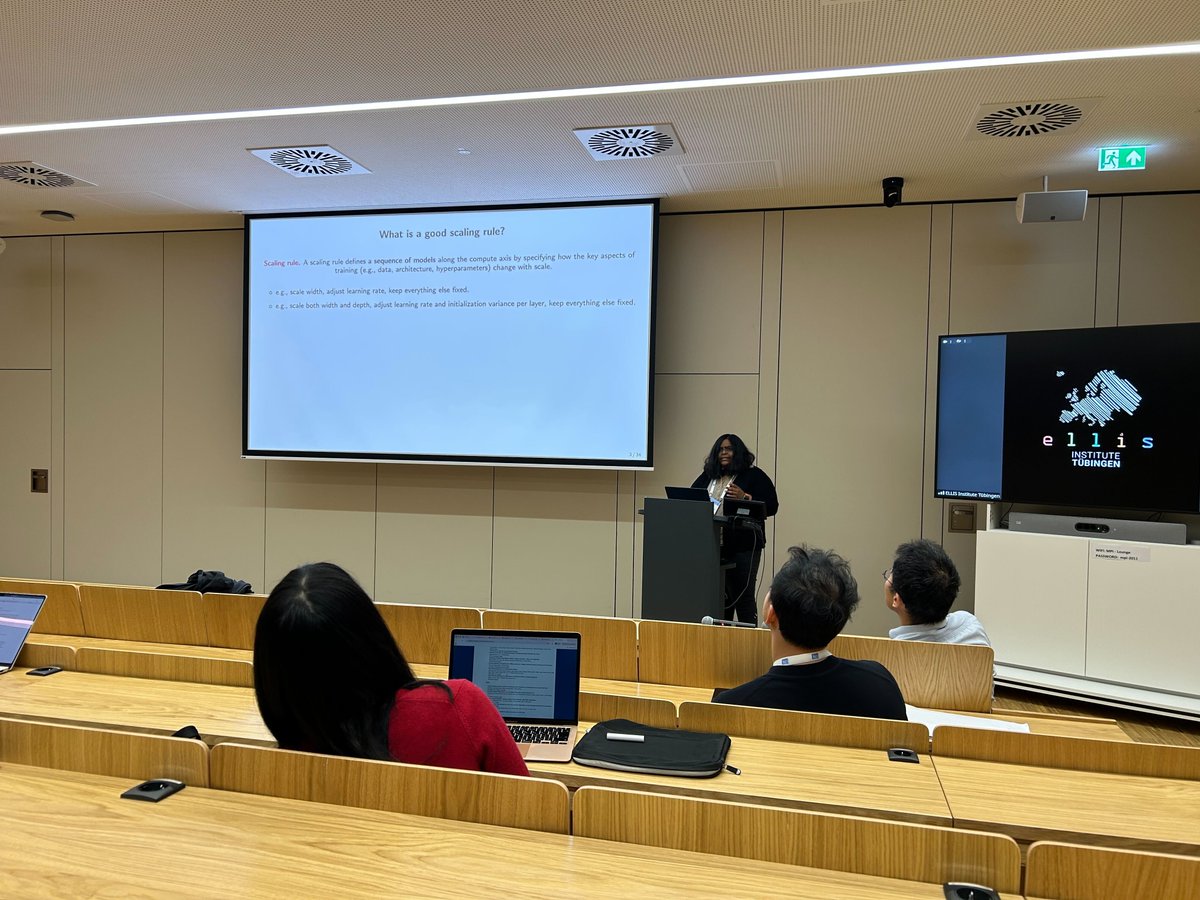
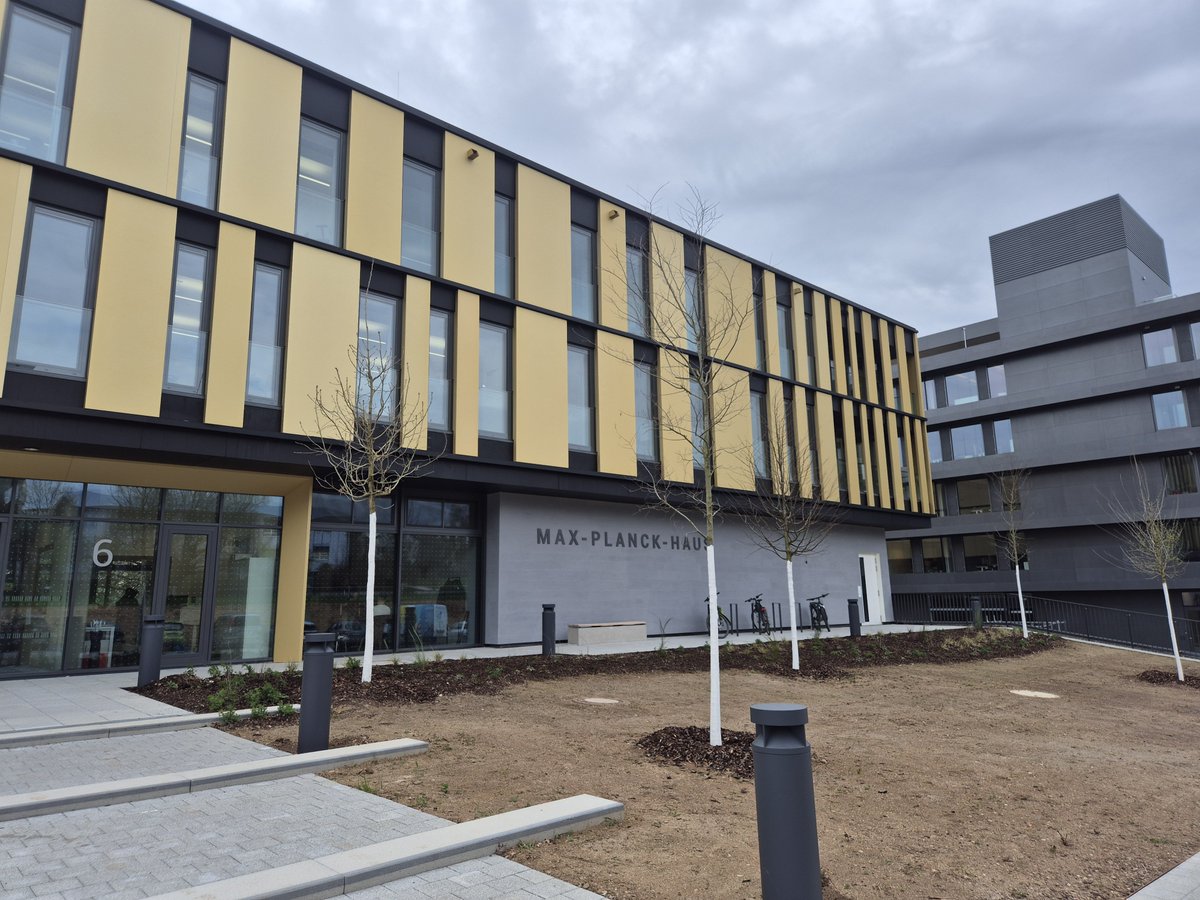
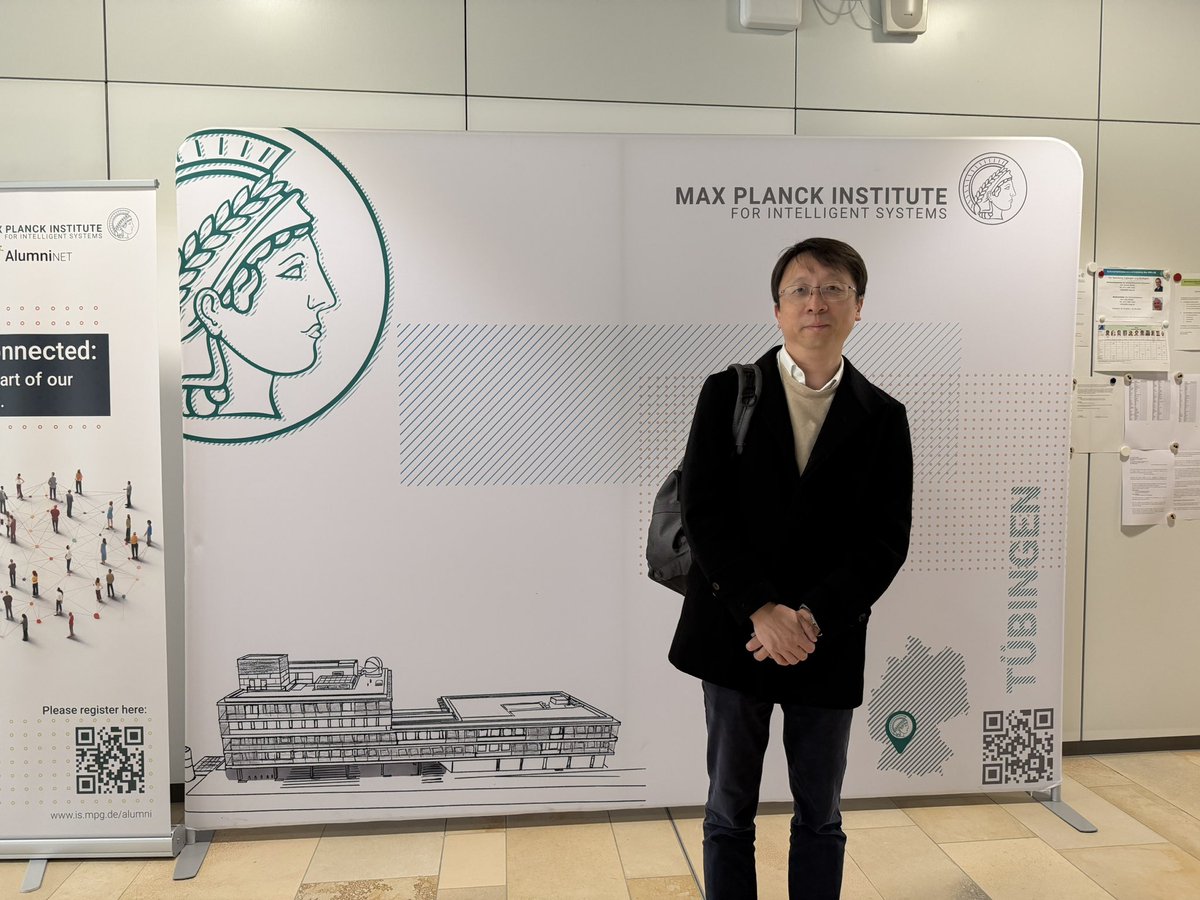
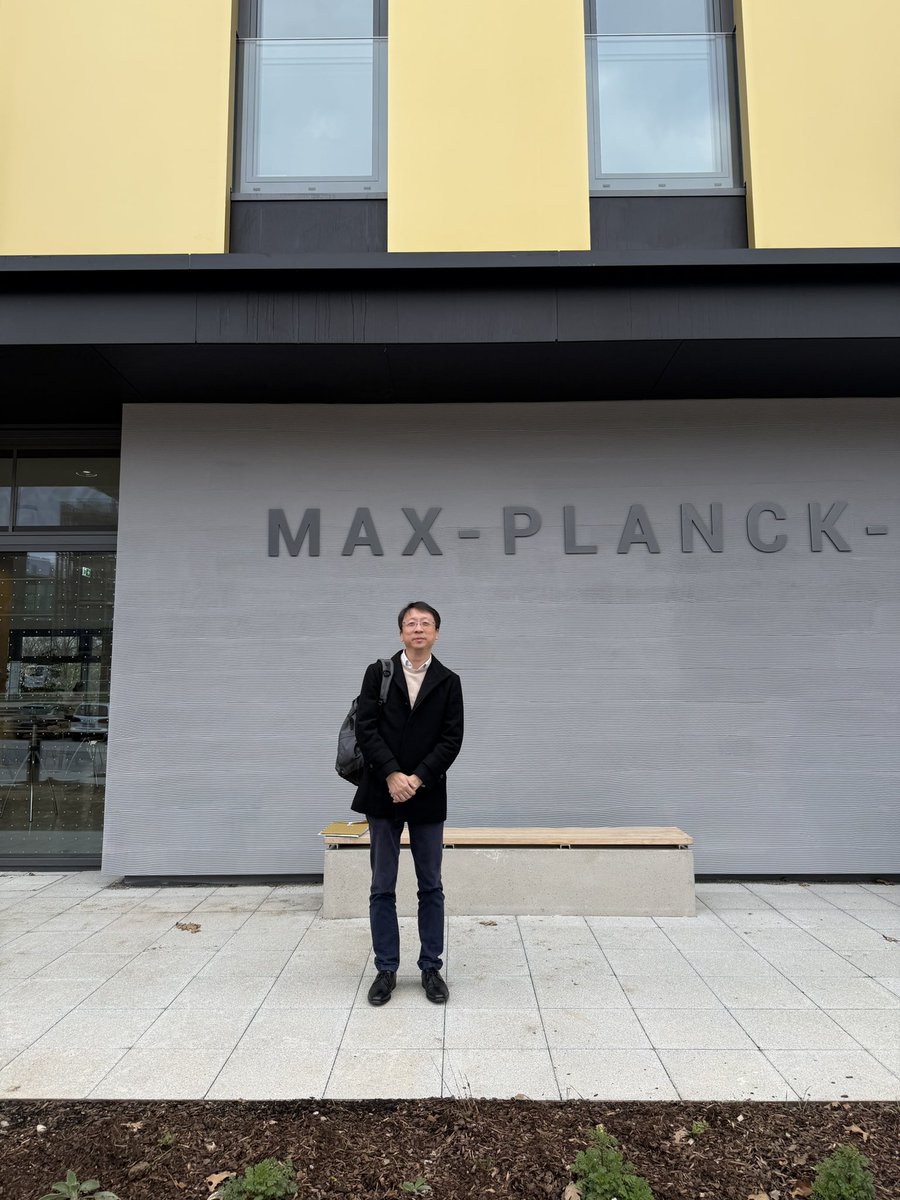
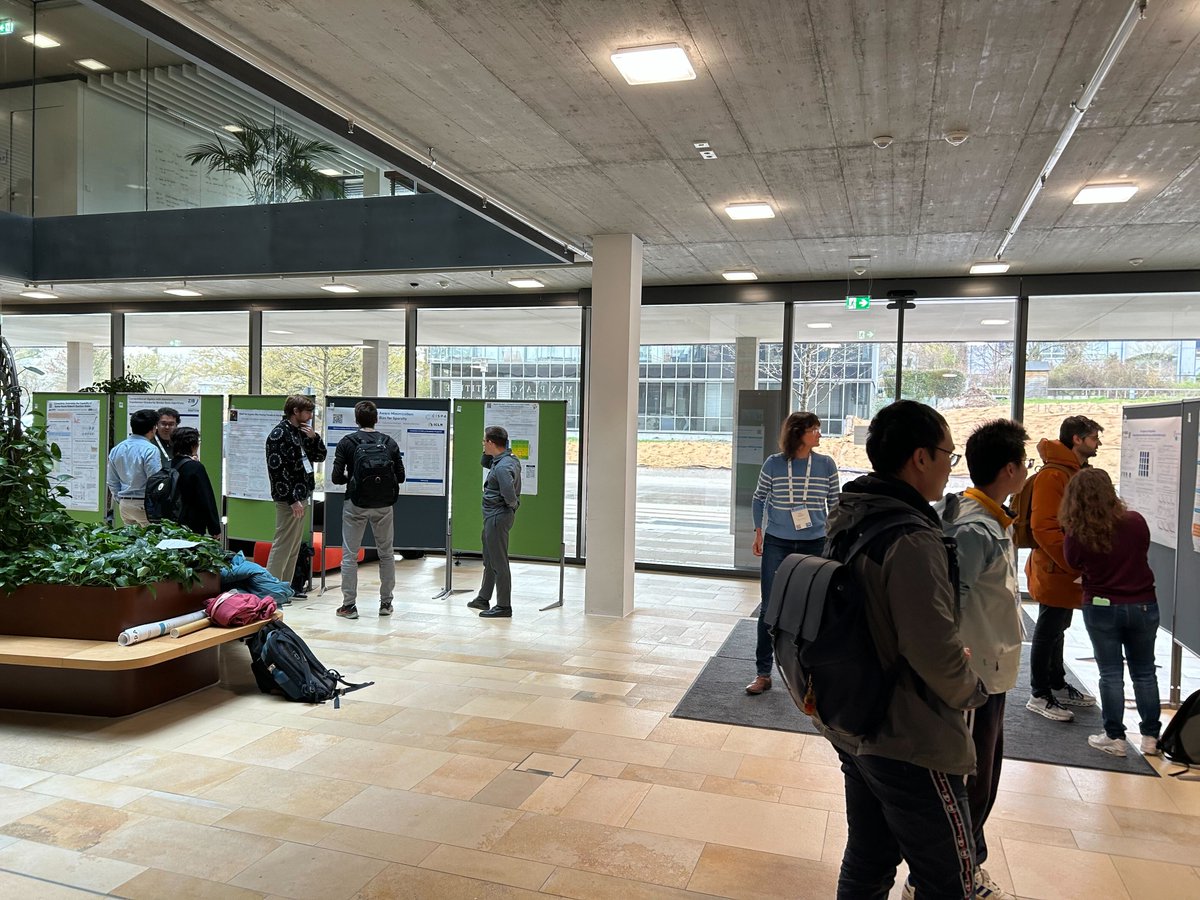
At the end of March, researchers from around the world came together in Tübingen for @CPALconf 2026.
Hosted by the ELLIS Institute Tübingen, the @MPI_IS , and the Tübingen AI Center, the conference brought together the international AI research community for inspiring talks, discussions, and new collaborations.
Now, we’re excited to share the official event video 🎥
Special thanks goes to our sponsors @HKUniversity Institute of Data Science, CISPA, OPTML, @michiganstateu, and all the people who helped make this event possible.
Thank you to everyone who made CPAL 2026 such a special event!
And thank you to Roberto Montebello for capturing the conference!
Watch the full video here: https://t.co/dnaFLjGdlR
That’s a wrap! CPAL 2026 in Tübingen ✨
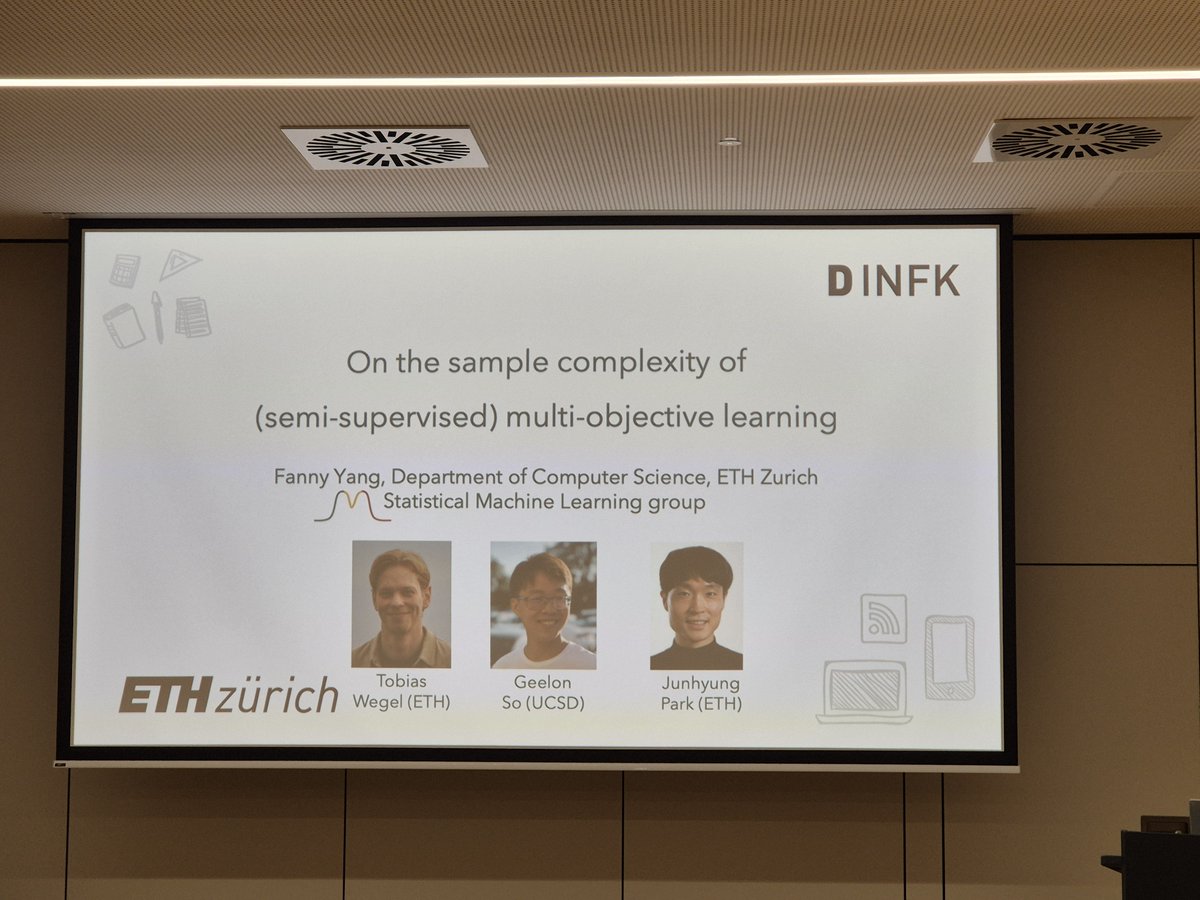
Four days, world-class keynotes, two tutorials, two poster sessions, and a deep dive into the future of efficient AI. This week, we hosted the 3rd @CPALconf 2026, in conjunction with the @MPI_IS and Tübingen AI Center, bringing together global experts to explore how low-dimensional structures are the key to advancing scientific foundations for learning with parsimony.
A huge thank you to all organizers, speakers and attendees for making the event such a success. And a special thank you to our Principal Investigator, @Shiwei_Liu66, one of the Program Chairs and local organizer.
read the recap here: https://t.co/ThXZMFjlE4
Incredibly proud to host @CPALconf in Tübingen! Great thanks to everyone who contributed their time, energy, and ideas to make this such a successful and stimulating event. It was a real pleasure to bring together so many wonderful speakers, researchers, and attendees for exciting discussions on efficient AI and learning with parsimony. It is an amazing piece of teamwork done together with the CPAL community @BurkholzRebekka, @wredman4, Saiprasad Ravishankar, @yuxiangw_cs, @qu_1006@Jere_je_je, @VITAGroupUT, of course @YiMaTweets, and others!
And just like that CPAL 2026 comes to an end! Thank you to all who came to Tübingen and made it such a great, fun, and productive time! Stay tuned for updates on CPAL 2027 👀
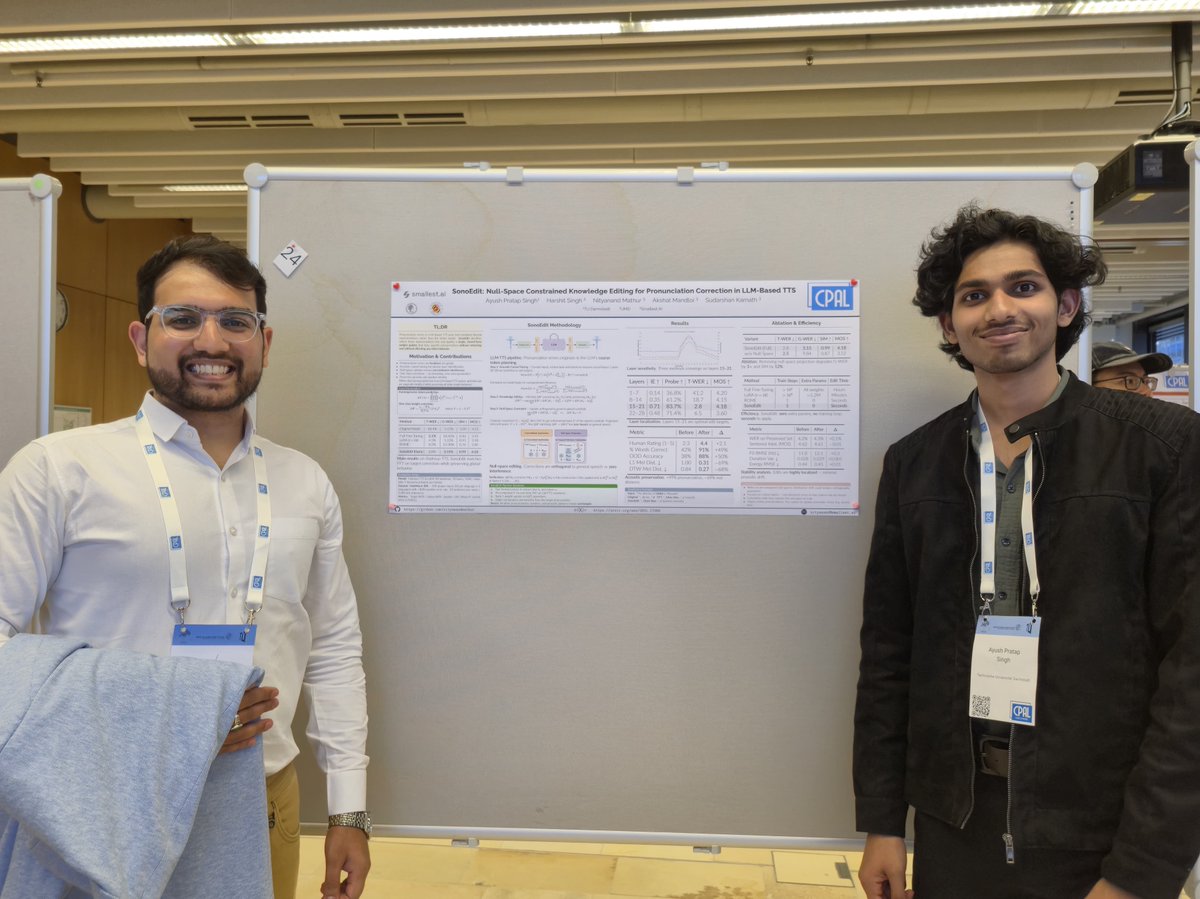
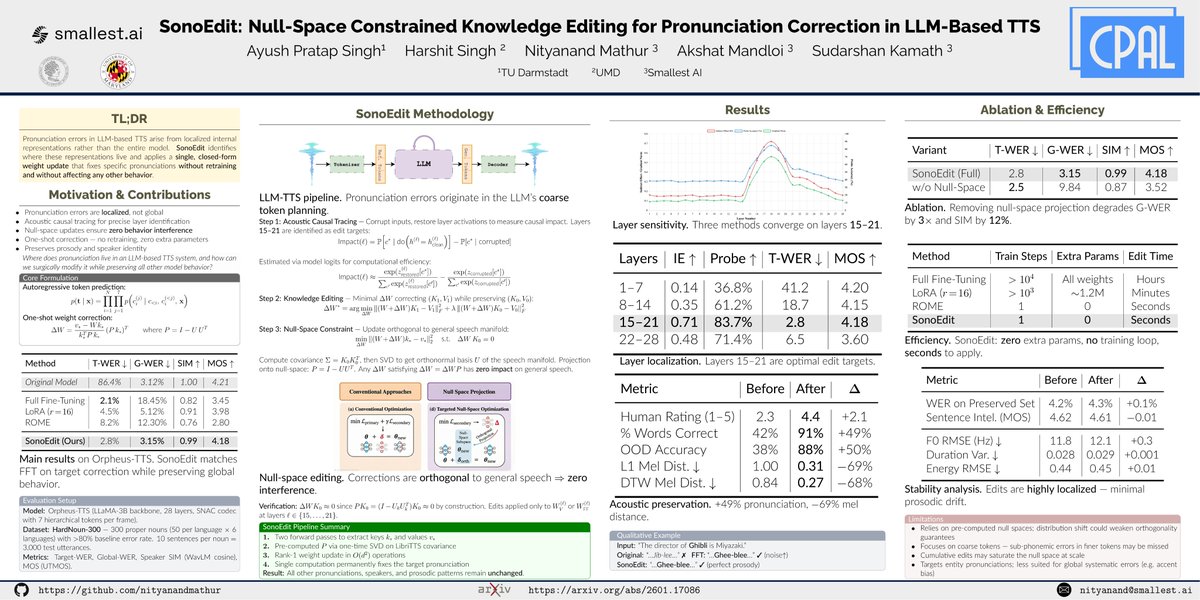
Where does pronunciation live in a large language model(LLM) based text-to-speech(TTS) system, and how can we surgically modify it for specific texts while preserving all other model behavior?
To answer this very question, we introduced SonoEdit at @CPALconf yesterday. Our core hypothesis is that pronunciation errors aren’t global but they live in localized internal representations. If you find them precisely, you can fix them precisely.
Me and @A_a_yush are at @CPALconf, and will be presenting SonoEdit(https://t.co/25hIt2vIar) in the evening.
Come talk with us about speech-native intelligence, speech to speech and text to speech.
@smallest_AI
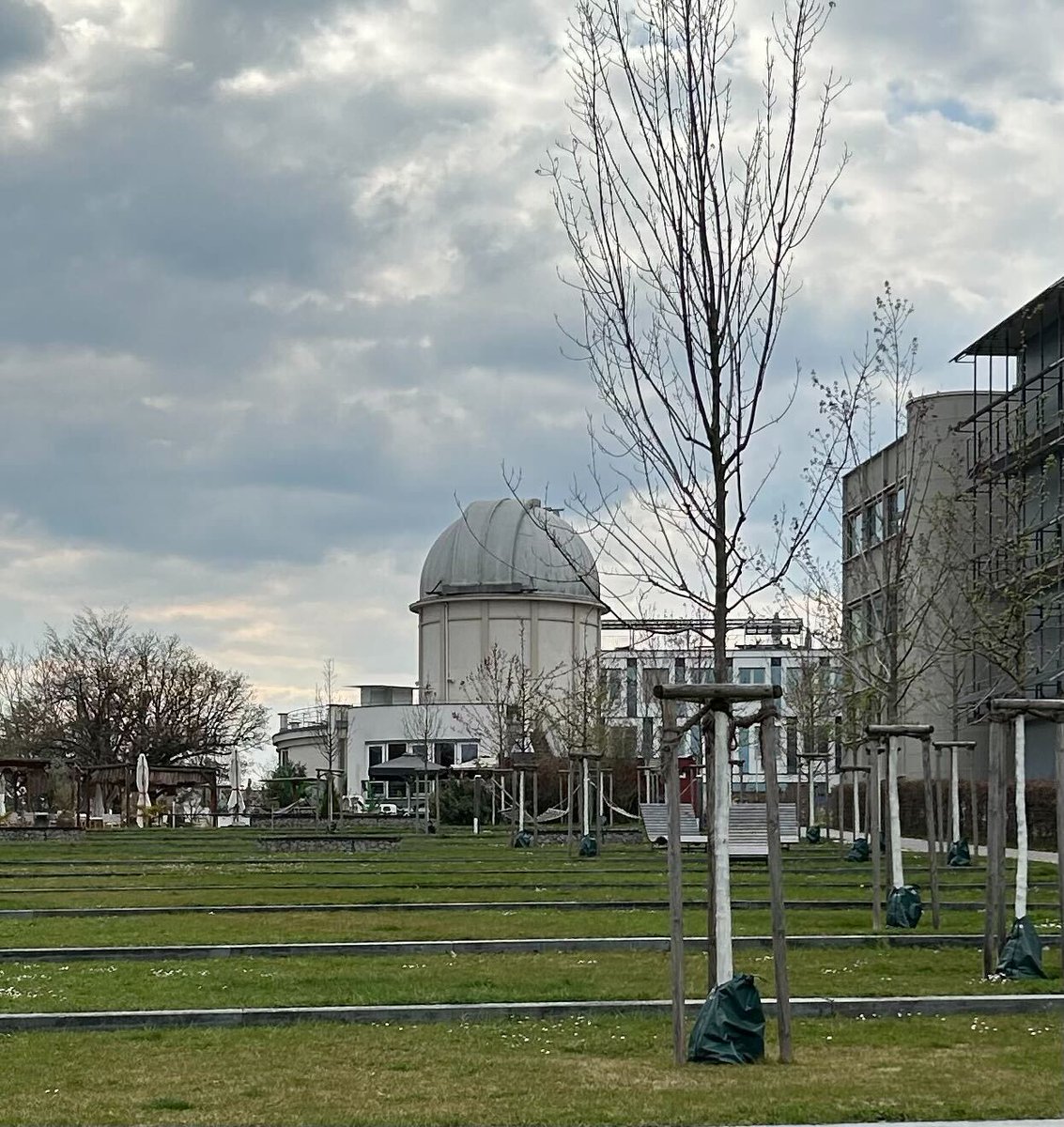
You don't need the University Tübingen @tubingen telescope to see Rising Stars! CPAL is proud to announce of the 2026 recipients of the Rising Star Award https://t.co/CkaBzhdGM4. Come hear them talk at CPAL the next 3 days
Arriving Tübingen for CPAL 2026! We'll be presenting 2 papers there:
🚀 FOSL: A Foldable Sparse-and-Low-Rank Method for Efficient LLM Pre-training
🚀 GRAIL: Post-hoc Compensation by Linear Reconstruction for Compressed Networks
If you’re here, ping me to grab a ☕️ and chat.
Two Red Hat AI research papers accepted to major 2026 conferences.
1️⃣ Panza: Design and Analysis of a Fully-Local Personalized Text Writing Assistant
(Accepted to @CPALconf 2026)
• A fully local, personalized writing assistant that learns your style and runs entirely on-device.
• LoRA-style fine-tuning + quantization
• Built for sensitive data
• Includes a Gmail plugin
• Paper: https://t.co/ZZAK2DK4Jj
• Code: https://t.co/WtJxJRzkMP
Congrats to Red Hat AI teams @_EldarKurtic, @il_markov, @nir_shavit, and @DAlistarh.
2️⃣ Bridging the Gap Between Promise and Performance for Microscaling FP4 Quantization
(Accepted to @iclr_conf 2026)
• New FP4 approach for MXFP and NVFP
• Optimized for latest AMD and NVIDIA GPUs, including DGX B200
• Introduces Micro-Rotated-GPTQ with block-wise Hadamard transforms
• Paired with QuTLASS kernels for fast inference with negligible overhead
• Paper: https://t.co/RF6NILXW6A
Congrats to Red Hat AI teams @RobertoL_Castro, @_EldarKurtic, Shubhra Pandit, Alexandre Marques, @markurtz_, and @DAlistarh.
Fully local AI. Cutting-edge quantization. Real performance work shipping upstream.