Central Park Conservancy Institute for Urban Parks
@CPCInstitute
The Institute for Urban Parks, founded in 2013, empowers, informs, connects, and celebrates the individuals and organizations that care for urban parks.
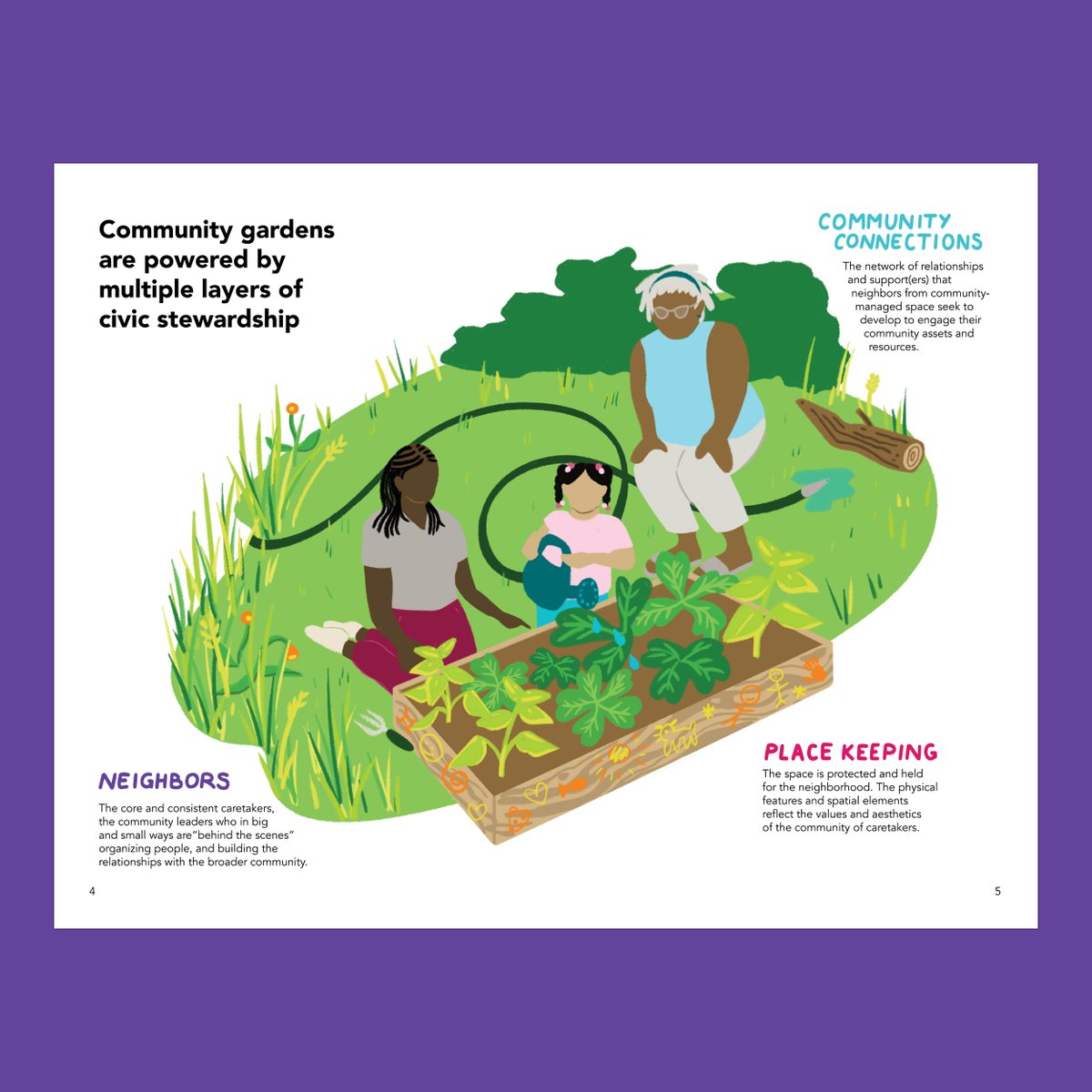
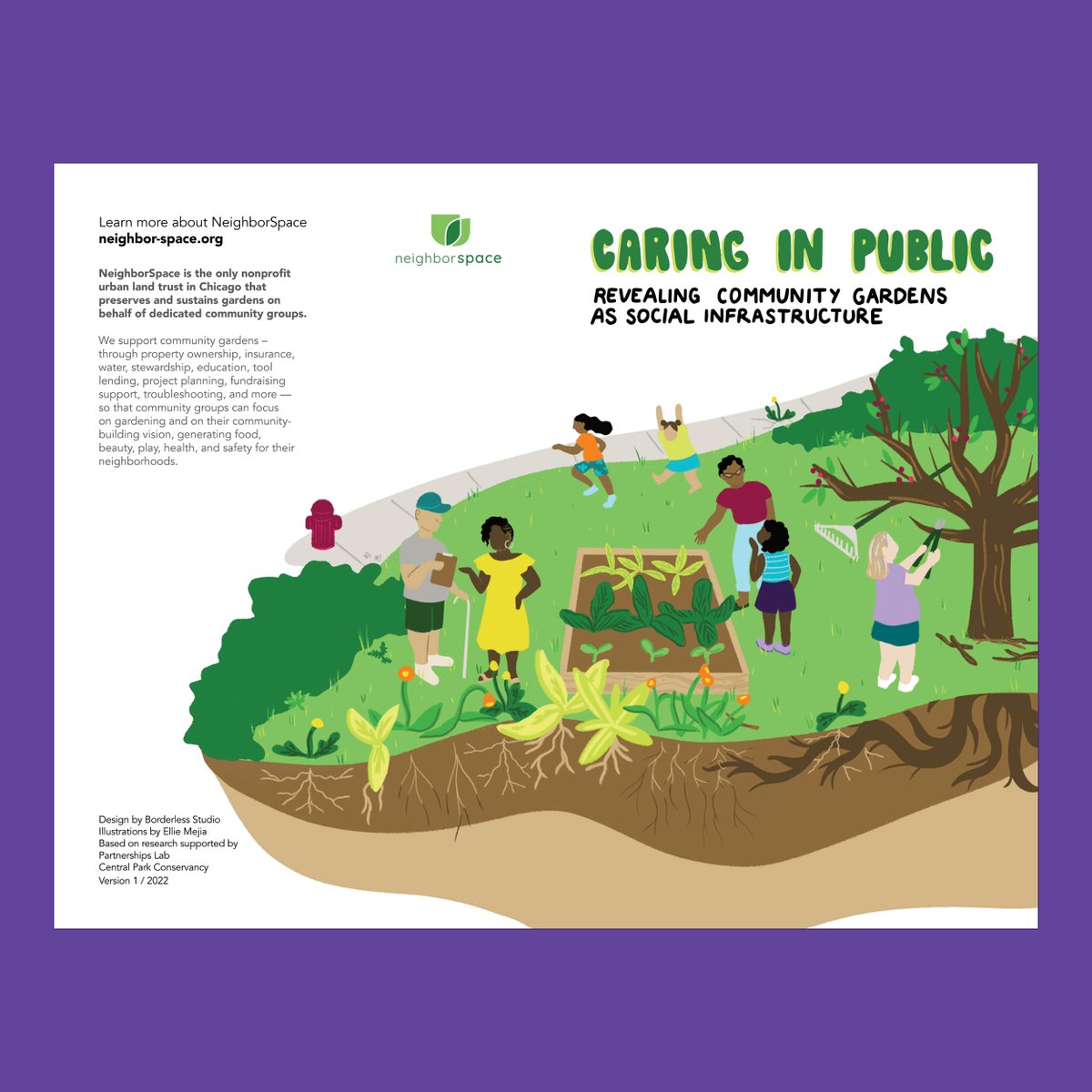
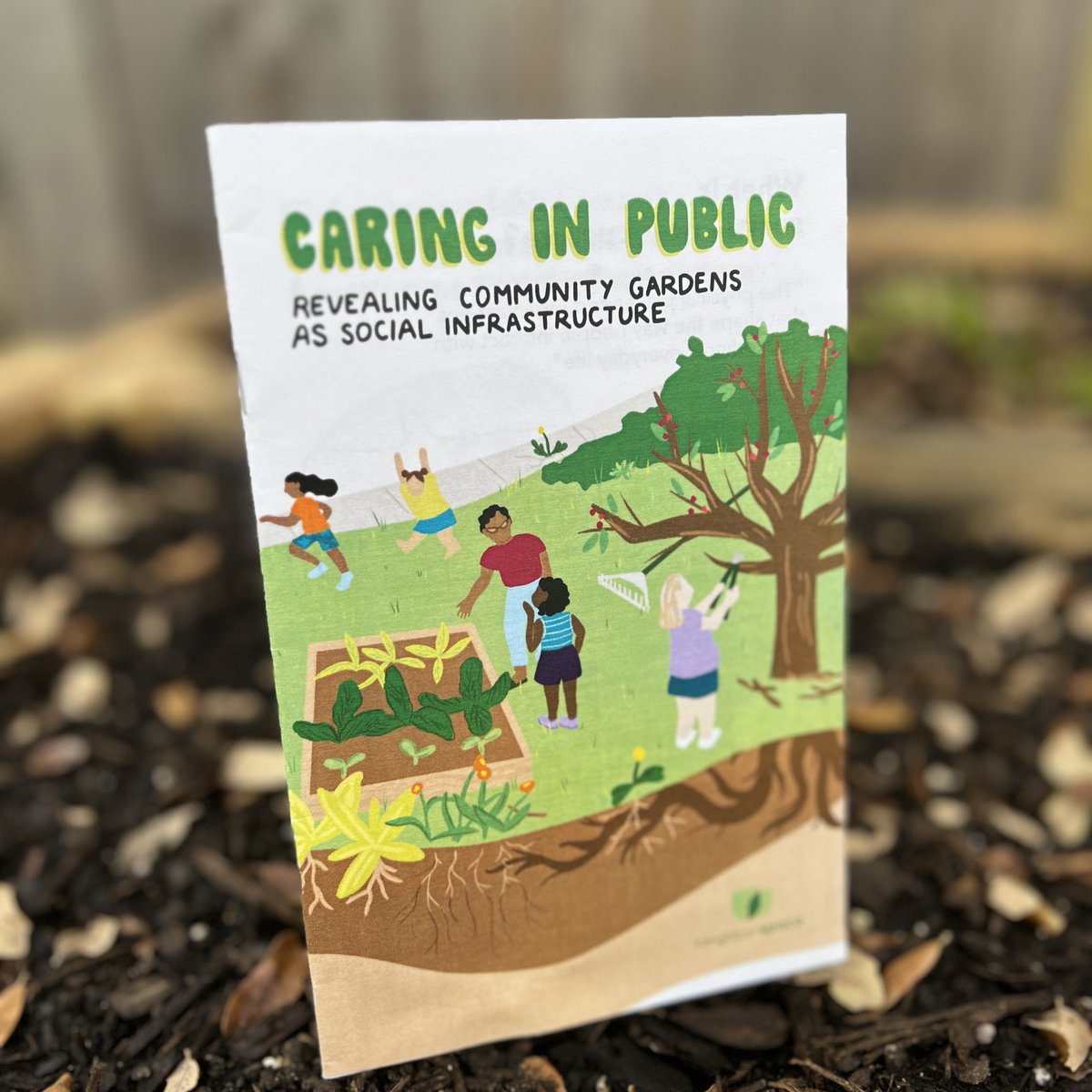
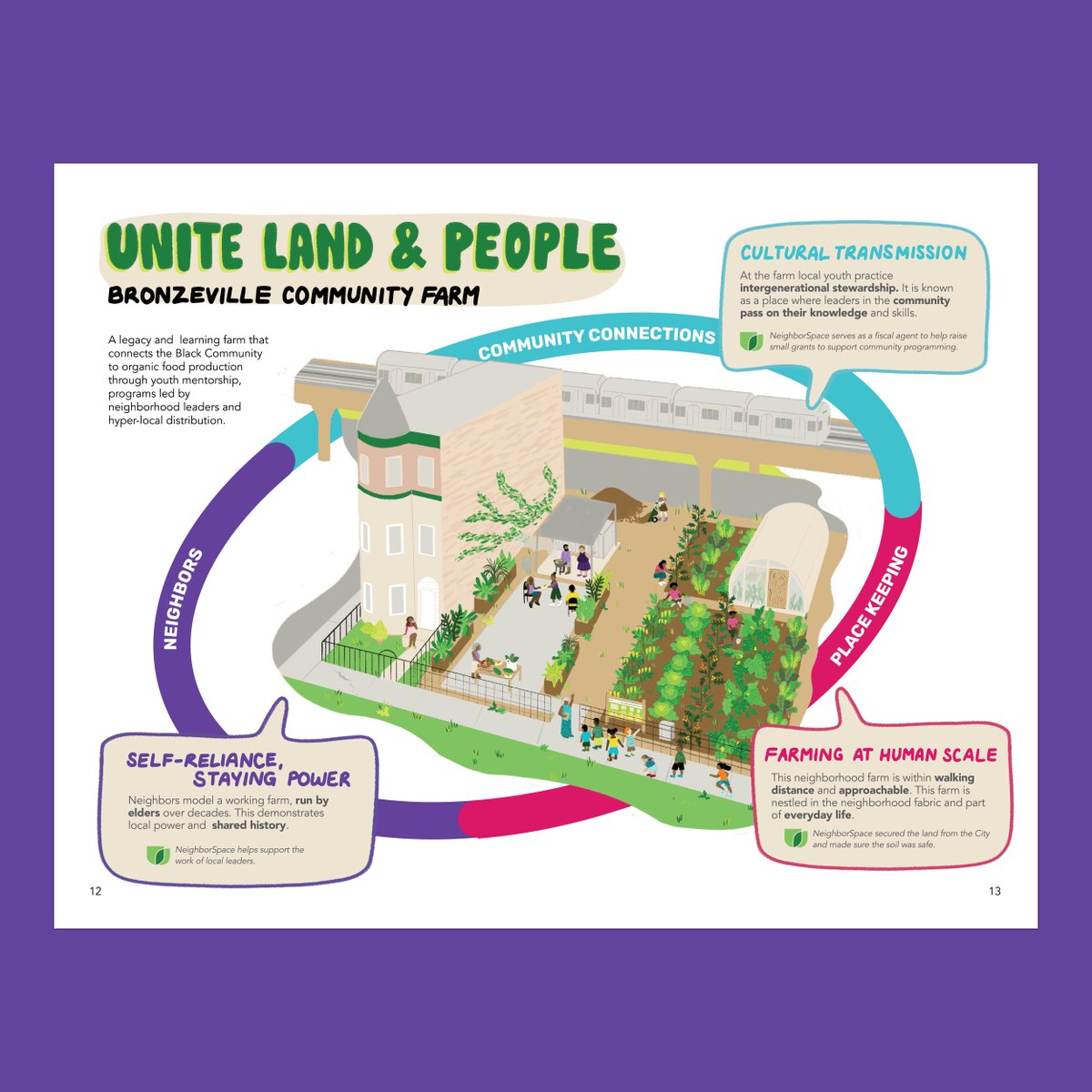
We created the "CARING IN PUBLIC" booklet with @NeighborSpace to capture the research, key insights and strategies for telling a more complete story while bringing visibility to community gardens as social infrastructure. Supported as part of the Partnerships Lab @CentralParkNYC
LAST CHANCE - apply to the 2023 Partnerships Lab today for the chance to join this year’s cohort of parks and open space organizations from across NYC and nationwide. Learn how to make your application stand out and apply today: https://t.co/saLZT8bPiM
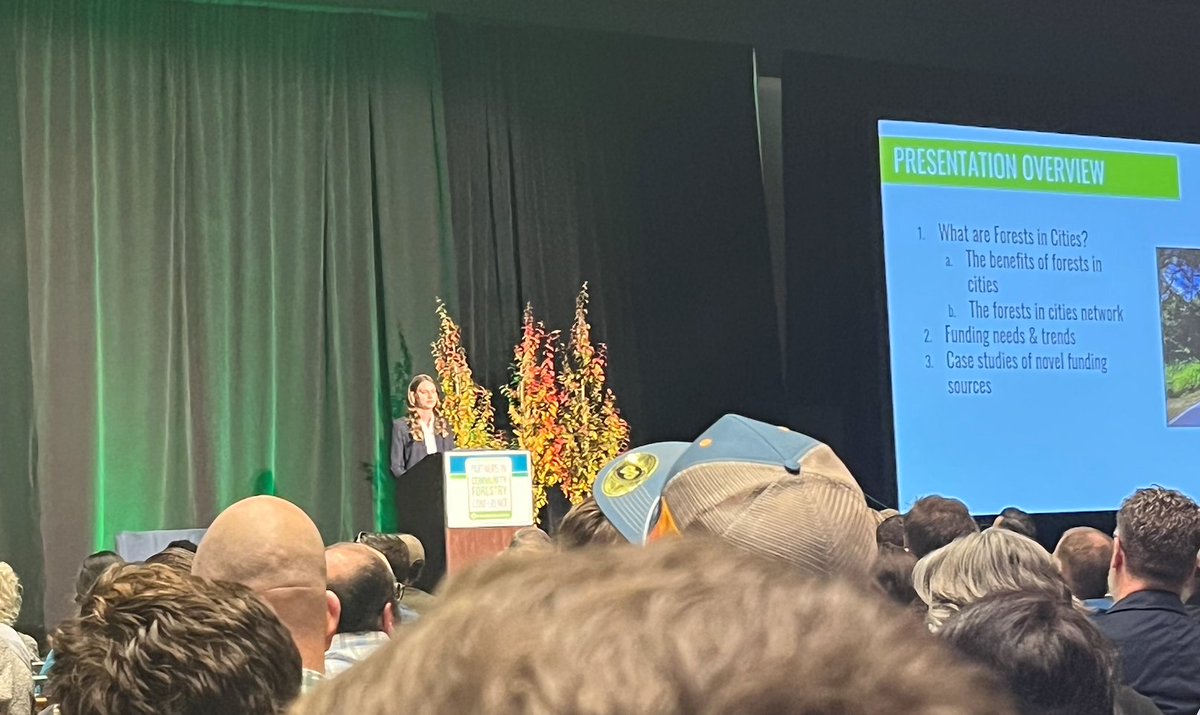
@SophiePlitt of Central Park Climate Lab partner @NaturalareasNYC shares methods for sustained funding, like green bonds, to steward and protect urban forested natural areas and strengthen urban resilience at the @PartnersCF#PCF2022
With the Central Park Climate Lab, we’re developing tools for how parks across the US can defend themselves against climate impacts, ranging from coastal erosion and wildfires to floods and plant pathogens.
“It’s reimagining the use of public space, and changing the culture from New Yorkers believing that the street belongs to car owners, and instead it belongs to everyone.” @NYC_DOT Commissioner @Ydanis Rodriguez on @BrianLehrer on the future of #OpenStreets https://t.co/XCimSE2HOc
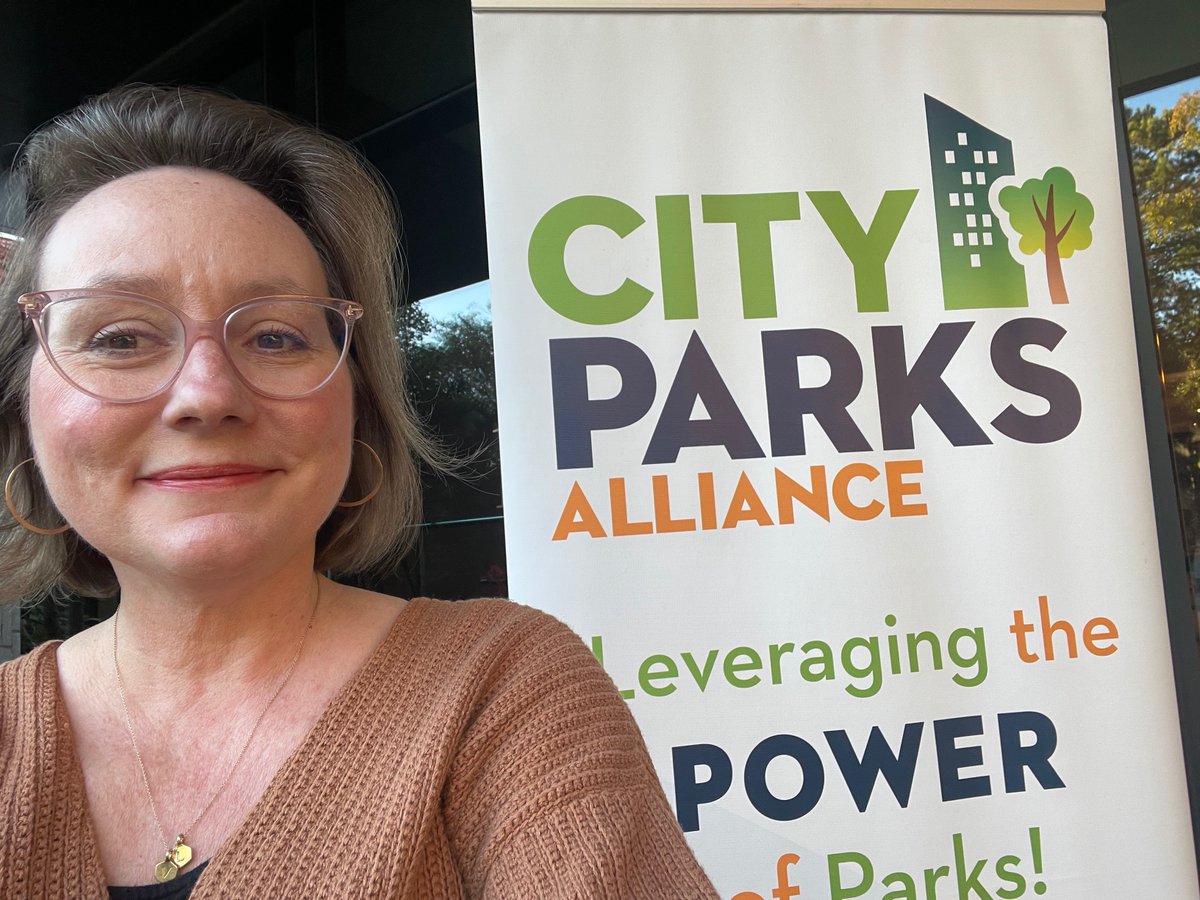
The Institute’s Executive Director, Maura Lout is in Atlanta today at the @CityParksAll board meeting to join urban park leaders in advocating for the power of our cities' public spaces!
This week's Certificate program conversation on Canvas is "Working with Tools and Technology." Urban park managers increasingly rely on innovative technology as a critical component of daily park maintenance and operations.
Applications for the 2023 Partnerships Lab cohort are officially open! Head to our website to learn more and register for our upcoming information session on 11/1. Applications close 12/30! https://t.co/saLZT8bPiM
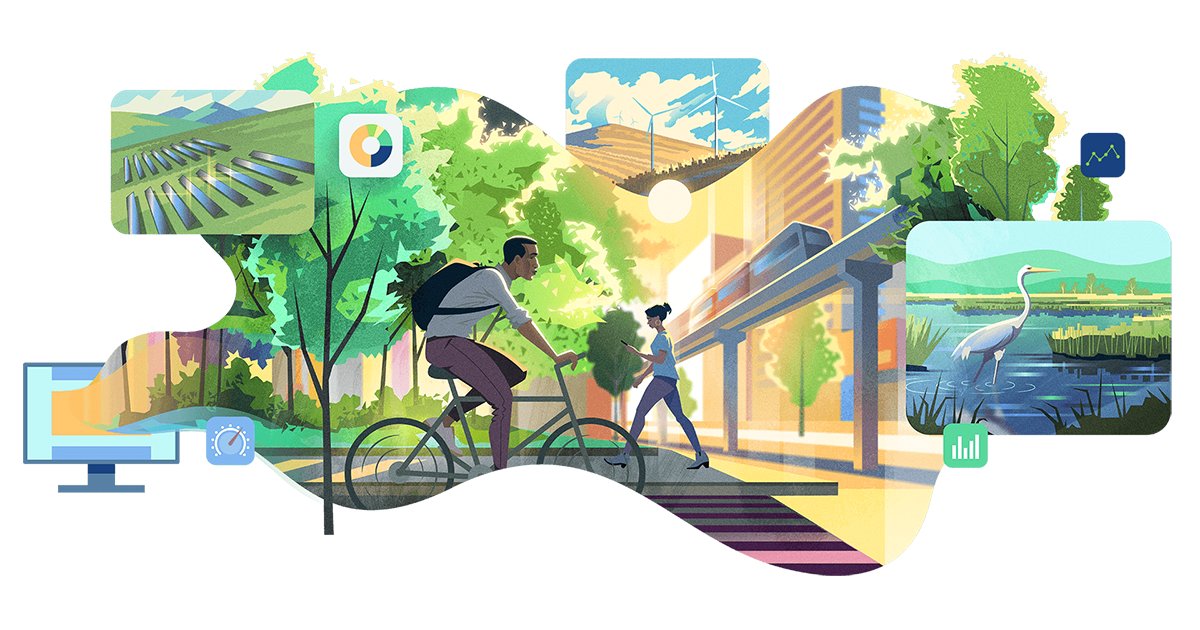
Introducing the Climate Mapping for Resilience and Adaptation (CMRA) screening portal, a first-of-its-kind hub that helps communities better understand their exposure to climate hazards and strengthen their resilience plans to build a #ClimateReadyNation. https://t.co/NWpaOVU175
Our Urban Park Leadership Program begins next week. For those enrolled in our 2022-2023 cohort, please check your inbox this week for more information about our upcoming orientation. Any questions, email [email protected]
Sustainability + resilience are important considerations in any long-term plan for an urban park. This week's Certificate program topic is "Assessing Environment Sustainability" on Canvas. We'll discuss significant environmental impacts across a range of activities in urban parks
We want YOU to join the 2023 Partnerships Lab! The Partnerships Lab is a 10-month collaboration between the Institute + open space organizations that helps strengthen their ability to serve their communities in NYC + nationwide. Applications open on 10/24!
https://t.co/saLZT8bPiM
Following this @WWF report, imagine how we can restore wildlife populations in our cities' own backyards. With @NaturalAreasNYC & @YaleEnvironment, Central Park Climate Lab is researching how healthy urban parks support climate resilience & biodiversity. https://t.co/bULa9XKfgu
Our Urban Park Roundtable in Los Angeles starts today! Julia Diamond, Executive Director of co-host @GrandPark_LA shares with Institute Scholar in Residence @JohnSurico how LA's diversity will be celebrated during the Roundtable: https://t.co/p7frLDdtCV
The City of @Oakland is leading in the urban #landback movement by introducing a proposal to rematriate five acres of Joaquin Miller Park to indigenous stewardship. https://t.co/WG0PIEEmAA
The Central Park Climate Lab believes that indigenous knowledge is critical to climate adaptation. @TheNIACS offers the Tribal Climate Adaptation Menu as a resource and framework to integrate indigenous expertise, culture, language & history in planning: https://t.co/AXOkNGWY74