A page for the Missouri River Basin (MRB)'s past, present, and future decadal climate variability and its associations with variability in hydro-meteorology, river flows, and crop productions in the MRB is available. Check out the new page at https://t.co/6ITFxEsPFn.
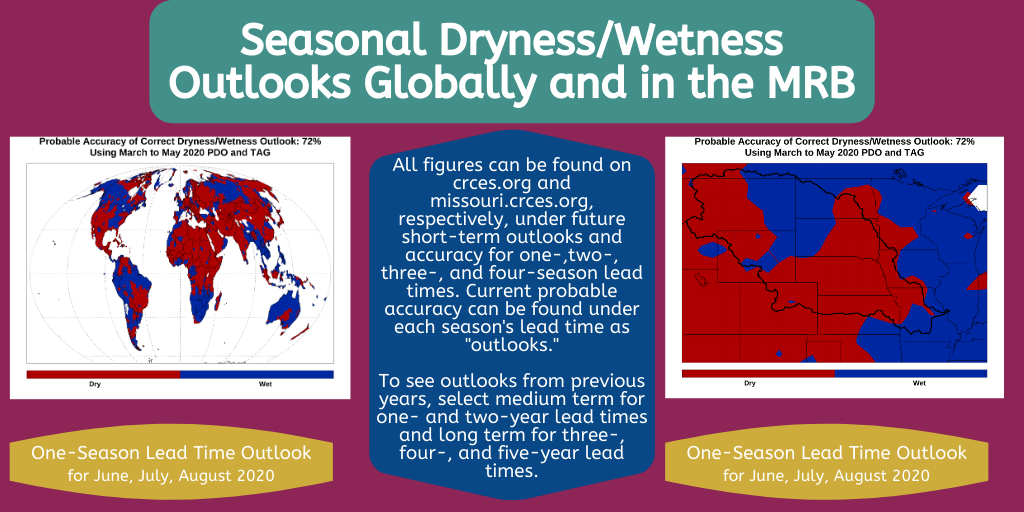
The seasonal wetness and dryness verifications and outlooks for using June, July, and August data are out now! To view global data, visit https://t.co/GiWsnQ70WP. To view data for the Missouri River Basin, visit https://t.co/xws9mx6Squ.
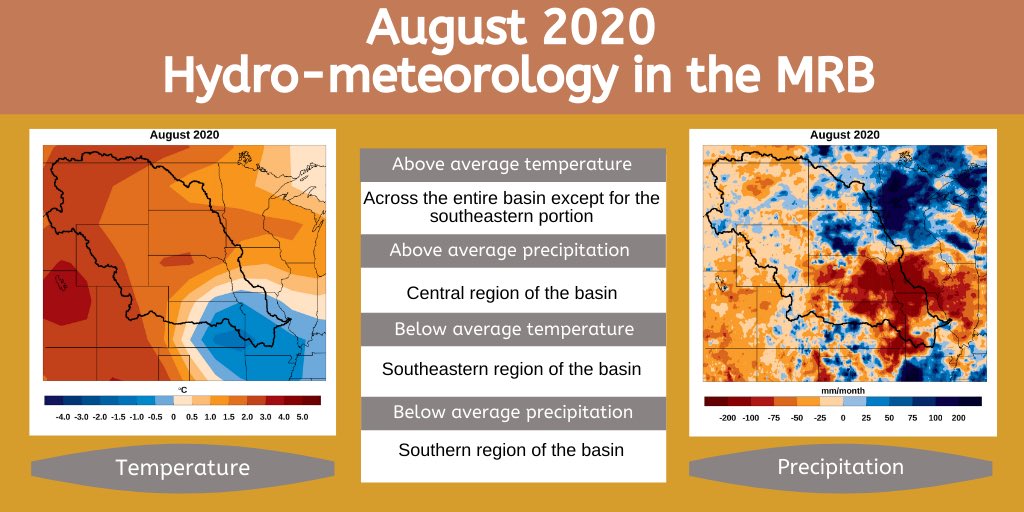
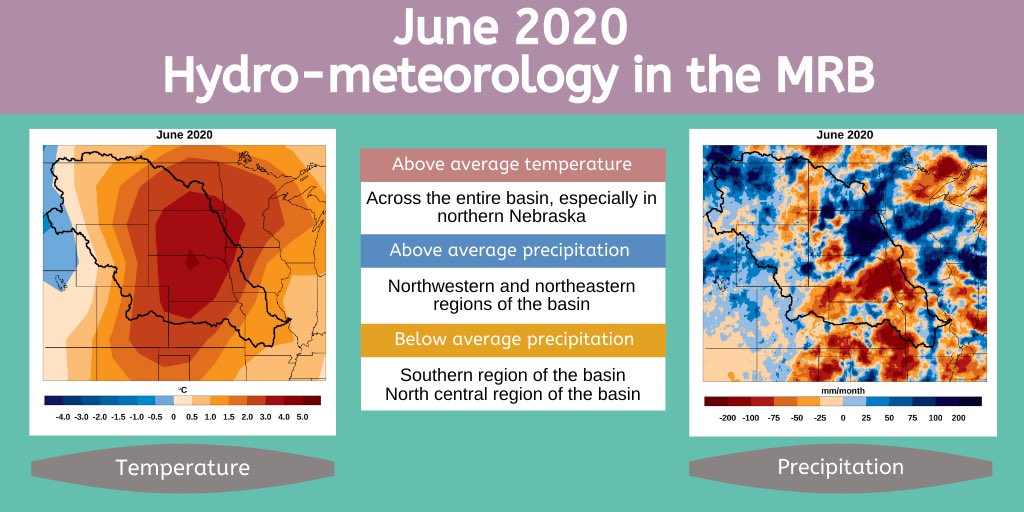
Interested in how temperature and precipitation changed in the MRB during August? To view all changes over the last 12 months, visit https://t.co/YqGaf0L8Ej.
Geologist Nick Balascio has been studying millennia's worth of sediment from South Sawtooth Lake to reveal info about Atlantic multidecadal variability (AMV), a major impact on climate in the Northern Hemisphere. To read @WMNews@j2250's article, visit https://t.co/LqHsV5ySkc
@conservbytes and @FredSaltre answer the questions, “How much climate variability have humans dealt with since...we started settling (Neolithic times)? How important was migration to human survival during these periods?” in their article, https://t.co/vr2Yhq4R2D. #FridayFacts
Did you know the Sahara was green as early as the Miocene epoch due to natural climate cycles?
To learn how greenhouse gases might impact future green periods, read @LiveScience's @donavyncoffey's entire article at https://t.co/nfndzpvum7 #FridayFacts
How did the decadal climate variability phenomena change in value and trend, if at all, during August? To view DCV for the past 12 months, visit https://t.co/JHZ03mDHXT.
Researchers have found a cost-effective method for measuring ocean warming; results show warming in the Indian Ocean over the studied decade was greater than previously estimated. To read @MattMcGrathBBC’s entire article, visit https://t.co/k6kimy2eOM. #FridayFacts
Did you know? Recent studies evaluated precipitation variability by region in Mongolia, specifically the Mongolian Plateau and the western part of arid Central Asia. To read more, visit https://t.co/26ik6GrR16
Did you know? Aerosol-forced multidecadal variations across all ocean basins in models and observations since 1920. #FridayFacts https://t.co/l9wm8gFoGH
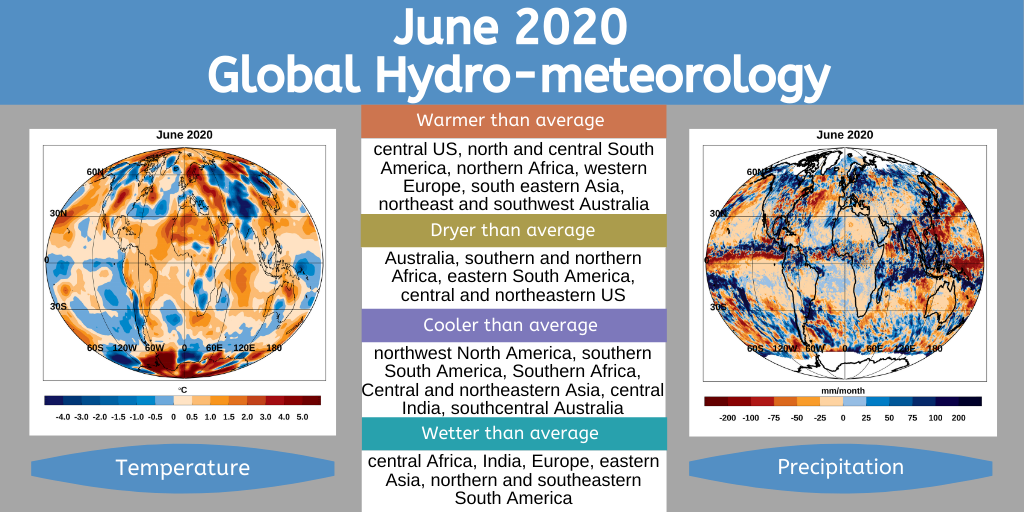
Which areas of the world were dryer or wetter, warmer or cooler in June? See the global hydrometeorology to find out! To view all precipitation and temperature patterns for the last 12 months, visit https://t.co/tQCYsU3Hhg.
To learn more about the Southern Annual Mode, check out our new book Natural DCV: Phenomena, Mechanisms, and Predictability at https://t.co/PyYzcf7UxR. (2/2) #FridayFacts
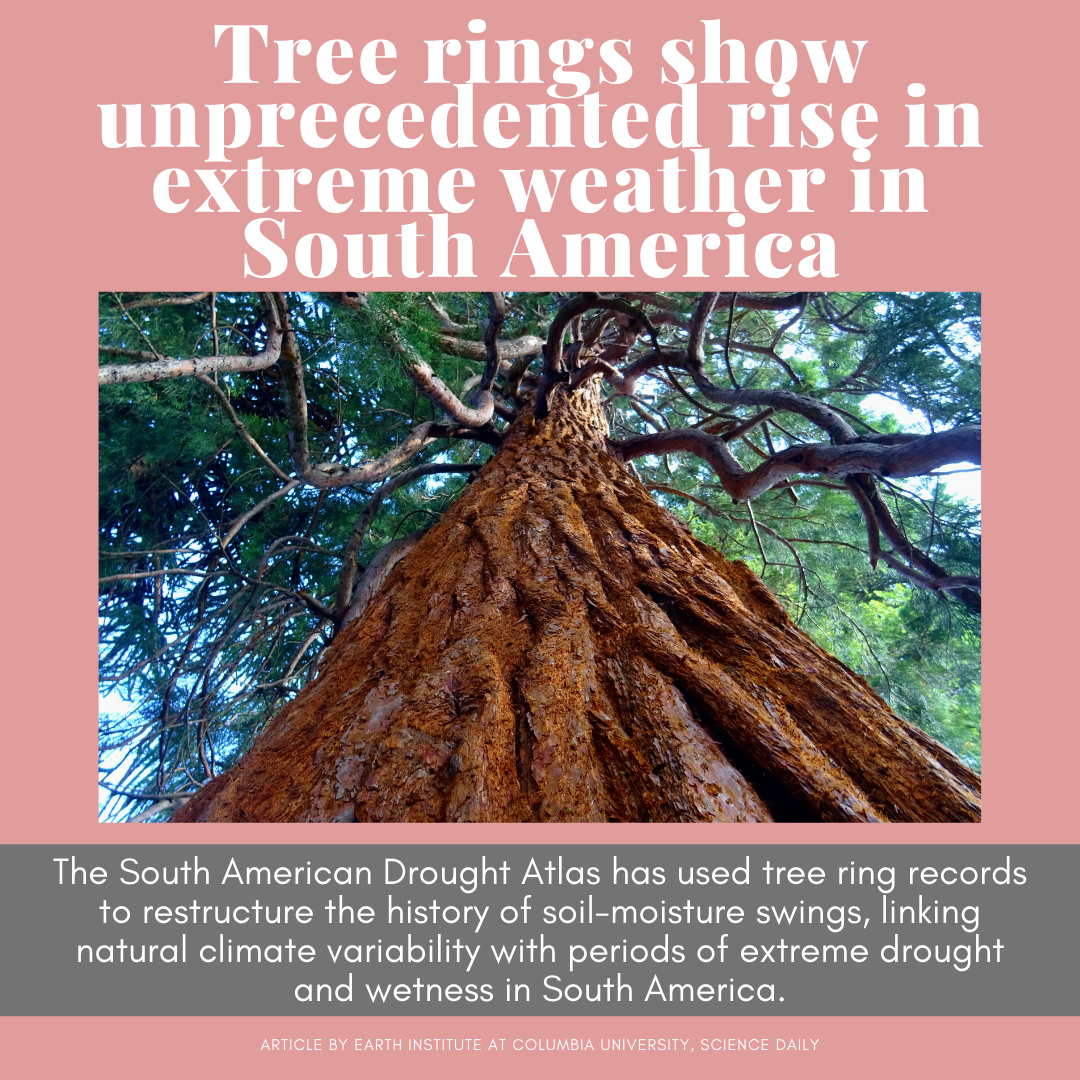
#DidYouKnow Extreme hydroclimate events have occurred in South America since the mid-20th century in part due to natural climate variability, such as the Southern Annual Mode? To read @LamontEarth’s entire article, visit https://t.co/FaQ971V7FR. (1/2)
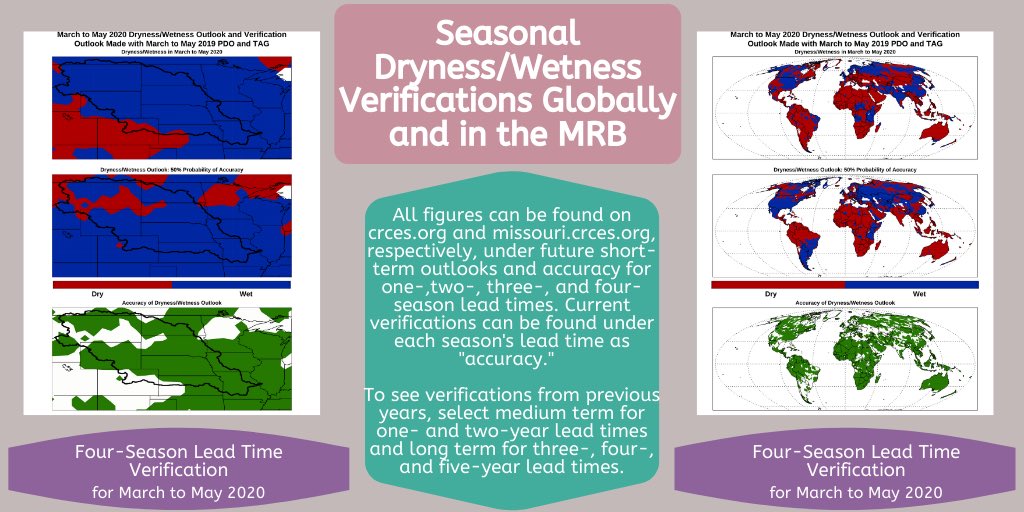
How did the dryness/wetness verifications for March, April, and May compare to their outlooks from 4-seasons prior? To view all verifications with short-term (1-4 season) lead times, visit https://t.co/4t0d3Y2UZ9 (for global) and https://t.co/co973rrkso (for the MRB).
With 72% probability globally and in the MRB, will the June, July, August dryness/wetness outlooks be accurate? To view all outlooks with short-term (1-4 season) lead times, visit https://t.co/4t0d3Y2UZ9 (for global) and https://t.co/co973rrkso (for the MRB).
A study by the @UOGTriton found the interaction between El Niño and PDO can provide warnings of coral bleaching by predicting movement of seawater and excess nutrients 3-5 months in advance. To read more about the @SciReports study, visit https://t.co/rzs0JHImHS. #FridayFacts
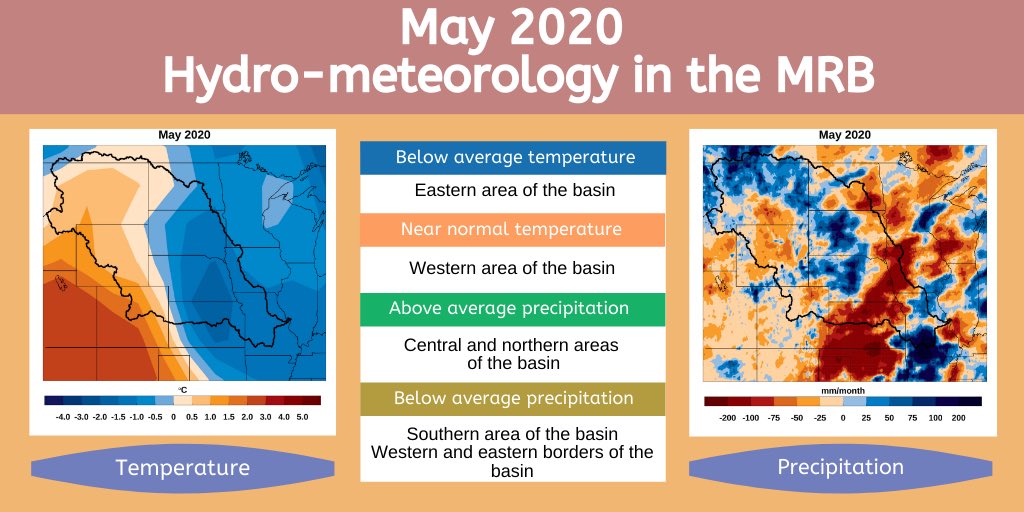
Check out the strong East-West temperature gradient across the MRB! To view all hydrometeorology for the region in the past 12 months, visit https://t.co/4MSBmjfoTY.