Mechanical tension drives muscle hypertrophy. Train close to failure (0–2 RIR), then progressively increase load.
➡️A simple strategy: double progression—reach the top of your rep range, add weight, repeat.
https://t.co/rO0TnOigIR
Post-workout cold water immersion reduces muscle growth during a strength training program, alongside reductions in the improvements in maximum isometric strength (as expected given the close relationship between isometric strength and muscle size).
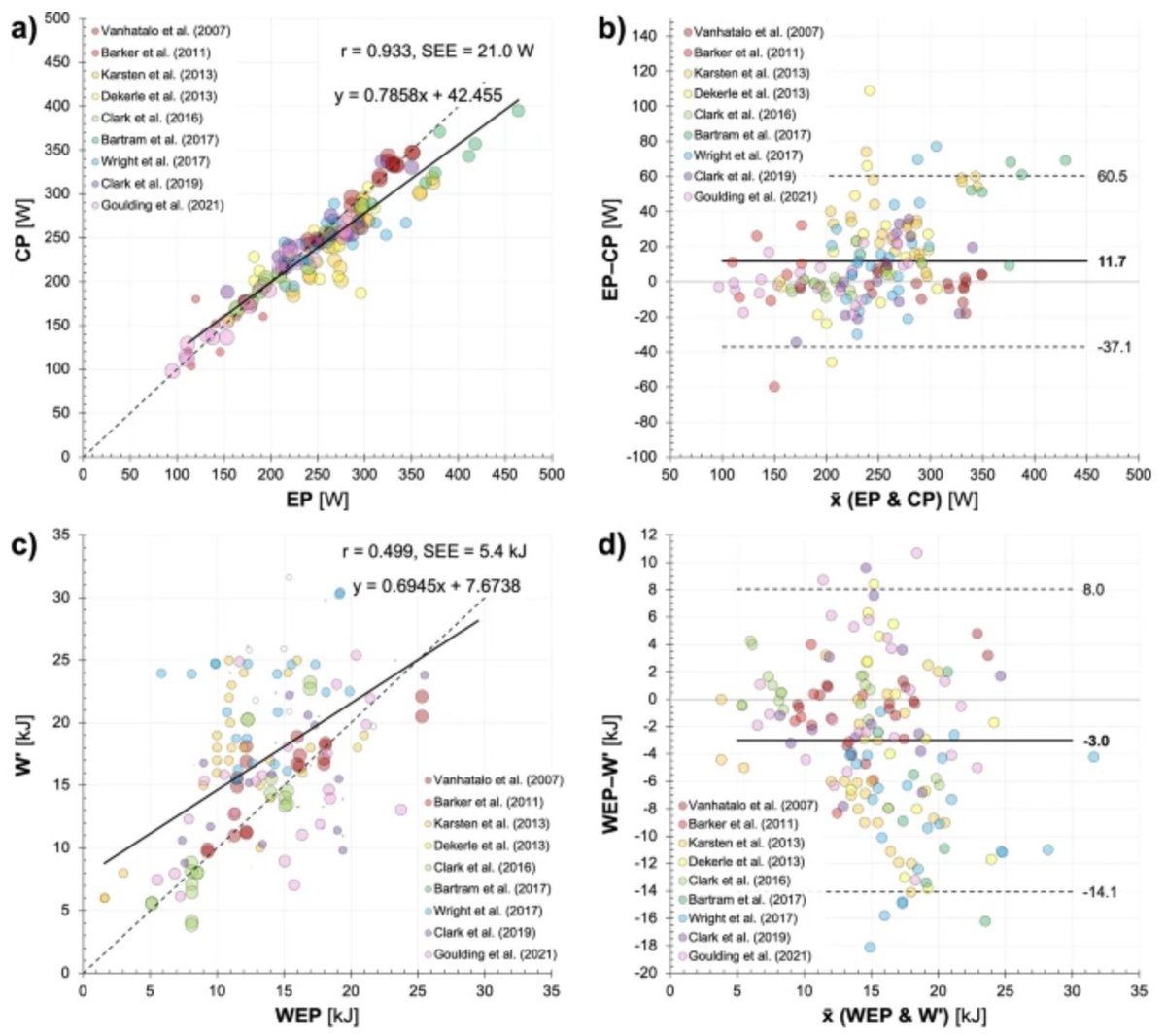
👉New review: the 3MT is reliable but not valid for estimating Critical Power. EP overestimates CP and WEP underestimates W′. The traditional CP or validated CPETs models remain the preferred methods. https://t.co/t1MTo0W0F9
Right study. Wrong conclusion.
Preserving mitochondrial function is the most important element of healthy aging.
The ability of older adults to generate mitochondria is compromised when compared to young adults *at the same activity level* (~half)
The solution, however, isn't drugs. It's don't be at the same activity level as a typical young person!
Be a lifelong athlete.
As you get older...
Move more!
The best weekly exercise regimen for overall health is:
• 4–6 hours of aerobic exercise (2–4 lower intensity + 1 high-intensity)
• 2–3 strength training workouts (probably <2 hrs total)
Consuming carbohydrates before an intense bout of endurance running reduces the post-exercise muscle damage and inflammation responses, likely thereby reducing fatigue and allowing faster recovery after exercise.
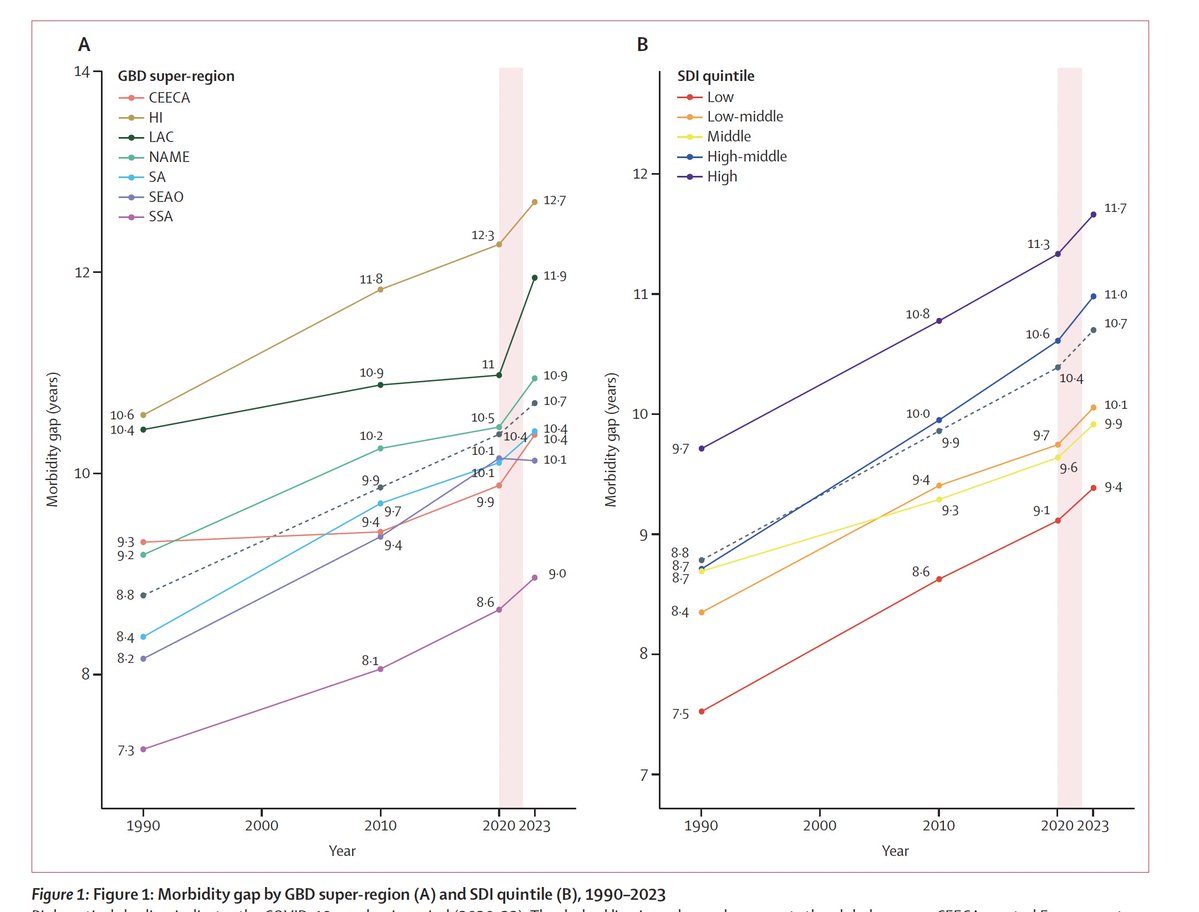
Around the world, life expectancy is increasing but the gap vs healthspan is widening. That is, more sickspan, most seen in high-income countries. The US has the largest morbidity gap.
https://t.co/B6pG3rpIfg @IHME_UW@TheLancetPH
“Our findings suggest that future gains in population health will come not only from helping people live longer, but from helping them live healthier."
I don't mean to sound like the wise old owl 🦉of the forest or anything, but...
As you get older, you're going to realize that a VO2max of 50 in your 70's is *way* more important than a VO2max of 70 in your 30's
And, no, they don't just go together.
#PaceYourself
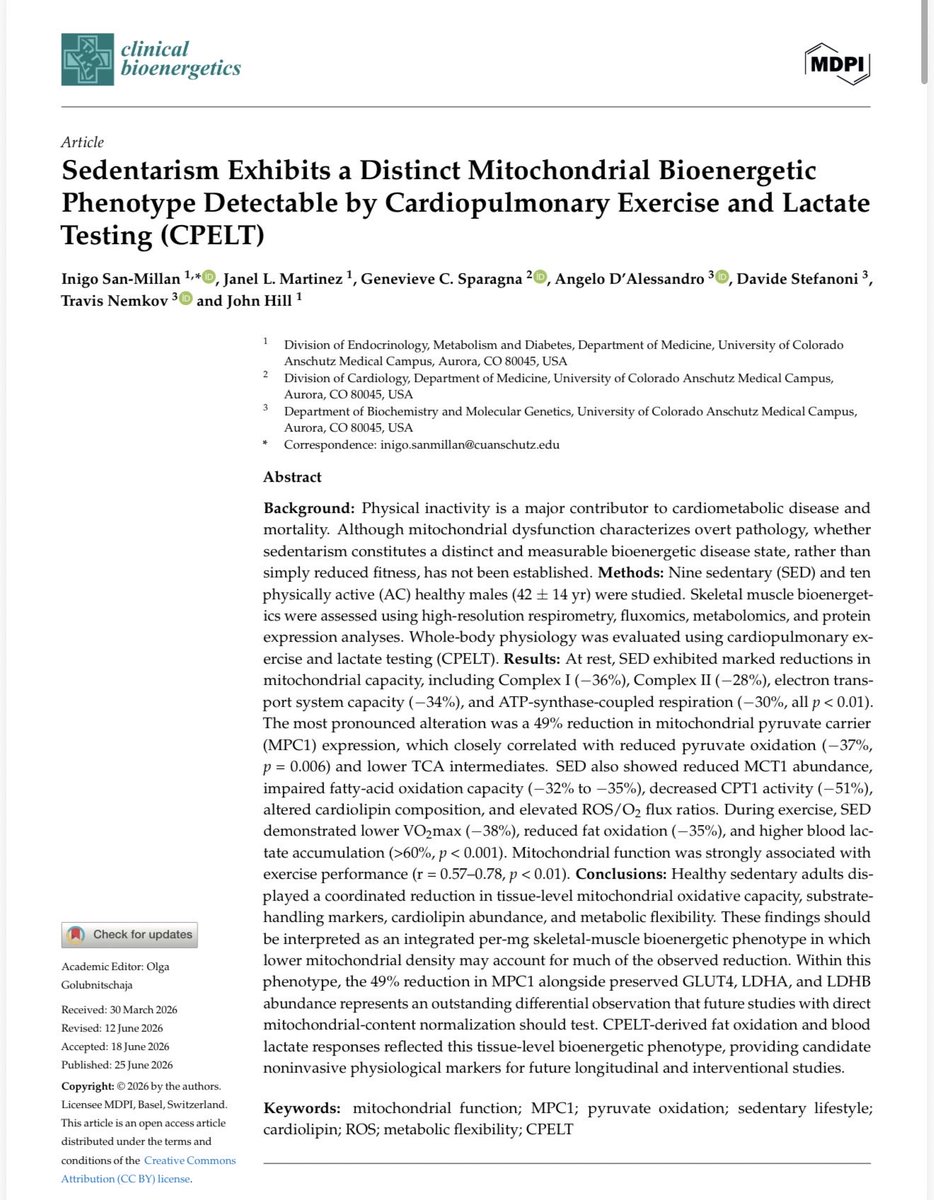
🚨 🔬RIGHT OUT OF THE OVEN!. Our last study published today!.
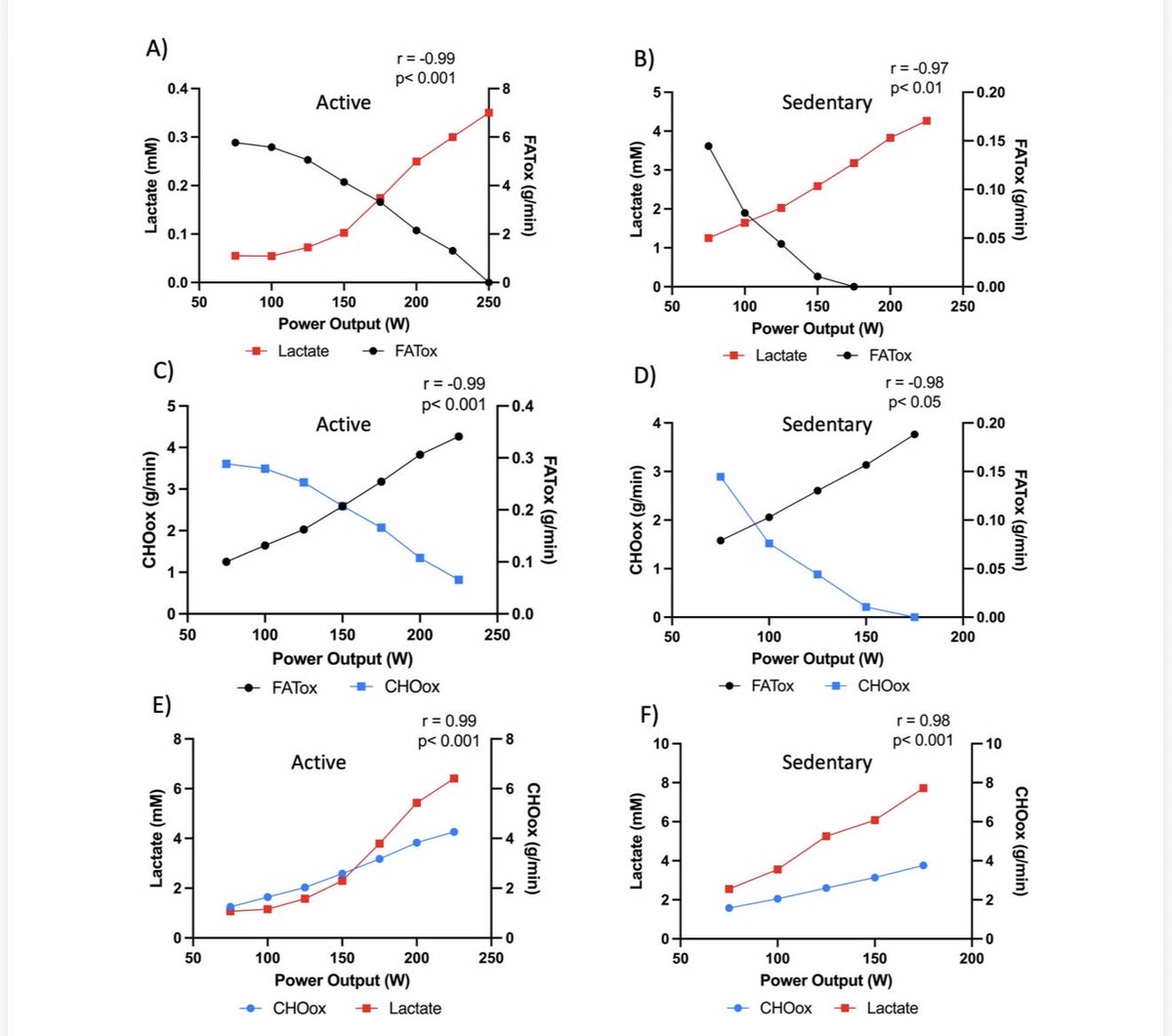
Even in apparently healthy people, sedentarism was associated with a major impairment in mitochondrial function.
We used skeletal muscle biopsies, high-resolution mitochondrial respirometry, metabolomics, proteomics, targeted mitochondrial lipidomics including cardiolipin analysis, ROS assessment and ¹³C tracer-based oxidation flux analyses to examine how sedentarism affects mitochondrial function, substrate oxidation and cellular fuel metabolism.
1) One of the key findings was an almost 50% reduction in MPC1 (the mitochondrial pyruvate carrier) that allows pyruvate to enter the mitochondria and be oxidized.
Our data suggests that glucose dysregulation could happen at the mitochondrial level, years before insulin resistance happens at the surface level, leading to type 2 diabetes. I call this an "inside-out" theory of glucose dysregulation.
2) The second important finding is that we can also correlate the mitochondrial dysfunction, metabolic flexibility and decrease in MPC1 with cardiopulmonary exercise testing (CPET) plus lactate testing, which I call "CPELT" -cardiopulmonary exercise lactate testing. With this test we could indirectly assess in a non-invasive way, mitochondrial dysfunction in healthy people years before metabolic disease shows up and intervene with specific exercise prescription and nutrition.
Link to the study here!👇
https://t.co/338KE6plE5
#Mitochondria #MetabolicHealth #PhysicalActivity #Sedentarism #MPC1 #Metabolism #Healthspan #Longevity #DiabetesPrevention #HealthyAging
For nearly three decades, cancer cachexia has been viewed primarily as an inflammatory disease.
Yet despite enormous scientific effort, therapies targeting inflammatory cytokines have largely failed to stop the devastating muscle wasting seen in patients.
What if inflammation is not where cachexia begins?
In my latest scientific hypothesis, I propose that the process may start much earlier, with cancer’s remarkable demand for glucose.
Through the Warburg effect, tumors behave like a continuous glucose drain, progressively exhausting glycogen reserves throughout the body. As glycogen availability declines, the body increasingly relies on gluconeogenesis to maintain blood glucose, using amino acids from skeletal muscle as substrate.
From this perspective, muscle loss is not simply a consequence of inflammation. It may be the predictable metabolic cost of feeding a glucose-hungry tumor.
This hypothesis connects tumor metabolism, systemic glucose homeostasis, glycogen depletion, gluconeogenesis, and muscle wasting into one integrated metabolic framework.
Whether ultimately proven or not, I hope it stimulates new discussion and perhaps new therapeutic directions, for one of oncology’s most devastating syndromes.
The full article is now available as a preprint and on my Substack 👇
https://t.co/QjyAHGOS9L
https://t.co/lKLMW2oe5B
#Cancer #CancerResearch #Cachexia #WarburgEffect #Metabolism #Mitochondria #Muscle #Oncology #MedicalResearch #Science #Physiology
#CUAnschutz researchers have found that healthy yet sedentary individuals show a significant, coordinated drop in muscle mitochondrial function that may precede the development of major diseases like #cancer, #diabetes and #Alzheimers. ⬇️ https://t.co/wM7LtmJrFv
Wow.
We might be able to identify mitochondrial dysfunction with a simple treadmill test.
This new paper by @doctorinigo proposes that two key metrics can serve as a “reliable, early physiological signature of subclinical mitochondrial dysfunction.”
• A blood lactate level above 2.5 mmol/L
• A fat oxidation rate below 0.4 g/min during moderate exercise (50 to 60 percent of VO2 max)
What truly limits endurance performance: the brain, the muscles, or both?
Dr. Marius and Dr. Paul discuss how muscular function, fatigue, and central regulation shape performance.
Full episode: https://t.co/2eG11aX5Cl
@ProfTimNoakes@LoreofRunning1@PaulBLaursen@Athletica_AI
Is Lactate the Ultimate Energy VIP?
Forget everything you were taught about lactate being a mere "waste product." It might actually be a master signaling molecule with a VIP pass to your metabolism... @PaulBLaursen@MVAitor
Watch the full episode here: https://t.co/zeCHmsWDAO
Ni dogma de ZONA2 ni culto al HIIT
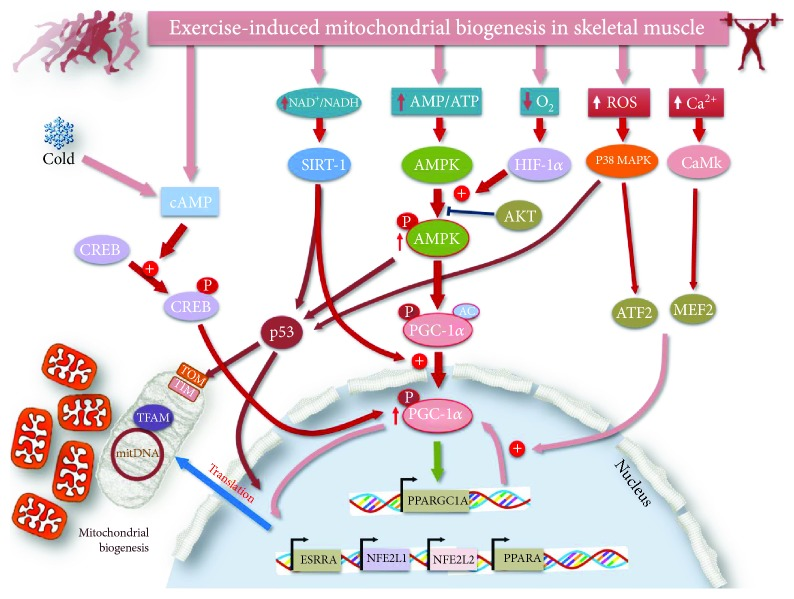
La BIOGÉNESIS MITOCONDRIAL DEPENDE de tipo, duración y frecuencia del ESTRÉS METABÓLICO, NO de tus GUSTOS.
🧙🏻♀️ PGC-1α se activa por DÉFICIT ENERGÉTICO, ya sea 30" de HIIT o 90min de Z2.
Distinto camino, mismo destino: más mitocondrias.
Para ⏫ #mitocondrias... cuánto más entrenes, mejor.
Lo que importa es el ESTRÉS METABÓLICO ACUMULADO en años... 📅
🔥 Alta intensidad: más rápido, más fatiga.
💚 Baja intensidad: más volumen, menos desgaste.
La biogénesis mitocondrial RESPONDE al TOTAL, NO al RITMO.
In our experiments, ER-positive luminal MCF7 breast cancer cells relied more on mitochondrial ATP production and showed lower lactate production.
In contrast, triple-negative MDA-MB-231 cells showed a much higher glycolytic ATP contribution and higher lactate production.
This is a key metabolic characteristic because triple-negative breast cancer cells are more aggressive, grow faster, invade more easily and respond less predictably to therapy than ER-positive luminal cells.
These data support a central idea: Aggressiveness in cancer is not only genetic as it is also metabolic and lactate production is related to aggressiveness.
The more aggressive triple-negative phenotype appears strongly linked to glycolytic dependency and lactate production, while the less aggressive ER-positive luminal phenotype retains a more mitochondrial metabolic profile.
https://t.co/2RsgBUsXAD