08:15 AM, Hiroshima.
People observe a minute of silence on the Aioi Bridge, which is said to have been the target of the atomic bomb, 81 years ago Today.
The atomic bomb destroyed the city, but it had no power over the Rosary.
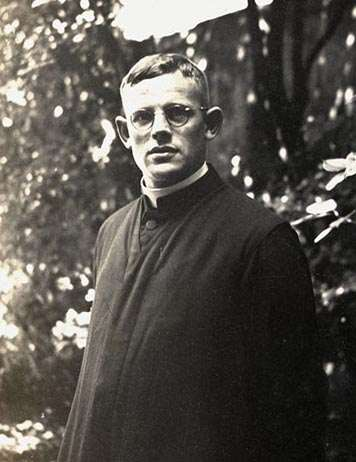
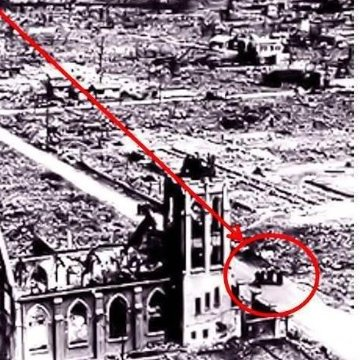
August 6, 1945. The atomic bomb dropped on Hiroshima. Ground Zero was 8 blocks away from the Jesuit rectory.
Everything within a mile was instantly vaporized, but the rectory remained standing. Inside, eight Jesuit priests (including Fr. Hubert Schiffer) survived.
The eight Jesuit priests inside, led by Fr. Hubert Schiffer, survived virtually unscathed. They were examined by doctors hundreds of times over the next 30 years: no radiation sickness, no cancer.
They didn't just survive the blast; they suffered no radiation sickness and lived healthy lives for decades afterward. Scientists examined them 200 times and couldn't explain it.
Fr. Schiffer had a simple answer: "We lived the message of Fatima. We prayed the Rosary daily in that home."
Physics says they should be dead but the Queen of Heaven disagreed.
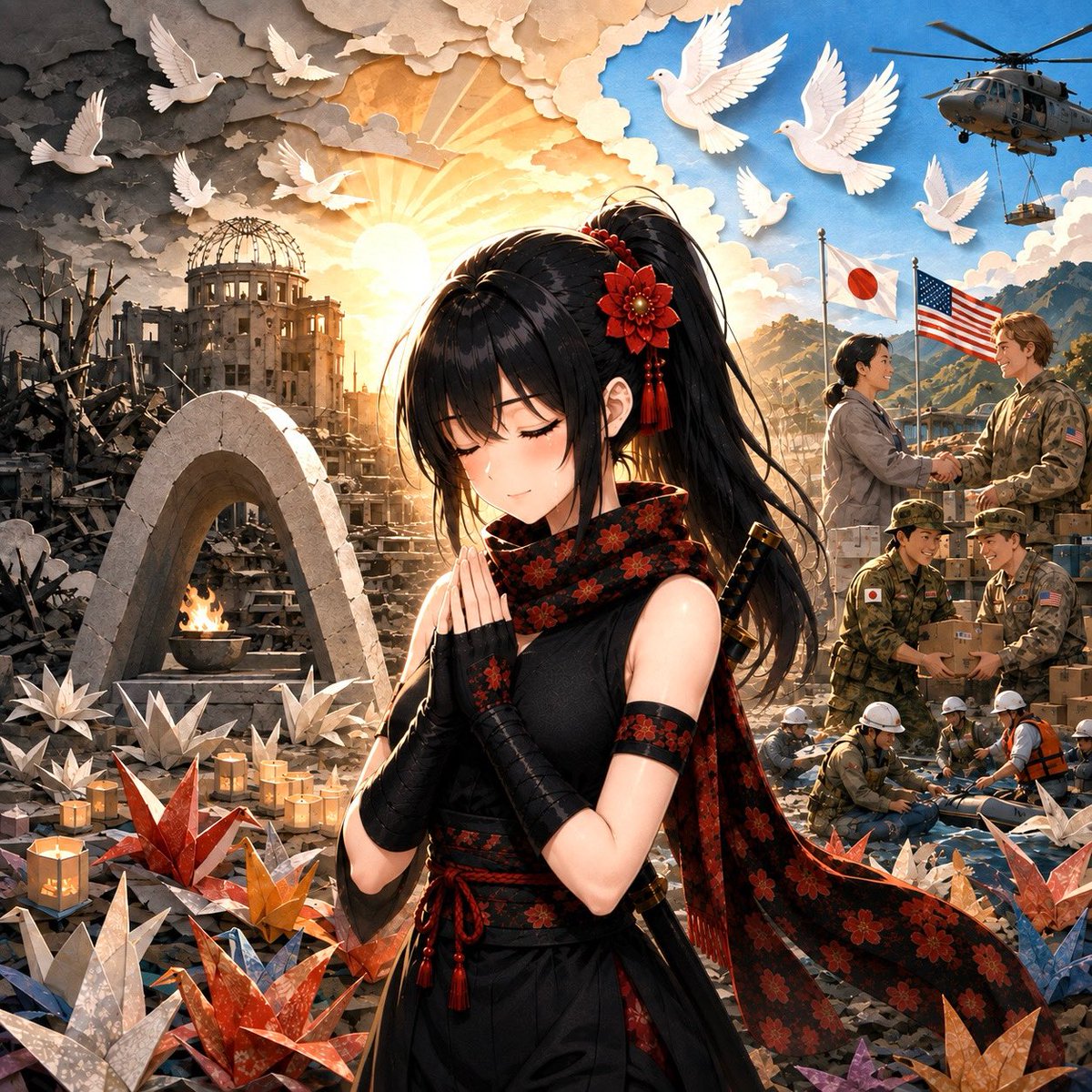
🇯🇵 Dear American friends, I will never forget either the tragic history or the friendship you extended to us. 😭🕊️
August 6, 1945.
An atomic bomb was dropped on Hiroshima, and countless precious lives were lost.
I offer my heartfelt condolences to every person who lost their life.
Remembering the past and continuing to live in hatred are not the same thing.
Japan and the United States once fought a bitter war.
But we chose reconciliation over hatred, and today we are among the closest friends and allies in the world. 🇯🇵🤝🇺🇸
During the Great East Japan Earthquake, even in the face of danger and extremely difficult circumstances, you launched Operation Tomodachi without delay, stood beside Japan, and did everything you could to help us. Not a single day has passed that I have forgotten what the American people did for us. 🥹
Japan will never forget either its tragic history or the priceless friendship you have shown us. 🇯🇵🤝🇺🇸🕊️
Never.
Forever… 🥹❤️🇺🇸🇯🇵
#TalDíaComoHoy de 1945, Estados Unidos se convirtió en el primer (y único) país en lanzar una bomba atómica contra la población civil siendo Hiroshima el objetivo.
A las 8:15 del 6 de agosto, el Enola Gay lanzó "Little Boy"; tres días después, el Bockscar arrojó "Fat Man" sobre Nagasaki.
En cuestión de segundos miles de personas fueron incineradas o aplastadas. Para finales de 1945 habían muerto unas 140.000 en Hiroshima y cerca de 74.000 en Nagasaki. Los hibakusha (sobrevivientes de los ataques nucleares) padecieron durante décadas quemaduras, leucemias, cánceres y las secuelas de la radiación. En Hiroshima, más de 51.000 edificios quedaron destruidos o calcinados.
La versión oficial afirma que este crimen era inevitable para forzar la rendición y evitar una invasión a la isla. Pero Japón estaba militarmente derrotado: sufría un bloqueo devastador, carecía de combustible y materias primas y ciudades como Tokio también habían sido bombardeadas por EE. UU. Una parte de su cúpula militar buscaba terminar el conflicto preservando al emperador y esperaba una mediación soviética.
Esa esperanza desapareció el 8 de agosto, cuando la URSS declaró la guerra. El Ejército Rojo lanzó una ofensiva fulminante, destrozó al Ejército de Kwantung y hundió el dominio japonés en Manchuria. El colapso militar, la entrada soviética en la guerra y la posibilidad de conservar la institución imperial ofrecían alternativas reales al exterminio nuclear provocado por EE. UU.
Ni siquiera existió unanimidad sobre entre los altos mandos estadounidenses. Eisenhower sostuvo que Japón ya estaba derrotado y que emplear la bomba era innecesario; el almirante William Leahy la calificó de arma bárbara que no aportó ayuda material para vencer.
La verdad es que Hiroshima y Nagasaki no fueron los últimos bombardeos de la Segunda Guerra Mundial, sino que fueron una demostración de poder ante la URSS y el primer acto de la naciente Guerra Fría. EE. UU mostró que pretendía imponer su hegemonía mediante el terror nuclear. Años después se consolidó el mito político de que cientos de miles de soldados estadounidenses habían sido salvados porque se evito la invasión a Japón, transformando una matanza de civiles en un acto de necesidad.
"La inmensa mayoría de la evidencia documental disponible hoy en día demuestra que, antes de que se lanzara la bomba atómica, los principales responsables políticos y militares estadounidenses sabían que Japón estaba derrotado de forma exhaustiva y que intentaba rendirse. [...] El peso abrumador de la evidencia sugiere que el principal motivo de la rápida decisión de Truman de utilizar esta nueva arma fue su deseo de impresionar a la Unión Soviética con el poderío estadounidense. La bomba fue vista como un martillo diplomático para asegurar que Estados Unidos tuviera el control en la configuración del mundo de la posguerra, particularmente en Europa del Este y Asia."
-Gar Alperovit (1995): La decisión de usar la bomba atómica y la arquitectura de un mito americano.
Good morning from Virginia. 🇺🇸
On this day in 1945, at 8:15 in the morning local time, the world crossed a threshold it could never uncross. High above Hiroshima, the B-29 Superfortress Enola Gay—named after the pilot’s mother and commanded by Colonel Paul Tibbets—released a single 9,700-pound weapon called “Little Boy.”
It was not a conventional bomb. Inside its steel casing was a carefully engineered gun-type device that fired one mass of uranium-235 into another, creating the first nuclear chain reaction ever used in warfare. Forty-three seconds after release, at roughly 1,900 feet above the city, the bomb detonated with a force equal to about 15,000 tons of TNT.
A blinding white flash lit the morning sky. A fireball hotter than the surface of the sun expanded outward. Within seconds a shock wave leveled nearly everything within a mile of the hypocenter. Wooden houses vanished. Concrete buildings were gutted. People near the center were simply vaporized, leaving only shadows burned into stone. An estimated 70,000 to 80,000 died in those first moments; tens of thousands more would perish in the days and years that followed from burns, trauma, and radiation sickness.
The mission had been months in the making—part of the secret Manhattan Project that harnessed the work of thousands of scientists and the industrial might of the United States. The Enola Gay itself had been specially modified, its bomb bay redesigned to carry the strange new weapon. Tibbets and his crew trained in total secrecy, knowing they carried something that would rewrite the rules of war.
Three days later Nagasaki would be struck. On August 15, Japan announced its surrender. The Second World War—the bloodiest conflict in human history—was over.
Whatever one believes about the decision, the fact remains: on August 6, 1945, humanity entered the nuclear age. The mushroom cloud over Hiroshima still hangs in our collective memory as both a warning and a measure of the power that science, industry, and war can place in human hands.
America 250 🇺🇸
Este triciclo permanece como un triste recuerdo de los bombardeos atómicos a Hiroshima y Nagasaki. Este juguete perteneció a un niño llamado Shinichi Tetsutani quien en 1945 tenía 3 años. Shinichi jugaba esa mañana afuera de su casa con su mejor amiga Kimi cuando de pronto la bomba explotó sobre Hiroshima.
El estallido destruyó por completo la casa pero los padres de Shinichi sobrevivieron y comenzaron a buscarlo. Lo encontraron mal herido debajo de una viga de la casa derrumbada aún sosteniendo su triciclo, pero no había rastro alguno de su amiga Kimi.
La familia se reunió después con otros sobrevivientes pero esa misma noche Shinichi murió, no soportó la gravedad de sus heridas. Esta historia se narra en el libro "Shin's Tricycle" publicado por primera vez en 1992.
Créditos: Ciencias de bolsillo.
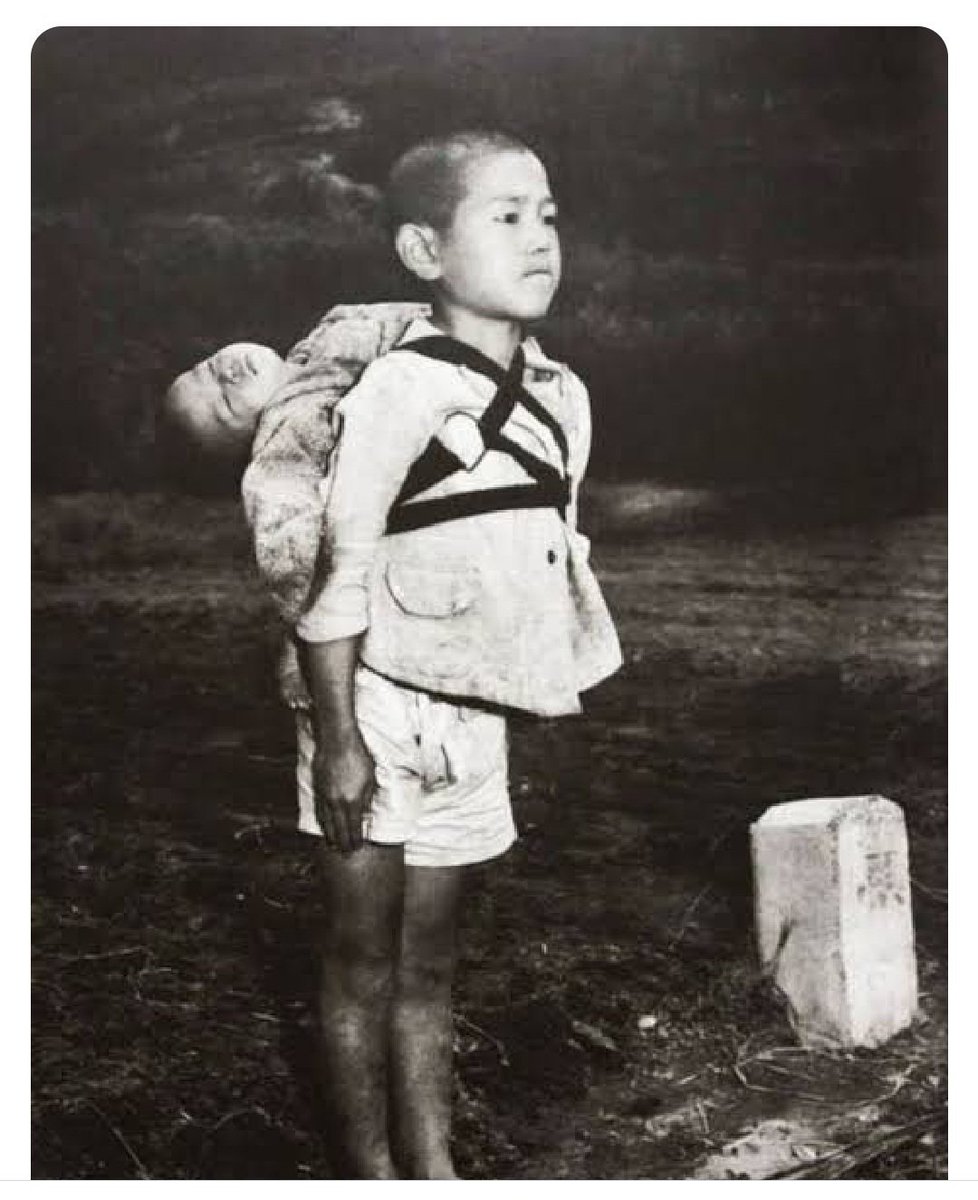
Ein 8 jähriger japanischer Junge trägt den Leichnam seines kleinen Bruders nach dem Atombombenabwurf der US-Kriegsverbrecher zur Einäscherung.
Ein Foto das zum Symbol der Unmenschlichkeit der US-Atomangriffe auf #Hiroshima und #Nagasaki wurde.
Tomorrow Japan's national broadcaster NHK will air an ETV documentary about the 163 people who were victims of both the Hiroshima and Nagasaki atomic bombings.
Some fled Hiroshima, only to to be exposed another a-bomb a few days later.
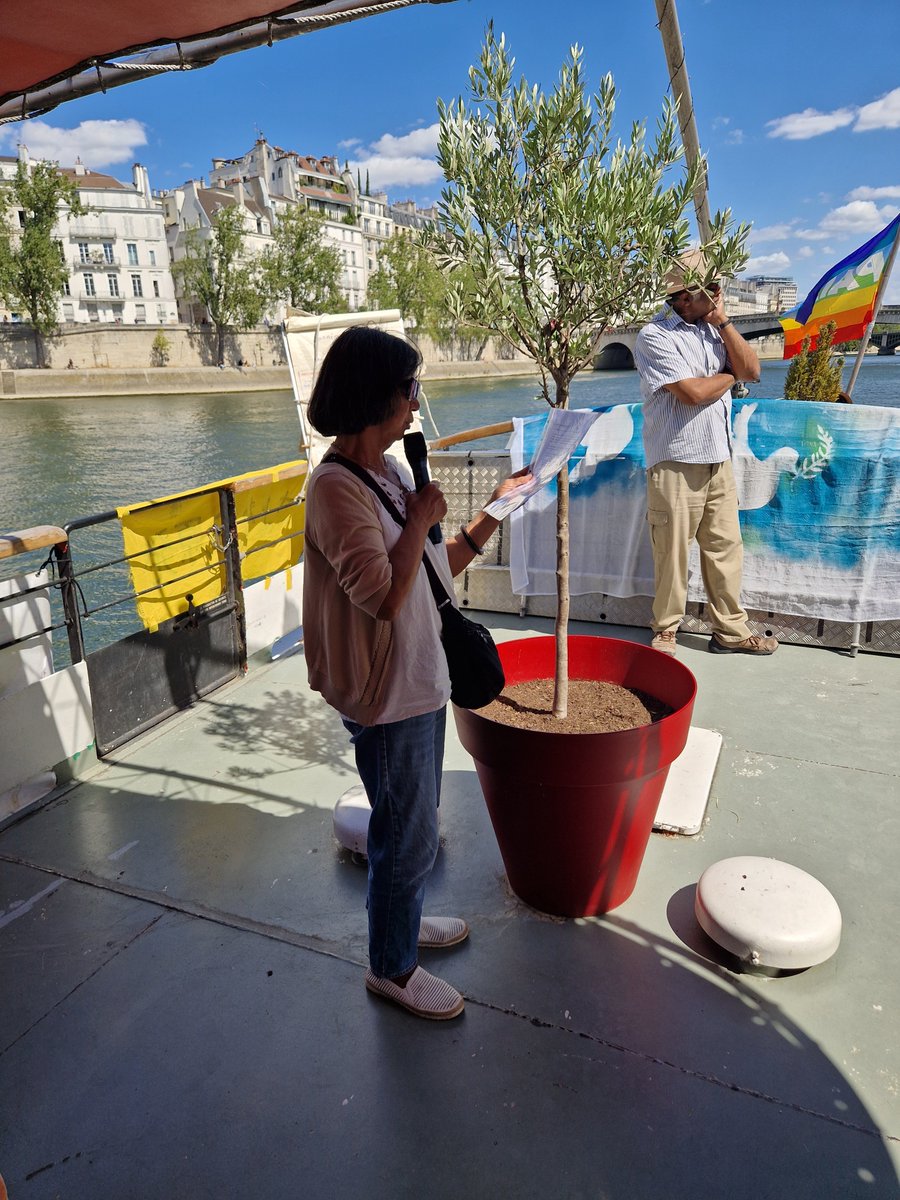
Cet après-midi à Paris, hommage aux victimes de #Hiroshima et #Nagasaki organisé par plusieurs associations.
Les USA n'ont jamais répondu de ces crimes.
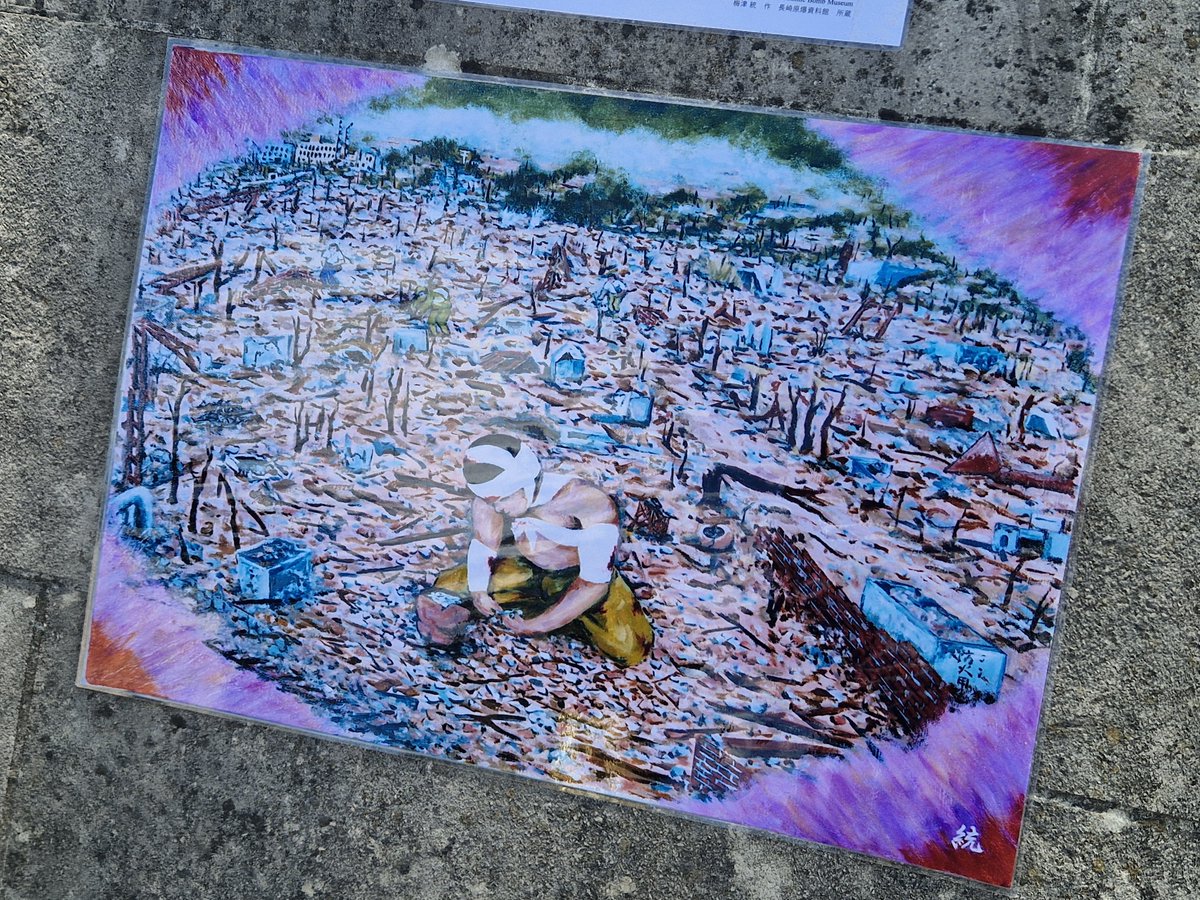
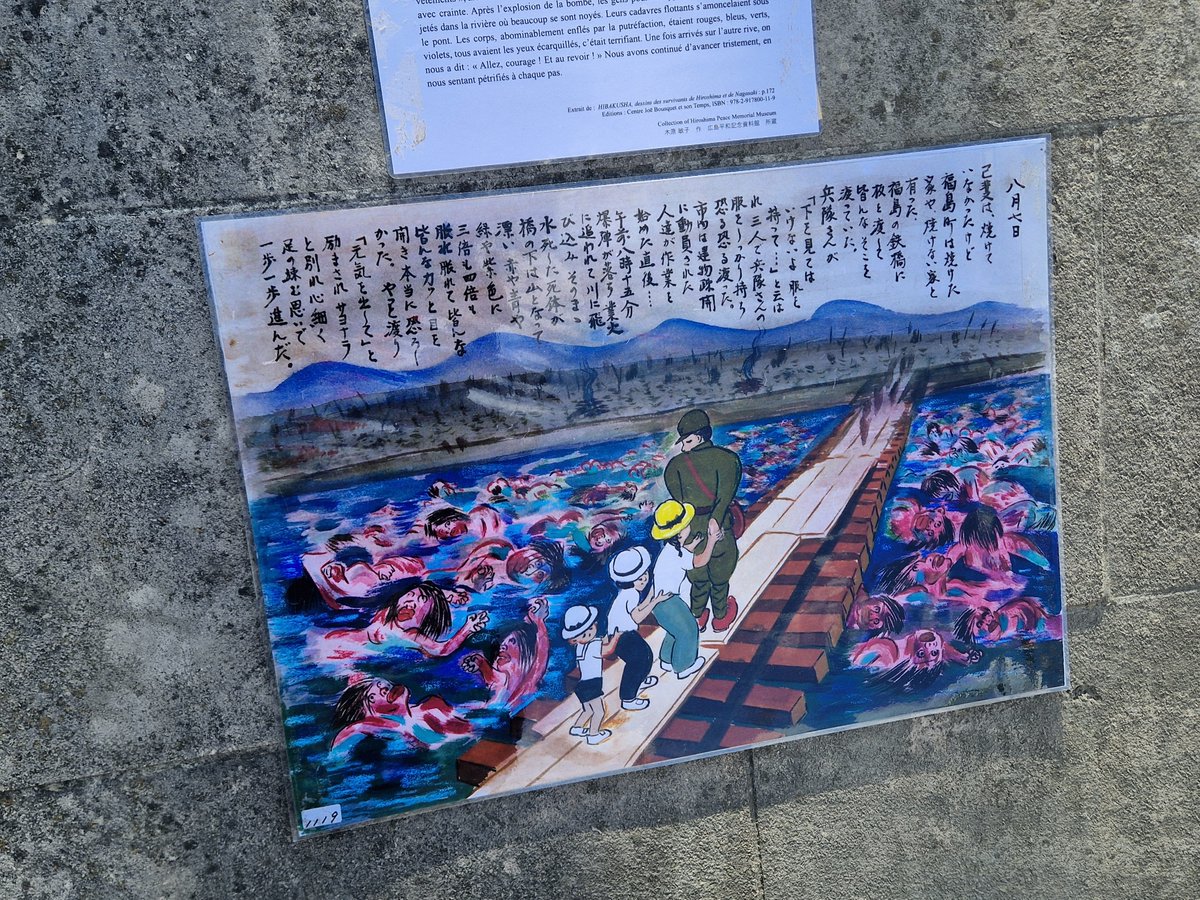
Ces dessins faits par des survivants rappellent leur abomination.
Le désarmement nucléaire global doit demeurer un objectif.
August 6 — On This Day in History
From Cabot's return and the Constitution draft to the Holy Roman Empire's end, Hiroshima, the Voting Rights Act, and the World Wide Web going public — which moment stands out to you most? QT it below.
History carries light when we remember it. ✝︎
Images created with @ViduAI_official
#OnThisDay #History #BicRevelation
Fotografía tomada de la nube que dejó la bomba atómica en Hiroshima, 6 de agosto de 1945.
Haruo Shimizo, superviviente de la bomba, escribió sobre su experiencia del acontecimiento:
“Vi un flash blanco y plateado, como ese del polvo del magnesio cuando se toma una fotografía, a lo alto del cielo, e inmediatamente escuché un sonido tremendo parecido a la explosión de algún gran fuego artificial... Todas las personas estaban lesionadas o algo quemadas. Tenían solo una camisa y pantalón puestos, cubiertos de sangre y polvo. Algunos de ellos llevaban cargando a sus esposas en los hombros y otros a sus hijos muertos en sus brazos. Todos gritaban desesperadamente pidiendo ayuda y llamando los nombres de sus familiares...” ( Haruo Shimizu, 1946).
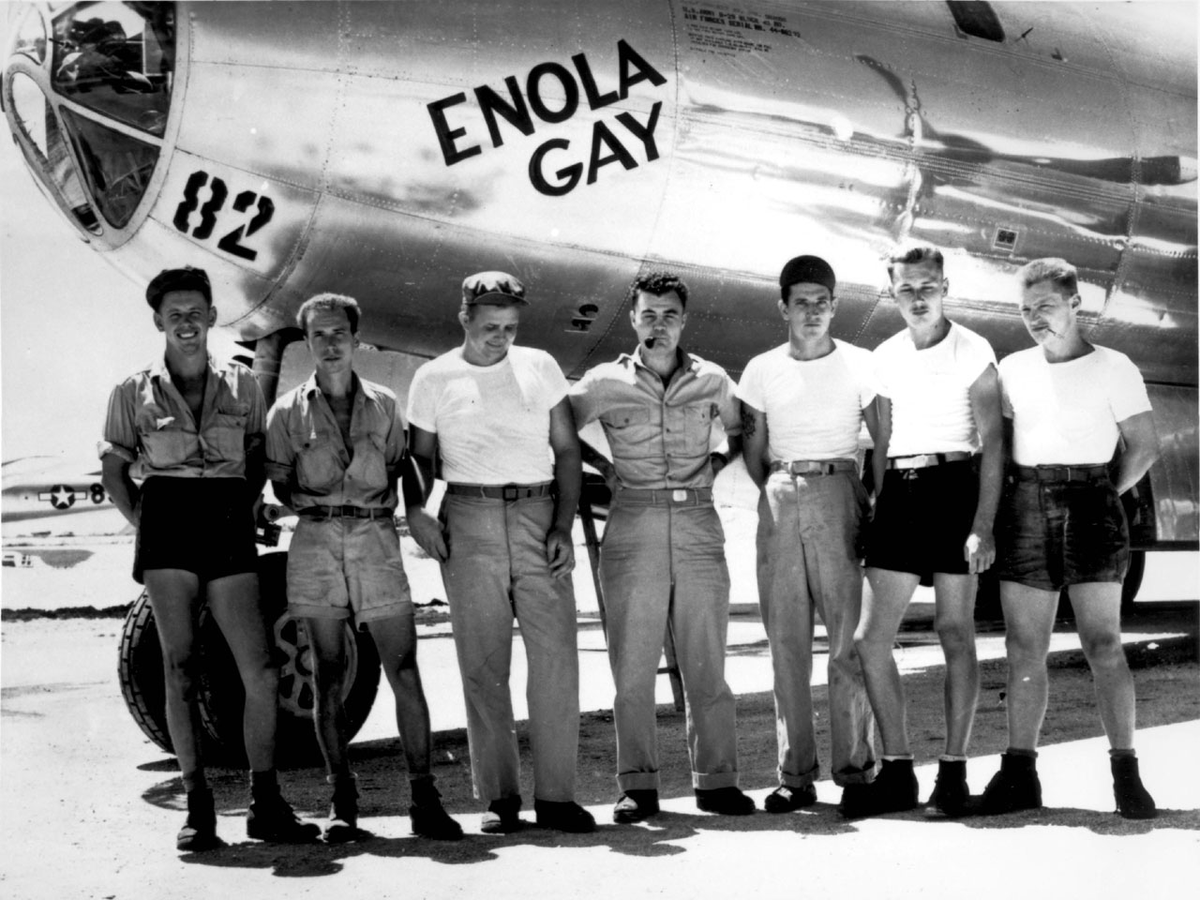
USAAF Colonel Paul Tibbets (center), flight crew member Theodore Van Kirk (third from left), and members of the ground crew for B-29 Superfortress bomber 'Enola Gay', Tinian, Mariana Islands, 5 Aug 1945
On this the 81st anniversary of the dropping of the atomic bomb Little Boy on Hiroshima on August 6, 1945, we recall the shocking "bomb's eye view" of the blast from the 2005 BBC docudrama Hiroshima.
https://t.co/RrLjEZLKxH
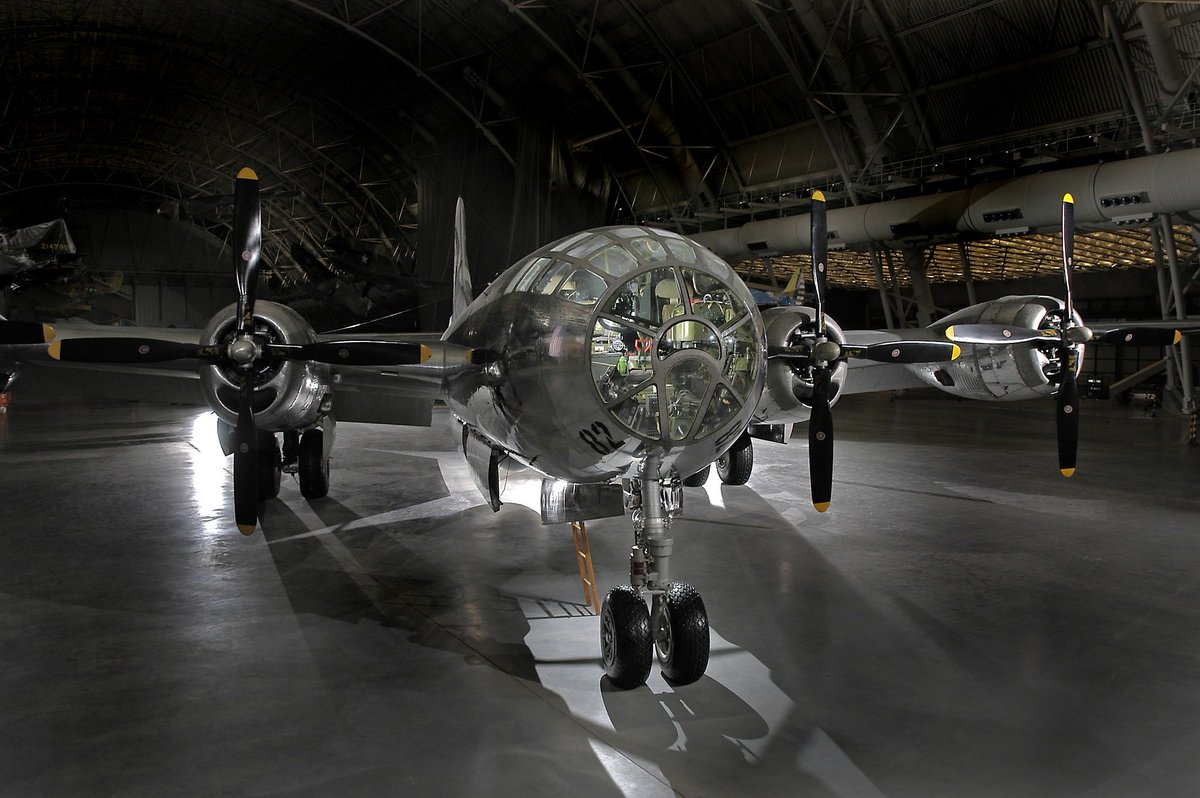
On this day in 1945, Boeing B-29 Superfortress "Enola Gay" dropped atomic bomb “Little Boy” on Hiroshima, Japan. It was the first time an atomic weapon was used in combat: https://t.co/VwA1A0huIw
81 years after Hiroshima and Nagasaki, we remember the victims of nuclear warfare and the unimaginable human suffering it caused.
Their legacy reminds us that peace cannot be taken for granted. In a world facing growing instability, we renew our commitment to diplomacy, multilateralism, and international cooperation.
Never again.
On this day in 1945, the US dropped the Atomic Bomb nicknamed “Little Boy” on Hiroshima, Japan during WWII.
It was the first nuclear bomb ever used in warfare.
🕊️ #ThrowbackThursday | 81 Years Since the Hiroshima Atomic Bombing 💥
On this day in 1945, the atomic bombing of Hiroshima changed the course of history forever.
The attack devastated the city, claimed tens of thousands of lives, and marked the first use of a nuclear weapon in warfare. By the end of 1945, the death toll had risen to an estimated 140,000 as many more succumbed to injuries and radiation.
Today, Hiroshima stands as a global symbol of peace, resilience, and the urgent need to ensure the horrors of nuclear war are never repeated.
#TBT #OnThisDay




![RedPlaneta2's tweet photo. #TalDíaComoHoy de 1945, Estados Unidos se convirtió en el primer (y único) país en lanzar una bomba atómica contra la población civil siendo Hiroshima el objetivo.
A las 8:15 del 6 de agosto, el Enola Gay lanzó "Little Boy"; tres días después, el Bockscar arrojó "Fat Man" sobre Nagasaki.
En cuestión de segundos miles de personas fueron incineradas o aplastadas. Para finales de 1945 habían muerto unas 140.000 en Hiroshima y cerca de 74.000 en Nagasaki. Los hibakusha (sobrevivientes de los ataques nucleares) padecieron durante décadas quemaduras, leucemias, cánceres y las secuelas de la radiación. En Hiroshima, más de 51.000 edificios quedaron destruidos o calcinados.
La versión oficial afirma que este crimen era inevitable para forzar la rendición y evitar una invasión a la isla. Pero Japón estaba militarmente derrotado: sufría un bloqueo devastador, carecía de combustible y materias primas y ciudades como Tokio también habían sido bombardeadas por EE. UU. Una parte de su cúpula militar buscaba terminar el conflicto preservando al emperador y esperaba una mediación soviética.
Esa esperanza desapareció el 8 de agosto, cuando la URSS declaró la guerra. El Ejército Rojo lanzó una ofensiva fulminante, destrozó al Ejército de Kwantung y hundió el dominio japonés en Manchuria. El colapso militar, la entrada soviética en la guerra y la posibilidad de conservar la institución imperial ofrecían alternativas reales al exterminio nuclear provocado por EE. UU.
Ni siquiera existió unanimidad sobre entre los altos mandos estadounidenses. Eisenhower sostuvo que Japón ya estaba derrotado y que emplear la bomba era innecesario; el almirante William Leahy la calificó de arma bárbara que no aportó ayuda material para vencer.
La verdad es que Hiroshima y Nagasaki no fueron los últimos bombardeos de la Segunda Guerra Mundial, sino que fueron una demostración de poder ante la URSS y el primer acto de la naciente Guerra Fría. EE. UU mostró que pretendía imponer su hegemonía mediante el terror nuclear. Años después se consolidó el mito político de que cientos de miles de soldados estadounidenses habían sido salvados porque se evito la invasión a Japón, transformando una matanza de civiles en un acto de necesidad.
"La inmensa mayoría de la evidencia documental disponible hoy en día demuestra que, antes de que se lanzara la bomba atómica, los principales responsables políticos y militares estadounidenses sabían que Japón estaba derrotado de forma exhaustiva y que intentaba rendirse. [...] El peso abrumador de la evidencia sugiere que el principal motivo de la rápida decisión de Truman de utilizar esta nueva arma fue su deseo de impresionar a la Unión Soviética con el poderío estadounidense. La bomba fue vista como un martillo diplomático para asegurar que Estados Unidos tuviera el control en la configuración del mundo de la posguerra, particularmente en Europa del Este y Asia."
-Gar Alperovit (1995): La decisión de usar la bomba atómica y la arquitectura de un mito americano.](https://pbs.twimg.com/media/HPBk_4_WwAAmNfE.jpg)
![RedPlaneta2's tweet photo. #TalDíaComoHoy de 1945, Estados Unidos se convirtió en el primer (y único) país en lanzar una bomba atómica contra la población civil siendo Hiroshima el objetivo.
A las 8:15 del 6 de agosto, el Enola Gay lanzó "Little Boy"; tres días después, el Bockscar arrojó "Fat Man" sobre Nagasaki.
En cuestión de segundos miles de personas fueron incineradas o aplastadas. Para finales de 1945 habían muerto unas 140.000 en Hiroshima y cerca de 74.000 en Nagasaki. Los hibakusha (sobrevivientes de los ataques nucleares) padecieron durante décadas quemaduras, leucemias, cánceres y las secuelas de la radiación. En Hiroshima, más de 51.000 edificios quedaron destruidos o calcinados.
La versión oficial afirma que este crimen era inevitable para forzar la rendición y evitar una invasión a la isla. Pero Japón estaba militarmente derrotado: sufría un bloqueo devastador, carecía de combustible y materias primas y ciudades como Tokio también habían sido bombardeadas por EE. UU. Una parte de su cúpula militar buscaba terminar el conflicto preservando al emperador y esperaba una mediación soviética.
Esa esperanza desapareció el 8 de agosto, cuando la URSS declaró la guerra. El Ejército Rojo lanzó una ofensiva fulminante, destrozó al Ejército de Kwantung y hundió el dominio japonés en Manchuria. El colapso militar, la entrada soviética en la guerra y la posibilidad de conservar la institución imperial ofrecían alternativas reales al exterminio nuclear provocado por EE. UU.
Ni siquiera existió unanimidad sobre entre los altos mandos estadounidenses. Eisenhower sostuvo que Japón ya estaba derrotado y que emplear la bomba era innecesario; el almirante William Leahy la calificó de arma bárbara que no aportó ayuda material para vencer.
La verdad es que Hiroshima y Nagasaki no fueron los últimos bombardeos de la Segunda Guerra Mundial, sino que fueron una demostración de poder ante la URSS y el primer acto de la naciente Guerra Fría. EE. UU mostró que pretendía imponer su hegemonía mediante el terror nuclear. Años después se consolidó el mito político de que cientos de miles de soldados estadounidenses habían sido salvados porque se evito la invasión a Japón, transformando una matanza de civiles en un acto de necesidad.
"La inmensa mayoría de la evidencia documental disponible hoy en día demuestra que, antes de que se lanzara la bomba atómica, los principales responsables políticos y militares estadounidenses sabían que Japón estaba derrotado de forma exhaustiva y que intentaba rendirse. [...] El peso abrumador de la evidencia sugiere que el principal motivo de la rápida decisión de Truman de utilizar esta nueva arma fue su deseo de impresionar a la Unión Soviética con el poderío estadounidense. La bomba fue vista como un martillo diplomático para asegurar que Estados Unidos tuviera el control en la configuración del mundo de la posguerra, particularmente en Europa del Este y Asia."
-Gar Alperovit (1995): La decisión de usar la bomba atómica y la arquitectura de un mito americano.](https://pbs.twimg.com/media/HPBk_VpWUAASM2X.jpg)





![RedPlaneta2's tweet photo. #TalDíaComoHoy de 1945, Estados Unidos se convirtió en el primer (y único) país en lanzar una bomba atómica contra la población civil siendo Hiroshima el objetivo.
A las 8:15 del 6 de agosto, el Enola Gay lanzó "Little Boy"; tres días después, el Bockscar arrojó "Fat Man" sobre Nagasaki.
En cuestión de segundos miles de personas fueron incineradas o aplastadas. Para finales de 1945 habían muerto unas 140.000 en Hiroshima y cerca de 74.000 en Nagasaki. Los hibakusha (sobrevivientes de los ataques nucleares) padecieron durante décadas quemaduras, leucemias, cánceres y las secuelas de la radiación. En Hiroshima, más de 51.000 edificios quedaron destruidos o calcinados.
La versión oficial afirma que este crimen era inevitable para forzar la rendición y evitar una invasión a la isla. Pero Japón estaba militarmente derrotado: sufría un bloqueo devastador, carecía de combustible y materias primas y ciudades como Tokio también habían sido bombardeadas por EE. UU. Una parte de su cúpula militar buscaba terminar el conflicto preservando al emperador y esperaba una mediación soviética.
Esa esperanza desapareció el 8 de agosto, cuando la URSS declaró la guerra. El Ejército Rojo lanzó una ofensiva fulminante, destrozó al Ejército de Kwantung y hundió el dominio japonés en Manchuria. El colapso militar, la entrada soviética en la guerra y la posibilidad de conservar la institución imperial ofrecían alternativas reales al exterminio nuclear provocado por EE. UU.
Ni siquiera existió unanimidad sobre entre los altos mandos estadounidenses. Eisenhower sostuvo que Japón ya estaba derrotado y que emplear la bomba era innecesario; el almirante William Leahy la calificó de arma bárbara que no aportó ayuda material para vencer.
La verdad es que Hiroshima y Nagasaki no fueron los últimos bombardeos de la Segunda Guerra Mundial, sino que fueron una demostración de poder ante la URSS y el primer acto de la naciente Guerra Fría. EE. UU mostró que pretendía imponer su hegemonía mediante el terror nuclear. Años después se consolidó el mito político de que cientos de miles de soldados estadounidenses habían sido salvados porque se evito la invasión a Japón, transformando una matanza de civiles en un acto de necesidad.
"La inmensa mayoría de la evidencia documental disponible hoy en día demuestra que, antes de que se lanzara la bomba atómica, los principales responsables políticos y militares estadounidenses sabían que Japón estaba derrotado de forma exhaustiva y que intentaba rendirse. [...] El peso abrumador de la evidencia sugiere que el principal motivo de la rápida decisión de Truman de utilizar esta nueva arma fue su deseo de impresionar a la Unión Soviética con el poderío estadounidense. La bomba fue vista como un martillo diplomático para asegurar que Estados Unidos tuviera el control en la configuración del mundo de la posguerra, particularmente en Europa del Este y Asia."
-Gar Alperovit (1995): La decisión de usar la bomba atómica y la arquitectura de un mito americano.](https://pbs.twimg.com/media/HPBlAXgXQAAix2o.jpg)