The Science of When 🕒
Research in dancers found:
• Later chronotypes perform worse early in the morning
• Morning exercise improves cognitive performance
• Regular training may help the brain adapt to circadian challenges
Timing matters!
🔗https://t.co/Hb1XNGucMO
#Sleep
Sleep is vital for brain development—especially in children with neurodevelopmental disorders. Disruptions can affect brain function, hormones, metabolism & inflammation, potentially worsening conditions like autism & ADHD. More research = better care. #SleepScience #Neurodevelopment
https://t.co/NhPu38RrEi
New paper out by @MarcoFerr_. We developed a new high-throughput live imaging platform to monitor circadian rhythms in up to 144 brain tissues. We are now using it to screen chronotherapeutics for Alzheimer directly in brain tissue. Exciting times! @UKDRI https://t.co/CpMw5NJGQX
Mental health disorders are closely tied to circadian rhythm disturbances.
Night owls have an 83% higher depression risk.
Being a morning type seems to be protective.
Research highlight from #JBR!
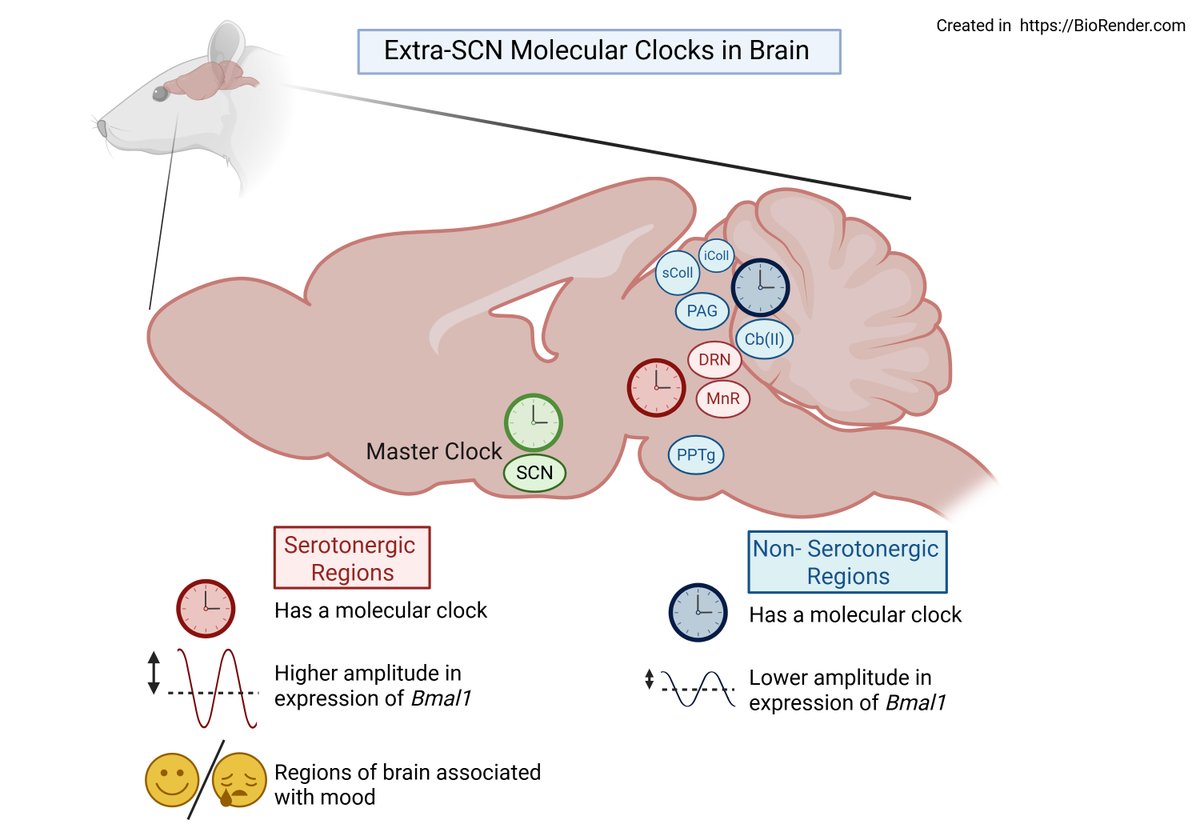
Clock genes (Bmal1, Per1, Per2) show ~24h rhythms in the dorsal & median raphe of rat brains, suggesting serotonergic systems have intrinsic circadian clocks. This points to a link between clocks and mood-related circuitry: https://t.co/eG4FtJcPkR
Celebrating #WorldSleepDay - hosted by @_WorldSleep - with the theme of 'Sleep Well, Live Better.' People living with DSPD & Non-24 may be as prevalent as 1 in 600. More research in Circadian Rhythm Disorders is desperately needed. 🔬🧬☀️🌒
Author @HaleyShapley contacted @CSD_N about input for the book NIGHT OWL. It will explore the science of chronotypes, the history of the night owl stigma and solutions for society to be more inclusive of a range of sleep-wake cycles. EVP @AlexWharton spoke with Shapley about CSD-N's mission to increase awareness of DSPD & Non24 and decrease the time to proper diagnosis.
➡️ NIGHT OWL is scheduled to be published by @MacmillanUSA@StMartinsPress in March 2027.
A clock in a bottle? By reconstituting cyanobacterial clock machinery in vitro, researchers uncovered how these biological clocks precisely switch gene expression on and off! @susanksgolden
https://t.co/O7v9yYucab
“We were able to show how a single signal from the clock can turn one set of genes on and another set off, generating opposite phases of gene expression. In that cell, that means some cellular processes are peaking at dusk and others at dawn,” said Biological Sciences Distinguished Prof. Susan Golden (@susankgolden), the senior author of the study.
"It isn't being a night owl that's a problem," Dr. Kristen Knutson of @NUFeinbergMed said. "I think being a night owl who's trying to live in a morning lark's world is a conflict between one's internal clock and their social clock." #chronotype#nightowl 🦉https://t.co/W36fj6SaQK
Nov. 24 is Non-24 Awareness Day! It's a neurological sleep disorder in which a person's sleep/wake cycle is longer than 24 hours. The person is unable to adjust their sleep/wake cycle to the length of the day, and their sleep time progresses around the clock. #circadian#non24
CSD-N SEEKS CANDIDATES FOR BOARD - We will be holding elections for our Board of Directors. Mtgs are held by online forum so you can log in at any time of day to participate. Directors start serving Jan. 15, 2026. Terms generally run for two years. #dspd#non24#advocacy If you’re interested, pls let us know by Nov. 15 following the instructions here: https://t.co/B8nDxYczmZ
Neurological circadian rhythm disorders aren't a sleep-wake schedule that can be changed through habits or entrainment. There's no flexibility like a typical circadian rhythm. Hence the term "disorder" rather than "preference".
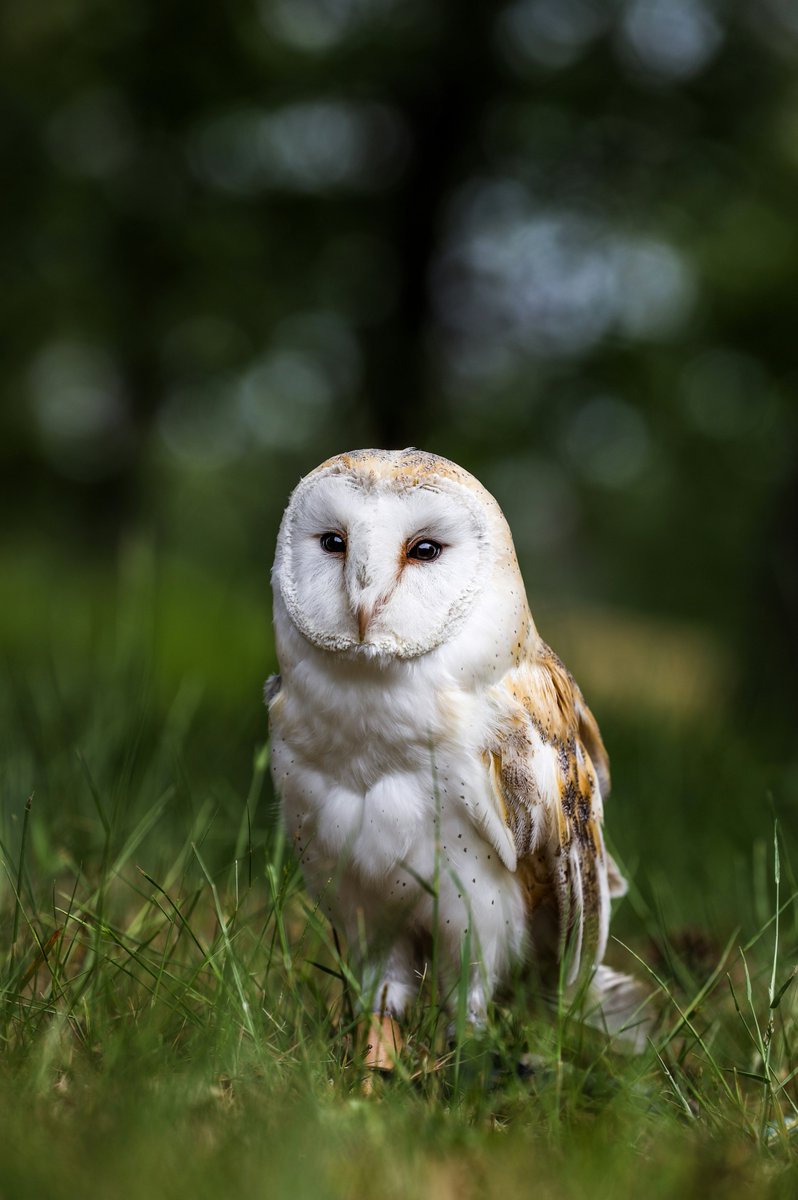
Photo: Bruno van der Kraan