Dedicated to researching, educating, and advocating for the ban and elimination of toxic coal tar sealants (CTS) from our parking lots, homes, and environment.
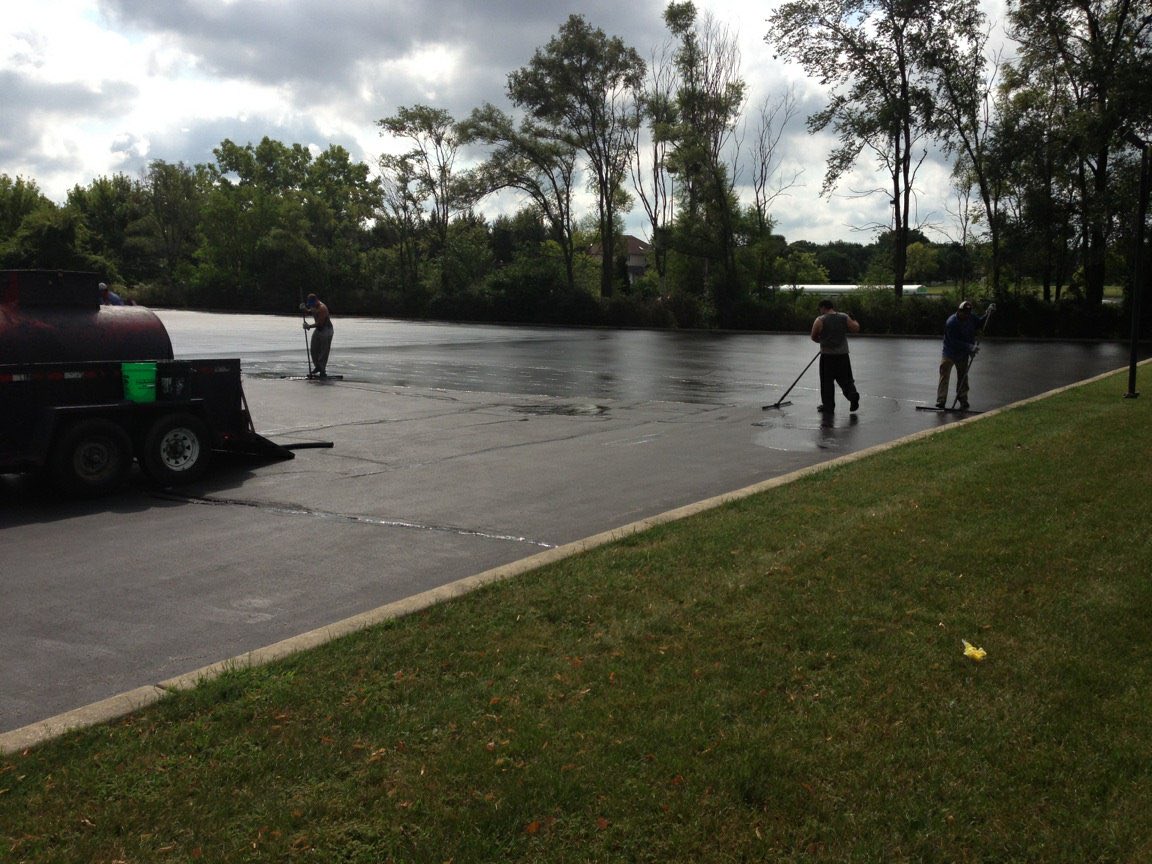
McHenry County, IL is about to seal the the parking lots at one of their health departments. Fortunately they are continuing their practice to prohibit toxic coal tar sealers! If only the rest of the state were this proactive!
https://t.co/wzjh3GxG67
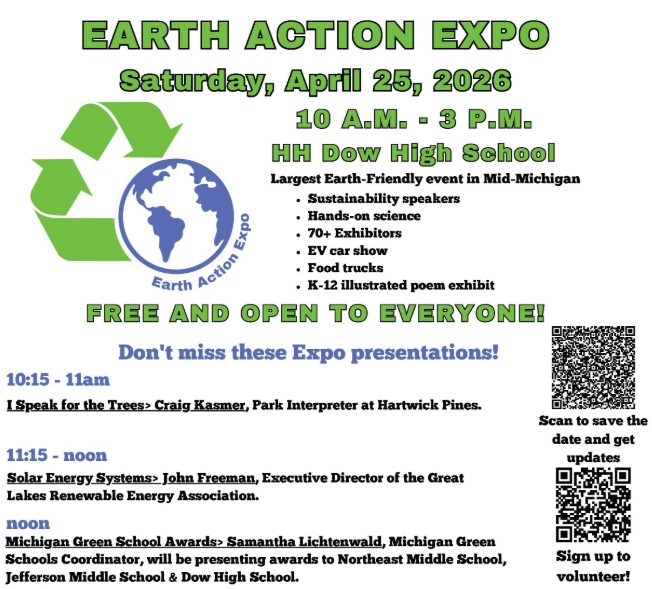
#EarthDay is this week and get us in the mood there's a school district in Midland, Michigan that routinely coats their parking lots with toxic coal tar sealers YET is receiving a "Green School Award" on Saturday! Really!?
#GreenSchools https://t.co/kIcaPHfUWW
@bryan_johnson Bryan, what if I told you that many pavements around the US have 1000's of times more PAH in them and they are mobile. https://t.co/83i6BSZB2q
The "black rain" falling in Iran is made up of the same chemicals found in toxic driveway sealers and can "cause chronic short- and long-term health problems."
https://t.co/ezLqIvqF5F
What's on your driveway? Reduction in exposure to 30 chemicals top ways to reduce cancer risk.
40% of cancers are caused by 30 controllable factors
https://t.co/58iqJmXaBU
Summarizing 20 years of work on toxic pavement sealers to this conference of architects:
Material Health Open Innovation Symposium VI SESSION 2: All-Star Case St... https://t.co/Owb8hZ4Lhl via @YouTube
Paul, I won’t be there to show you around but I would recommend a trip to Barton Springs Pool, a spring-fed natural pool which was the birthplace of the environmental movement in Austin and the discovery site of toxic paving products now being banned across North America https://t.co/fSBskvZHs1
Thanks @SenMikeMoore on your tireless work on getting toxins out of our environment. And thank you for sponsoring the ban of coal tar sealers (S645). Have you seen this story about how it has affected a MA cancer survivor?
https://t.co/bA77jHBglb
Next week the coal tar sealer industry meets to find an answer to this stubborn question:
How do you avoid more bans and loss of market share of your toxic product?
The Cuyahoga River, you know the famous one that caught fire, is going to remove a dam with the equivalent of about 35 million, 5 gallon buckets of contaminated sediment. Over $100 million to be spent, but the continued use of toxic pavement sealers still legal upstream.
Shouldn't that be a requirement for cleanup $?