Any reason why Times group is promoting Chinese proverbs in India lately as full page articles like Confucious Institutes do? Do they get paid for these articles? Some people in India already feel ToI & ET act like GLISCO-DS media promoting certain pro-China, anti-GoI narratives.
When you start making good money, save it. Especially in the beginning. Save as much as you can. You'll desire things. New car, new watch, designer clothes to show the world you made it. And dumb philosophies will try to justify it. YOLO, life is short. Don't pay attention. Don't change anything. Save for a few years. And one day you'll notice, the urgency is gone. The anxiety... gone. You go to a restaurant, and you stop looking at the right side of the menu. You plan a holiday and you don't wait 3 weeks for cheap flights. Someone made you an offer that doesn't feel right, and you say no without thinking twice. That's what happens when you overcome instant gratification. It will give you peace to move at your own pace. A little patience, that's all you need. And it will give you something that no material object can ever match: a calm nervous system.
If you want a life that feels like yours, you have to get in touch with your inner madness. Become a rebel. Unapologetically you. Take the path nobody dares to walk. Read 700 page philosophy books. Work for a month straight. Build something from nothing. Then disappear for a week. Don't be rational. Don't be logical Don't be normal ever. Be rare. Be obsessive. Be exactly who you are. This one mindset shift can absolutely change everything.
If you want to achieve anything great, it needs to become your one true priority. The only thing on your mind. Nobody accidentally got rich from business. Nobody accidentally built a great physique. They were obsessed with it for multiple years until it became their default.
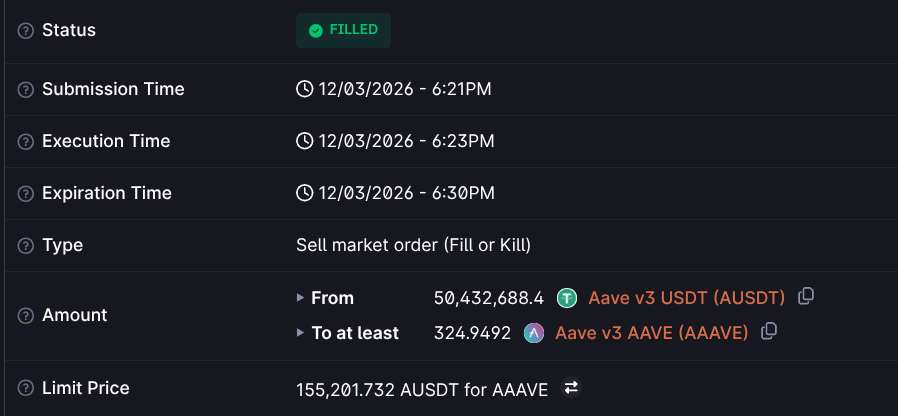
someone just swapped $50m for $36k on cowswap through aave's frontend, effectively losing 50m
if you try to make this swap on llamaswap the UI won't let you at all, buttons get locked
we've spent years building a price API with the highest coverage of defi tokens to avoid this
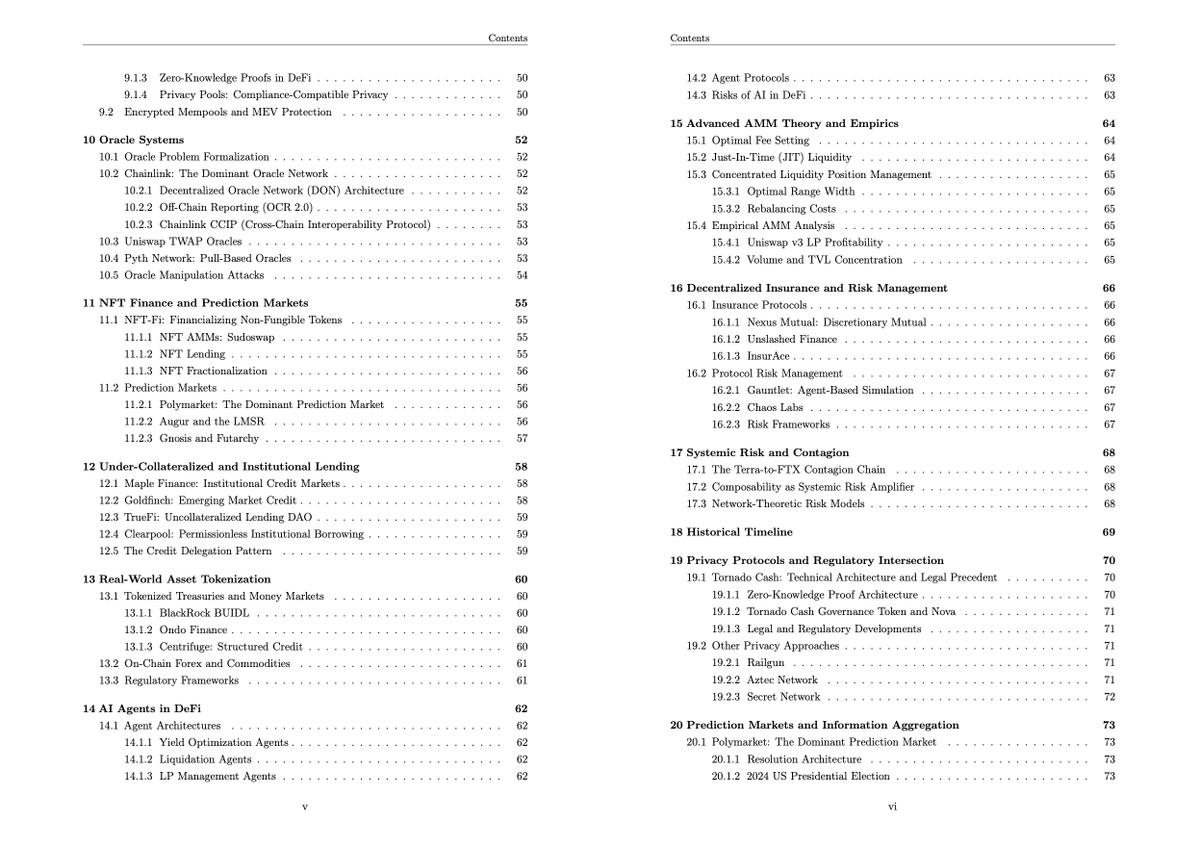
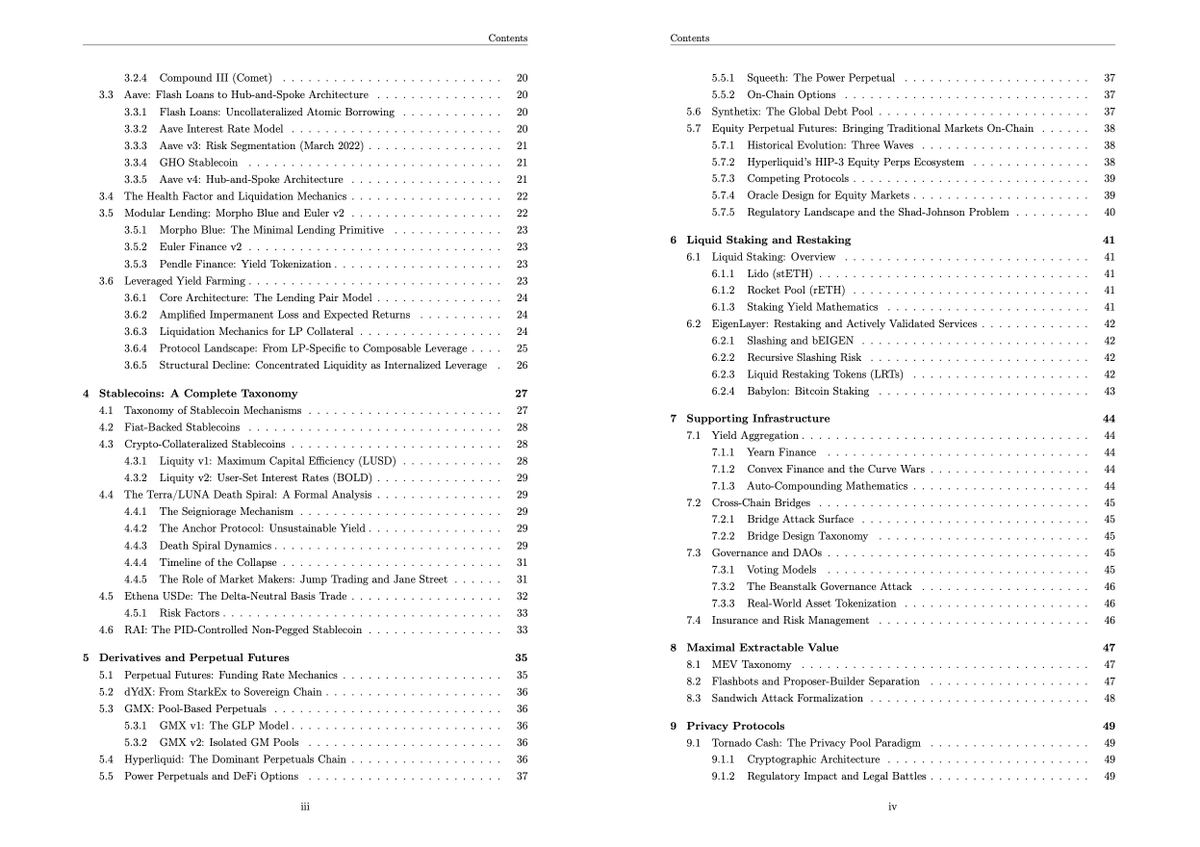
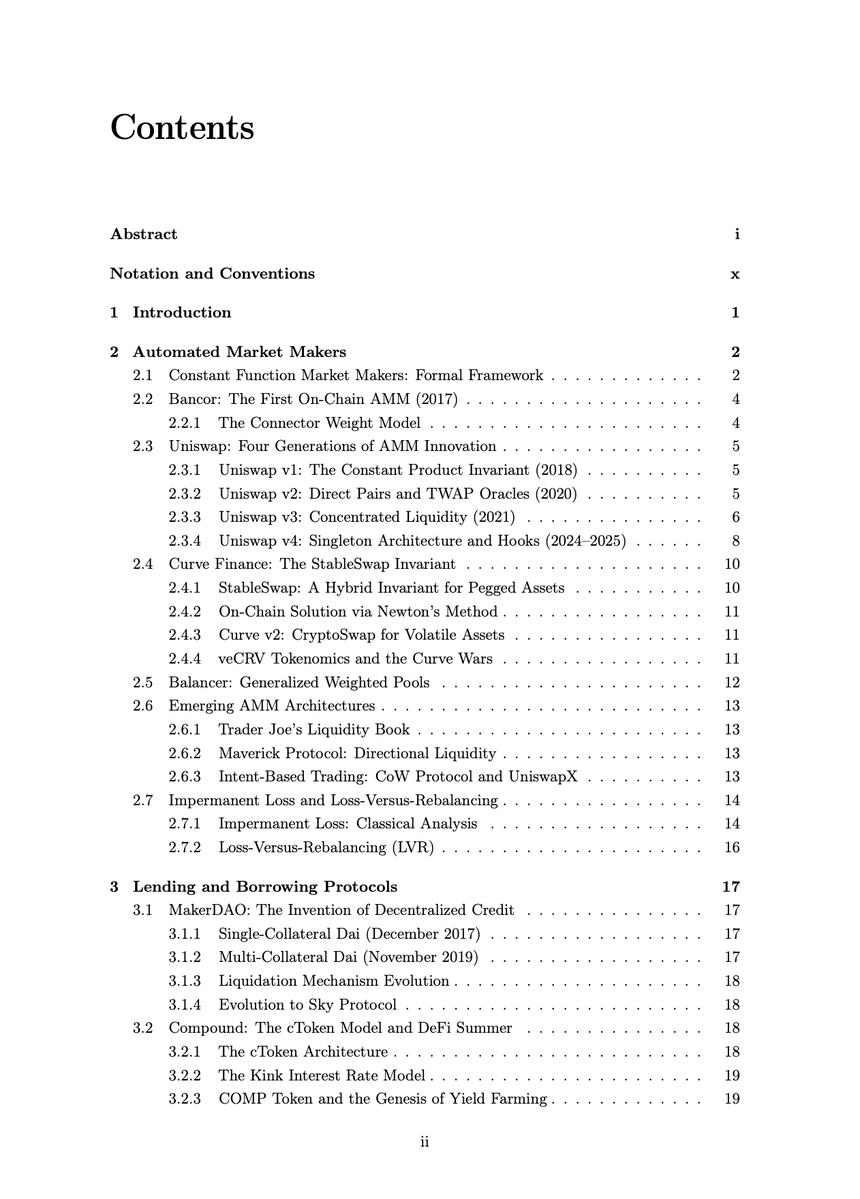
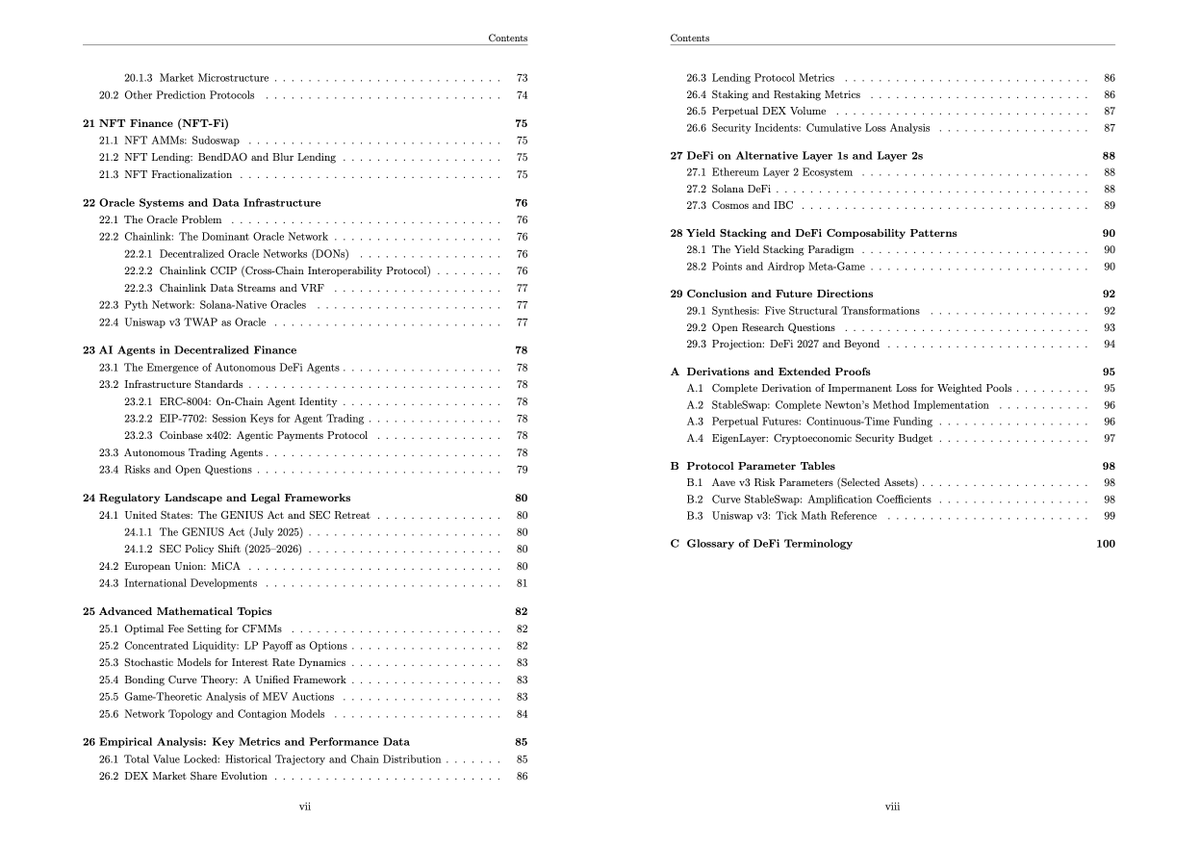
Today I am happy to post one of my longest working papers, the DeFi evolution over the last 9 years.
From @Uniswap , @CurveFinance , @Balancer Evolution to the rise of @HyperliquidX this Paper covers all significant improvements in the last 9-10 years.
I hope you enjoy reading this one. After the last papers were all TradFi approaches, this one comes back to our hometown, DeFi.
(https://t.co/02bErEfG8K)
commercial banks underwrite unsecured corporate credit, transform short-term deposits into long-duration loans and price idiosyncratic borrower risk.
on chain lending today largely avoids that.
as silvio outlines, most Aave borrowing is basis trades, looping and leverage. for the moment aave is effectively monetizing volatility and yield differentials rather than distributing productive credit.
that makes revenue a function of crypto activity, not economic output.
generally decoupling won’t happen just because RWAs are listed.
it happens when protocols introduce new risk primitives:
– structured underwriting
– isolated credit environments
– explicit pricing of borrower risk
– capital efficiency beyond looping
– differentiated funding lanes
until then, current lending protocols are liquidity routers inside crypto.
once underwriting and capital structure evolve, they become @orchidcredit markets.
low-risk defi isn’t exciting and that’s why it matters.
for most of modern history, safe yield lived inside institutions not because of complexity but access.
now anyone with an internet connection can access the same rails.