Centre for Translational Microbiome Research | A collaboration between @KarolinskaInst & @ferring/@ferringMbio | Exploring the microbiome in Women's & GI health
If you are also working on women’s health and/or microbiome, we are currently having a special collection on this topic. Check more information here https://t.co/t8CSrmbQQx
I am so happy that our paper on gut microbiome and bacterial infections (including #AMR ones) is out in Gut microbes. It was a great collaboration with @GlobischLab group. Thank for the support from @Vetenskapsradet and @Cancerfonden https://t.co/Pl6aWNuHbn
Launch special issue @Nature_NPJ Biofilms & #microbiomes on Live biotherapeutics (LBPs) and medicinal microbiome products (MMPs) (https://t.co/sUNVzQAK5P). Guest editors: Bruno Pot & myself. We welcome high-quality & inspiring submissions on different aspects of this new field.
💥Join us to celebrate International Womens Day at our event: Women's Health, Mood and Microbes on March 7th at 16.30.
👩🔬Expert-led lectures at Aula Medica, Karolinska Institutet. Best of all, it's a FREE event!
📝 RSVP here to secure your spot
https://t.co/KAzudMLG13
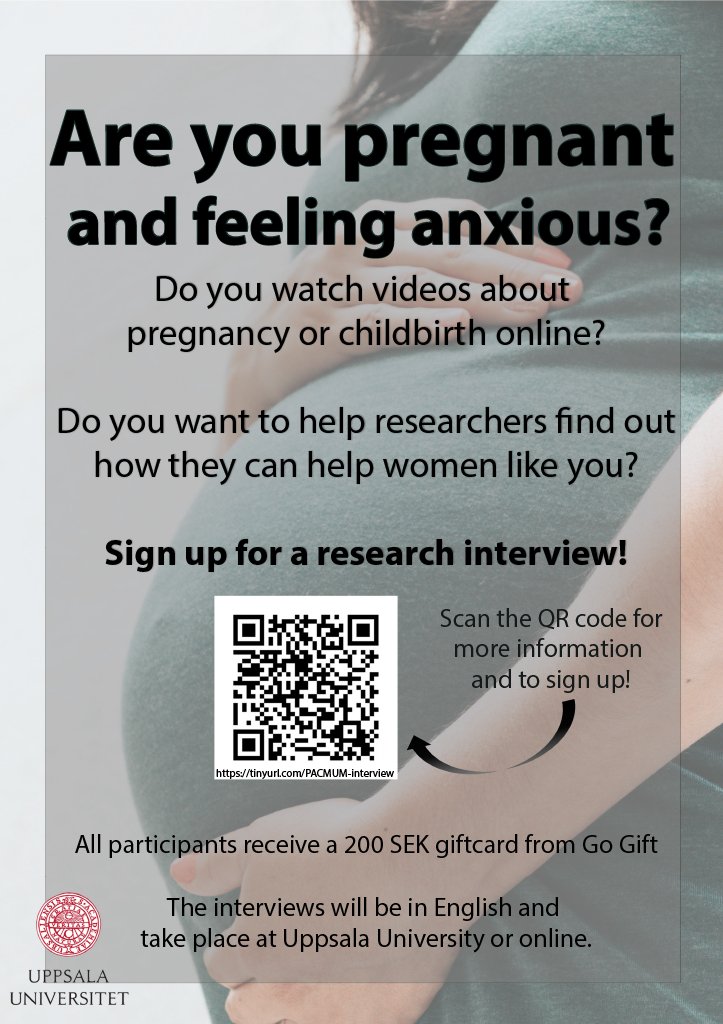
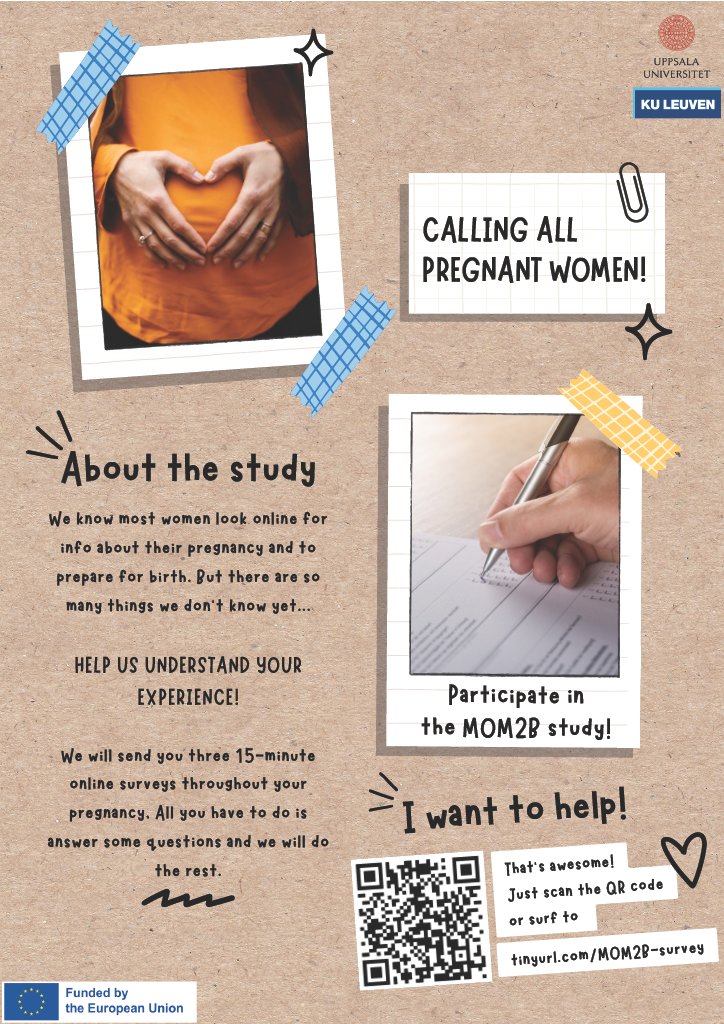
Please RT! Are you currently pregnant🤰? Do you want to help researchers find out how to improve the pregnancy experience🙌? Participate in one of our studies currently running at @UU_University ! More info on the posters or via https://t.co/MNNslJR3WN or https://t.co/RibMO1r0sc
Extremely happy and honored to receive funding from #cancerfoden for the Swedish cancer Microbiome(ScanMi) project! Let us fight against cancer together with commensal bacteria👊 https://t.co/vXZXQ5xXAr
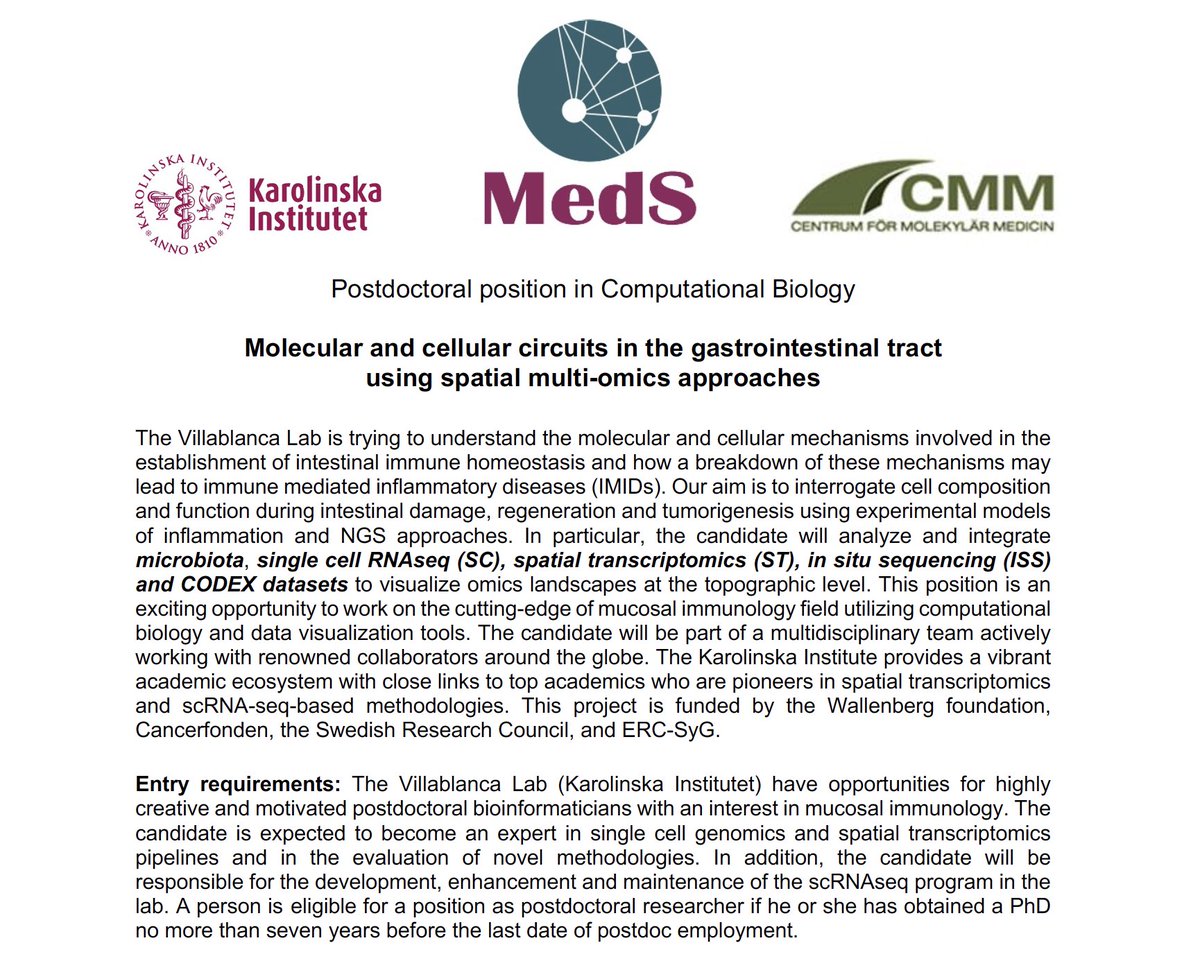
Postdoctoral position open in my lab! 😱
We are looking for a computational biologist interested in Single-cell and Spatial transcriptomics, and of course, in Muc Immunology in the context of inflammatory bowel diseases and colorectal cancer
Please see info 👇👇🏼👇🏾👇🏿 and share!
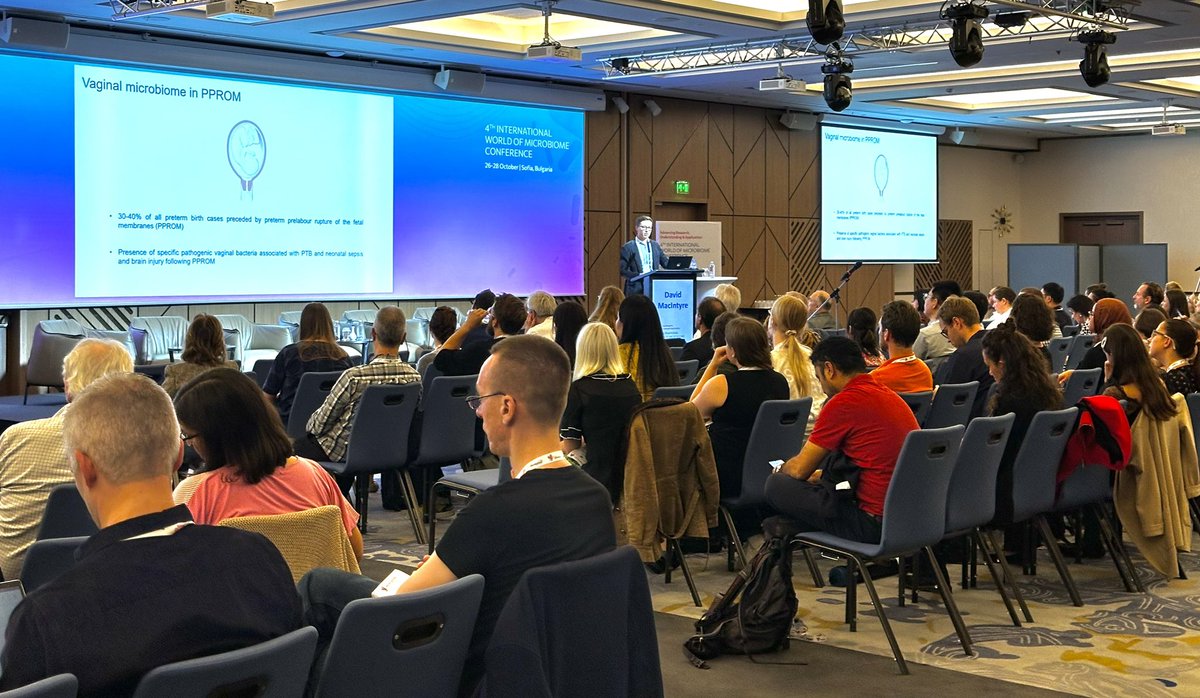
Key takeaways Session 9, part 1:
🧬The microbiome may be a testable and modifiable factor in improving reproductive health.
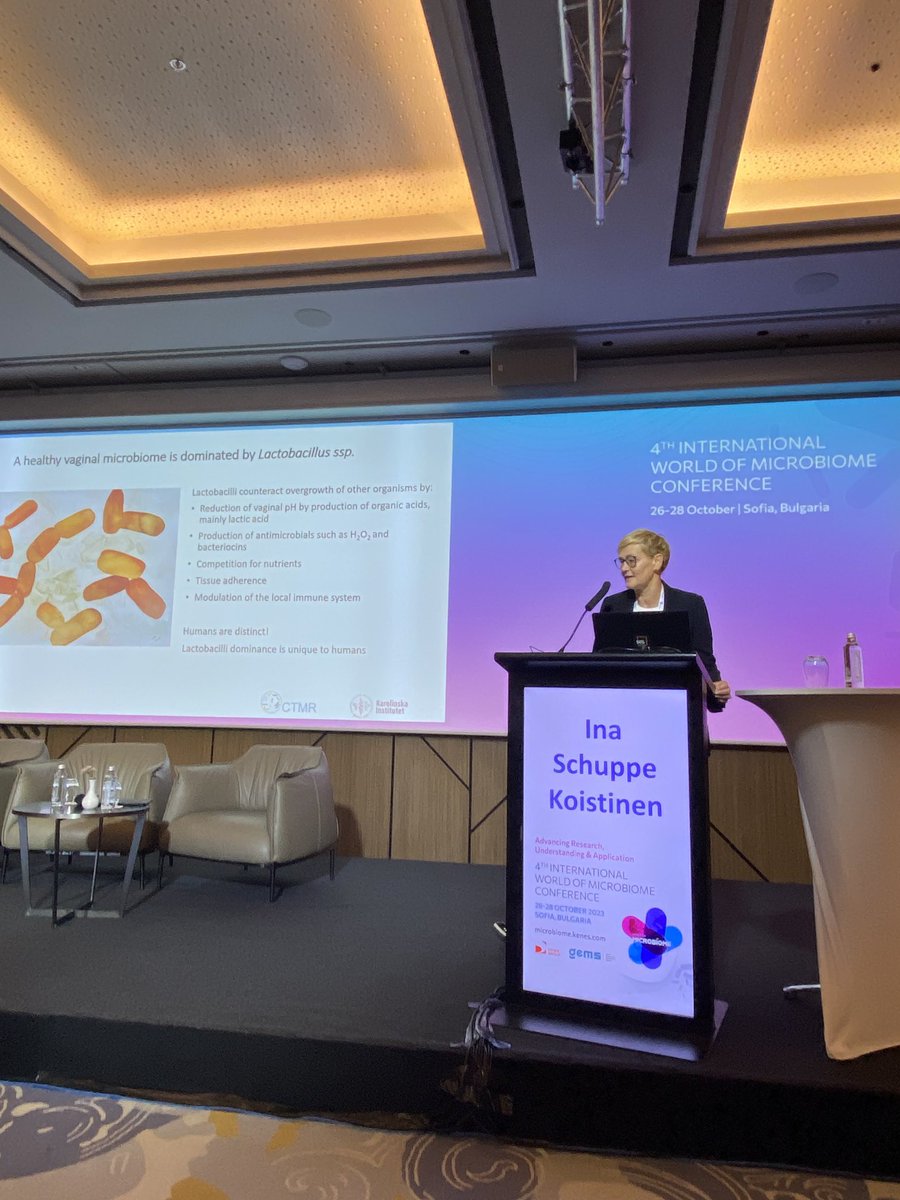
🧬 High risk vaginal microbiota compositions and excessive complement pathway activation is a common feature of preterm delivery. @InaSchuppe@drdmacintyre
From bacterial cell wall components as signaling molecules in brain development to peptidoglycan storm in fetal brain after antibiotic treatment, excellent talk by @HeijtzRochellys at #WoM2023
Very excited and honored to present the #gutmicrobiome and #vaginalmicrobiome research from my group at the 10th Swedish Society for Microbiology meeting. It was well-organized with so many interesting topics and posters! (Special credit to the fika 🫶)
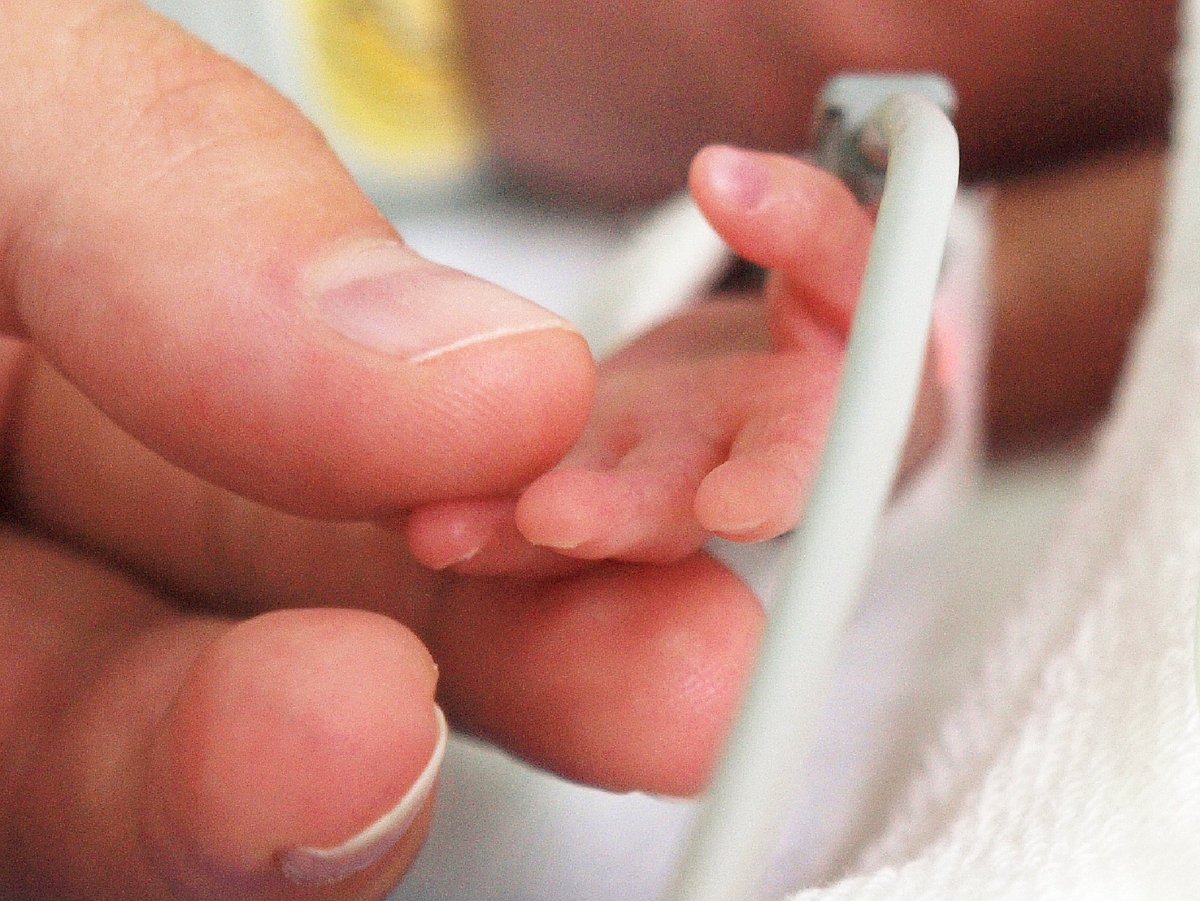
As with other major trends relating to maternal health, no region of the world has significantly reduced rates of preterm births over the last decade.
The annual global rate of reduction in preterm births was just 0.14% between 2010 and 2020 https://t.co/wcM5BL6hYl
Did you know we have a Women’s Health Instagram account?
Give it a follow for research updates, science news and the occasional reel 🫶🏻
https://t.co/BDh7u6lnCW
BREAKING NEWS
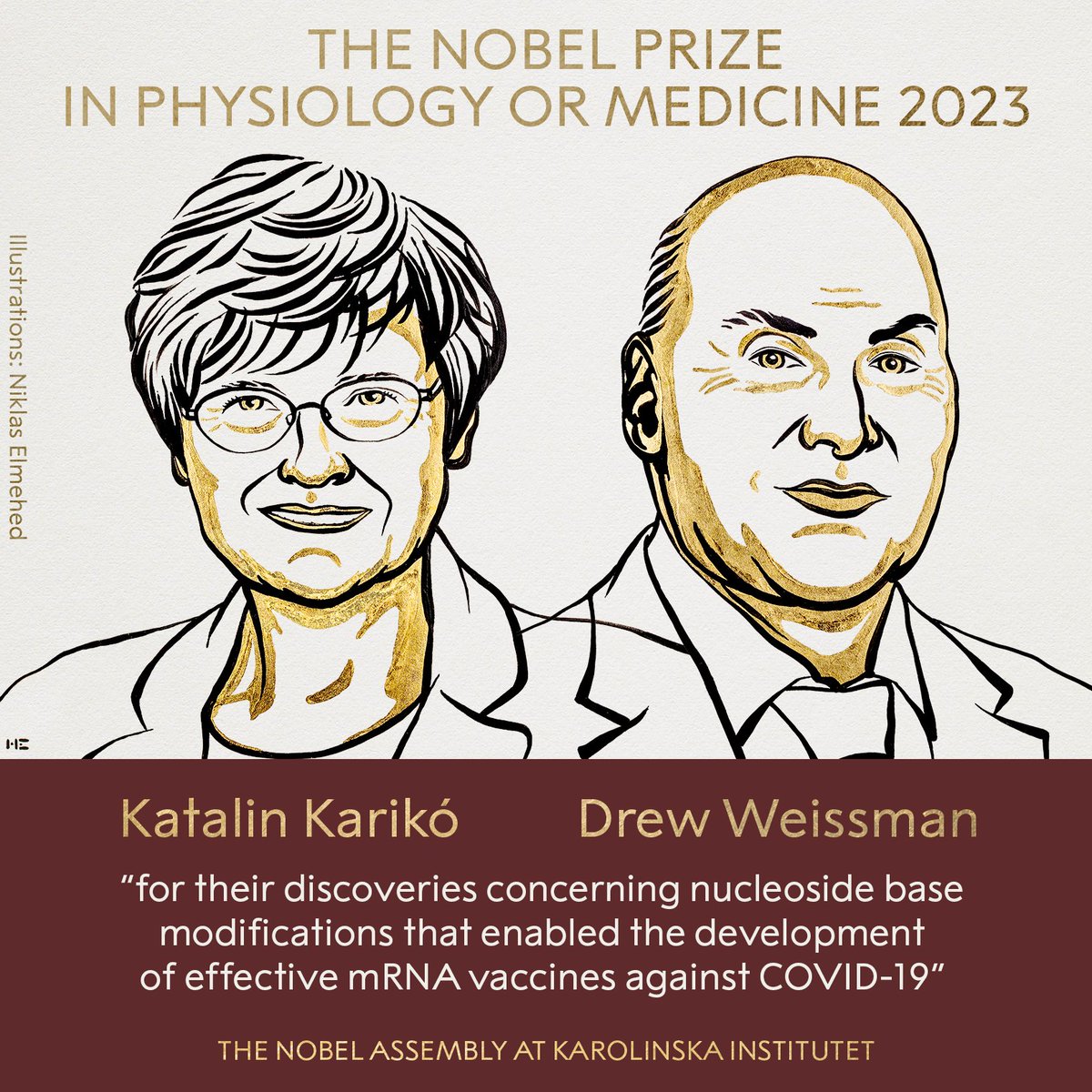
The 2023 #NobelPrize in Physiology or Medicine has been awarded to Katalin Karikó and Drew Weissman for their discoveries concerning nucleoside base modifications that enabled the development of effective mRNA vaccines against COVID-19.
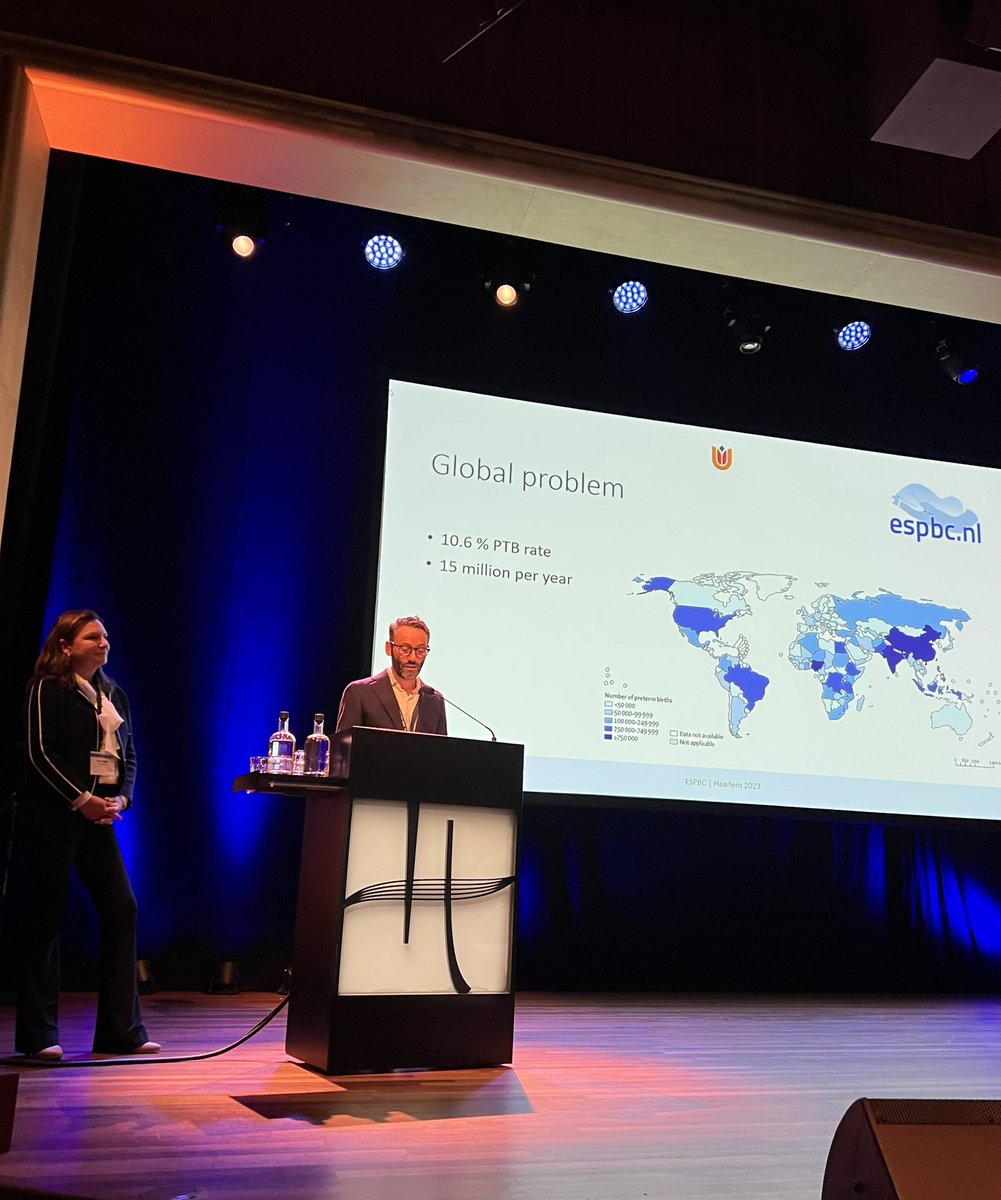
Did you know that 15 million babies per year are born preterm? Just leaving the European Spontaneous Preterm Birth Conference #esptbc in Haarlem full of hope for that research will help preventing this. Thanks for the invitation @drdmacintyre Phil Bennett and Martijn Oudijk