🚨🗣️Xavi Hernández:
"I get emotional when I watch Messi now. I kept playing until 39, but that was in the Qatari league, and I had retired from international play with Spain years earlier. Leo is now about the same age, but when you look at him, he's still exactly the same. He hasn't changed. Look at the way his feet move, those quick little movements. Any other player would have retired after winning the 2022 World Cup, but he's an extraordinarily competitive being. He's convinced he can win it again."
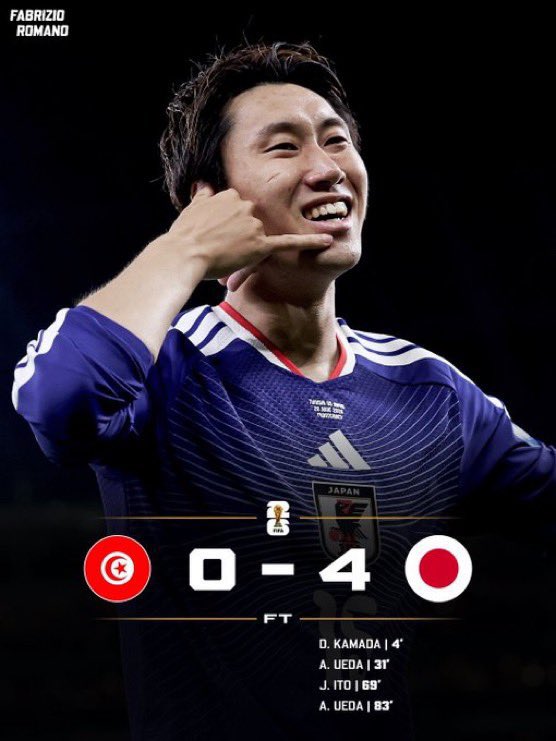
Carlo Ancelotti on Takumi Minamino holding Wataru Endo’s shirt after Japan vs Tunisia:
🗣️ “In football, people always talk about tactics, goals, and trophies… but sometimes the most powerful moments have nothing to do with winning or losing, but everything to do with emotion, respect, and human connection.”
“What I saw after that match Takumi Minamino holding Wataru Endo’s shirt that is respect at the highest level. That is football in its purest, most beautiful, and most emotional form.”
“It tells you everything about the culture of this team. They fight together on the pitch, they suffer together under pressure, and after the final whistle, there is unity, humility, and a deep emotional bond that goes beyond club rivalries or individual status.”
“Minamino has played in big moments in Europe, Endo is fighting intense battles in midfield every week at the highest level… but in that moment, none of that mattered. What mattered was Japan, the badge, the pride, and the unbreakable connection between teammates.”
“This is what many teams try to build for years without success. Togetherness, trust, loyalty, and emotional unity cannot be faked. Either you truly have it, or you simply don’t.”
“And when you see scenes like that after a World Cup match, you understand why this team is becoming so dangerous not just because of talent, but because of spirit, mentality, and an extraordinary sense of belonging.”
“For a coach, this is the kind of image you show your players. Because it reminds you that football is not only about systems, formations, and results… it is about people, sacrifice, emotion, and love for the game.”
🚨🗣️ Sidny Cabral: “Mourinho is a VERY direct manager.
I remember one day when I didn’t play well in a match, Mourinho came up to me the next day and said: ‘Sidny, you were SH*T yesterday’.
Other coaches will sugarcoat it, but not Mourinho. He will say it as it is.” @elmundoes
🚨🎙️ Tunisia head coach Hervé Renard after horrible 4-0 defeat at his World CUP debut:
🗣️ “Japan beating us 4-0 is not a surprise to me at all. People keep underestimating this team. Their movement, discipline and finishing are on another level. In my opinion, Japan are one of the top three favourites to win this World Cup.”
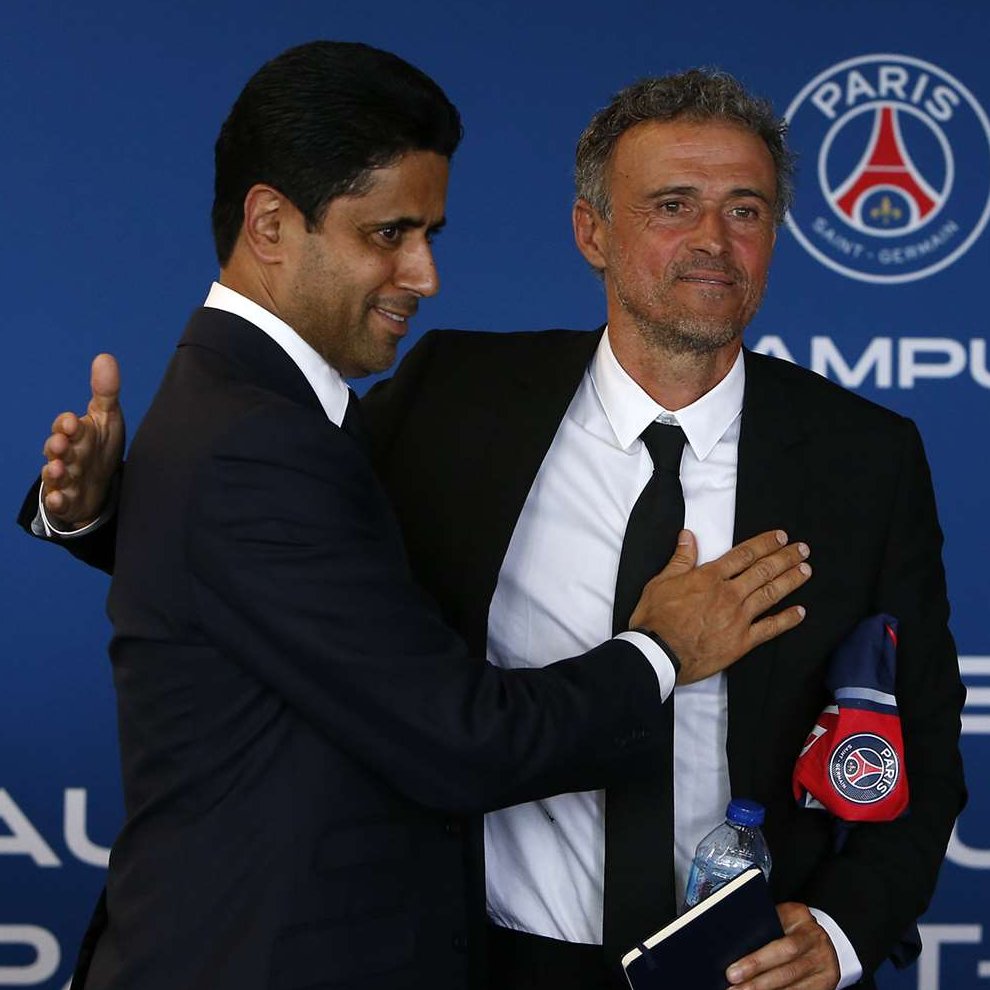
🚨🗣️ 𝗡𝗘𝗪: Nasser Al-Khelaifi (PSG president):
"Luis Enrique lived in our training centre for 8 months. He didn't go home. He worked from 8 AM to 9 PM."
"We asked him to go outside for a bit, to change the atmosphere, but he was obsessed with the game."
"His whole life was football. We even started to be scared that he would go mad in there."
"Thankfully, we have seen the results of his hard work. From him, the players, the management, and of course the fans. It's been a huge collective effort."
John Terry: “Sabah saat 8’de tesise ilk gelen hep oydu; konileri bile kendi elleriyle yerleştirirdi. Yağmur yağsa bile dışarıda antrenman hazırlığı yapmaya devam ederdi.
Standartları o kadar yüksekti ki oyunculardan personele, hatta sağlık ekibine kadar herkesten aynı ciddiyeti beklerdi.
Detaylara verdiği önem gerçekten inanılmazdı. Futbola bakış açımı tamamen değiştirdi. İlk antrenmandan sonra hepimiz ‘İşte gerçek antrenman buymuş’ dedik.”
Luis Enrique has a daily routine unlike any other manager I know.
Being a football manager is one of the most stressful jobs in the World.
It takes extraordinary fortitude to live the life of a manager for a sustained period.
His day begins at 6am in the gym for an hour. Followed by coffee and no breakfast.
Fasting all day is the norm.
His evening meal is usually 6 eggs with vegetables.
Another non negotiable is grounding:
He walks barefoot on grass daily and benefits this practice with removing his allergies and giving better focus.
He's employed this practice with his players over the last two seasons.
Routines are the foundation of everything we do as humans.
Small daily habits stack up over time.
Like compound interest. It's no wonder Enrique has enjoyed such success.
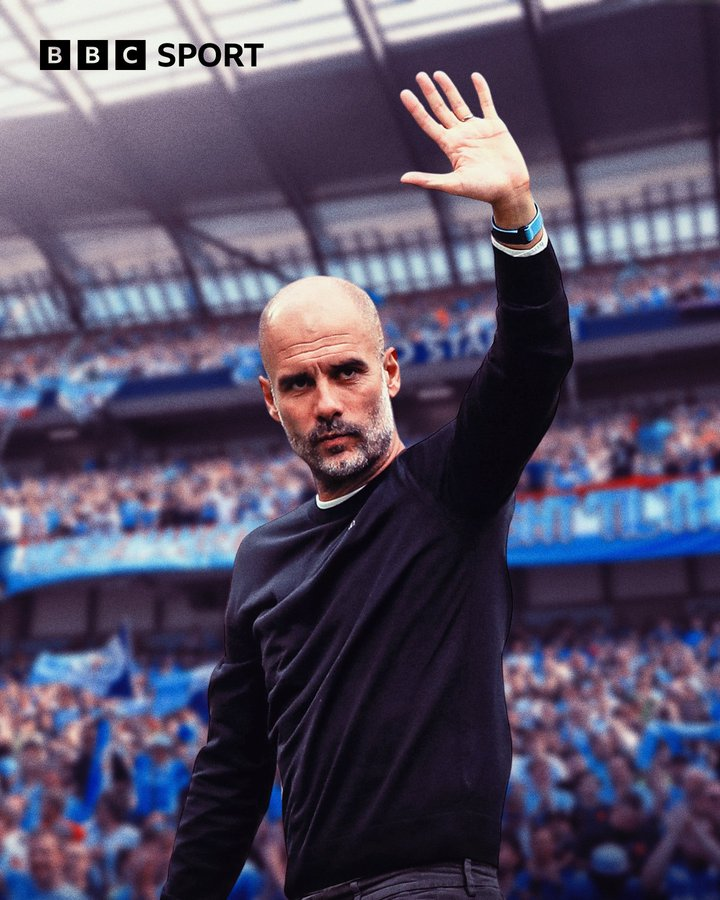
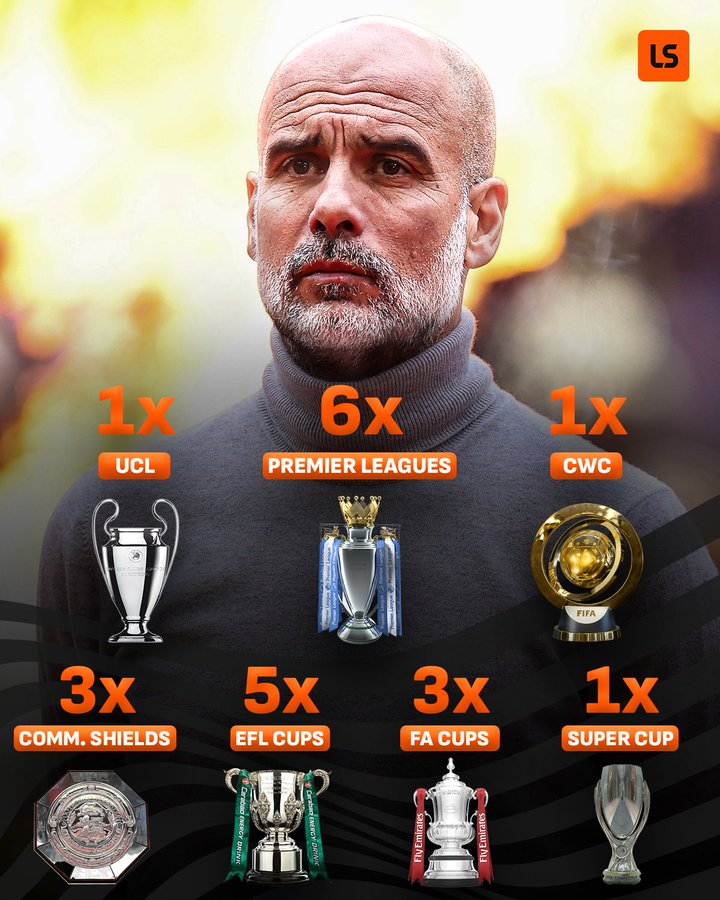
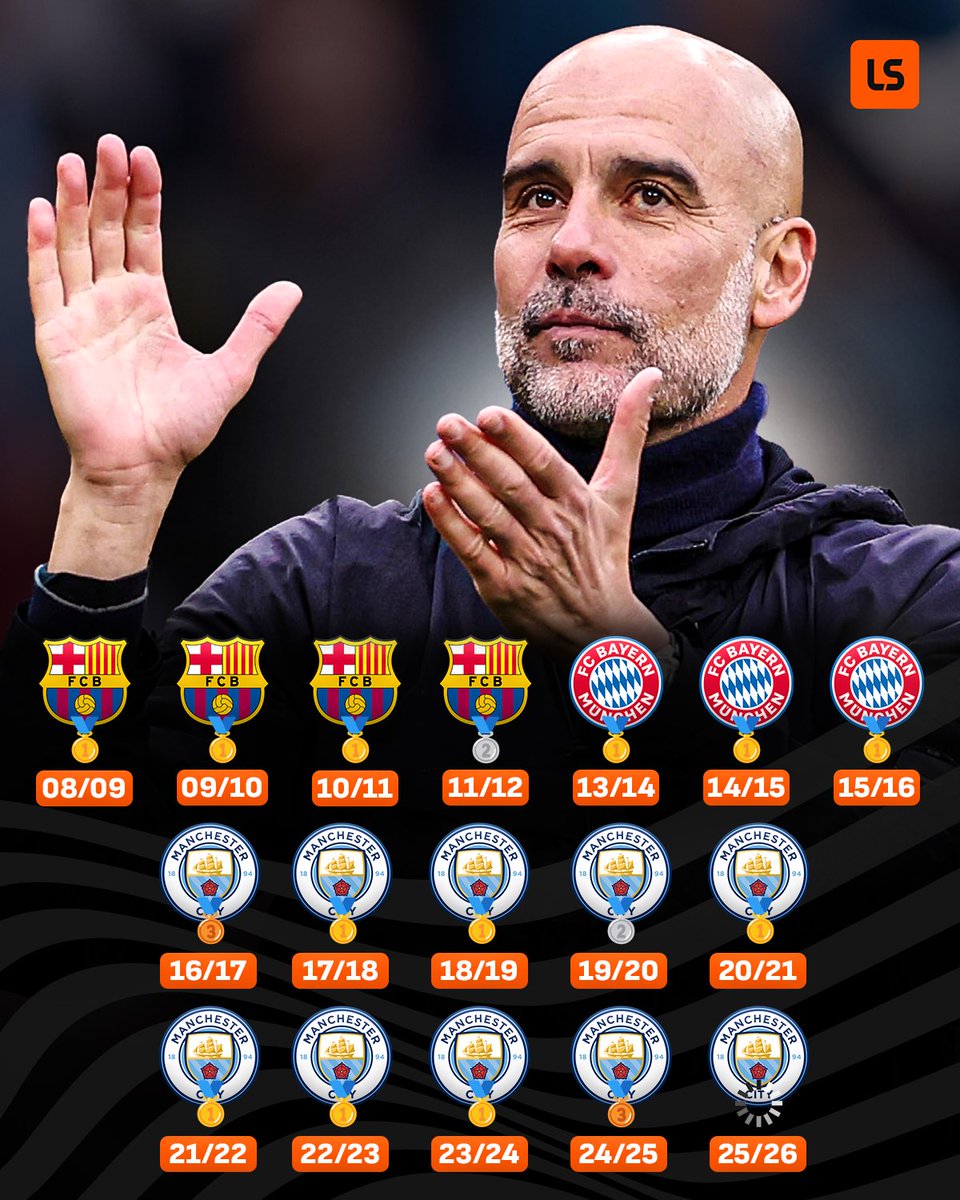
Pep Guardiola winning his 20th trophy at Manchester City feels bigger than silverware now because at this point, Pep is no longer just a successful manager.
-He is an era.
-A football ideology.
-A tactical reference point for an entire generation and English football will never look the same again because of him. A thread 🧵
When Pep arrived in England in 2016, there was genuine scepticism. People said:
“He only succeeds with elite teams.”
“His football is too idealistic for England.”
“The Premier League is too fast and physical.”
“Cold rainy nights” and all the usual clichés.
What followed was one of the greatest tactical invasions English football has ever seen. Pep did not merely win in England. He changed England. Look at the league before and after him.
Before Pep:
-transitions dominated
-chaos was celebrated
-technical midfielders were secondary
-build-up play was inconsistent
After Pep, everyone suddenly wanted:
-ball-playing centre-backs
-inverted full-backs
-positional rotations
-elite build-up structures
-pressing systems
-control
He recalibrated the tactical IQ of the league.
The most remarkable thing about Pep at Manchester City is adaptability. People wrongly describe him as rigid. In reality, Pep may be the most fluid elite coach of his era.
-The Barcelona version.
-The Bayern version.
-The City version.
All completely different ecosystems with the same principles and different executions.
At FC Barcelona, Pep created perhaps the purest expression of positional football we have ever seen. That team felt like geometry in motion.
-Xavi controlled rhythm.
-Iniesta manipulated space.
-Messi destroyed structure.
-Busquets organised everything invisibly.
The ball became a weapon of suffocation. Opponents barely touched it, but the Barcelona side often gets misunderstood. People reduce it to “tiki-taka”. That team was not sterile possession. It was aggressive possession. They used the ball to:
-manipulate pressing structures
-create overloads
-isolate weak defenders
-destabilise defensive shapes
It was positional domination with violence underneath it.
Then came FC Bayern Munich and honestly, that may have been Pep’s most intellectually ambitious phase.
He walked into a club that had just won the treble under Jupp Heynckes and still tried to evolve everything.
-False full-backs.
-Centre-backs stepping into midfield.
-Hyper-positional structures.
-Insane rotational patterns.
Some people hated it. Coaches around Europe studied it obsessively. Pep’s Bayern side did not fully conquer Europe. But tactically, that team became a research laboratory for modern football.
A lot of concepts elite teams use today were refined there. You can see traces of Bayern's Pep in:
-Arteta’s Arsenal
-Alonso’s positional systems
-De Zerbi build-up patterns
-even aspects of modern international football
Then came Manchester City F.C. and this is where Pep became something else entirely. This is because England forced him to evolve beyond idealism. The Premier League does not allow comfort. You deal with:
-relentless transitions
-physical duels
-compressed schedules
-tactical variety
-emotional intensity
Pep adapted and that adaptation made him even greater. Early City were obsessed with control and later City became monsters in every phase. They could:
-dominate possession
-destroy you in transition
-press high
-defend deep
-attack wide
-attack centrally
-play physically
-play technically
That flexibility is why they became historically dominant and then there is the psychological effect Pep had on English football. Managers stopped thinking survival-first. Suddenly everyone wanted:
-automatisms
-structures
-coordinated pressing
-possession identities
Even relegation-threatened teams now try to build from the back because Pep normalised tactical ambition across the pyramid. That influence is enormous.
What separates Pep from many great coaches is sustainability. Most dynasties collapse after 3 or 4 years. Pep kept rebuilding. Different title-winning teams:
-Aguero era
-David Silva era
-De Bruyne era
-Haaland era
-Different tactical structures too.
-False 9s.
-Box midfields.
-Inverted full-backs.
-Wide wingers.
-Dual pivots.
He keeps evolving before opponents fully solve him. and honestly, one underrated aspect of Pep’s greatness is his courage.
This is because hyper-technical football is risky. One mistake and you look foolish. Pep never abandoned his footballing convictions completely even when critics mocked him relentlessly. That stubbornness reshaped modern football.
The funny thing is people spent years trying to separate “great coach” from “great resources” with Pep. But football history already answered that. Elite clubs always hire elite minds. Nobody questions:
-Ferguson at United
-Sacchi at Milan
-Cruyff at Barcelona
Pep belongs in that lineage now.
20 trophies at City is absurd but the trophies alone do not explain the legacy. Pep changed:
-coaching language
-recruitment logic
-player profiles
-tactical education
-academy structures
-build-up philosophy
-entire football cultures shifted around him.
That is deeper than medals and maybe the ultimate compliment is thus:
Even the coaches trying to “reject Pep football” are still reacting to Pep football.
That is influence. The game bends around certain people historically.
-Cruyff did it.
-Arrigo Sacchi did it.
- Sir Alex Ferguson did it.
-Pep Guardiola did it for this generation.
#PepGuardiola #ManCity #FCBarcelona #BayernMunich #PremierLeague #Football #Tactics #UCL #DeBruyne #Messi #Haaland #Arteta
@PepTeam@ManCity@premierleague@PremLeaguePanel@Edwyeen@Ademola_Host@Okkeeeyy@TheOddSolace@Coachayere@Adikastakes@ZachLowy@dayveedtalks@ESPNFC
https://t.co/hAlcOBxnRM
Daryl McMahon remembers sitting down with the Hornchurch hierarchy last summer contemplating quite how they’d try and repeat last season’s ninth-place finish in a National League South packed with full-time hitters.
https://t.co/94KwHl6sVf
🚨 José Mourinho on Mikel Arteta winning the league with Arsenal:
“That could be Manchester United—but only if they understand one thing: patience. Look at Arteta: two or three seasons without winning, finishing second, yet the club and the fans continued to support him. They believed in the same project and gave it time to grow.
At United, it’s different. You start building something, but before the structure is ready, everything changes. A new manager, new ideas, new players… over and over again.
Success doesn’t come from constant change—it comes from stability, trust, and giving a project the time it needs to succeed.”
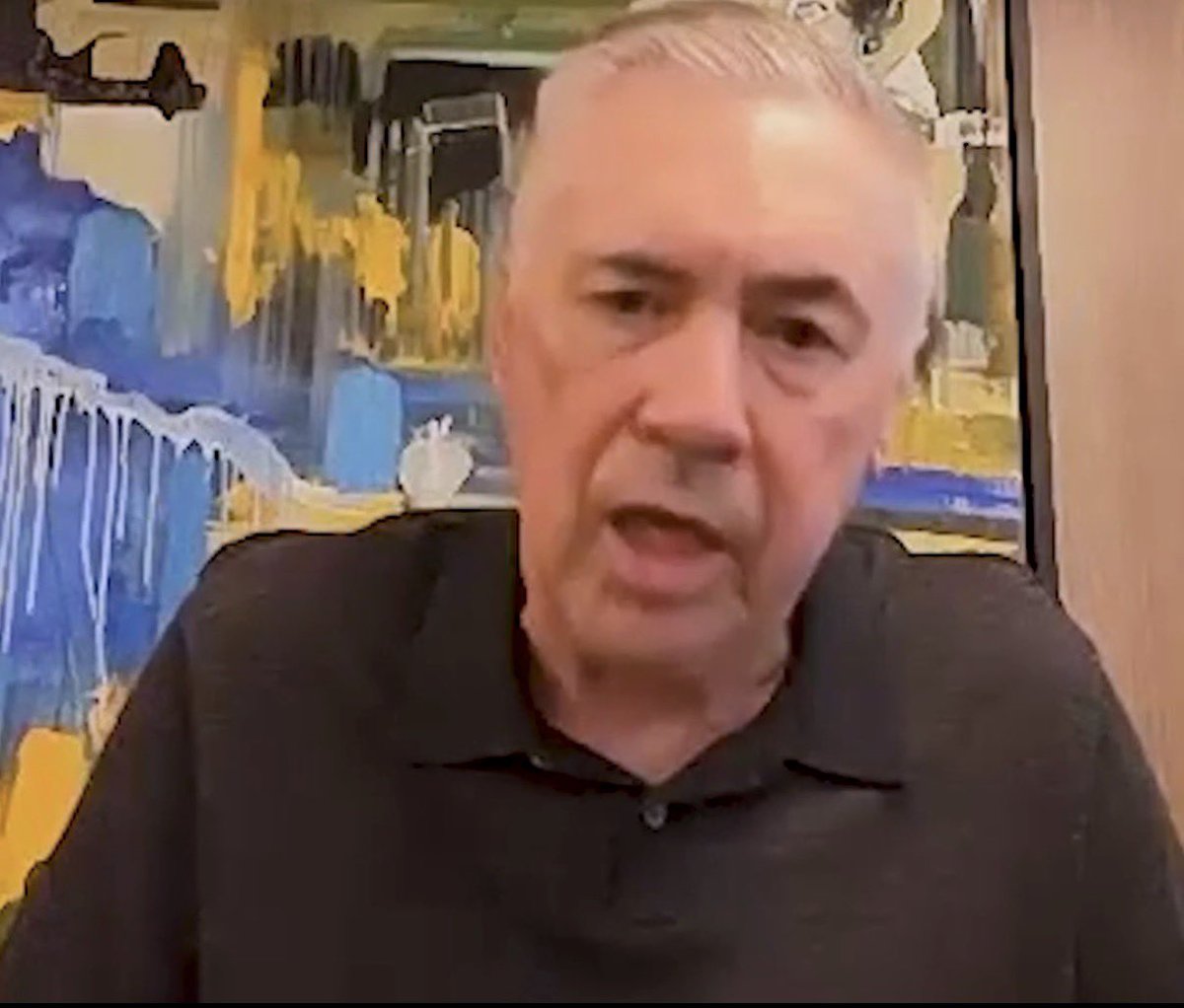
🚨 Carlo Ancelotti: “When I was in Madrid, I’d have an idea and I’d try to discuss it with the players, and see if they agreed or not. We even did this in the final of the Champions League.
When I have an idea, the player has to be part of this idea. I don’t want to impose strategy. To talk with players is not a weakness.
In my career it was really important because I had a lot of ideas coming from players. Andrea Pirlo, for example, when I put him as a holding midfielder, it was his idea.” @TheAthleticFC
Most children playing grassroots football will not go on to become professional players. Keeping this in mind as a coach or parent helps you focus on creating a fun, positive environment for everyone on the team.
🚨🗣️ Casemiro: “In this game against Paraguay, which if we won we would reach the World Cup, everyone was talking a lot at halftime.
Then Carlo Ancelotti comes and says ‘I will go smoke for 5 minutes, you guys talk’.
He comes back and speaks, and everyone says ‘ok, ok’ this guy is amazing.” @riomeets 🤣