A fascinating milestone at the frontier of quantum computing and genomics!
Loading a complete viral genome onto a quantum computer is not yet a direct biomedical discovery, but it represents an important step toward making quantum genomics experimentally viable.
The real promise of quantum pangenomics may lie in its capacity to help us analyze genetic diversity, host–pathogen interactions, and complex genomic variation at scales that are increasingly difficult for classical computing. This could eventually open new ways to understand biological regulation, disease susceptibility, and precision medicine.
A bold and inspiring example of interdisciplinary science expanding the computational limits of biological discovery.
Congratulations to Sergii Strelchuk and the teams at @UniofOxford, Wellcome Sanger Institute, Cambridge, IBM, and Wellcome Leap.
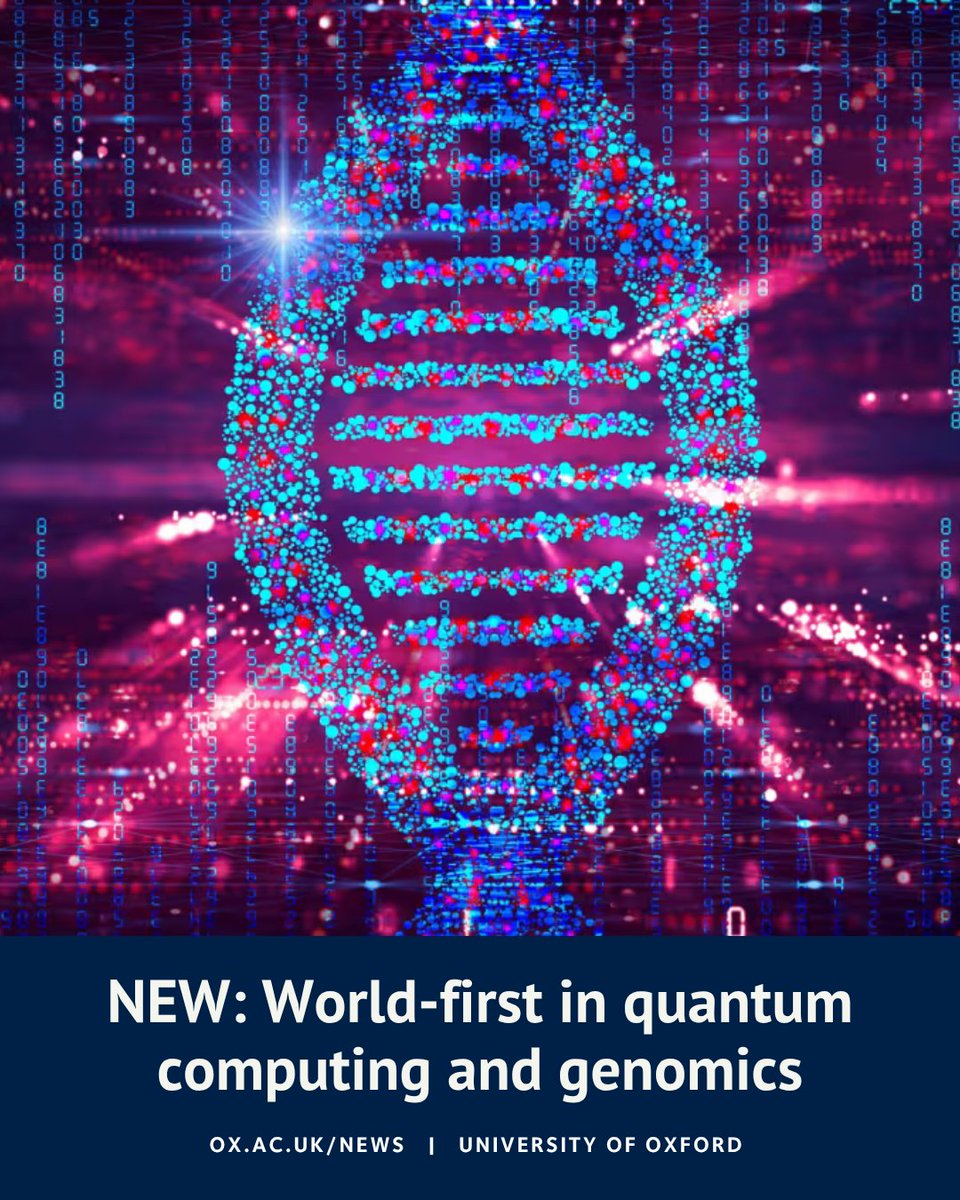
NEW: Oxford researchers have helped to achieve a world first: loading a complete genome onto a quantum computer. This makes an important step towards a future where quantum computing accelerates biological discovery.
Find out more ⬇️
https://t.co/5DROjxivgr
📢 Awards for Innovation, Inventorship, and Patents: What Is Behind Them?
📡 For the third consecutive year, I am deeply honored to have received recognition for #BestInnovation in #TechnologyTransfer by @CEDIAec (Corporación Ecuatoriana para el Desarrollo de la Investigación y la Academia).
💡 Behind this award, there is much more than a patent, a certificate, or a public recognition. There is a strong motivation to address scientific and societal needs through research-based innovation. In our case, this means developing technologies that may contribute to better biomarkers, improved regenerative strategies, and new ways to understand and repair damaged tissues.
🫴 Innovation is not easy, especially in contexts where the ecosystem is still growing. In #Ecuador, we are only beginning to consolidate a stronger environment for science, intellectual property, technology transfer, and university-industry collaboration. In this path, the role of CEDIA has been essential in helping build bridges, capacities, and opportunities for researchers and institutions.
🧠 One of the most important lessons I take from this process is that a patent is not the final goal. A patent is a tool. It helps us valorize research efforts, reduce uncertainty, understand where value can be created, and make better decisions: what to protect, what to publish, what to license, what to abandon, where to invest, and with whom to collaborate.
🎖️ A strong intellectual property strategy is not measured only by the number of patents obtained, but by the quality of the decisions those patents help us make and by the impact they can generate when connected to real-world needs.
🧭 I am amazed and honored to share this achievement with outstanding scientists and colleagues. Special congratulations to @ValeriaOchoaHe2 for receiving the award for Best Innovation for Sustainability, and to @JuanCarlosCollantes, PhD for being recognized as this year’s Best Inventor.
🚀 My sincere thanks to María Laura Fuenzalida and @Alejo_bermeo , who lead the Universidad San Francisco de Quito Technology Transfer Office, and to the leadership of the @USFQ_Ecuador for supporting a vision where scientific discoveries can move beyond the laboratory and become solutions for society.
☄️ Inventions are key to transferring the value of scientific discoveries into everyday solutions. They generate motivation, new ventures, institutional growth, and a culture where science is not only published, but also transformed into impact.
Grateful for this recognition and even more motivated to keep building science, innovation, and technology transfer from Ecuador to the world. 🚀
@DatoCienciaEC@edicionmedEC@UsfqB
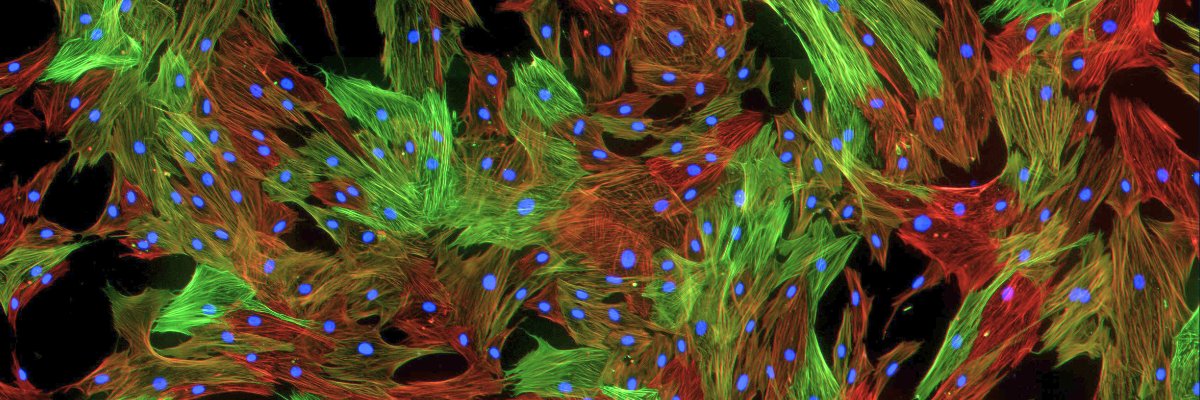
Scientists are developing a new wave of gene therapies to regenerate the heart — offering hope for treating heart failure, a debilitating and common condition.
https://t.co/7E5bL7WWe4
How animals sense Earth’s magnetic field is one of biology’s enduring mysteries.
Researchers in Science have now identified superparamagnetic macrophages in the livers of rock pigeons to be crucial for magnetic sensing. The finding uncovers an unexpected role for immune cells in sensory perception and may fundamentally change our understanding of animal navigation.
Learn more in this week's issue: https://t.co/JS9qBFZHcP
Gene expression can be used to predict age and mortality 🚨
Impressive study from @gladyshev_lab@harvardmed using RNA-seq data to develop accurate transcriptomic clocks across mammalian species (inc. humans) and tissues to predict age, lifespan and mortality. A great example of the power of big data in aging research.
Major processes changing with age include inflammation, mitochondrial function, epigenetic regulation, cell cycle (inc. markers of cellular senescence) and extracellular matrix remodeling.
These clocks will have applications in personalised medicine, drug discovery and clinical trials. They also suggest some degree of coordination of aging changes.
However, many questions remains. Are age-related transcriptomic changes drivers of aging or merely passengers? In other words, if we normalized these aging changes back to youthful levels, would this be beneficial, detrimental, or have no effect?
And with so many aging clocks now available, how will researchers determine which ones are most biologically meaningful and clinically useful?
Link to original paper:
https://t.co/S7Cu17YqCu
My thoughts on the study:
https://t.co/xYAguwvsiu
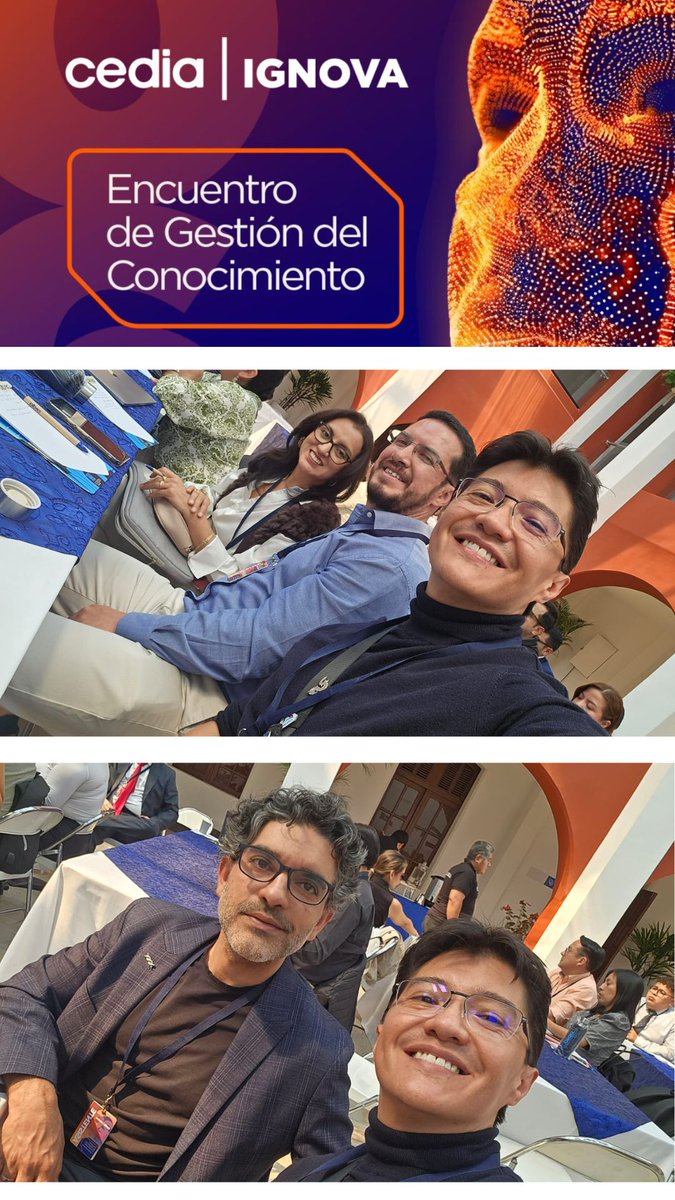
📢 Los espacios de interacción para fortalecer la #innovación en #Ecuador son más necesarios que nunca.
Desde mi experiencia impulsando proyectos científicos con potencial de transferencia tecnológica y desarrollando procesos de propiedad intelectual y patentes en la @USFQ_Ecuador, he aprendido que la innovación no ocurre de manera aislada. Las ideas necesitan ecosistemas, conversaciones, aliados estratégicos y espacios donde puedan madurar hasta convertirse en impacto real.
💡 Por eso, iniciativas como @CEDIAec hashtag#IGNOVA son tan importantes para el país. 💡
Ecuador tiene talento, ciencia, creatividad y capacidad de generar soluciones propias. Sin embargo, para que ese conocimiento se transforme en tecnología, emprendimientos, patentes, productos o servicios con impacto, necesitamos conectar de mejor manera a la academia, la industria, el sector público y el ecosistema de innovación.
Felicidades CEDIA por el evento #IGNOVA que se proyecta como un punto de encuentro clave para quienes están impulsando la transformación digital, la ciencia aplicada y la innovación tecnológica en Ecuador y la región.
Abordamos ejes temáticos y desafíos fundamentales:
🔹 Gestión de la innovación en organizaciones y ecosistemas de CTI
🔹 Propiedad intelectual y explotación de activos intangibles
🔹 Clústeres académico-productivos y conexión de agentes de innovación
🔹 Aprendizajes internacionales y transferencia contextualizada
🔹 VTIC: de la investigación a la transferencia tecnológica
Hoy más que nunca, Ecuador necesita espacios donde la ciencia dialogue con la industria, donde las patentes no sean vistas solo como documentos legales, sino como herramientas para crear valor, y donde la innovación se traduzca en desarrollo, competitividad y bienestar para la sociedad.
@DatoCienciaEC@edicionmedEC
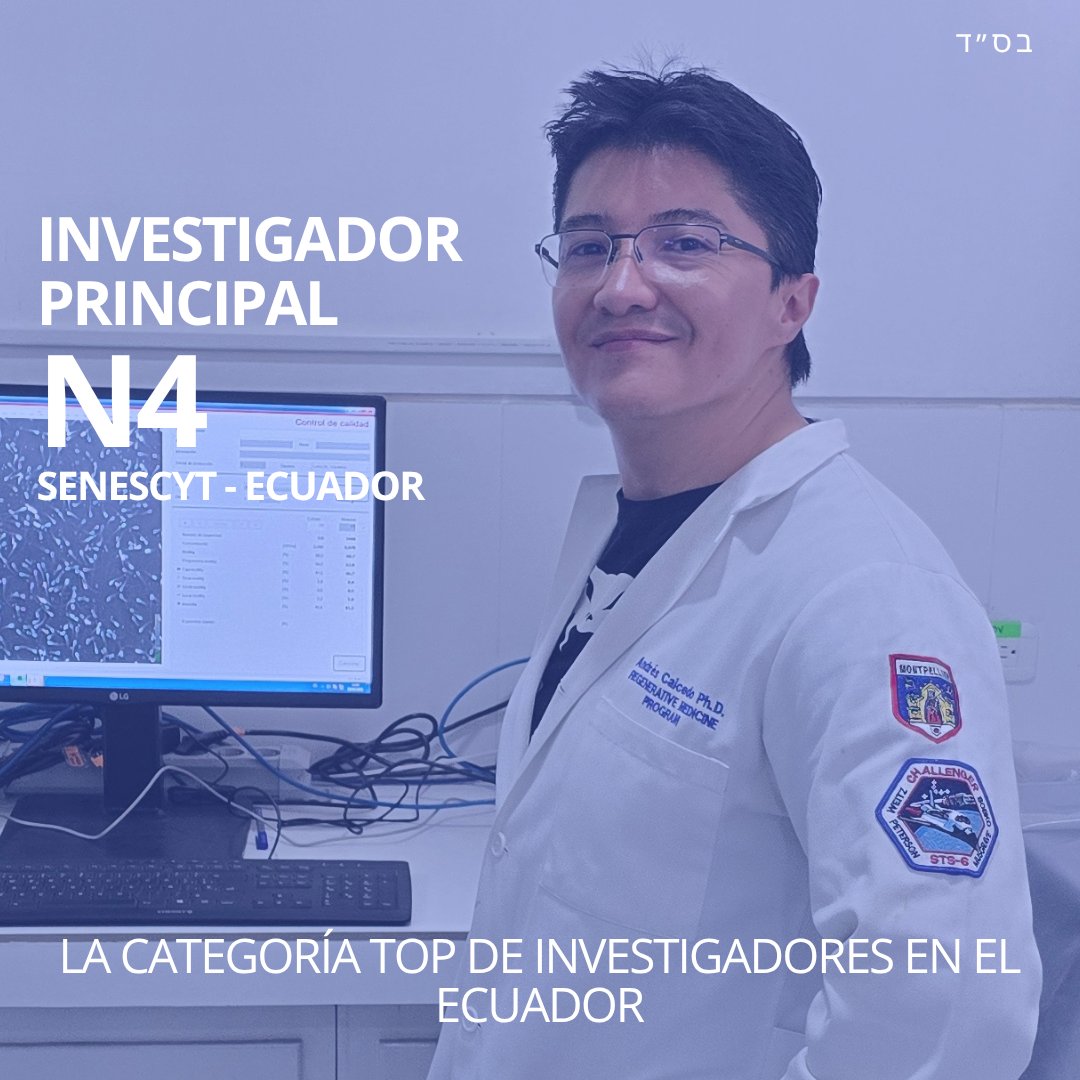
🚀 ¡Nivel desbloqueado! 🔬
Hace 10 años veía muy lejano poder alcanzar la categoría más alta de investigadores en Ecuador. Hoy, después de mucho trabajo en equipo, artículos, proyectos, retos, maestrías y doctorados acompañados, recibo este logro con enorme gratitud. Gracias, @EduSuperiorEc@SerBachillerEc 🙏✨
Mi gran gratitud a cada colega, amigo y colaborador que me dio la mano para seguir adelante y construir ciencia desde Ecuador con ambición, rigor y corazón. 💡🤝
Gracias a mis chicos, porque compartir este camino con ustedes ha sido una de las partes más valiosas de todo este proceso. Verlos crecer, cuestionar, investigar y soñar juntos nos recuerda que la ciencia se construye en comunidad. 🧬👩🔬👨🔬
Al final, cada paso, cada reto y cada aprendizaje construyen el camino, incluso más allá de cumplir una meta.🚀
Gracias, equipo. Gracias, @USFQ_Ecuador . Gracias a Dios por este gran logro. 🙏🔬🇪🇨✨
https://t.co/45OGSSp6q4
We're sending a back-up copy of all known DNA to the moon! The Lunar Genome Project and BioVault has officially started. Thanks to @Spaceomix and Space Applications Services: https://t.co/yBaQlK8p89
Human mitochondrial transfer modeling reveals biased delivery from mesenchymal-to-hematopoietic stem cells;
“Using primary MSCs with genetically labelled mitochondria we confirmed a transfer to all CD34+ populations, albeit occurring at a lower frequency than with the iMSOD-mito (3.38%). By engineering 3D bone marrow niches in perfusion bioreactor, this transfer rate could be significantly increased, while the biased towards HSC as receiver was maintained.”
https://t.co/Qle0EVklqU
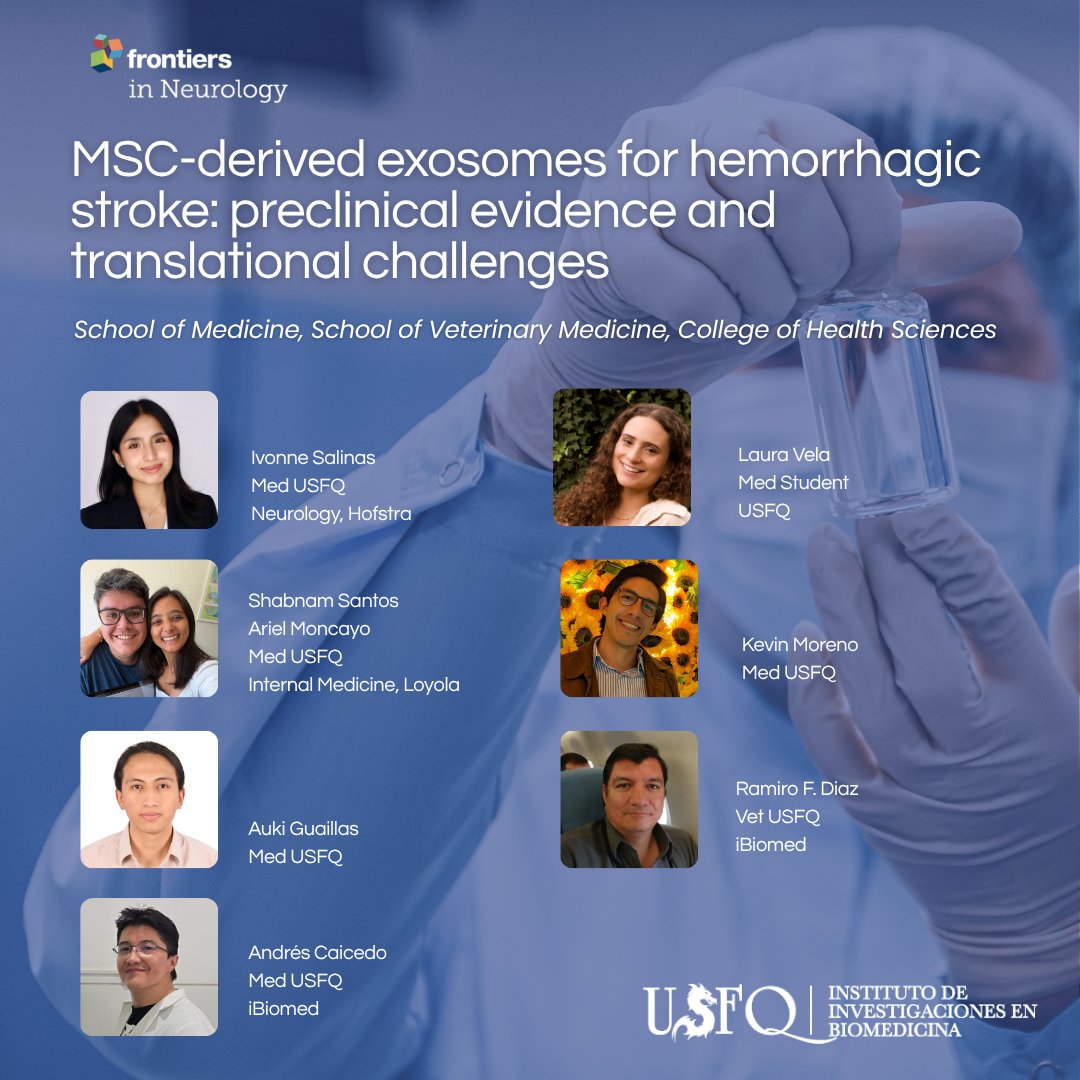
🩺 Success Through Mentorship and Student Collaboration! 🩺
I am pleased to share our recent publication:
“MSC-derived exosomes for hemorrhagic stroke: preclinical evidence and translational challenges”
This Perspective article in @FrontNeurol was developed with the contribution of our medical students and collaborators: Ivonne Salinas, Laura Vela Duque, Shabnam Santos, Ariel Moncayo Saona, Kevin Moreno Montenegro, Auki Guaillas Japon, Ramiro Díaz, and myself.
In this work, we review the emerging preclinical evidence supporting mesenchymal stem/stromal cell-derived exosomes as a promising cell-free therapeutic strategy for hemorrhagic stroke. We discuss their potential to modulate key mechanisms of secondary brain injury, including neuroinflammation, apoptosis, mitochondrial dysfunction, oxidative stress, and impaired tissue repair.
Beyond the scientific contribution, this publication is also a reminder of the importance of working closely with our students: sharing experiences, learning from mistakes, building ideas together, and supporting each other in the growth of science and academia.
Mentoring young scientists in the exciting field of cell therapy is one of the most meaningful parts of our work ISCT, International Society for Cell & Gene Therapy.
I am especially proud that some of these outstanding students have recently matched into top institutions in the United States, reflecting not only their talent and dedication but also the value of collaborative academic environments that encourage curiosity, discipline, and scientific ambition.
The article also highlights important translational challenges that must be addressed before these approaches can move closer to clinical application, including optimal dosing, therapeutic timing, vesicle heterogeneity, in vivo tracking, and mechanistic characterization.
This publication reflects the commitment of our team at @USFQ_Ecuador, the School of Medicine, the School of Veterinary Medicine, and iBiomed to advancing biomedical research and contributing to the development of innovative therapeutic strategies for neurological diseases.
Congratulations to all the authors for their dedication, perseverance, and excellent work.
Read the full article here:
https://t.co/FpeWjtMKv6
Today in The Science and Experience of Energy we explore our energetic origins.
We cover a special issue of papers on the evolution of the mitochondrial genome (mtDNA), explaining what made all of multicellular life possible.
We come from a bacterial evolutionary merger—pretty humbling.
https://t.co/XTfGneWGna
🩺 Hola, comunidad de Terapia Celular y Génica 🧬
Nos entusiasma invitarles a nuestro #SCARegionalTownHall ISCT, International Society for Cell & Gene Therapy, que se realizará este miércoles 15 de abril.
🧬 Será un espacio para encontrarnos con #profesionales, #médicos y #estudiantes interesados en una de las fronteras más prometedoras de la medicina actual.
🌎 Junto con Tatiana Maron-Gutierrez, Chair del evento, Virginia Picanço-Castro, Samuel Couto y Lilia Carolina Leon-Moreno, compartiremos el plan de trabajo regional para este año, así como webinars, iniciativas estratégicas y temas clave para seguir fortaleciendo el ecosistema de las terapias celulares y génicas en Sudamérica y Centroamérica.
📌 Entre los temas destacados abordaremos:
🔹 Navigating the Regulatory Sandbox in SCA
🔹 Strengthening the Manufacturing of CGTs for SCA
🔹 Mitochondrial Transfer II: The Revenge of the Symbiosis
🎥 Además, junto con Samuel hemos preparado este video de invitación, y será un gusto el contar con ustedes en este encuentro regional.
🕔 17h00 ECT | 18h00 CLT | 19h00 BRT
🔗 Registro:
https://t.co/4OcqGX1Zvr
@ISCT_ESP@ISCTglobal
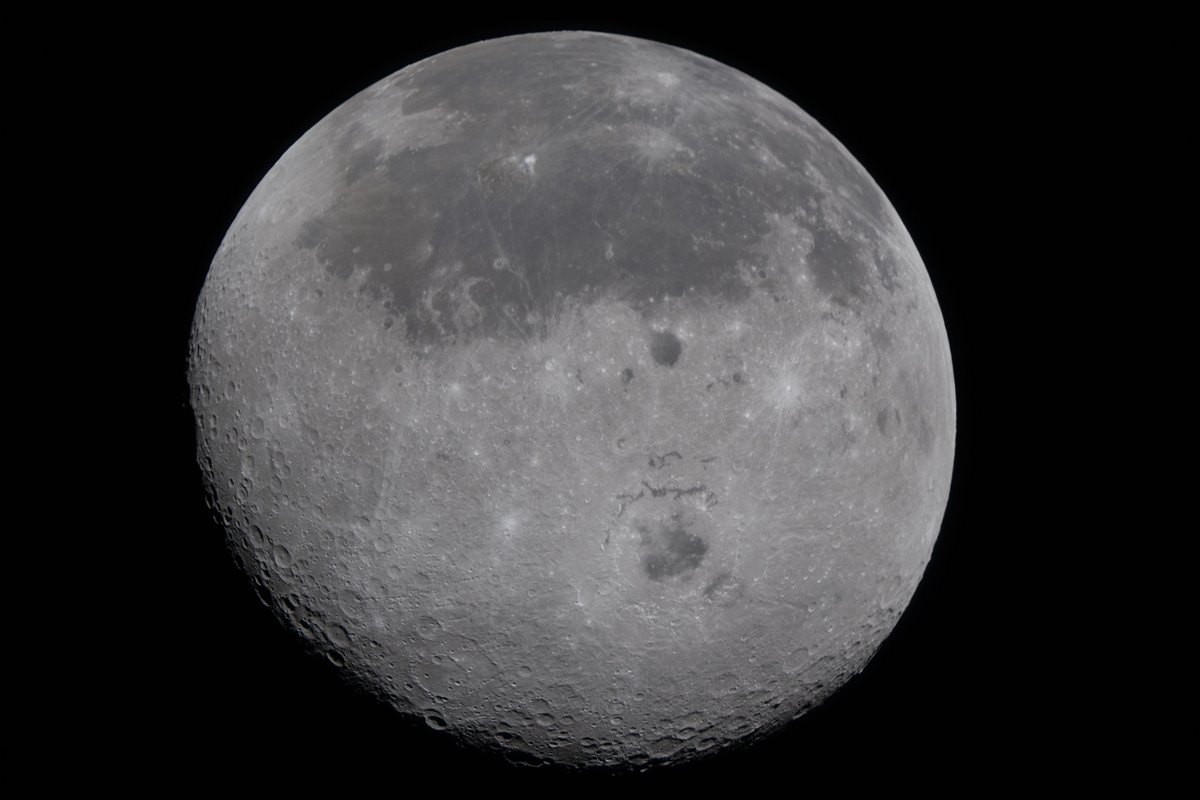
Approaching the near side of the Moon.
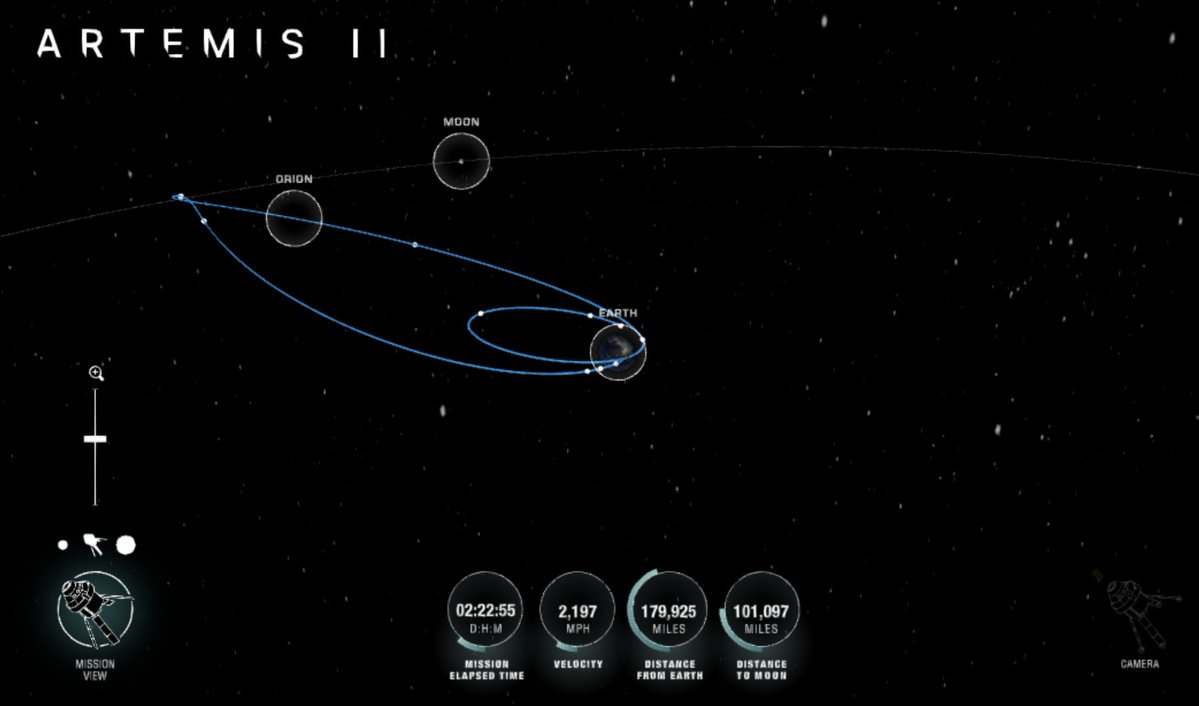
The Artemis II astronauts have surpassed the record for the distance from Earth at 1:56 ET (1756 UTC). This record was previously set during the Apollo 13 mission when the astronauts traveled 248,655 miles from Earth. The Moon continues to grow larger and larger in the windows of the Orion spacecraft as the Artemis II mission gears up to observe the far side. The astronauts are predicted to make their closest approach of the Moon around 7:02pm ET (2302 UTC).
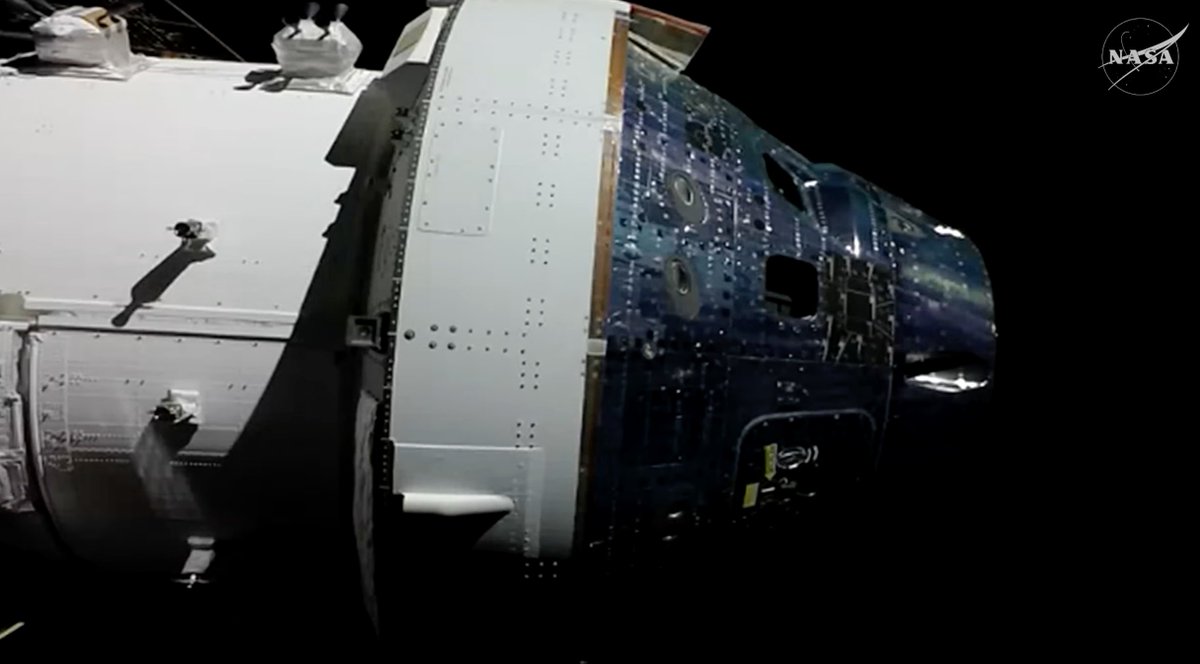
✅#Artemis II update: Day 4, Orion is moving at 3535 km/h, 289 239 km from Earth and 162 699 km from the Moon. Spacecraft 'selfie' taken by a camera on one of the solar arrays, from left: European Service Module, Adapter Module and Crew Module (pic: NASA). See https://t.co/59nA92cM5s