📖 Extracorporeal cardiopulmonary resuscitation: let's open the Blue Book, latest edition of the @ELSOOrg#ECMO specialist training manual! Chapter 18 is focused on extracorporeal support in patients experiencing cardiac arrest #ECPR
🛒 https://t.co/u1vLUUDByo
ELSO 2025 guideline on #ECMO training & continuing education
🎓 methodologies
📋 minimum standards for initial/ongoing training, simulation, case volume, developing instructors
📜 assessment /certification
🎓 becoming endorsed training center
🔓https://t.co/lzxD6i1uNA
NADIE te explica cómo usar Gemini Pro 3.1 bien.
Reuní +300 Prompts para convertirlo en una máquina de automatización.
(LISTA ACTUALIZADA)
Like + RT + sígueme
Comenta “IA” y te los envío por DM.
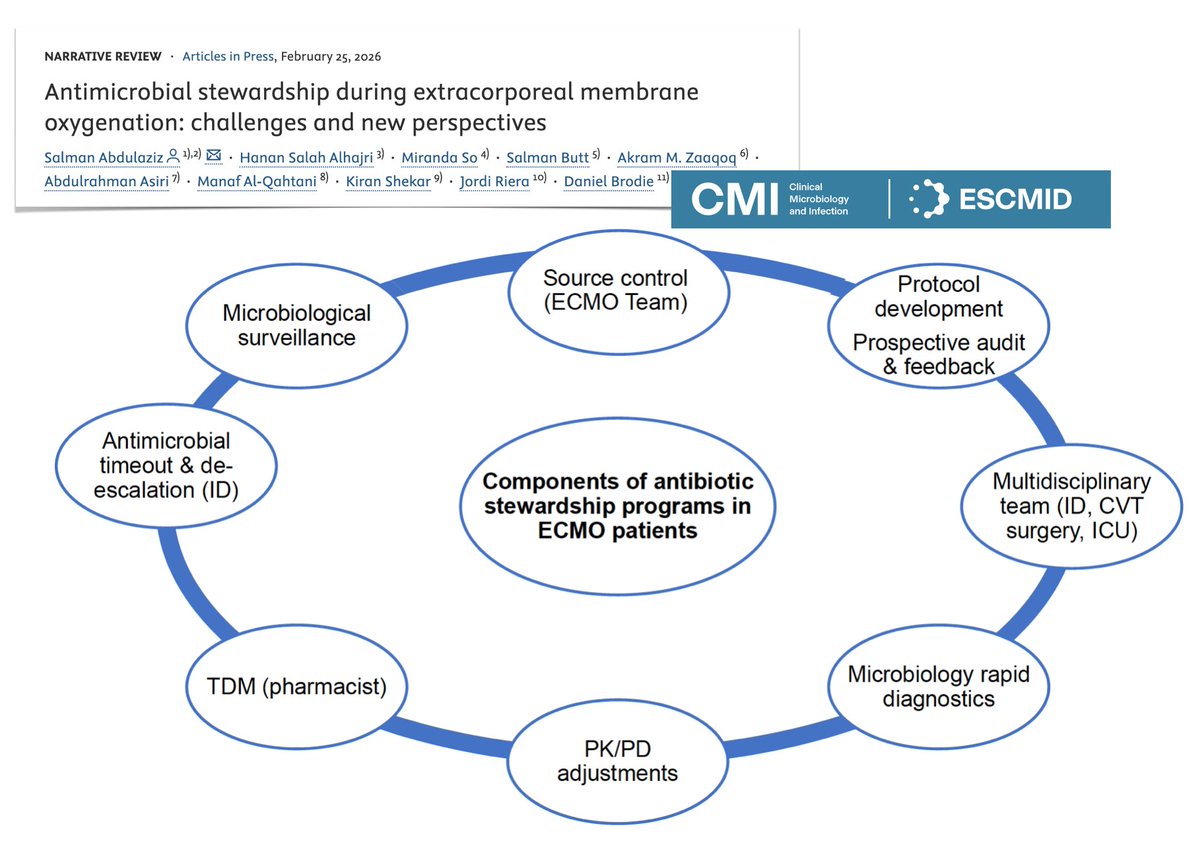
Antimicrobial stewardship in #ECMO? Challenging & evolving discipline, with limited data available!
🧫 infections & 🧪 infection biomarkers during #ECLS
💉 PK/PD & appropriate antimicrobial dosing
💉 ABT prophylaxis in ECMO: yes or no?
🔮 empirical antimicrobials and circuit/cannula change
🩺 ABT and diagnostic stewardship in ECMO
🚧 infection control strategies
The prominent PK alterations induced by circuits + prolonged ICU stays + high infection risk make optimal ABT therapy complex. Evidence for use of stewardship in #ICU patients remains applicable to those receiving ECMO.
🔗 https://t.co/wTWE8UN5LZ
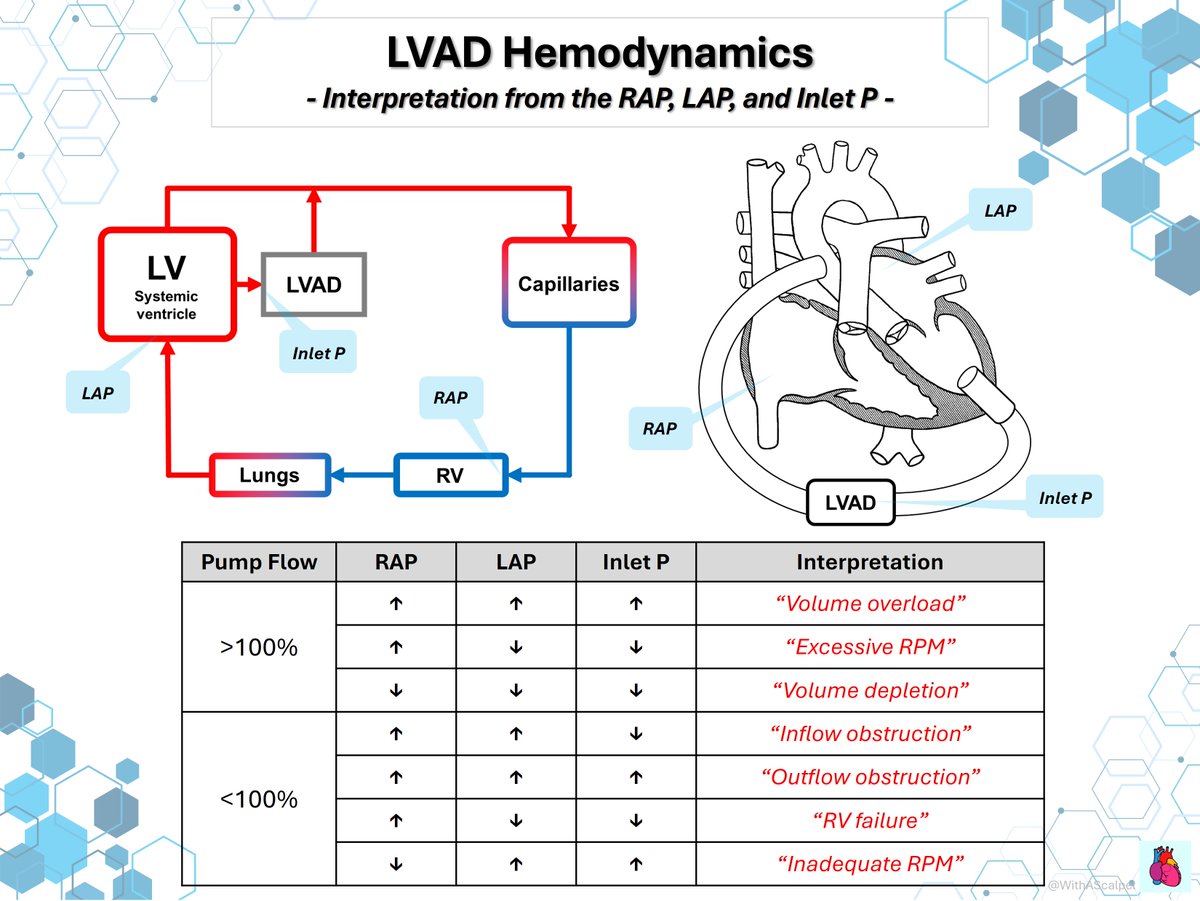
💡Interpreting LVAD physiology with echo plus intracardiac pressure monitoring (RAP and LAP) is essential.
👉Key to distinguishing volume status, RV failure, elevated PVR, and inflow/outflow problems
@NMerke, #echofirst
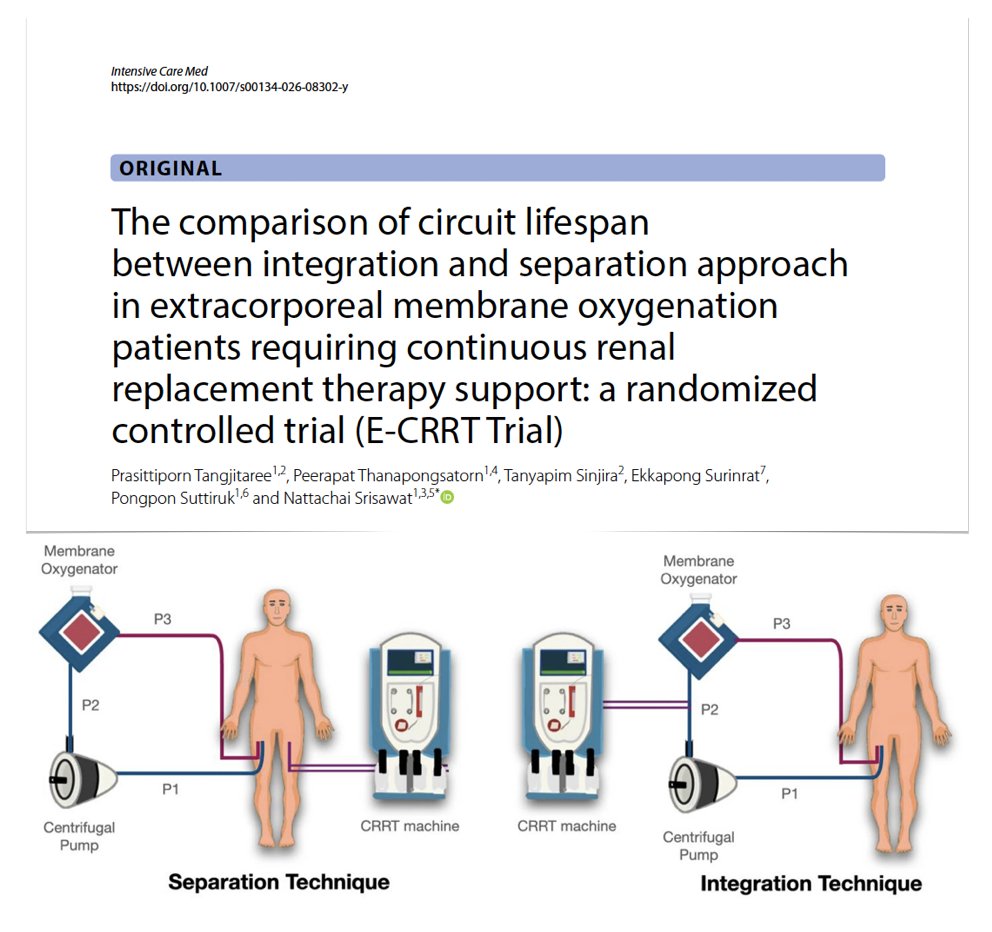
(Circuit) integration or separation approach in #ECMO patients requiring #CRRT? E-CRRT RCT
🔎 80 pts allocated to CRRT/ECMO circuits integration vs separation
⚖️ no significant difference in filter lifespan between integration/separation configurations
🪦 comparable mortality
🫧 no significant differences in serious adverse events, including air embolism
🚨 transmembrane pressure + CRRT machine alarm frequencies similar
#FOAMcc
🔓 https://t.co/SZ0y6Yx0Me
VA #ECMO axillary artery cannulation & aortic hemodynamics
☢️ computational fluid dynamics models
🩸 3 flow behaviours: descending-directed, arch-split, retrograde aortic valve-directed patterns, depending on access site, support level, aortic geometry
🫀 RAA access more frequently resulted in retrograde flow, particularly in type III arch configurations
🫀 LAA cannulation promoted antegrade or arch-split flow, independent of arch morphology: this access may provide more favourable antegrade flow, particularly if CO impaired
@asaiojournal
🖇️ https://t.co/Vx23OvmDP6
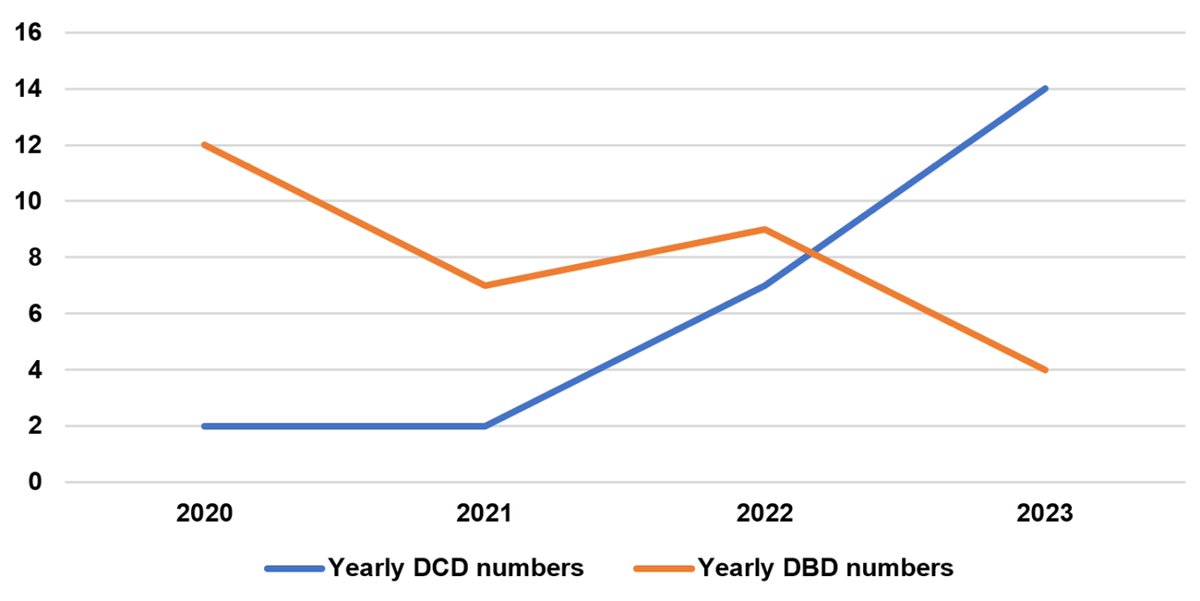
Spanish Center’s Early Experience With Donation Following Circulatory Death in Heart Transplantation
ASAIO Journal 72(1):p 42-48, January 2026. | DOI: 10.1097/MAT.0000000000002458
https://t.co/3niNrgwY9y
#ASAIO#ECMO
Conversion from VV to VA or hybrid #ECMO in patients treated for refractory respiratory failure developing refractory hypoxemia or hemodynamic compromise:
🔍 analysis of ELSO Registry including 29K adults
🫀 2.4% converted: 56.8% to VA, 43.2% to hybrid
⚖️ increased complications & higher mortality
Initial configuration selection pivotal. Need for conversion occurs under dynamic conditions: timely and decisive changes in configuration should be part of general support algorithm.
@CritCareMed
🔗 https://t.co/GCTddlYfQ9
Nitric oxide delivery into #ECMO sweep flow?
⚖️ legal & regulatory considerations
🌱 environmental considerations
💨 NO delivery systems
🫁 iNO
💨 sNO: technical challenges and solutions
🔗 https://t.co/Sj1iPXHQ66
PS do you want to know more about the role for NO in the SGF to the membrane lung during #ECLS?? Join the 🐾 SNOOPI open 🔓 webinar
🧪 biology of nitric oxide
🩺 clinical experience & how to use sNO
🔍 latest (& future) research
Register at 🔗 https://t.co/oQXoMBXhda
📆 January 12, 2026
⏰ 8-10:00 am EST
#FOAMcc #FOAMecmo #PedsICU