“Last year, 40 per cent of the kids getting contracts in the J.League last year came from high schools and 60 per cent were coming from the actual J.League academies” @tomsan106@TheAthletic
https://t.co/q4JVdQVHsQ
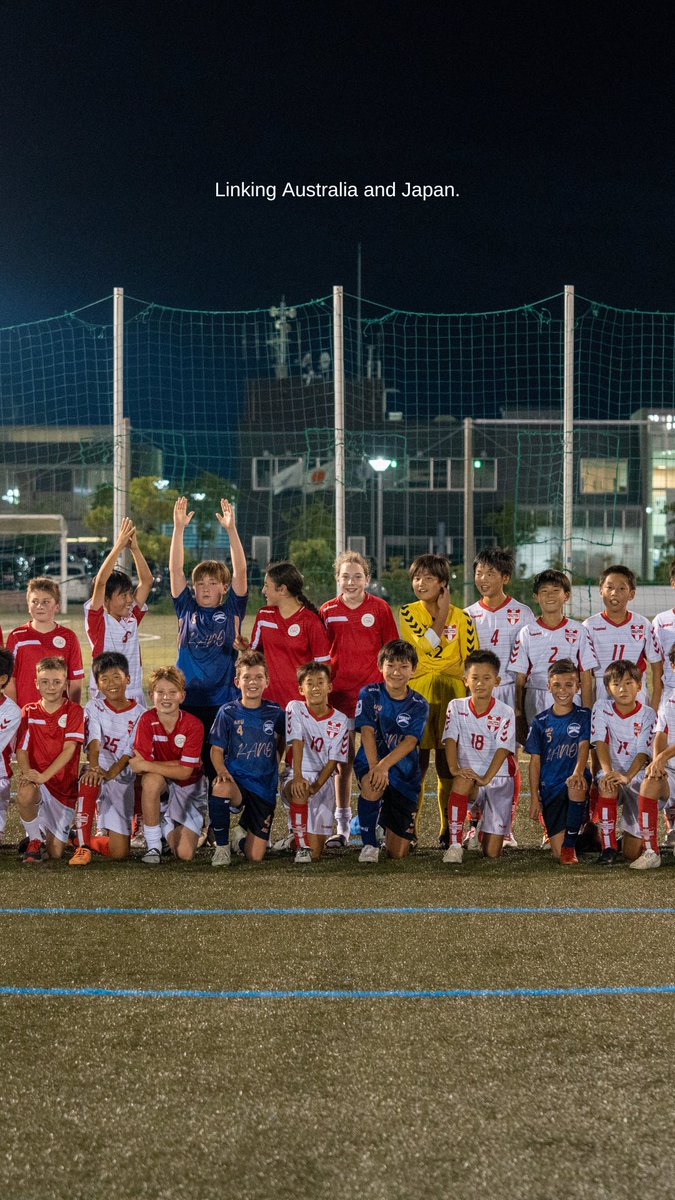
November in Japan is an important time where U12 teams across prefectures battle to be named national champions. Games including J-League clubs playing against Machi (town/local) clubs. Machi clubs are competitive & there is no big gaps between J-League clubs.
#japanfootball
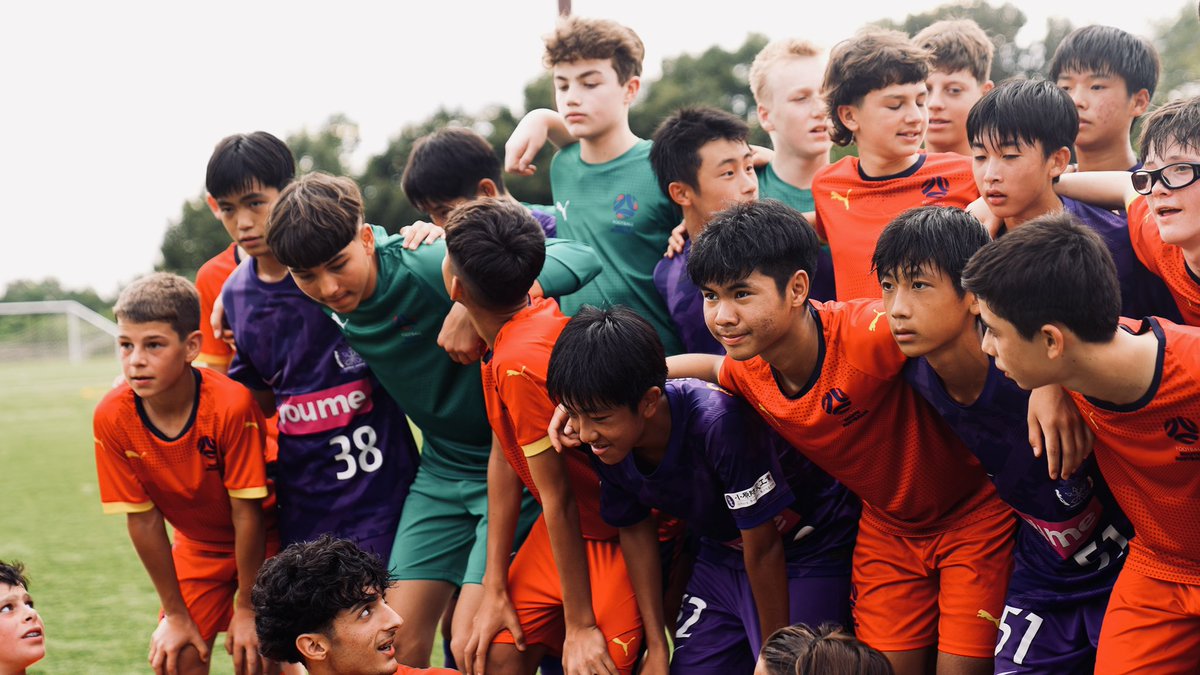
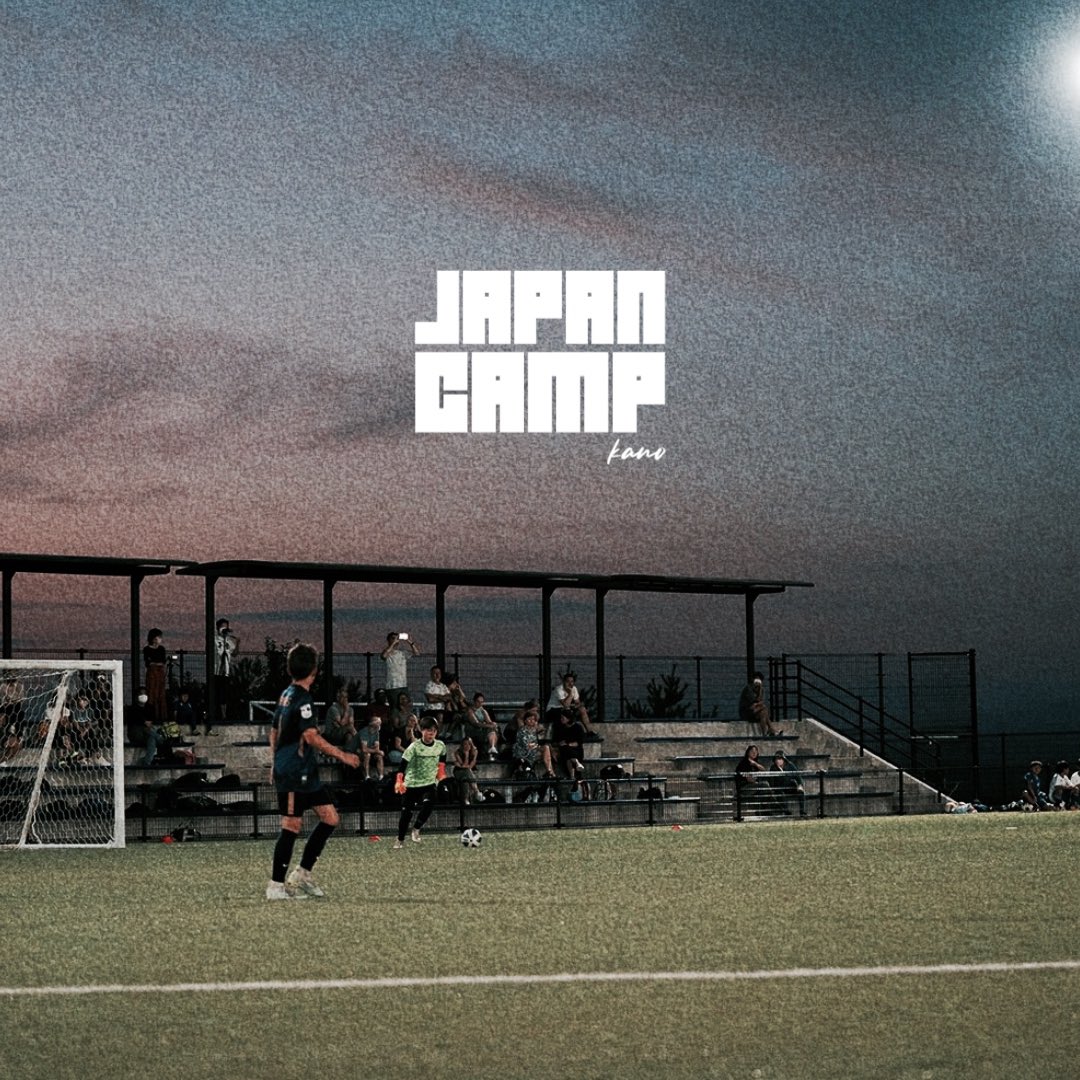
Day 1 Highlights of Football South Australia U13 & U14 Japan Camp vs J-League team Cerezo Osaka. A tough and challenging game.
🇯🇵🤝🇦🇺
#japan#japanfootball#japancamp
Day 1 Highlights of Football South Australia U13 & U14 Japan Camp vs J-League team Cerezo Osaka. A tough and challenging game.
🇯🇵🤝🇦🇺
#japan#japanfootball#japancamp
Joeys head coach Brad Maloney says his side were beaten by a "powerhouse" of Asian football in Japan in their U17 @afcasiancup quarter-final.
He is proud of his players, can't fault their work ethic, but believes Australia were simply beaten by a better team.
@FrontPgFootball
@25_DeJesus No seceeet system in Japan. They do exactly what the South Americans do. Play, play, play. South Korean the same and Iran. Iran NT striker leading goal scorer in Portugal.
@25_DeJesus Football digests as a technical game. Everywhere you go in Japan it’s about technique. It’s not about access to facilities and academies. Japan are the Brazil of Asia. Look at this video of “community level kids” on a dirt pitch
@25_DeJesus Most community teams train twice per week ( 2 hours each) from age U6-U12. And weekends usually run from 9am-3pm Saturday and Sundays playing games and training. It’s about systems culture. It’s acceptable to play that amount in Japan.
@FitFounder Great thread Dan. We’d also add ichi-go-Iche a Japanese proverb that embodies the philosophy that every moment spent in an encounter should be highly treasured, because it will never occur again.