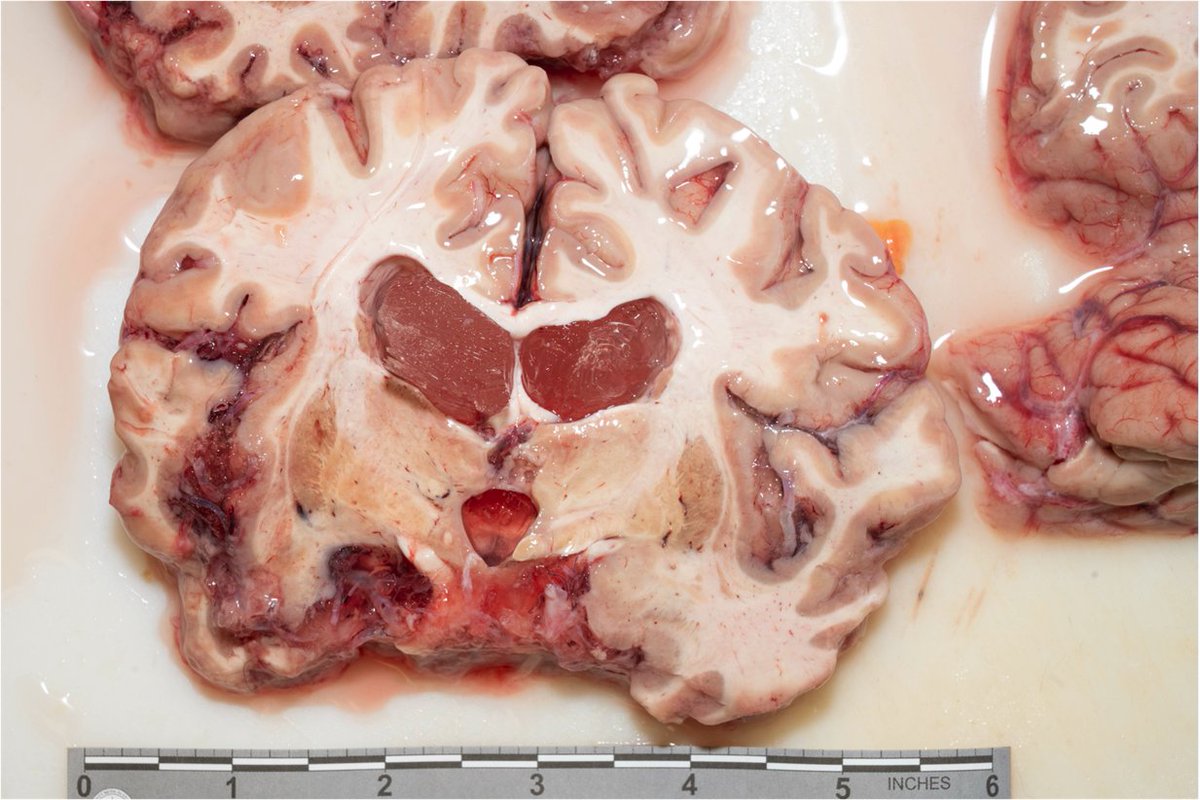
The autopsy: a time-proven, reliable, and relatively inexpensive process to inform and assist the living, and one which provides an important societal safeguard. #ForensicPathology#DeathInvestigationMatters
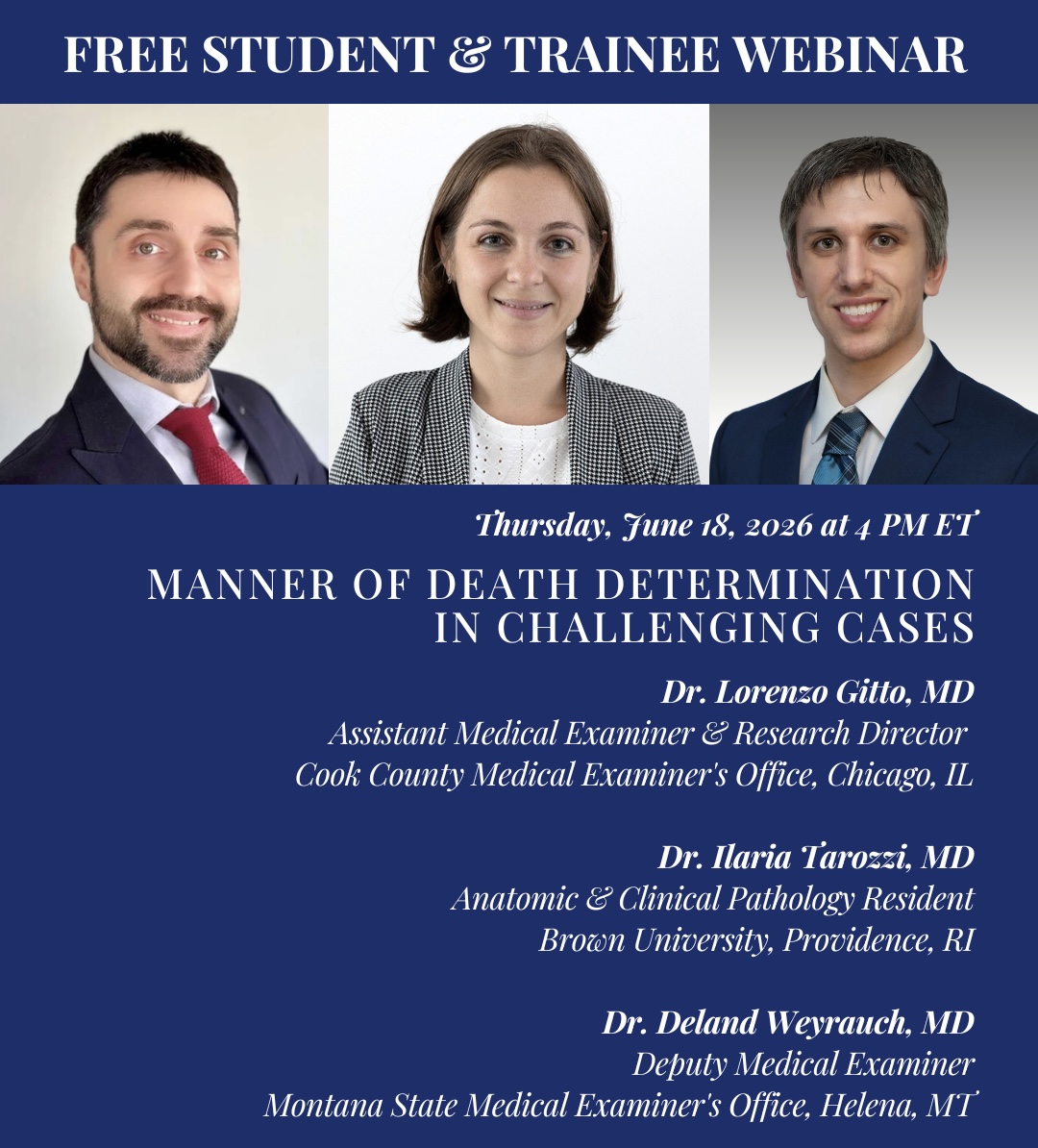
Free Webinar for Students & Trainees: Manner of Death Determination in Challenging Cases by Lorenzo Gitto, MD, Ilaria Tarozzi, MD, and Deland Weyrauch, MD
🗓 Thursday, June 18, 2026 | 4:00 PM ET
🔗 Register ➡️ https://t.co/205Z00x75K
Rib fractures in infancy in the Family Court again: Blackburn Borough Council v BB & Ors (2026] EWFC 69 (1 April 2026).
Deals with the nature/cause/ age of rib fractures, including to the posterior ribcage & includes a critique of expert opinions given.
https://t.co/NiJCVP9dej
Bed-sharing with young infants is associated with a heightened risk of sudden unexpected infant death, often by way of accidental smothering. Sadly I see this all too often. https://t.co/XynFwdjzfP
A kid drew himself sleeping in bed between mom and dad and labeled it 'safe.'
In Japan, this exact sleeping arrangement has a name. They call it 'the river.' Mother is one bank. Father is the other. The child between them is the water. Roughly 70% of Japanese mothers sleep this way with their kids, sometimes through the teenage years. The Western model of putting a kid alone in their own bedroom is barely 200 years old. For most of human history, in most cultures still alive today, kids slept beside their parents.
James McKenna runs the Mother-Baby Behavioral Sleep Lab at Notre Dame. He spent decades watching what happens when parents and kids share a bed. The bodies sync up. Heart rates align with the parent's, breathing falls into the same rhythm, and by morning even sleep stages have started matching. The parent's body, in McKenna's words, acts as a kind of biological jumper cable for the child's.
In 2013, researchers in the Netherlands tracked 193 babies through the first year of life. They measured cortisol, the brain's main stress hormone. Babies who had spent more weeks co-sleeping in the first six months produced less cortisol under stress at 12 months. Sleeping near a parent had rewired the kid's stress system to be calmer under pressure.
Inside the kid's brain at night, the amygdala, the fear alarm, gets more sensitive as the body gets tired. Darkness makes it worse. A 2021 paper in PLoS One from Australian researchers showed that light directly suppresses amygdala activity. Lights off, alarm louder. The whole brain is wired to read 'alone in a dark room' as a threat.
Now add a parent's body to that bed. The kid's nervous system reads warm body, breathing nearby, familiar smell. The threat alarm dials down. Two parents on either side dial it down twice. The drawing is the kid's brain calculating maximum safety: I am surrounded by the people who keep me alive, and nothing can reach me without going through them first.
The arrangement in this drawing is what most of human history called 'sleeping.' Sleeping the kid alone in another room is a 200-year-old Western invention that we forgot was an invention. Every kid who has ever padded into your room at 3am and crawled into the middle of the bed is just trying to redraw the picture.
Imagine a 19-year-old scrolling TikTok. She watches a creator list five "signs you have undiagnosed anxiety." She recognizes three in herself. By the end of the week, she's describing herself as anxious to her friends. A month later, she's avoiding situations she used to handle fine.
What went wrong?
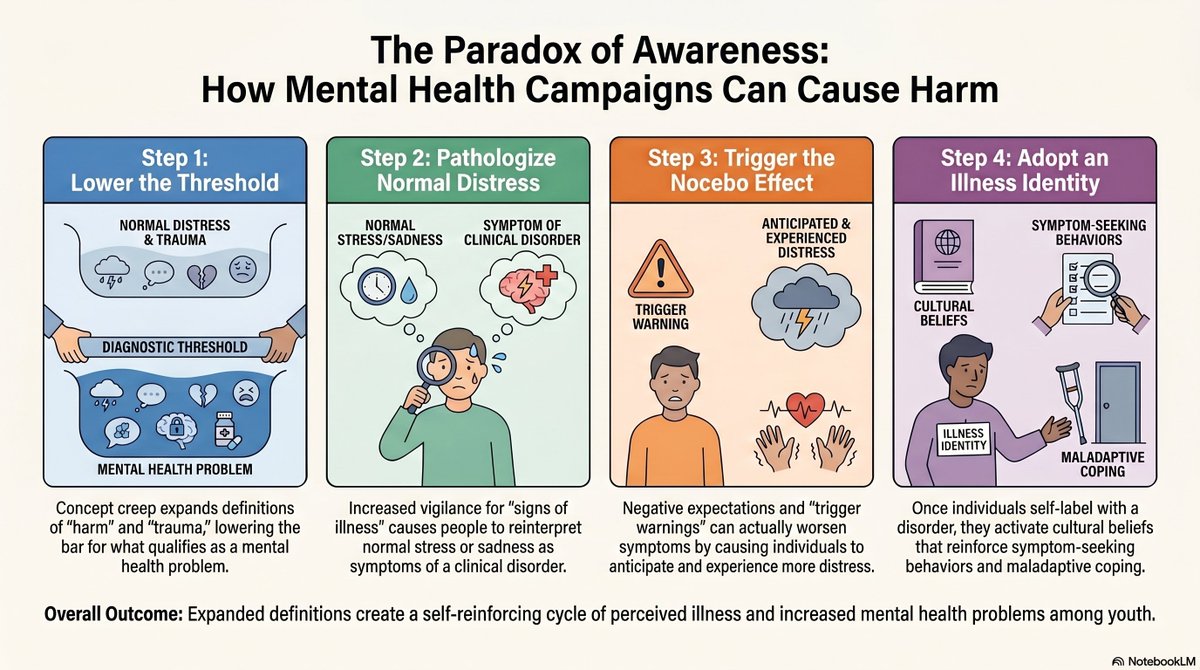
In a new paper by my PhD student Dasha Sandra, titled "Why mental health awareness can harm: Converging explanations for a societal problem", we argue that well-meaning mental health awareness can backfire, and we identify how. Four separate literatures (concept creep, nocebo effects, prevalence inflation, and illness self-labeling) have been circling the same problem from different angles. We show they converge on three mechanisms:
1.Awareness lowers the threshold for what counts as a disorder.
2. It trains people to scan their inner lives for symptoms and reinterpret normal distress as pathology.
3. Once someone adopts an illness identity, they behave in ways that confirm and deepen it.
The evidence is wide. Learning that loneliness is harmful makes solitude feel worse. Learning that stress is harmful worsens well-being and performance. Awareness videos about fake conditions like "wind turbine syndrome" produce real headaches. Trigger warnings raise anticipatory anxiety without reducing distress.
This does not mean awareness should stop. It means awareness can have unintended consequences, including manufacturing the suffering it tries to prevent. Inoculating people against these mechanisms works, and we already have evidence it does.
Link to paper: https://t.co/ucoGyhEuAj
Bournemouth lobster lover admits criminal damage to lobster. I can see how it could be theft, but given nobody knows what happened to the lobster, how could it be criminal damage?
https://t.co/hozvitsqC3
@drphilhammond It is a cooordinated team approach that is required to mount a successful legal defence. A good lawyer is the lynchpin, but yes, reliable and effective expert input can also be crucial.
Cyanosis: blue discolouration of the skin and mucous membranes due to a reduction of the level of oxygen in the blood. Can be a marker of severe cardiorespiratory disease. Alternatively: https://t.co/jYH9dYJBrK
In the Netherlands, if a person dies alone, without any family or friends as mourners, a poet will be sent to write a poem and read it at the burial service. It's called the Lonely Funeral Project, and it's just humans being good humans.
👀 Did you post this to my office? Written with pink/purple ink? I'd really like to talk to you if so, I can protect your identity but what you sent was really important but not enough on its own. Get in touch via DM email etc... Pls RT.
Major academic publishers' revenue and what they pay authors and reviewers:
Revenue:
Elsevier: $3.9 billion
Springer Nature: $2 billion
Wolters Kluwer: $1.6 billion
Wiley: $1.8 billion
Taylor & Francis: $800 million
Sage: $500 million
They pay:
Authors: $0
Reviewers: $0
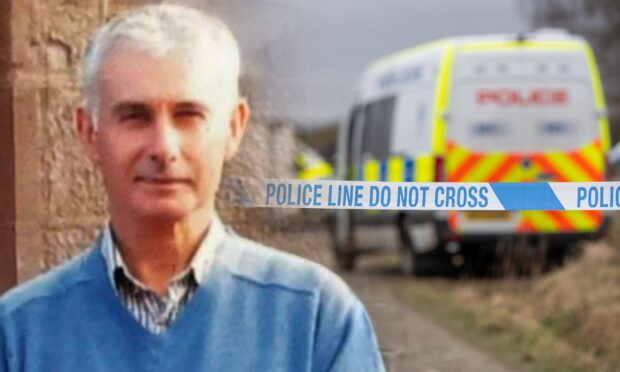
The fact that this homicide (by way of shotgun injuries to the face, neck & chest) was missed upon initial assessment at the death scene underscores the need for a thorough postmortem examination when there is any doubt that a death is entirely innocent.
https://t.co/REHxVSe2GI