All four Canonical Academy SysAdmin exams are now live. Each one is a set of real admin tasks on a live Ubuntu system, done in your browser.
To celebrate the launch, code COMMUNITY10 gives you 10% off any exam until January 10.
Pick your first exam: https://t.co/bXoXMdkMUW
#OpenSource #Linux #Ubuntu #SysAdmin
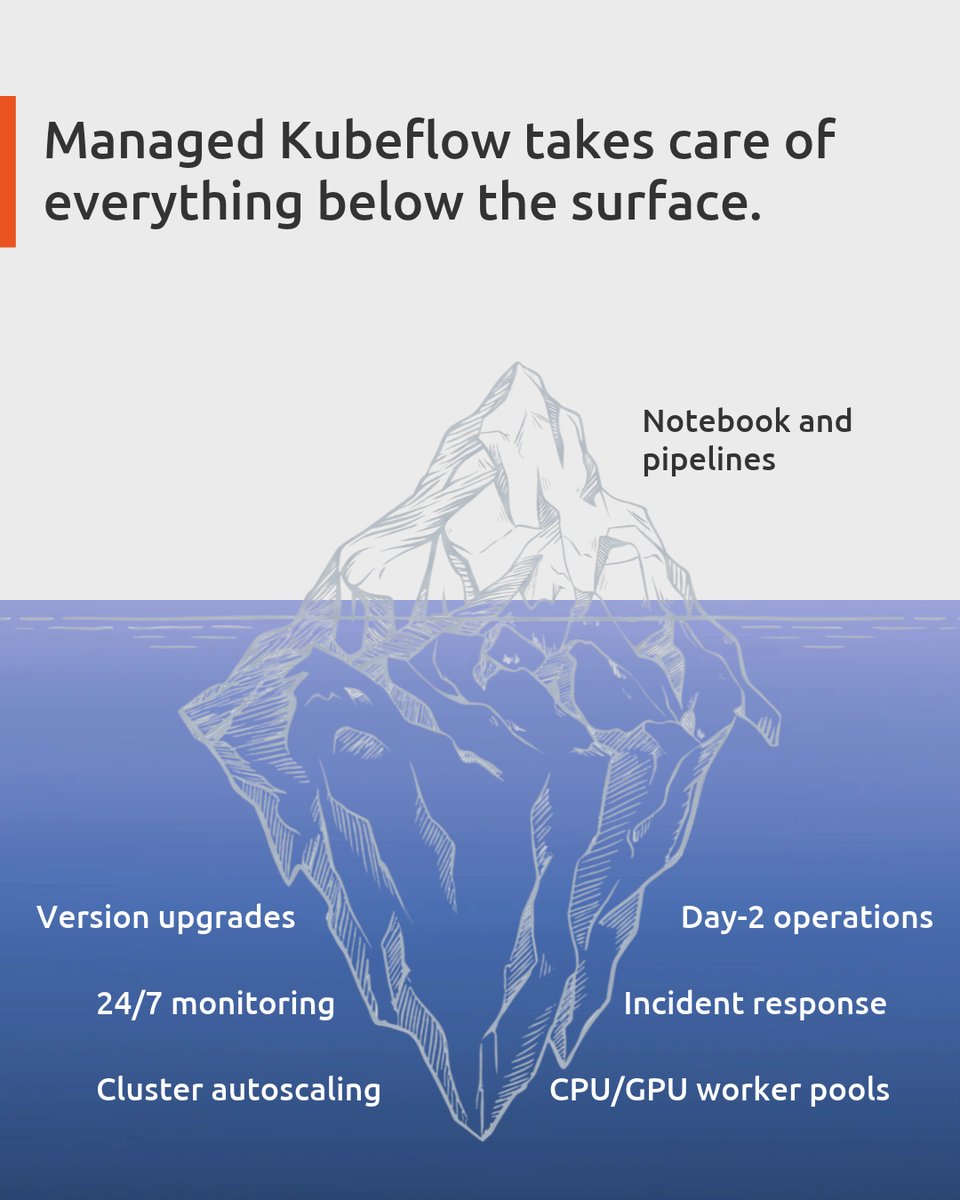
Running Kubeflow yourself means owning a lot more than notebooks and pipelines. You manage autoscaling, CPU and GPU worker pools, identity and access, upgrades, patching, monitoring, certificate rotation, and incident response. That’s a lot of work for teams whose main focus should be building models.
@Canonical Managed Kubeflow on Azure lightens the burden:
🔶 Deploys from the Azure Marketplace in under an hour on Azure Kubernetes Service (AKS), with autoscaling CPU and GPU pools
🔶 Our engineers handle upgrades, patching, monitoring, and incident response 24/7, using auditable open source automations
🔶 Runs inside your own Azure VNet, with Entra ID for single sign-on (SSO) and access control
🔶 Built on upstream Kubeflow, MLflow, and KServe, reducing vendor lock-in
Managed Kubeflow is billed through your Azure account and counts toward your MACC.
Learn more: https://t.co/6Wd3k0EtvR
#Kubeflow #MLOps #Azure
Ubuntu Core 26 images are now available for Amazon Web Services, Microsoft Azure, and Google Cloud.
Ubuntu Core is the immutable variant of Ubuntu. It pairs the robustness of Ubuntu with a modular architecture, letting teams compose tailored systems from strictly-confined packages, called snaps.
Learn how it benefits administrators and developers deploying on the public cloud: https://t.co/jJXSWbodhO
Building FIPS- and STIG-compliant Kubernetes shouldn't mean configuring every component from scratch.
@Canonical Kubernetes brings together long-term security maintenance, 1-step FIPS compliance, and STIG automation to simplify deployments in regulated environments.
In this technical demo, we also show how to build minimal container images with Rockcraft and Chisel, tightening security by reducing unnecessary components.
Discover how Canonical's open source tooling makes cloud-native infrastructure easier to deploy, secure, and maintain.
Enable compliance with an Ubuntu Pro subscription: https://t.co/wJdsW4xS6Z
#Kubernetes #CloudNative #OpenSourceSecurity
A fraud model at a bank and a drug discovery pipeline at a pharma company have little in common. Different data, teams, and regulations.
Yet the challenges are similar: retraining models, tracking experiments, and keeping the underlying platform running.
Kubeflow handles retraining through pipelines, MLflow tracks datasets, hyperparameters, and model versions, while KServe brings models into production.
But managing the platform is a challenge of its own.
That's where @Canonical Managed Kubeflow comes in. It deploys in under an hour within your Azure network, keeping your data and models under your control. Our engineers handle upgrades, patching, and monitoring 24/7. So your team can focus on building models, not maintaining infrastructure.
Learn more about Canonical Managed Kubeflow: https://t.co/6Wd3k0EtvR
Our team is here in San Francisco from November 16-20 for Microsoft Ignite! If you are attending the event, look for us at booth 4414.
Remember to catch us live for the AI in production session hosted by Aaron Whitehouse from 11:05 AM on Wednesday at Moscone.
We have a limited amount of merch so come quick before it runs out!
https://t.co/We5fjVK7bx
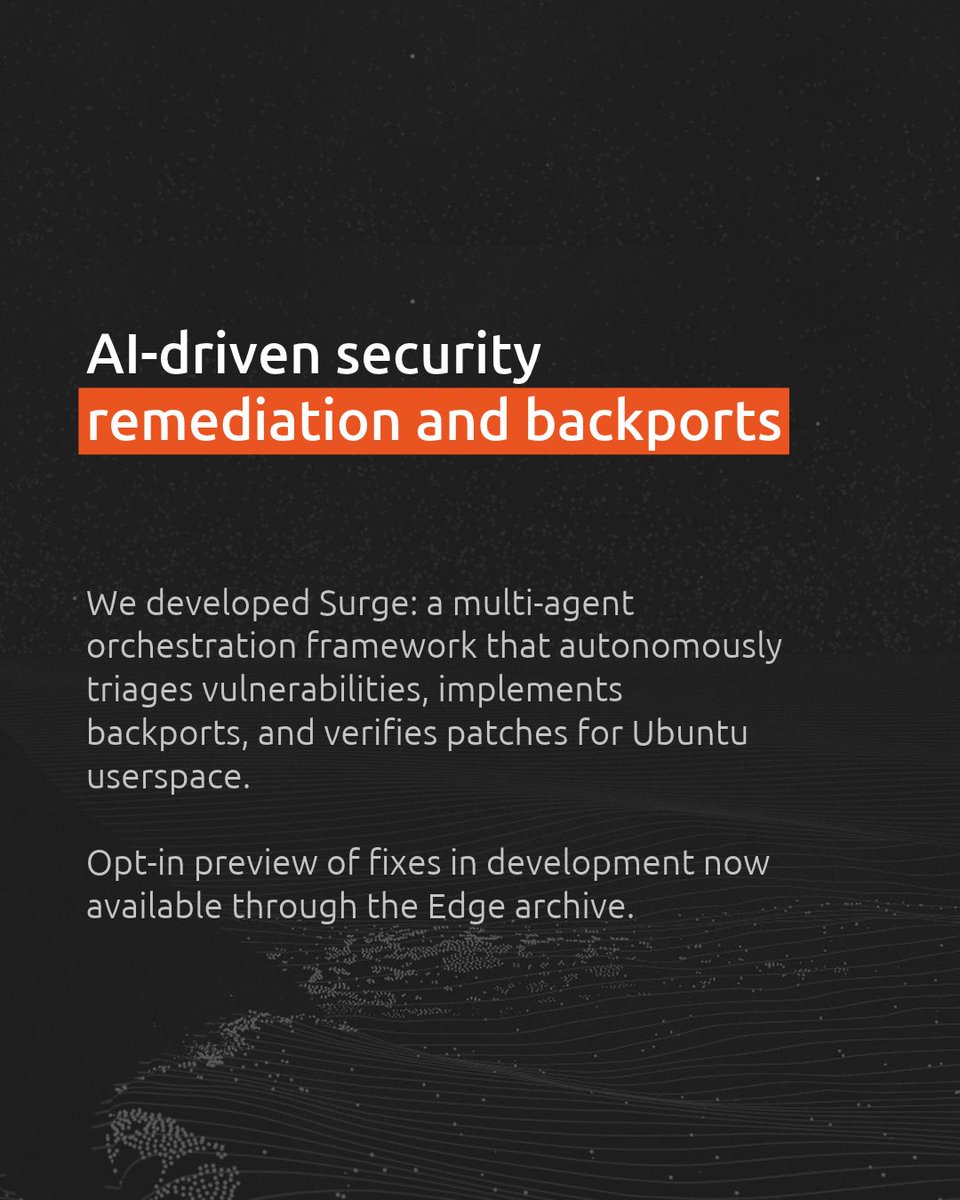
AI discovers vulnerabilities faster than humans can fix them.
At #UbuntuSummit 26.10, @Canonical introduced Surge, a multi-agent framework that accelerates vulnerability remediation and backporting.
With the new Edge archive, Ubuntu Pro users can get early access to faster, AI-driven, patches for testing, while standard security updates remain human-validated.
Swipe through to see how it works 👉
Learn more: https://t.co/slEfluzVsO
#AI #CyberSecurity #OpenSource
Open source security is a team effort. But are enterprise teams aligned?
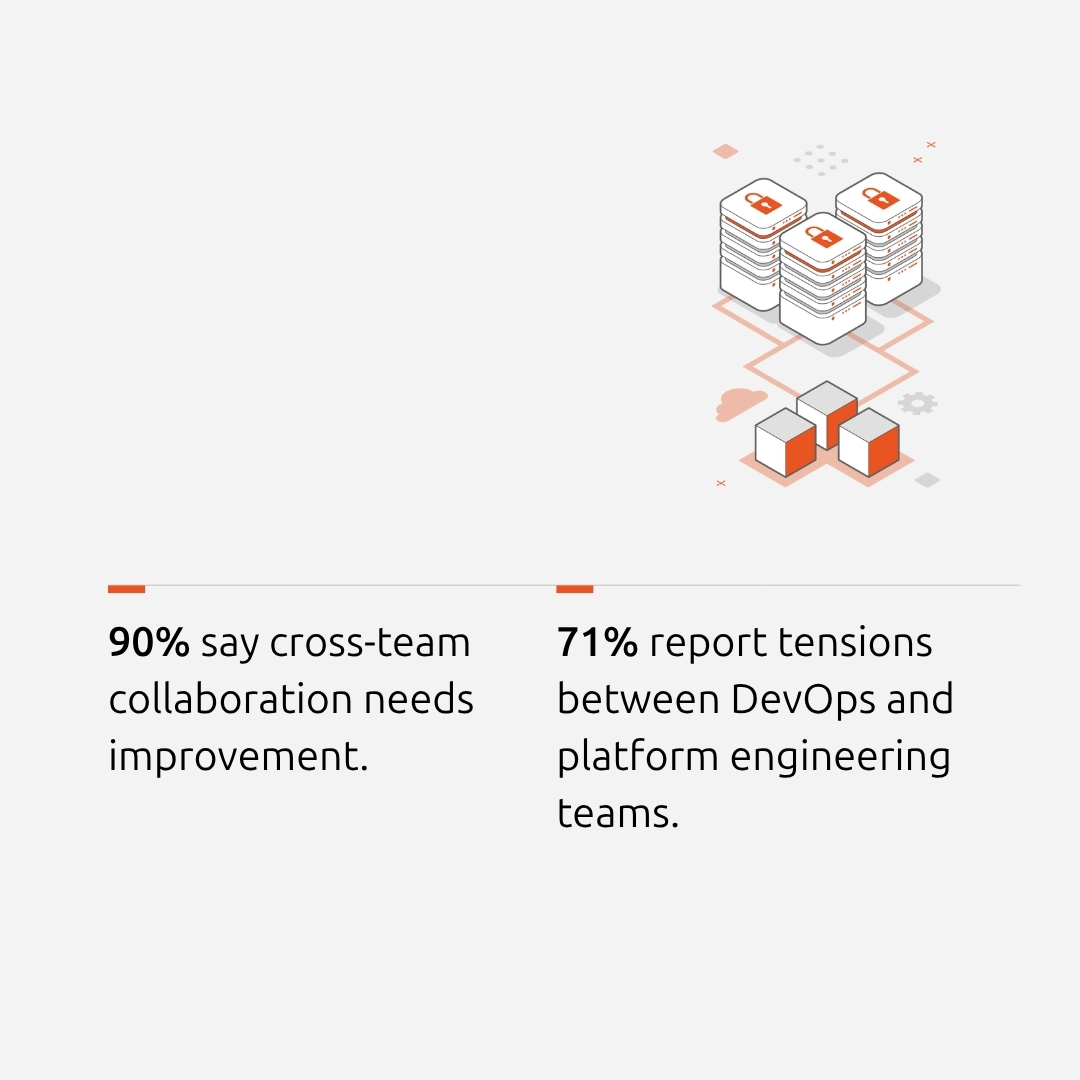
@Canonical's open source chain of trust research found that 90% of organizations agree cross-team collaboration around open source needs improvement. Different priorities, fragmented ownership, and operational complexity make it difficult to address security risks consistently. Building a stronger open source strategy starts with bringing teams together around shared responsibilities and clearer processes.
Explore the findings in the open source chain of trust report: https://t.co/JYPNh5Gg0z
#OpenSource #EnterpriseSecurity #DevOps
When sending software over the air, trust is a strict security requirement.
If a single bit of code is tampered with in transit, your remote hardware could become a gateway for malicious activity. Ensuring device integrity requires an uncompromised verification layer that instantly shuts down unverified code before it ever executes.
Build, secure, and manage devices at scale → https://t.co/MYlAfpxqtC
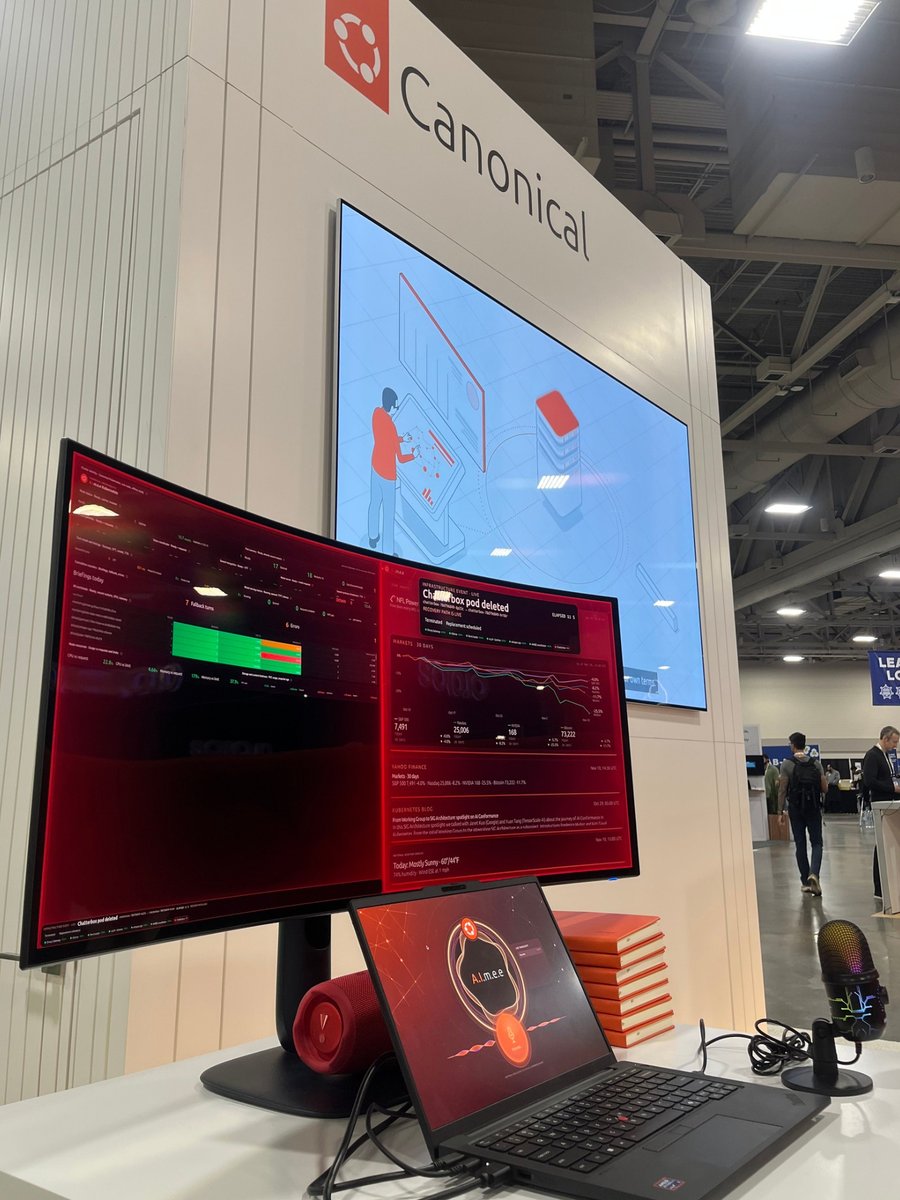
Thank you for visiting our live demo at KubeCon + CloudNativeCon!
While many organizations are debating which LLM to deploy, we focused on addressing the real day-to-day challenge of keeping the system running when things break. Doing this reliably doesn't require a large data center setup.
To demonstrate how this works in practice, we ran a live resilience test at booth #128:
🔶 Serving a live LLM on a standard corporate laptop using vLLM, llm-d, and @Canonical Kubernetes
🔶 Deliberately shutting down a core component mid-demo
🔶 Watching the system detect the failure, self-heal, and resume serving requests uninterrupted - without touching the keyboard
As the demo showed, reliable AI is about more than the model. It’s about the infrastructure and day-two operations supporting it. Canonical brings both together with Kubernetes and an integrated AI serving stack you can run from laptops to data centers.
Ready to bring that same resilience to your own stack? Contact our team to explore our services and how we can work together: https://t.co/5VzayEoqBd
#Kubernetes #LLMOps #AIInfrastructure
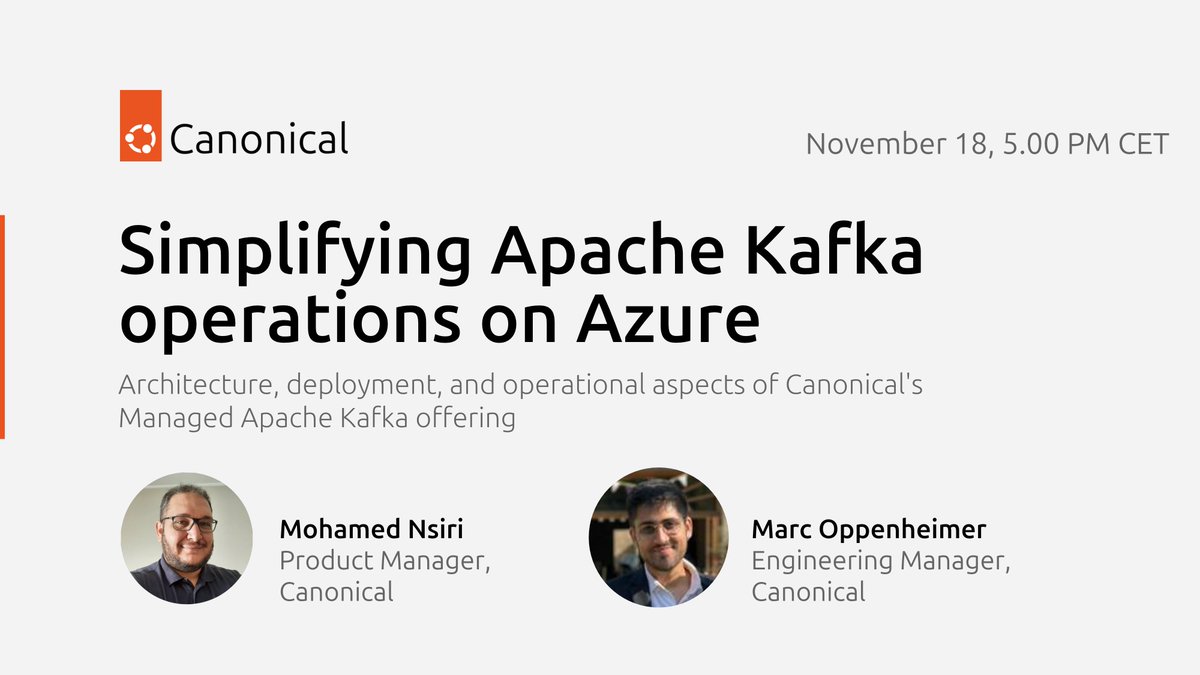
What if you could streamline running Apache Kafka on Azure?
Join our webinar on November 18 to discover how Managed Apache Kafka on Azure can simplify deployment, reduce operational complexity, and keep your streaming infrastructure reliable.
We will cover:
🔶 Straightforward setup: How to launch production-ready Apache Kafka environments directly through the Azure Marketplace
🔶 Enterprise-ready ecosystem: KRaft, Karapace Schema Registry, Kafbat UI, and Kafka Connect integrations with native Azure services
🔶 Managed operations: How 24/7 expert monitoring, proactive incident recovery, and ongoing security maintenance help to ensure reliability and long-term sustainability
Register link: https://t.co/D7dChuacSf
#ManagedServices #CloudComputing
Here’s a roundup of product updates we announced at #UbuntuSummit 26.10!
Missed the livestream for Day 1? Explore the opening session: https://t.co/71nNCQ7ehR
🔴 Up next from #UbuntuSummit 26.10
• Agentic Coding Without the Slop: 700K Lines in 7 Months
• Adrian Sieber
• Nov 13, 04:15 PM GMT
https://t.co/VeUCaUjctl
🔴 Up next from #UbuntuSummit 26.10
• From Open Weights to Reproducible Results: Inside Nvidia’s Nemotron
• Rita Neves
• Nov 13, 03:50 PM GMT
https://t.co/VeUCaUjctl
Welcome to day two of Ubuntu Summit 26.10!
Here’s what we covered:
• 𝐉𝐮𝐬𝐭𝐢𝐧 𝐌𝐢𝐭𝐜𝐡𝐞𝐥𝐥 shared CrossPoint, an open source firmware project for tiny ESP32 e-readers, which grew from 9 downloads to more than 300,000 installs in just a few months
• 𝐀𝐧𝐝𝐫𝐨𝐬 𝐅𝐞𝐧𝐨𝐥𝐥𝐨𝐬𝐚 discussed how to build real-time single-page applications (SPAs) with HTML over WebSockets
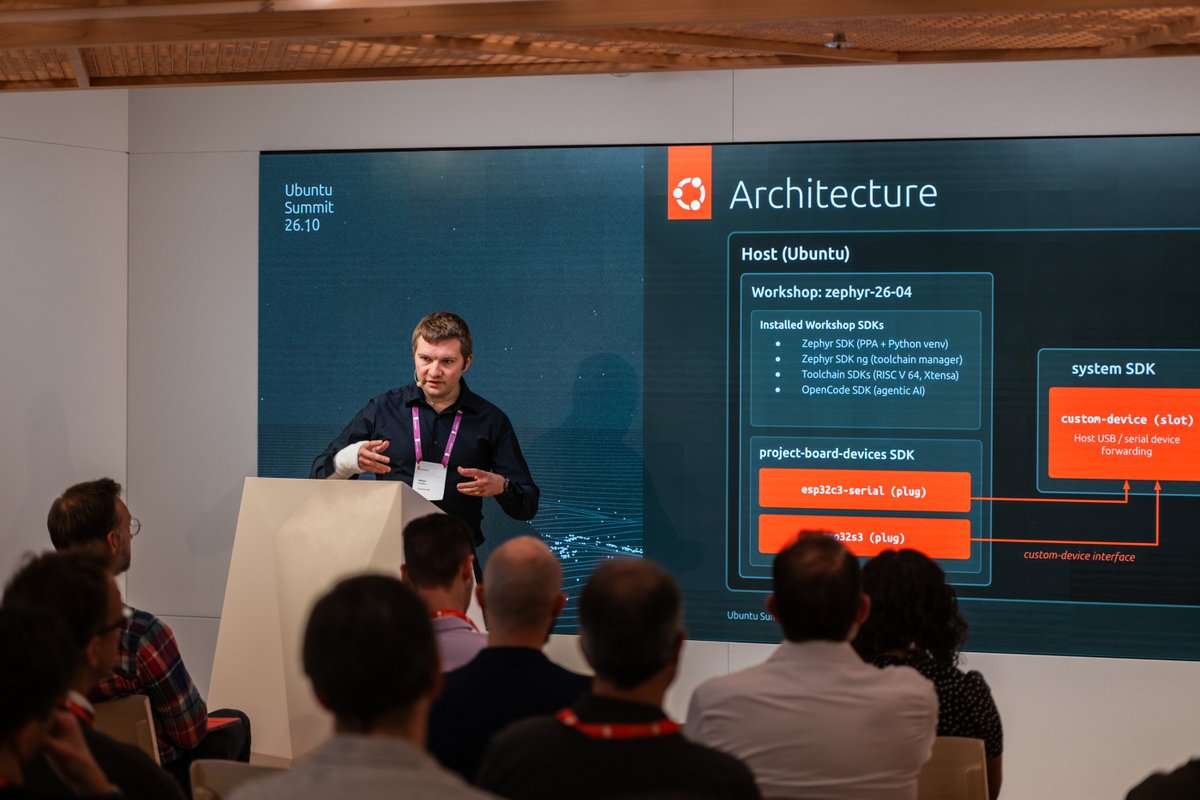
• 𝐕𝐢𝐤𝐭𝐨𝐫 𝐓𝐨𝐥𝐝𝐨𝐯 explained how to use a sandboxed, agent-ready Workshop development environment for Microcontroller Unit (MCU) grade projects
Watch #UbuntuSummit live: https://t.co/y4fzJLfVkK
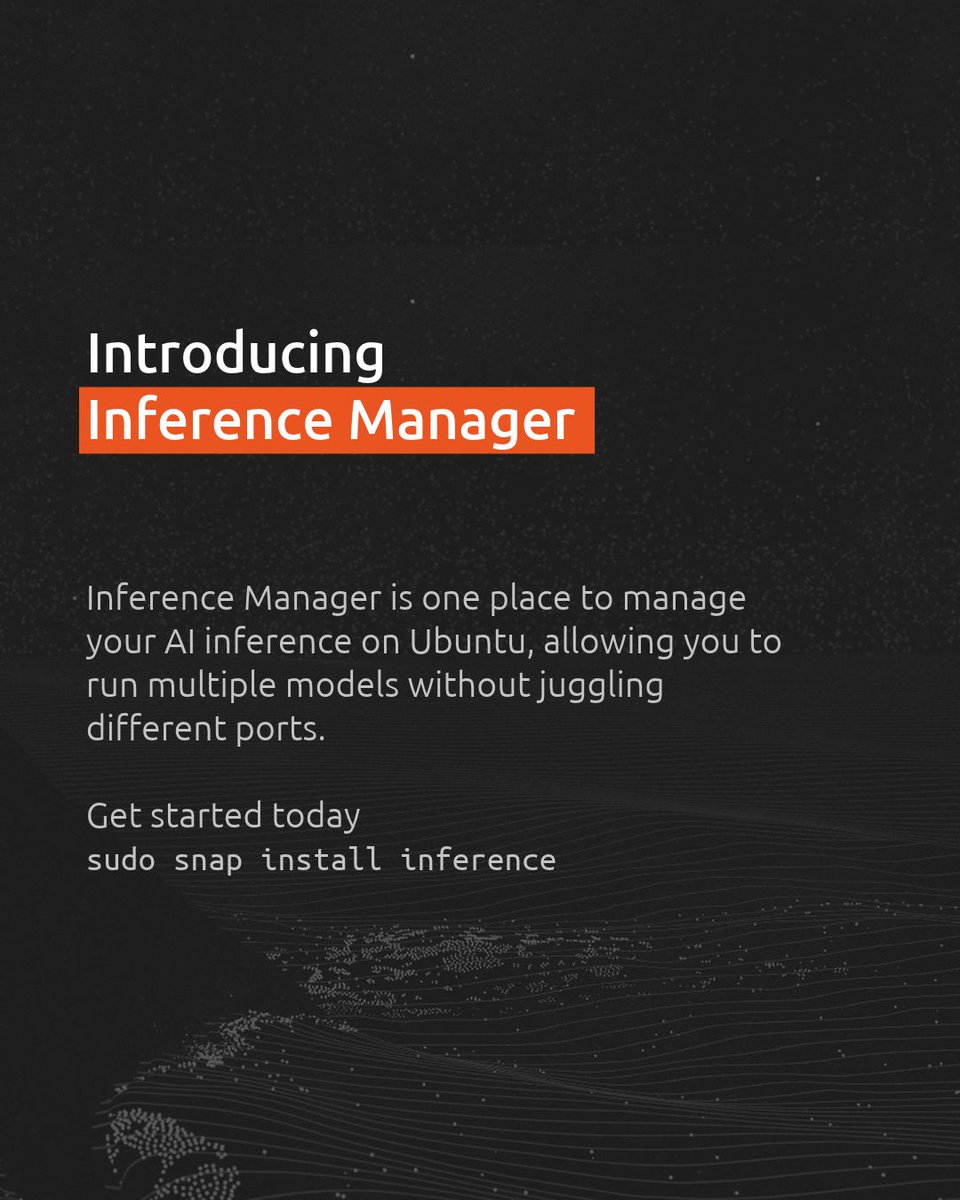
Managing AI models just got simpler. Meet the new Inference Manager.
Inference Snaps have already made it easy to run optimized AI models on Ubuntu, powering innovations like Project Myna. But what happens when you need to discover, install, and run multiple models, each with different configurations and endpoints?
That's where Inference Manager comes in. With a single command, you can get started:
💻 sudo snap install inference
Inference Manager brings everything together:
🔶 Discover and install optimized AI models.
🔶 Run multiple models without juggling different ports.
🔶 Access local and cloud inference through a single endpoint, with support for providers like OpenAI and OpenRouter.
One place to manage your AI inference on Ubuntu, whether you're running models locally or connecting to cloud providers.
Watch Jon Seager introduce Inference Manager at #UbuntuSummit 26.10.
#Ubuntu #Inference #AI
🔴 Up next from #UbuntuSummit 26.10
• Open source is not enough and why you need attestation
• Benny Fuhry, Ijlal Loutfi
• Nov 13, 11:25 AM GMT
https://t.co/VeUCaUjctl