📅 Mark your calendars!
The Space Collectibles Show & Sale returns to the Sands Space History Center on 8 Aug 2026, 9 a.m.-3 p.m. Browse space memorabilia, models, books, artwork, patches, coins, toys, and more from vendors across the region. 🚀 FREE admission!
@ccspacemuseum
@julia_bergeron@MikeSeeley We were lucky enough to have @James_W_Draper as our escort during the Lighthouse tour last summer and we talked about this possibility. After I heard the news my first thoughts went back to that conversation. Hopefully window damage is the worst of the damage.
If you haven’t caught it yet, the May issue of Trajectories is now available from the Cape Canaveral Space Force Museum! Dive into the entire issue here - https://t.co/ex6tET1v7D
@ccspacemuseum
On this day in 1991, my photopolarimeter subsystem (PPS) was turned off due to degraded performance, saving 2.4 W of power.
The PPS was used to measure surface texture and composition, particle size distribution and composition in ring systems, and to study scattering and density of atmospheres.
The PPS was a 15 cm telescope with three polarizing filters as well as eight color filters, followed by a photomultiplier tube to amplify the dim conditions. Voyager 1's photomultiplier tube failed in November 1979 after the Jupiter encounter, and so the V1 PPS was never used again. All other Voyager PPS data therefore comes from Voyager 2.
Forty filter combinations were used in 24 second sequences using 400 ms exposures and 200 ms filter change timings. These filter sequences allowed amounts and states of Na, H, He, Ca, CO, O, Mg, Si, K, and CH3 to be derived, as well as scale heights in atmospheres.
That's us! 🌍
The Artemis II crew captured beautiful, high-resolution images of our home planet during their journey to the Moon. As @Astro_Christina put it: "You guys look great."
A 2.5-second rocket flight that heralded decades of discovery in space!
Today marks 100 years since the first successful test of a liquid-fueled rocket. Robert H. Goddard's achievement would have appeared unimpressive by most measures: His rocket flew just 41 feet in the air, landing in a nearby cabbage patch. Liquid-propelled rocketry has been the backbone of spaceflight ever since.
📷 by Esther Goddard on March 16, 1926 (Clark University Archive)
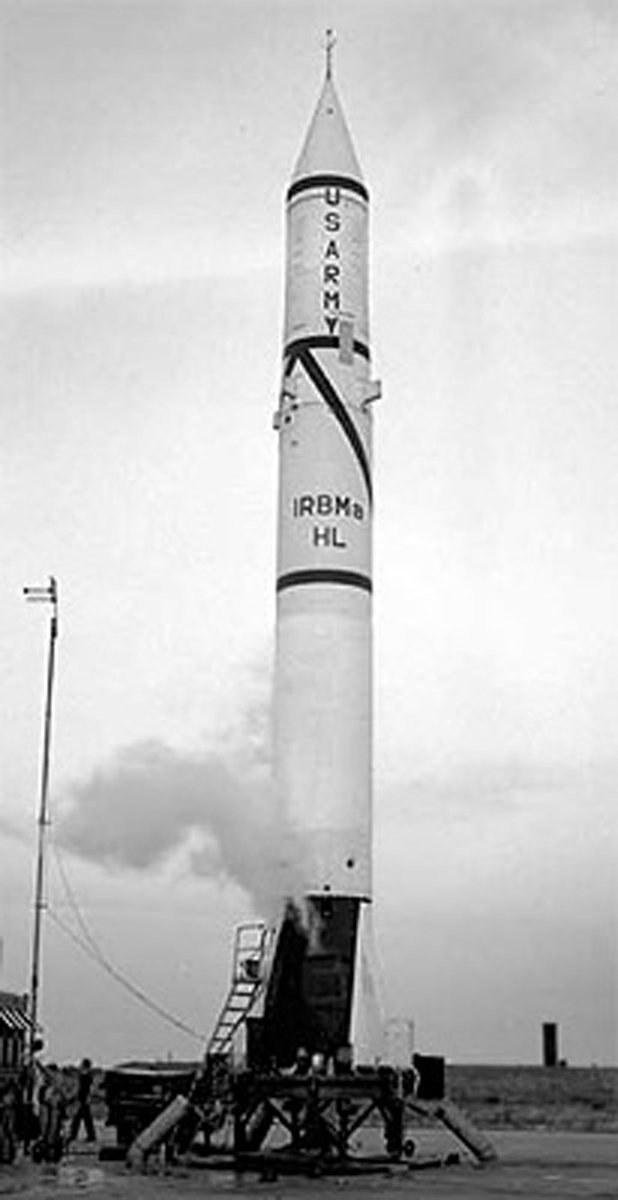
70 years ago today (15 Mar 1956), the first Jupiter-A rocket launched from Pad 6 at LC-5/6 at Cape Canaveral. Built by the ABMA, the modified Redstone tested guidance, reentry, and other tech for the Jupiter IRBM. 25 Jupiter-A launches flew here from 1956–1958. 🚀
@ccspacemuseum
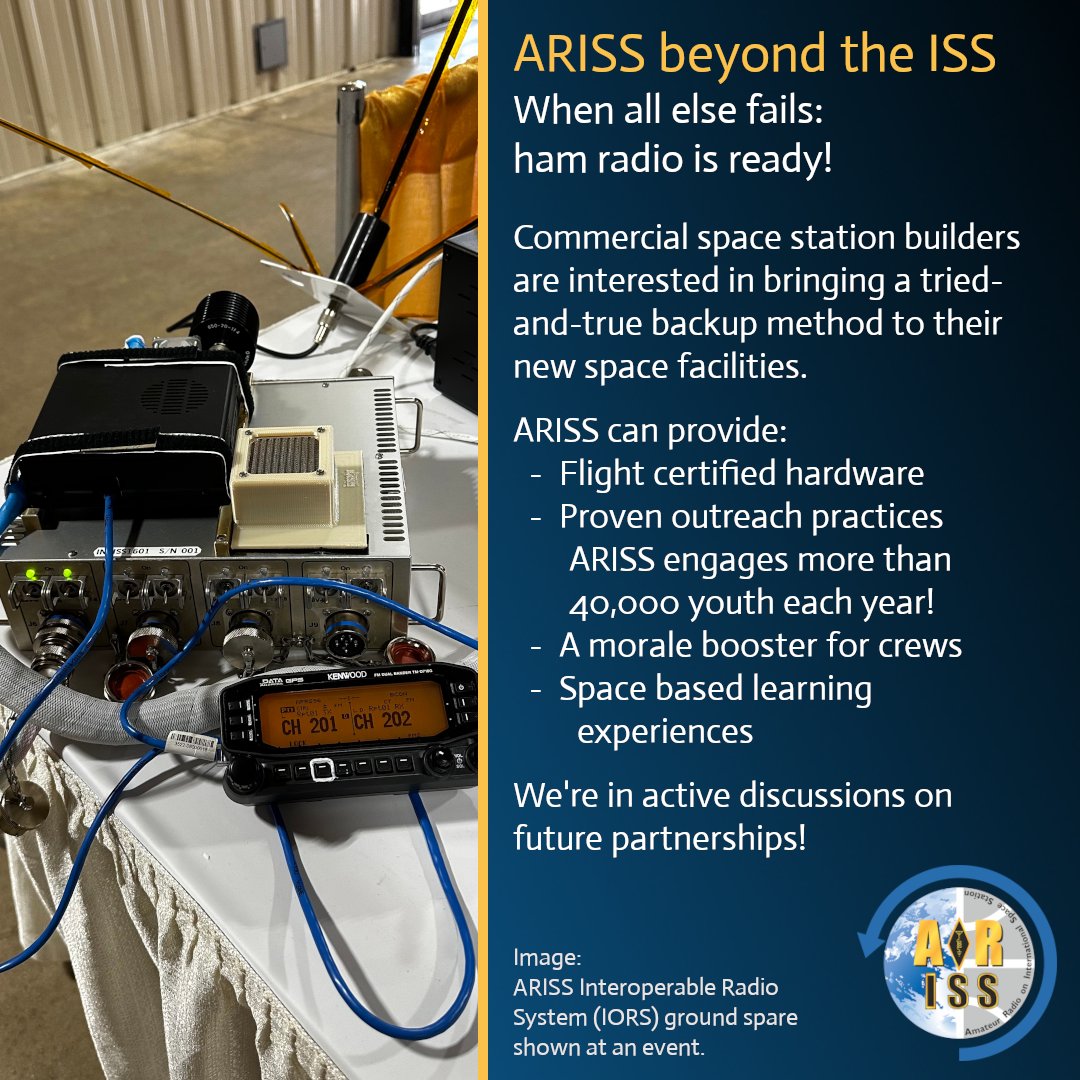
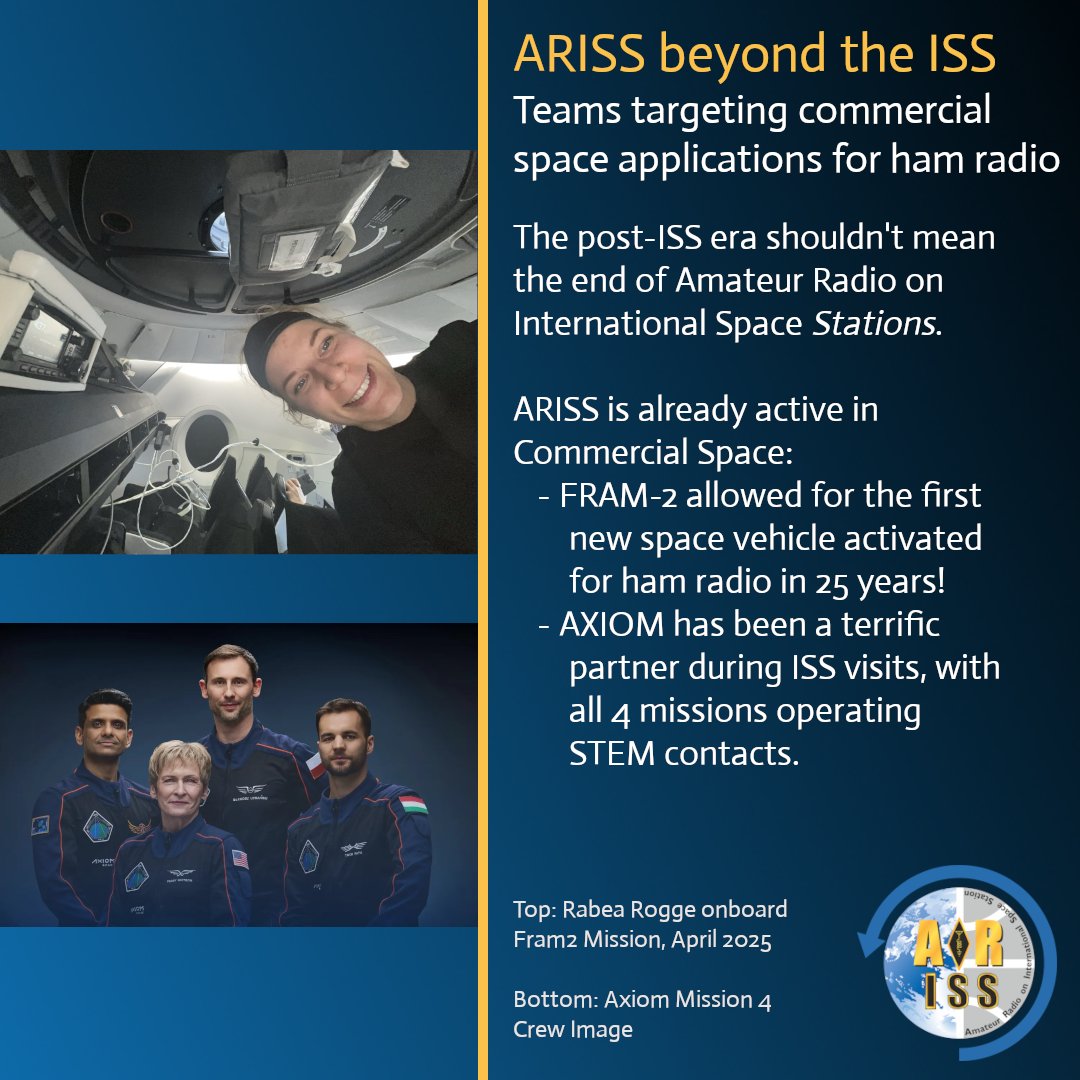
ARISS is plotting a course to continue our mission in the government and commercial space realm beyond the targeted decommissioning of the ISS in the 2030 timeframe.
Read more about our activities in these infographics, and in a blog post at https://t.co/3qWDjq195T.
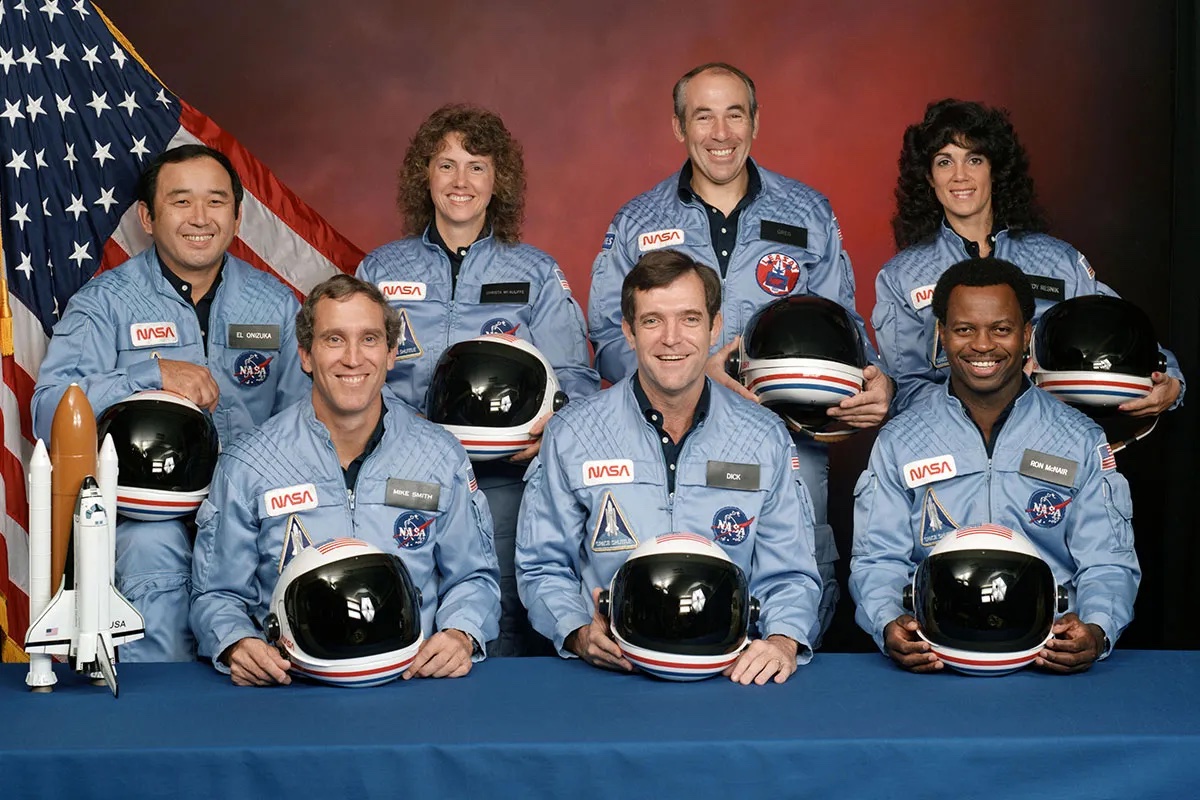
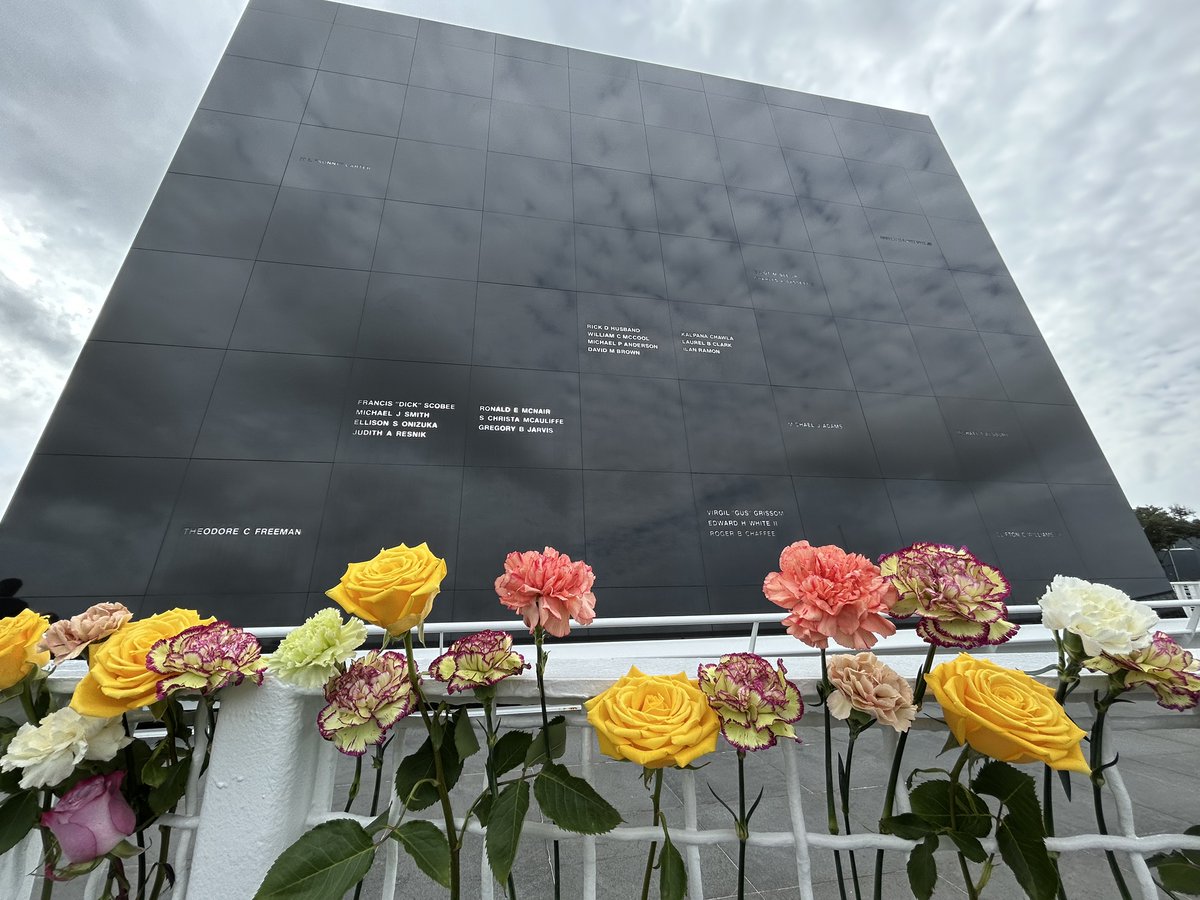
"The crew of the space shuttle Challenger honored us by the manner in which they lived their lives. We will never forget them … as they … 'slipped the surly bonds of earth' to 'touch the face of God.'"
Ronald Reagan spoke these words to the Nation in an address delivered 40 years ago today. That morning a tragic accident took the lives of the seven astronauts aboard Challenger.
#NASARemembers them on this 40th anniversary of the disaster. Their legacy constantly guides our commitment to learning, vigilance, and safety.
Francis R. "Dick" Scobee
Michael J. Smith
Judith A. Resnik
Ronald E. McNair
Ellison S. Onizuka
Gregory B. Jarvis
S. Christa McAuliffe
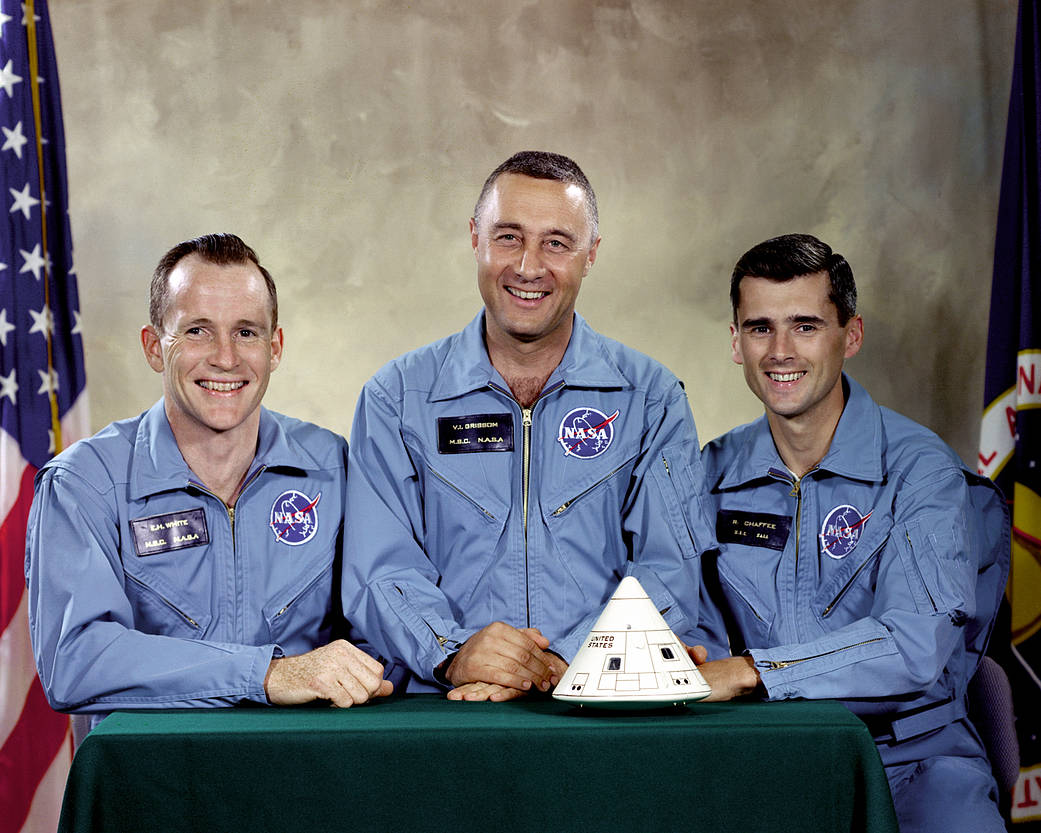
Ed White. Gus Grissom. Roger Chaffee.
Today we honor the Apollo 1 crew, three pioneers whose courage reshaped human spaceflight. Their loss on Jan. 27, 1967, led to safety improvements that strengthened every mission that followed. Their legacy lives on as we push farther toward the Moon, Mars, and beyond.
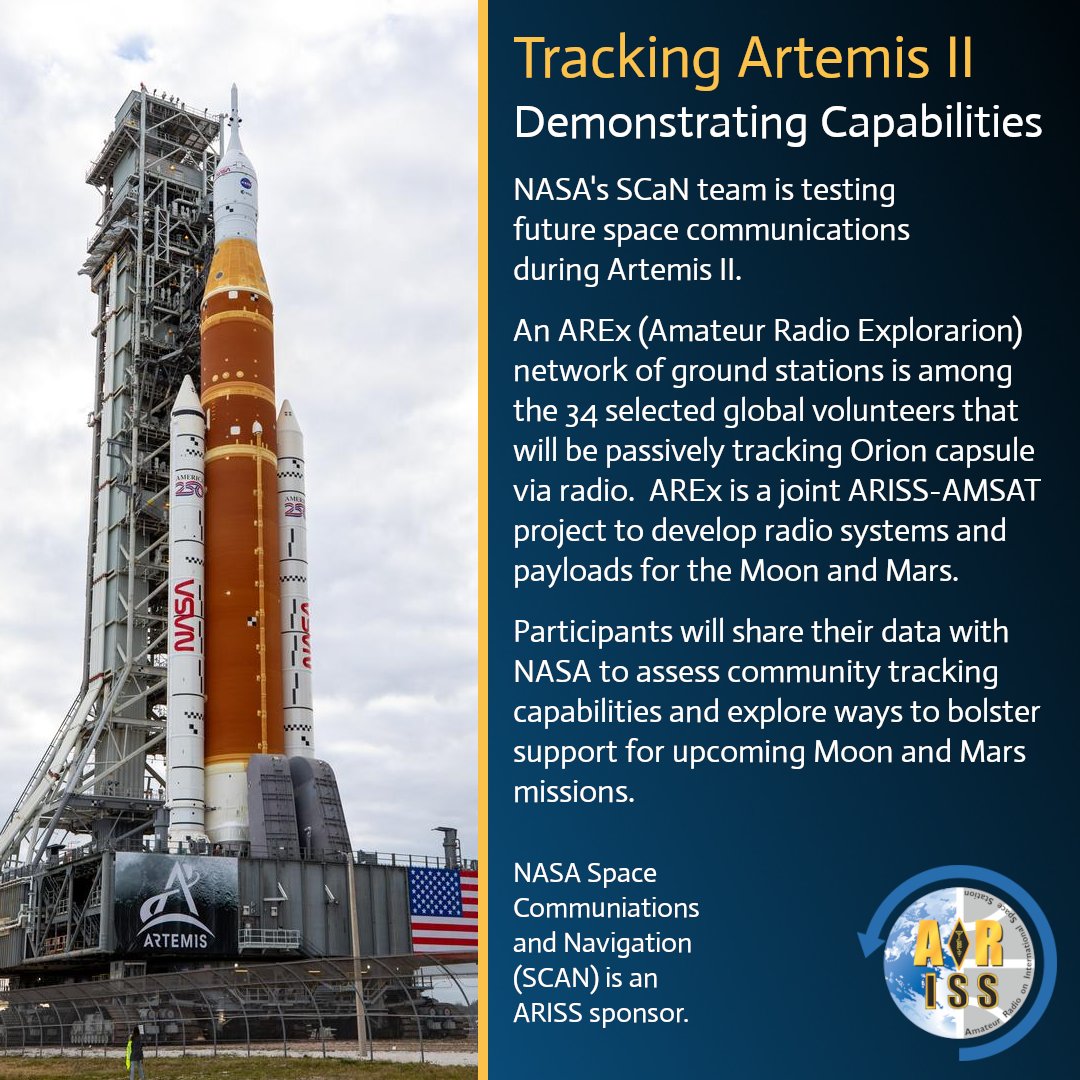
Great news from @NASA_Technology Space Communications and Navigation team about amateur radio participating in the tracking of #ArtemisII.
We're excited to work with @AMSAT on this project!
✅ A piece of fabric from the original Wright flyer
✅ A U.S. flag that flew on the first and final shuttle missions
✅ A negative of a photo that was captured by Ranger 7
All this & more will fly aboard the official flight kit of the Artemis II mission: https://t.co/4m6cLPNT7Z
Today, on NASA's Day of Remembrance, we honor and commemorate the crews of Apollo 1 and space shuttles Challenger and Columbia, as well as other astronauts who lost their lives while furthering the cause of exploration and discovery for the benefit of all.
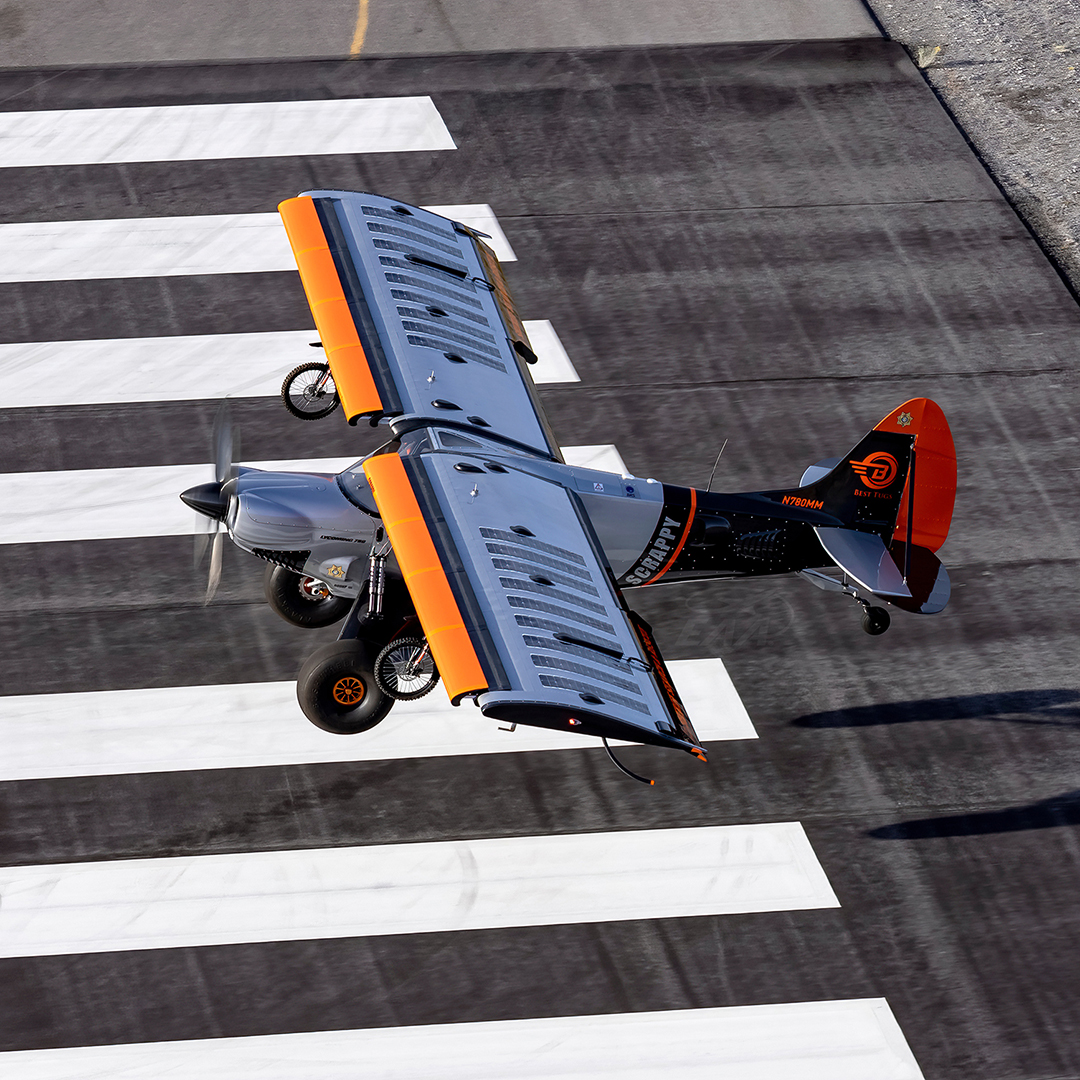
Scrappy is what you get when dreams are big and limits are stretched.
Built by Mike Patey, this aircraft is a Carbon Cub on steroids, with nearly every part custom-made. It gives Mike the performance he needs for the extraordinary adventures he takes it on.
📸 Jim Raeder
#Aviation #Avgeeks #AviationGoals #PilotLife
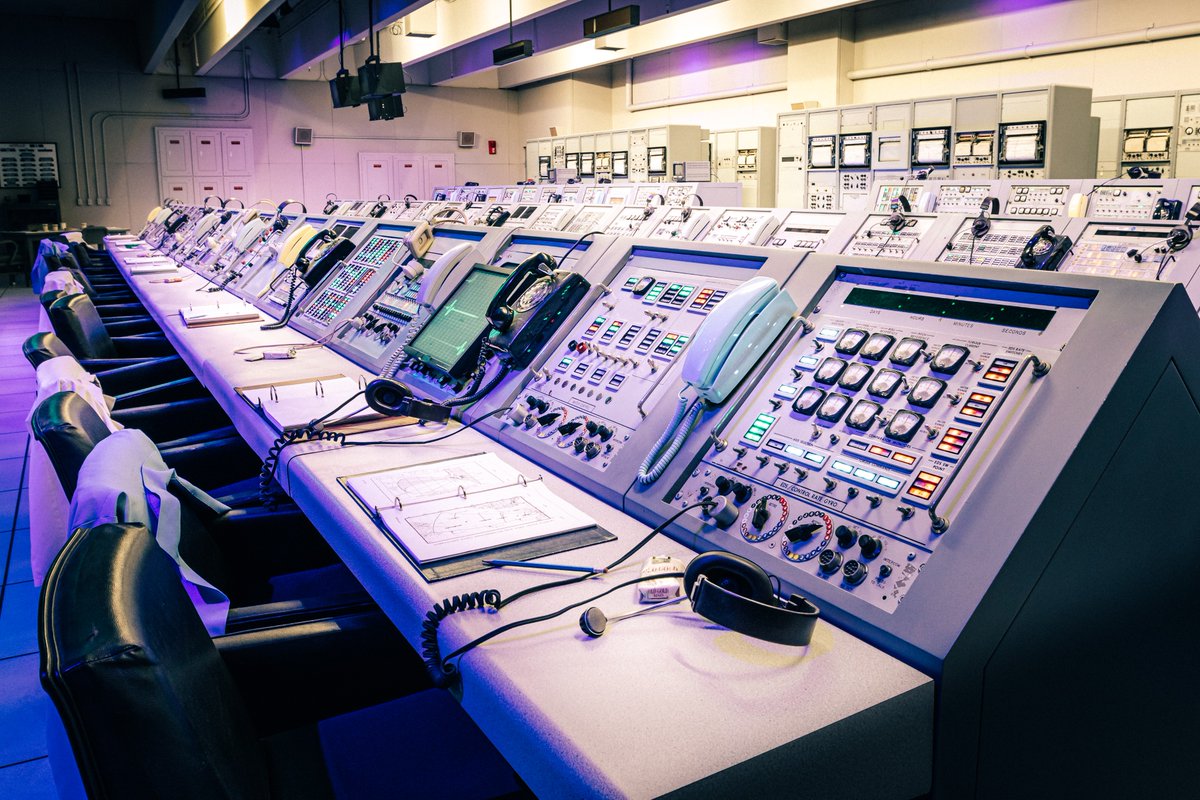
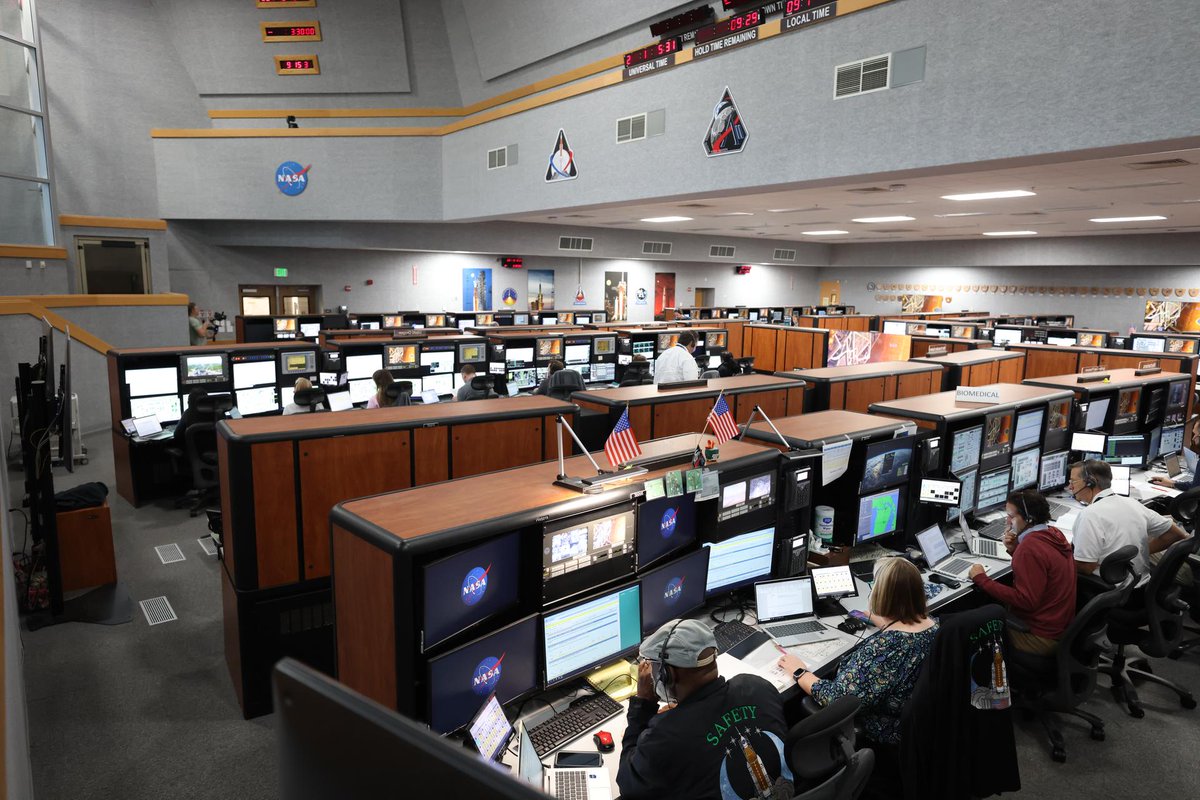
The consoles of Apollo and Artemis showcase the evolution of technology in pursuit of lunar exploration. Relive the Apollo 8 launch and feel the rumble of liftoff at the Apollo/Saturn V Center as the first crewed Saturn V mission blasts into space!
📸:NASA/Glenn Benson
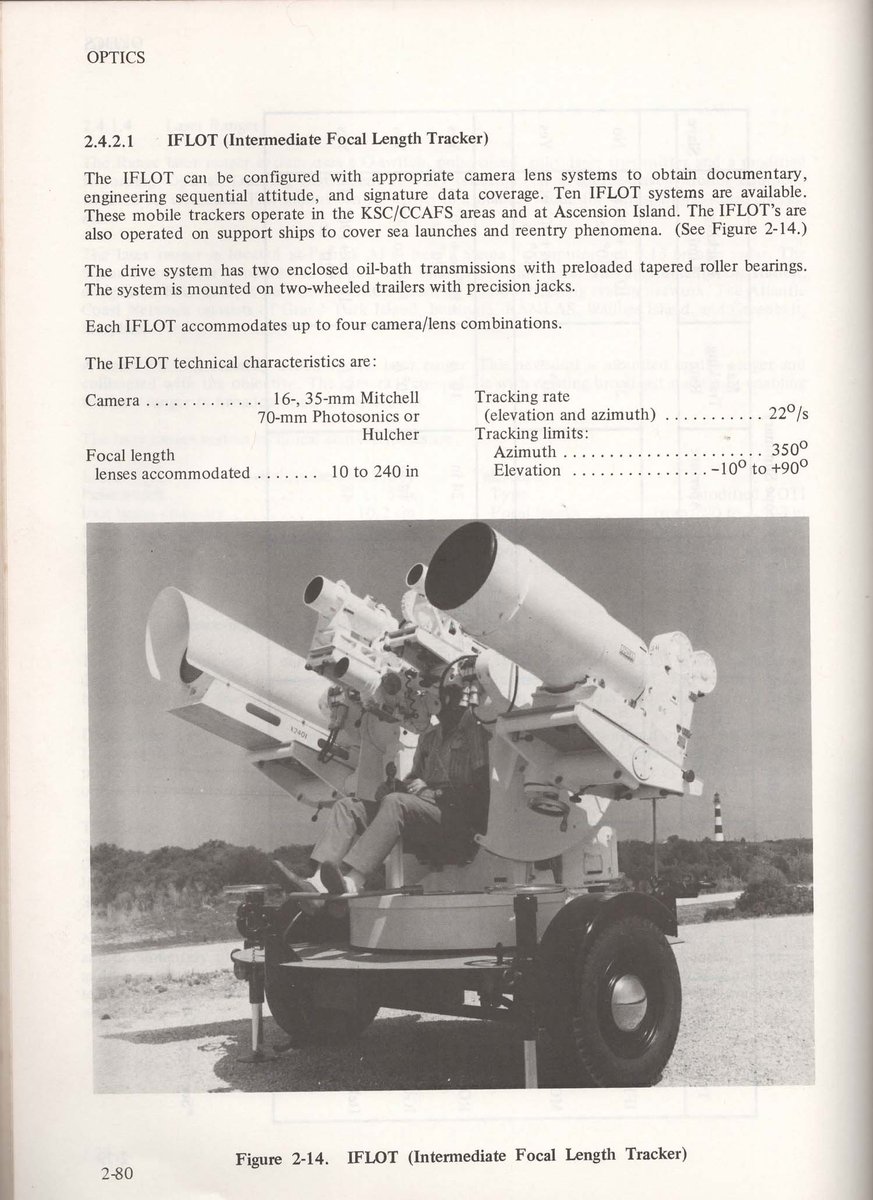
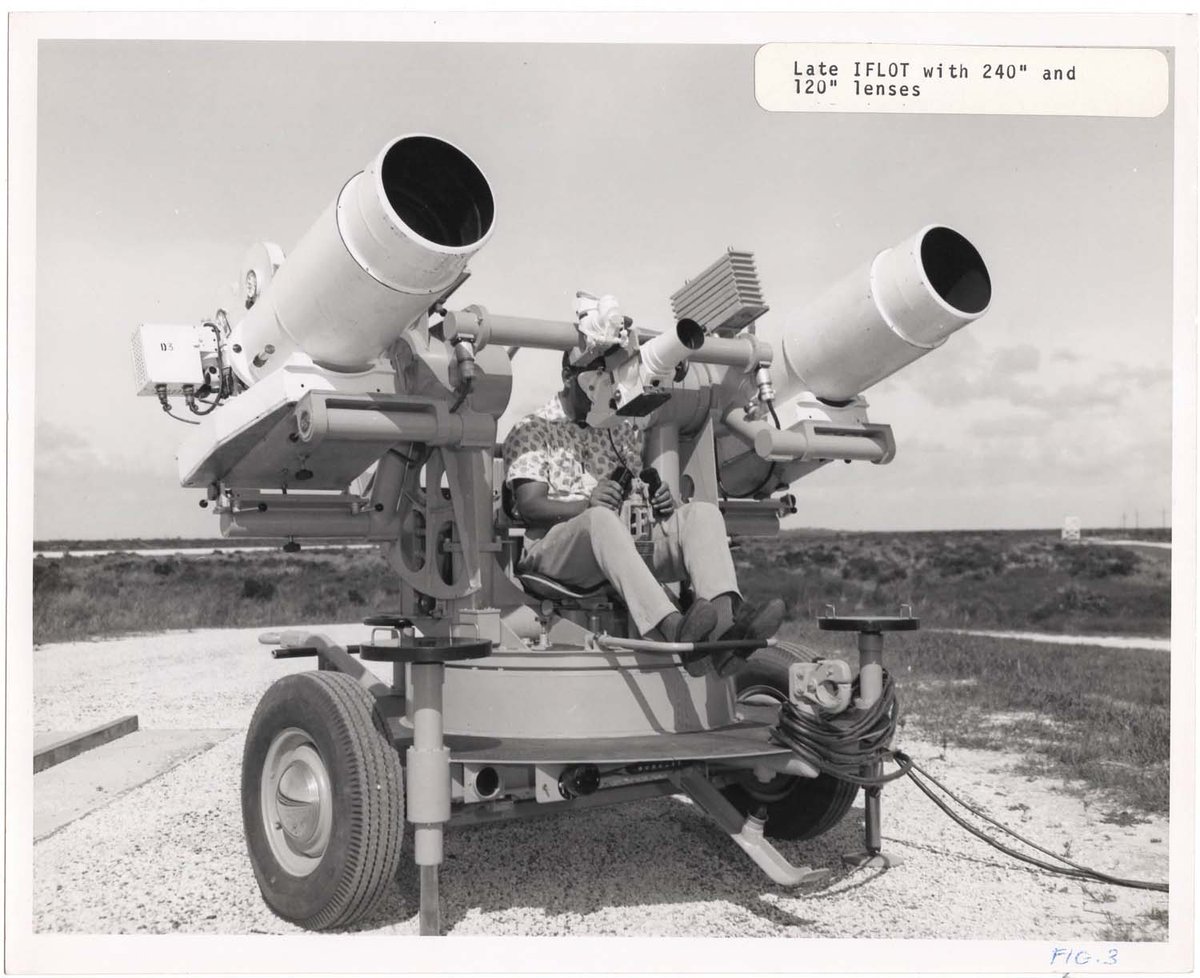
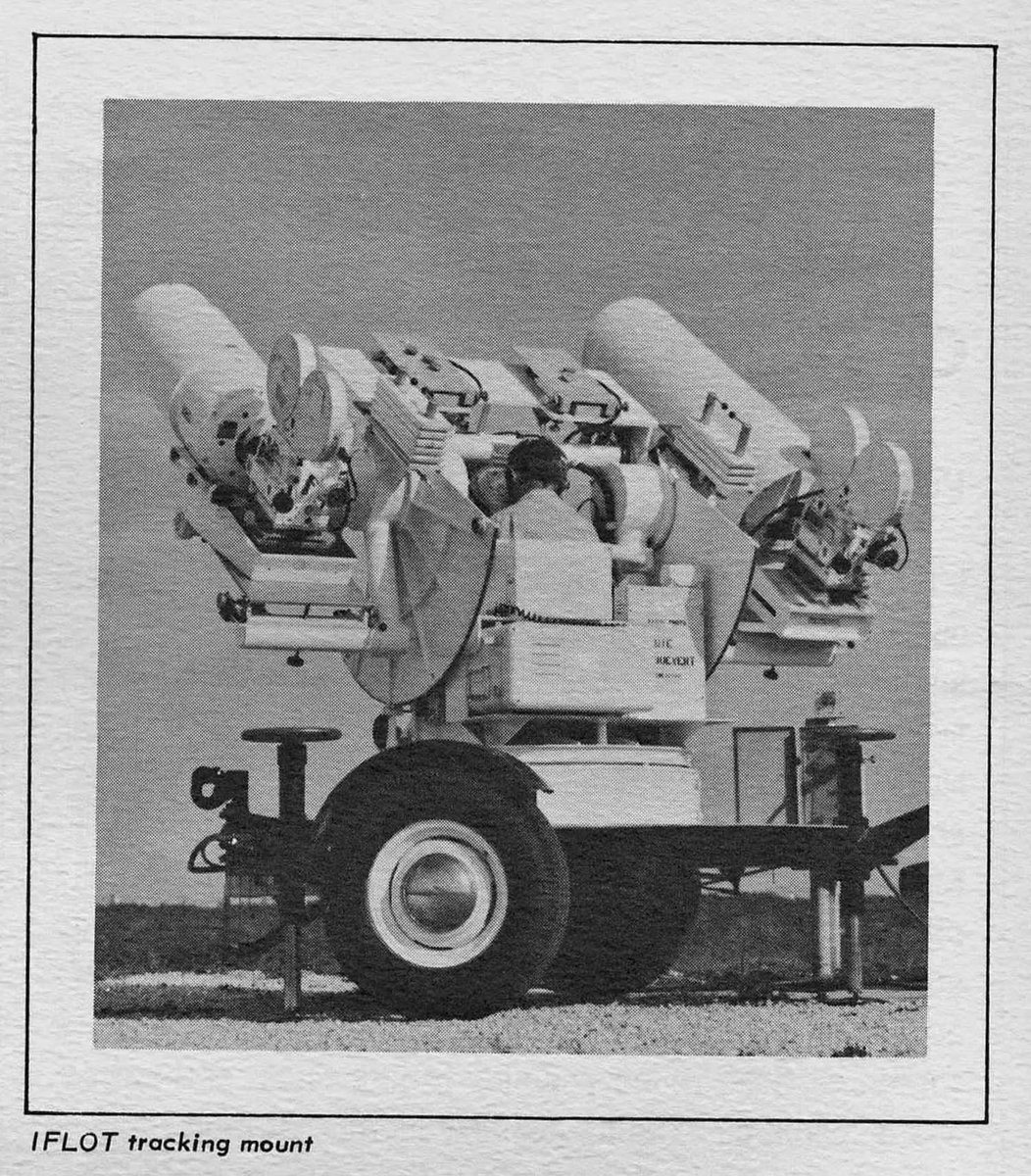
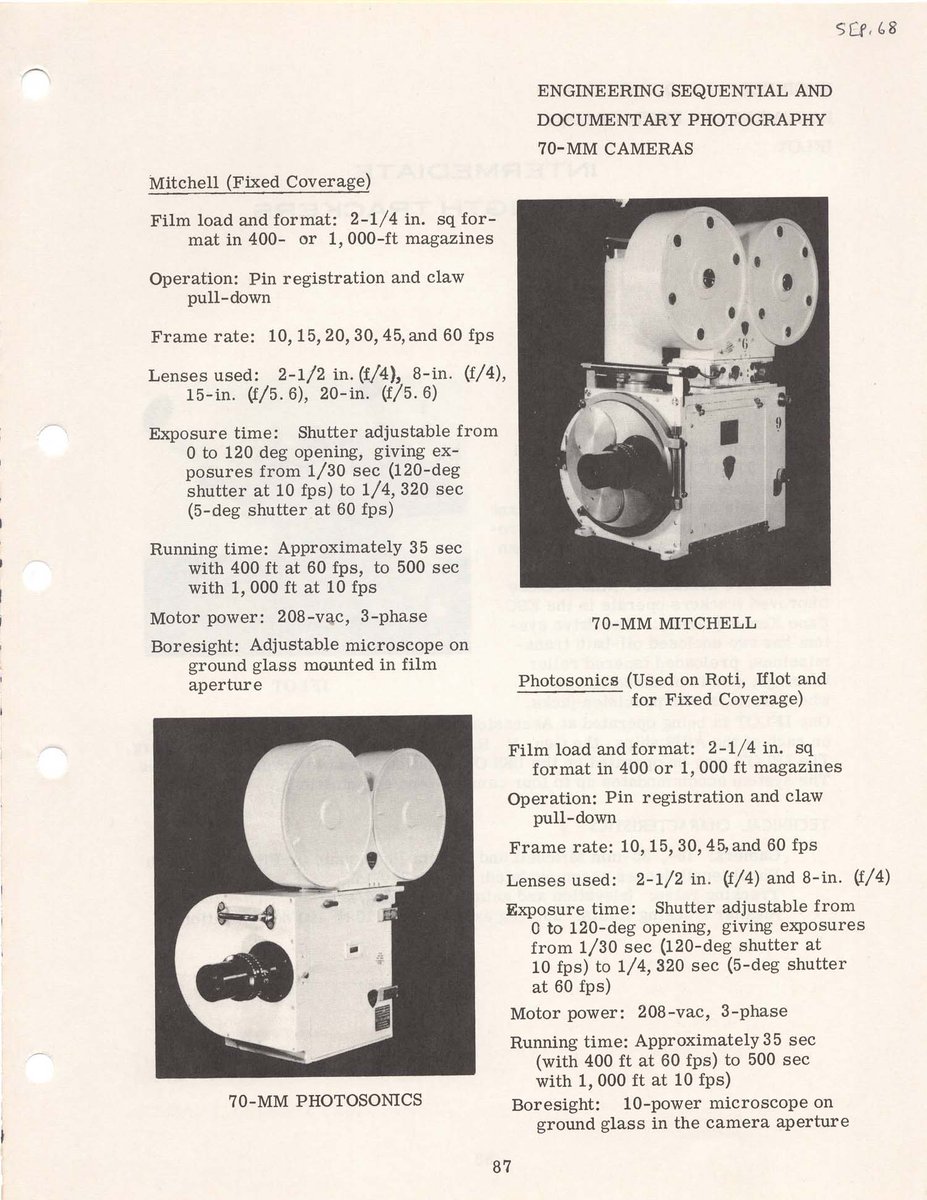
More on our newly acquired IFLOT from our reference collection. Dating to 1965, this optical tracking system supported launches at Cape Canaveral and KSC for decades. It’s a rare reminder that imagery, radar, and telemetry all worked together on launch day.
@ccspacemuseum
Happy National Rubber Ducky Day! 🦆🚀
At the Sands Space History Center, we’ve always got our ducks in a row. Stop by the gift shop for military- and space-themed rubber ducks. Every quack supports the museum!
@ccspacemuseum
From Founding Ideals to the Final Frontier 🇺🇸🚀 In 2026, America turns 250. Our 1776 Campaign explores that legacy through 17 themes celebrating 76 years of launches from Cape Canaveral, linking America’s origins to its spacefaring future. @ccspacemuseum