📺 Carbon Today TV can boost the carbon credits economy by raising awareness, educating stakeholders, and promoting best practices. Empowering communities with knowledge to drive sustainable actions and investments! 🌍💡 #CarbonCredits#Sustainability#CarbonTodayTV#Green
Assessing the Carbon Footprint of Singapore's Hainanese Chicken Rice in the Era of Carbon Taxation
In the heart of Singapore's vibrant culinary scene lies a dish that epitomizes the essence of local cuisine: Hainanese Chicken Rice. This delectable ensemble of poached chicken and seasoned rice has not only captivated the palates of locals and tourists alike but has also entered the discourse on sustainability and environmental impact. With Singapore's progressive adoption of a carbon tax, currently set at S$5.00 per ton of CO2 emissions, understanding the carbon footprint of this iconic dish becomes not only a matter of environmental responsibility but also of economic implications for both consumers and businesses.
The Carbon Footprint of Hainanese Chicken Rice
The carbon footprint of a single serving of Hainanese Chicken Rice encompasses various stages of its production, from farm to table. This includes the emissions associated with rearing the chicken, cultivating the rice, and the energy consumed during cooking. Preliminary estimates suggest that the carbon footprint of a standard serving of Hainanese Chicken Rice could range from 2 to 4 kg of CO2 equivalent, factoring in the methane emissions from rice paddies, energy usage in cooking, and the lifecycle emissions of poultry.
Impact of Carbon Tax on Hainanese Chicken Rice
With the implementation of the carbon tax at S$5.00 per ton, the direct financial impact on the cost of a single serving of Hainanese Chicken Rice might seem minimal at first glance. For instance, a 3 kg CO2 footprint per serving would incur an additional cost of merely S$0.015 in carbon taxes. However, this narrow view overlooks the broader economic ripple effects. The tax influences upstream costs, including energy prices and supply chain expenses, which could, in turn, elevate the base cost of ingredients and operations for hawkers and restaurants.
Carbon Credits: A Path to Sustainability
To offset the carbon footprint of Hainanese Chicken Rice, businesses and consumers can invest in carbon credits, which represent a ton of CO2 emissions reduced or removed from the atmosphere. The cost of carbon credits varies widely depending on the market and the project it supports, ranging from a few dollars to over twenty dollars per ton. Assuming an affordable rate of S$5 per credit, offsetting a single serving would be economically feasible, costing just a fraction of the dish's retail price.
However, the real value lies not in the cost but in the contribution to a sustainable future. By investing in carbon credits, food establishments and patrons can support reforestation projects, renewable energy initiatives, or community-based sustainability programs, aligning with Singapore's vision of a greener, more resilient economy.
The Way Forward
As Singapore continues to fortify its stance on environmental stewardship with policies like the carbon tax, the culinary industry stands at a crossroads. The need to balance tradition with sustainability prompts a reevaluation of food production and consumption practices. For Hainanese Chicken Rice, this could mean exploring more sustainable farming techniques, energy-efficient cooking methods, or even innovative plant-based alternatives that mimic the dish's beloved flavors.
In conclusion, the integration of carbon tax and carbon credits into the economics of Hainanese Chicken Rice not only underscores the environmental cost of our culinary choices but also offers a pathway to mitigating these impacts. As we savor the rich flavors of this Singaporean staple, let us also embrace the opportunity to contribute to a healthier planet, one plate at a time.
#Carbonoffset #CarbonCredits #ChickenRice
Jokes on Carbon Credits:
Why did the carbon credit go to therapy?
Because it had too many emissions issues!
What did one carbon credit say to the other?
"Don't be so negative, let's reduce our carbon footprint together!"
How do carbon credits pay for their vacations?
With eco-friendly cash, of course!
Why did the carbon credit refuse to enter a car?
It wanted to stay carbon-neutral and avoid any gas!
What's a carbon credit's favorite kind of party?
A carbon offsetting party, where emissions are left at the door!
Why did the carbon credit become a motivational speaker?
It wanted to inspire others to reduce their carbon emissions!
What's a carbon credit's favorite song?
"Carbon in the Wind" by Kansas, of course!
How do carbon credits keep their cool during a heatwave?
They invest in renewable energy!
Why did the carbon credit apply for a job in finance?
It wanted to make sure carbon offsetting had a positive ROI (Return on Investment)!
What's a carbon credit's favorite movie?
"The Carbon Redemption" – a tale of reducing emissions and saving the planet!
#Jokes #CarbonCredits
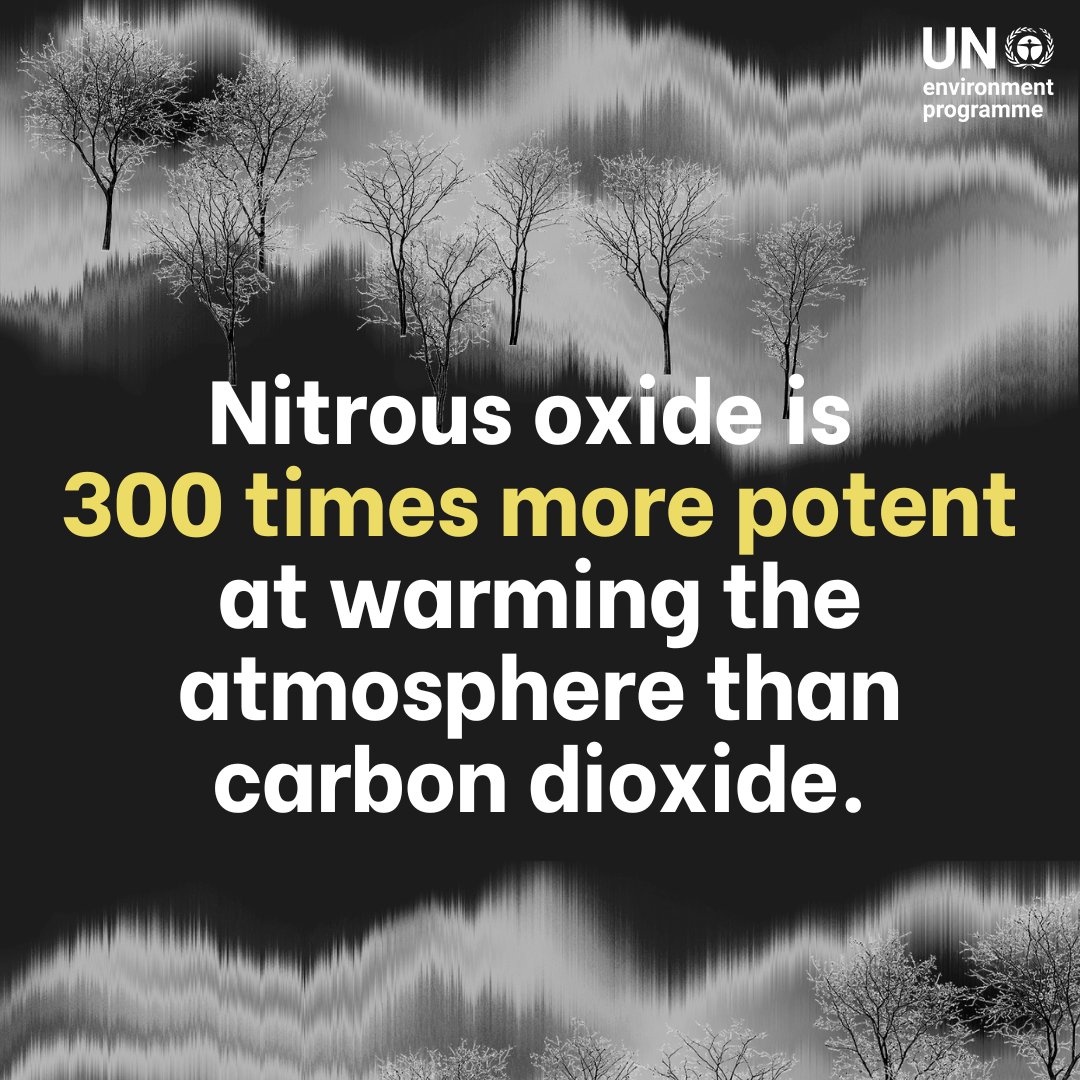
When addressing the climate crisis, the focus often centers on carbon dioxide emissions and methane. Yet nitrous oxide is 300 times more potent & remains active in the atmosphere for more than 100 years. Urgent action is needed to #BeatNitrogenPollution: https://t.co/8Ni2siIsD7
🚫No bees 🐝🐝🐝
⬇️
🚫No pollination 🌻
⬇️
🚫No plants 🌱
⬇️
🚫No food 🍎
⬇️
🚫No life Earth 🌍
We can all do something to #BeeEngaged & protect our bees!
#HoneyBeeDay
Mangroves are ecosystems that protect us from climate change, preserve biodiversity, support livelihoods & more.
For the first time, @FAO & experts have mapped the current state of mangrove forests & how they have changed over time.
More👉 https://t.co/zoZYQSlfSd
#MangroveDay
Living sustainably isn't about sacrificing, it's about finding creative solutions that benefit both us and the environment. Embrace innovation, reduce waste, conserve energy, and inspire others to join the movement. Together, we can create a greener futur…https://t.co/oRM5NZU6Mt