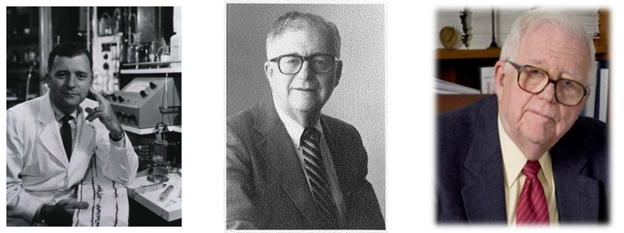
We are deeply saddened to have lost our founding chairman and the father of modern academic cardiology, Dr. Eugene Braunwald, who founded the TIMI Study Group in 1984, and with that vision profoundly shaped the practice of cardiovascular medicine across the world.
The last paragraph of this editorial is the first thing we teach our interventional fellows.
“In general, the benefit from any percutaneous intervention in cardiology is often the greatest with regard to the most acute or life-threatening problem the patient is facing. In contrast, in clinical situations in which the patient’s life is not directly at risk and the symptoms are controllable by medical treatment, conservative management should always be considered to be an equally effective alternative.”
https://t.co/9GkLLI0XT8
#echofirst shows an ADVANCED HEMODYNAMIC CALCULATIONS
🧮 🧮 🧮 🧮 🧮 🧮 🧮 🧮 🧮 🧮
How to calculate an UNKNOWN intracardiac pressure from KNOWN pressure gradient by TEE
🔘 IMPORTANT 🔘
🔻good 2D image quality
🔻parallel Doppler alignment
🔻use CW Doppler
#CardioTwitter
A unique location of the accessory pathway in a child with permanent junctional reciprocating tachycardia (Vijay, Raghav, Bharath and Nitish Nayak) Pacing and Clinical Electrophysiology - Wiley Online Library https://t.co/ePCM1P6fgZ
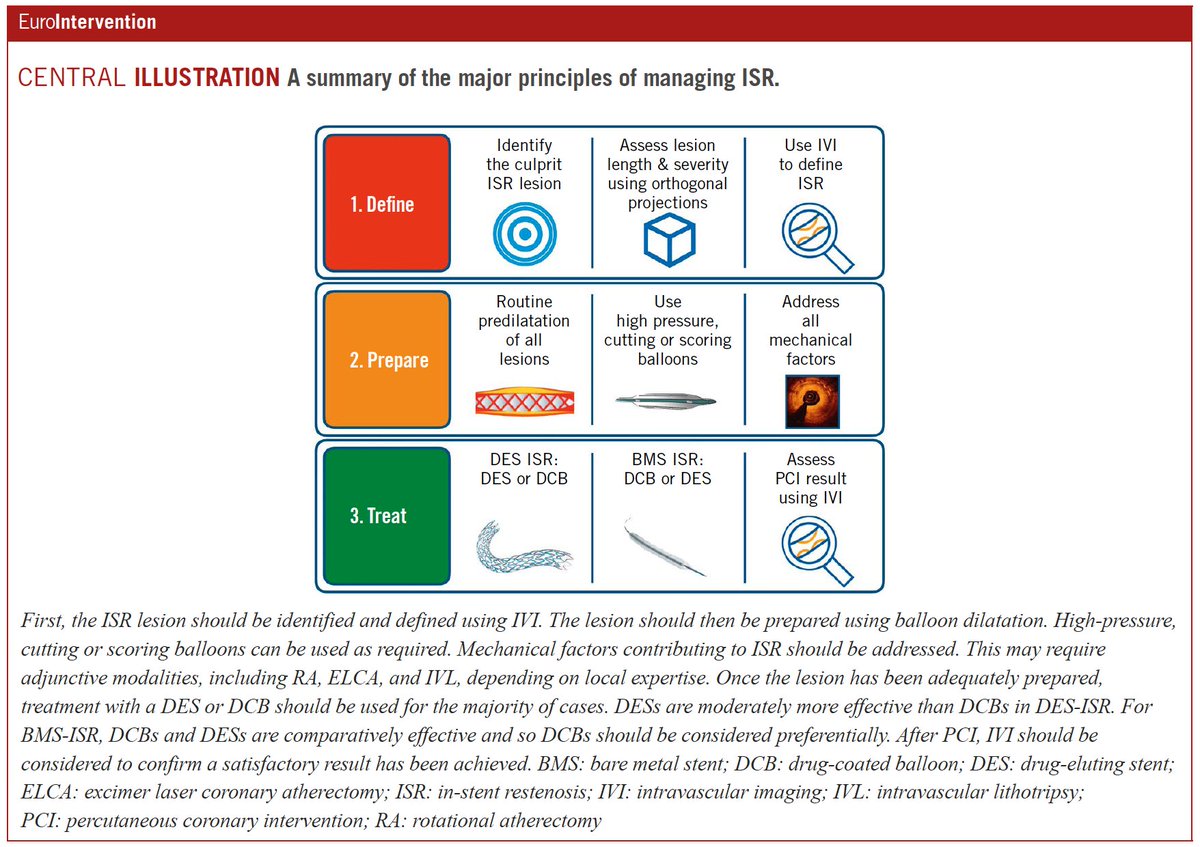
MANAGEMENT OF IN-STENT RESTENOSIS: this State-of-the-Art review comprehensively discusses current evidence-based strategies for the management of ISR in contemporary interventional practice. #EIJBestOf#EAPCI@robebyrne#Cardiotwitter https://t.co/lu7hN0ssgS
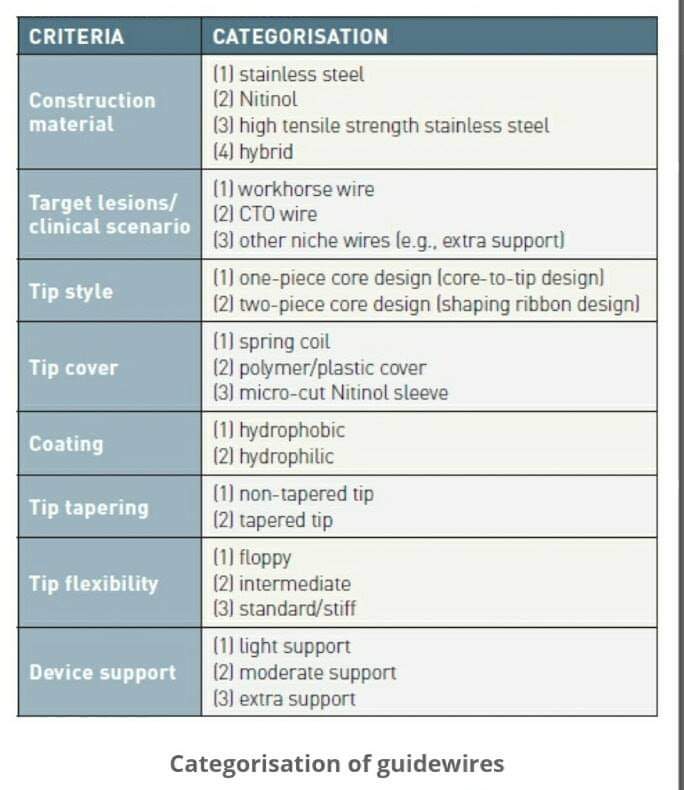
#Classification of Guidewires
( very important Topic)
..........................
Guidewires have different properties ,it is classified on different parameters but most practical classification is ""Based on Lesion -Type Classification.
@PCRonline@TCTMD@mmamas1973@Hragy
Interesting paper in. In patients with cardiogenic shock after #AMI and cardiac arrest, targeting a higher MAP (80-100) lead to a smaller size infarcts. More work is needed but this could be a practice changing!
https://t.co/mZ31s4qNR5