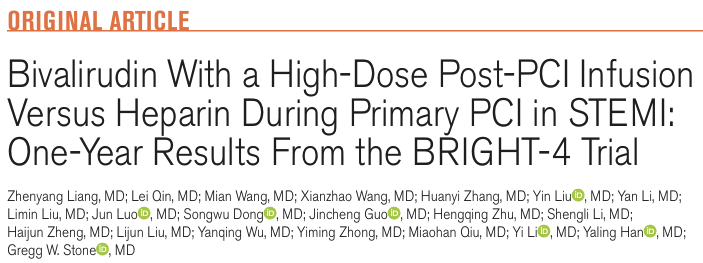
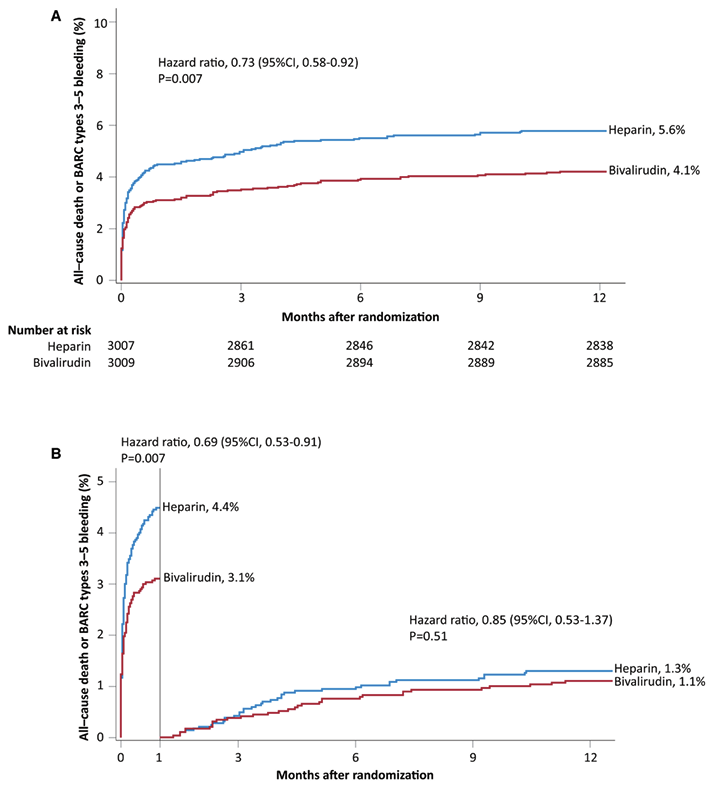
BRIGHT 4 1-year now publ in Circ CV Interv. In 6016 STEMI pts PCI w/bivalirudin vs heparin→↓death, major bleed, stent thrombosis at 30d persisting to 1 yr. Results support the class I recommendation for use of bival to reduce mortality and bleeding in the latest US guidelines.
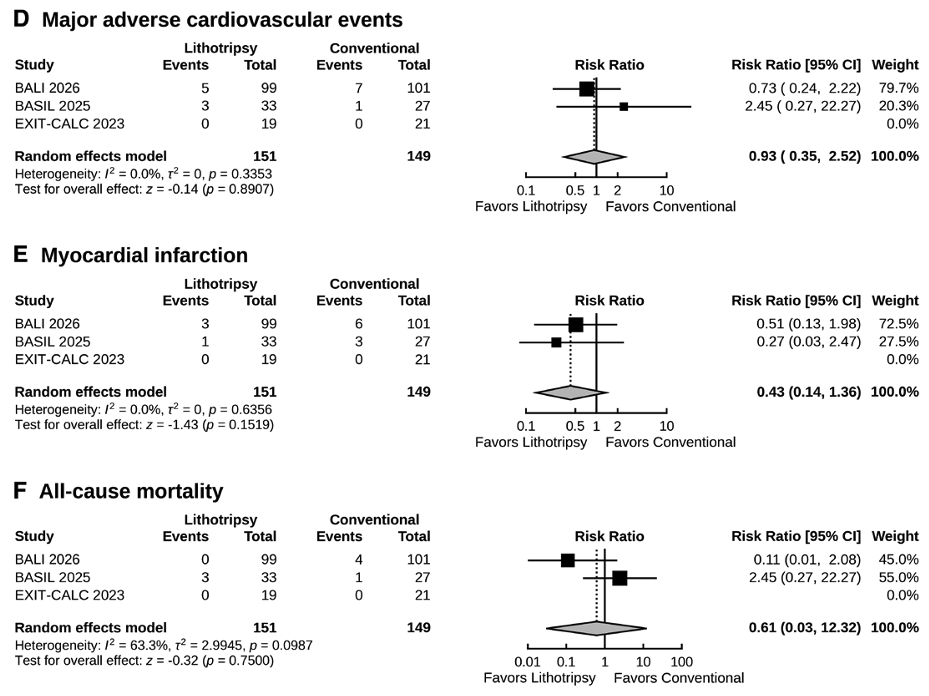
Our meta-analysis of lesion prep of sev calcified lsns w/IVL vs BA now publ in Circ CV Int. Only 300 pts in 3 RCTs w/1-24 mo FU. IVL→↑stent area but has not yet been shown to ↓MACE. After ROTAXUS/ECLIPSE we need a large RCT. LOCATION trial in 3060 pts (NCT07388030) is ongoing.
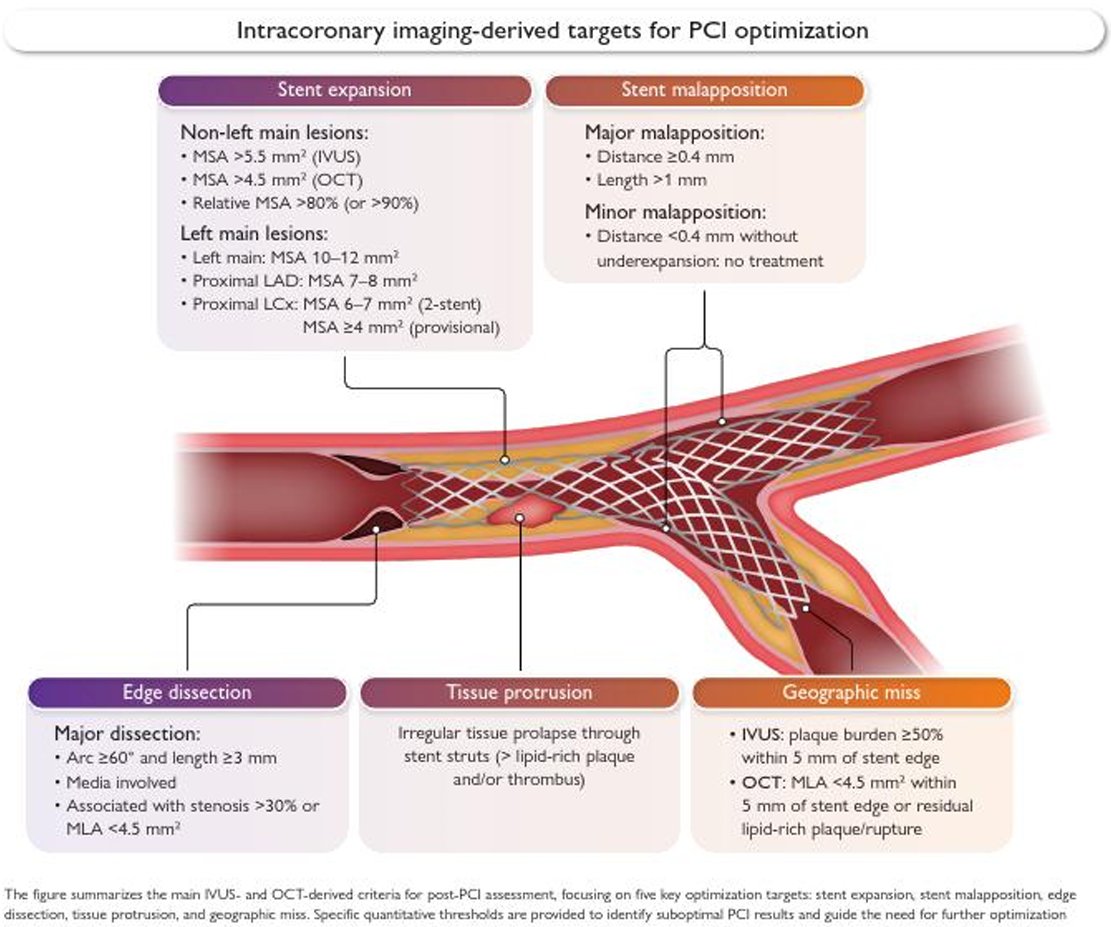
Meta-analyses of intravascular imaging guidance of PCI show markedly improved outcomes, but only if you use this tool properly — pre-, intra- and post-PCI and with appropriate targets. How do you do it? Our new state-of-the-art review in EHJ takes you through it step by step.
Now publ in EHJ: In 3 RCTs (n=704), 2-3-mo Rx w/DOACs (low dose in 2 trials) ↓ device-related thrombosis (DRT) and major bleeding c/w DAPT, with NS Δ in death and stroke/SE. DRT has been associated with thromboembolic events, and the RR of 0.61 for stroke/SE favors DOAC use.
@Hragy Totally agree. The IVUS results don’t say how large the PLAD was, but a 3.0 balloon is rarely sufficient in a man (or in most women), esp with PTCA given recoil/diss. IVUS results post-DCB (not reported) were likely suboptimal. Please don’t use DCB as Rx for 3 mm or larger cors!
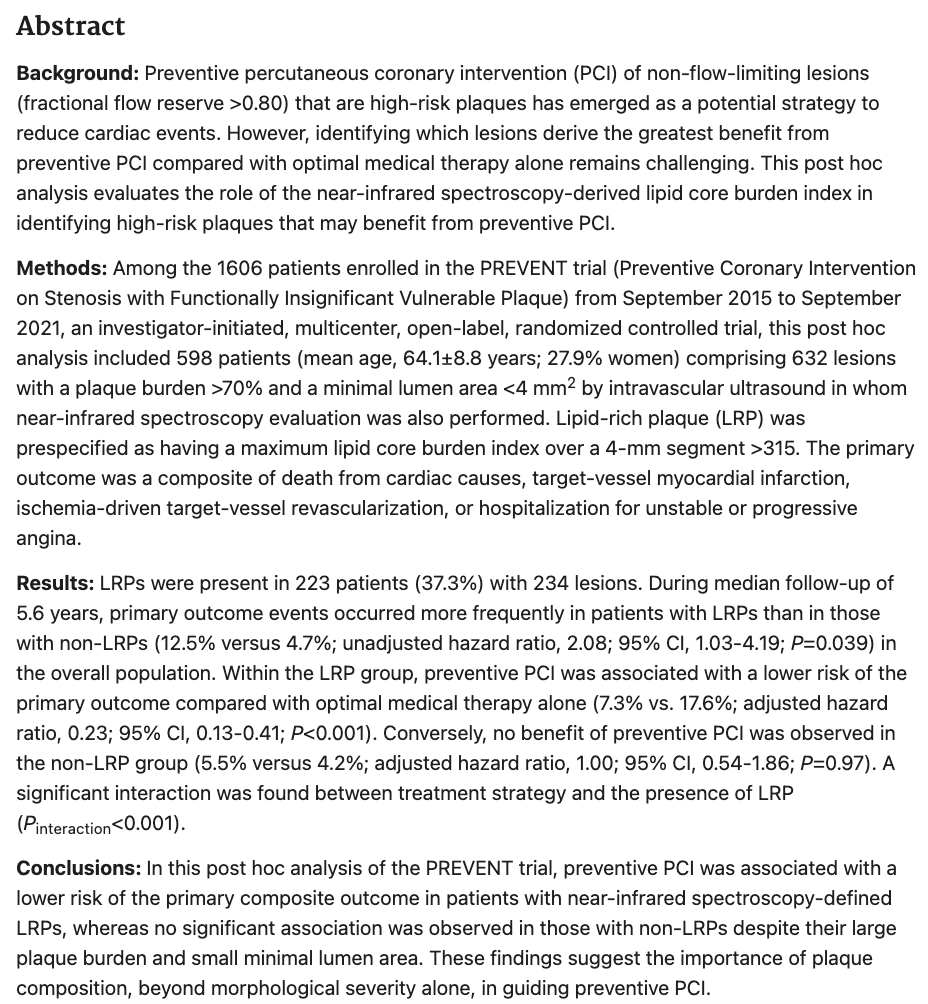
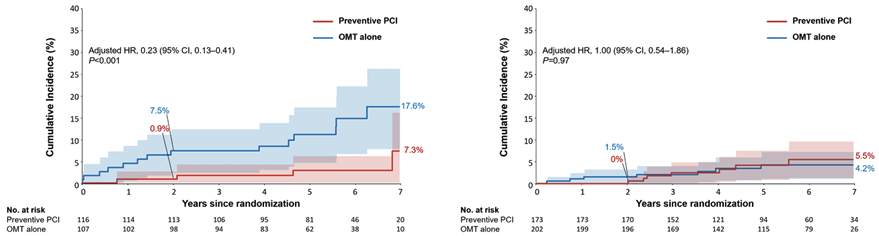
Our work from PREVENT now publ in Circ. Only 37% of FFR neg severe lsns (PB>70% & MLA<4mm2) were lipid-rich plaques (LRP) by NIRS. Event rates were much higher and preventive PCI was only effective in LRPs. PCI of "true vulnerable plaques" may improve prognosis and avoid over-Rx.
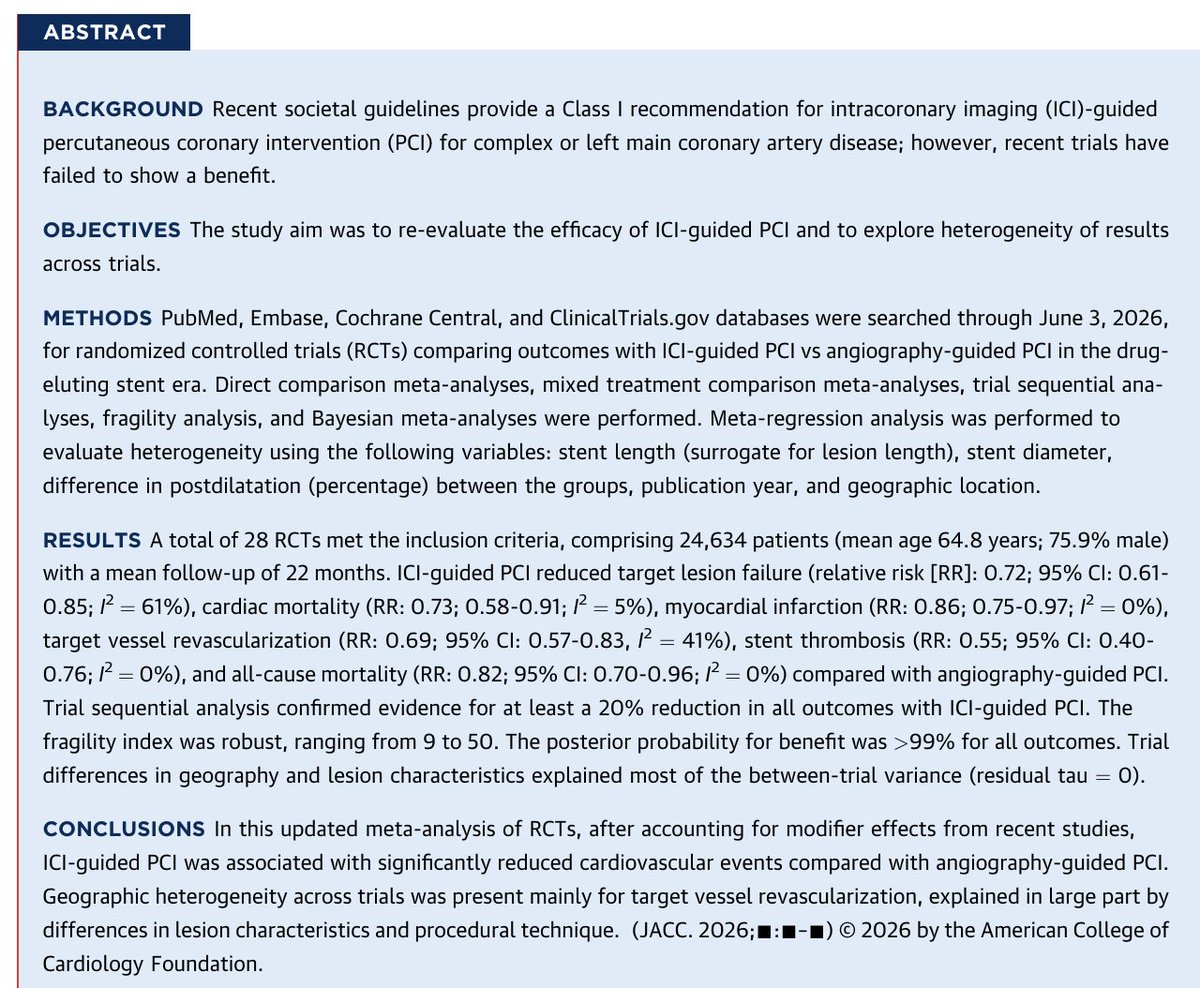
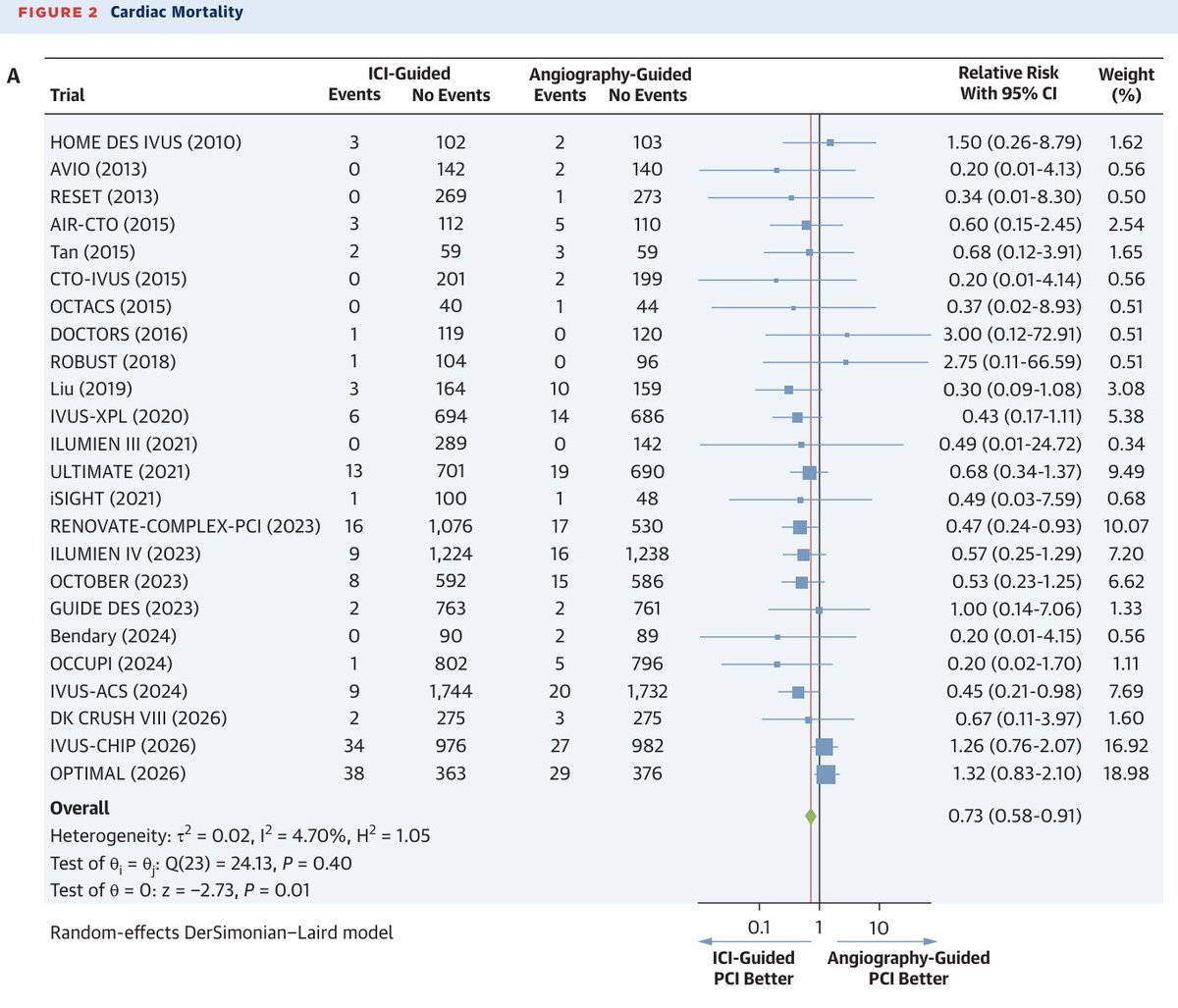
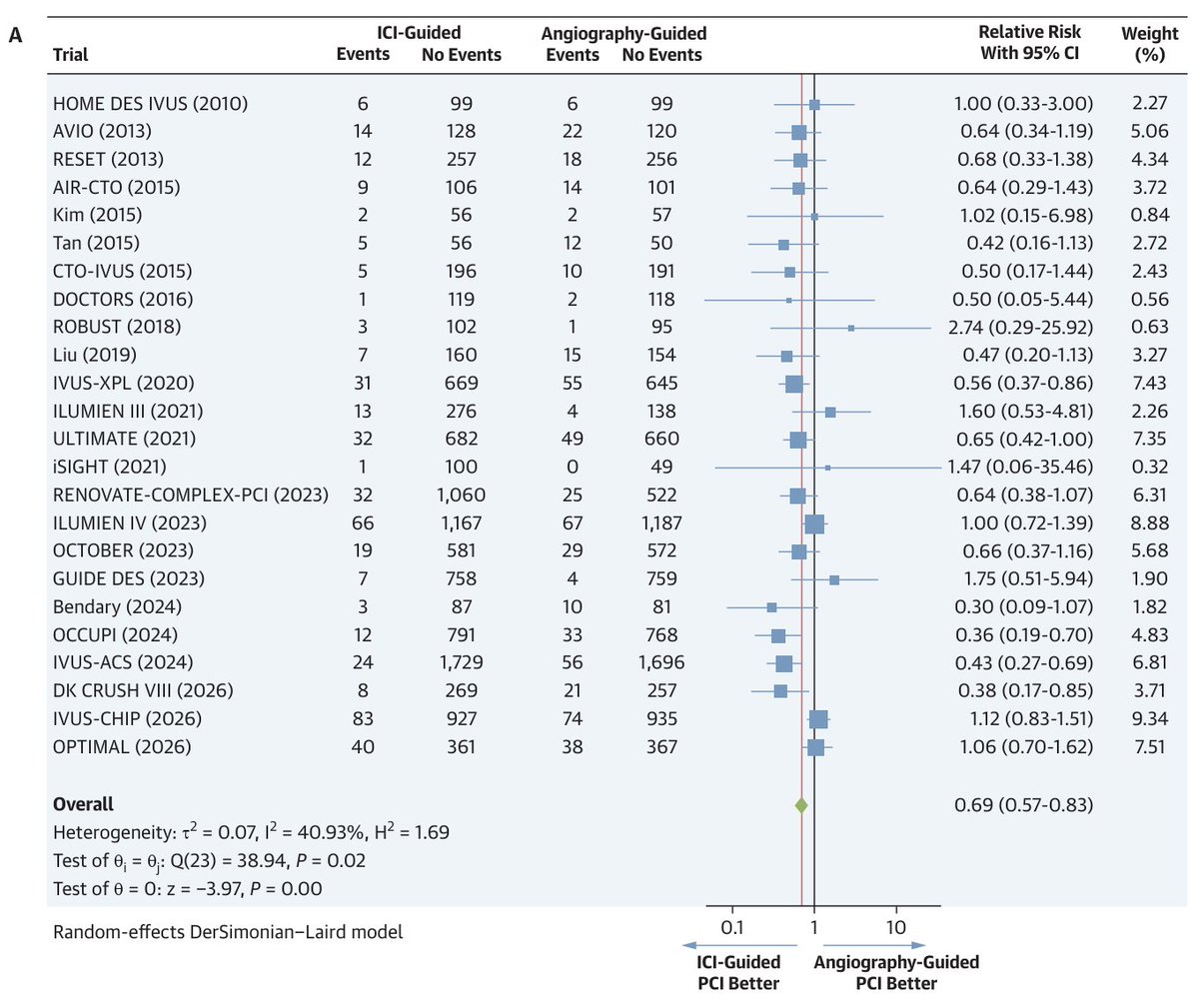
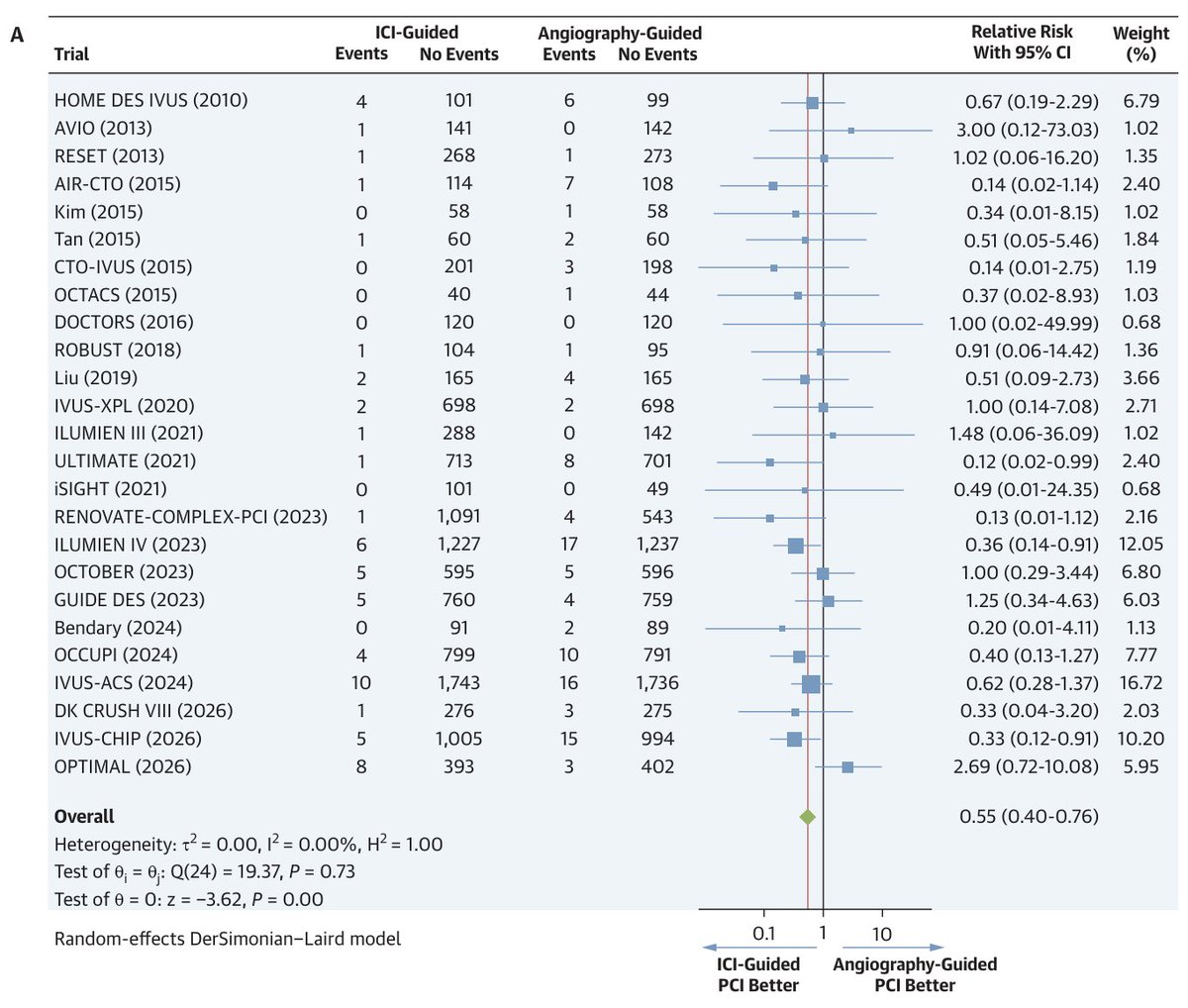
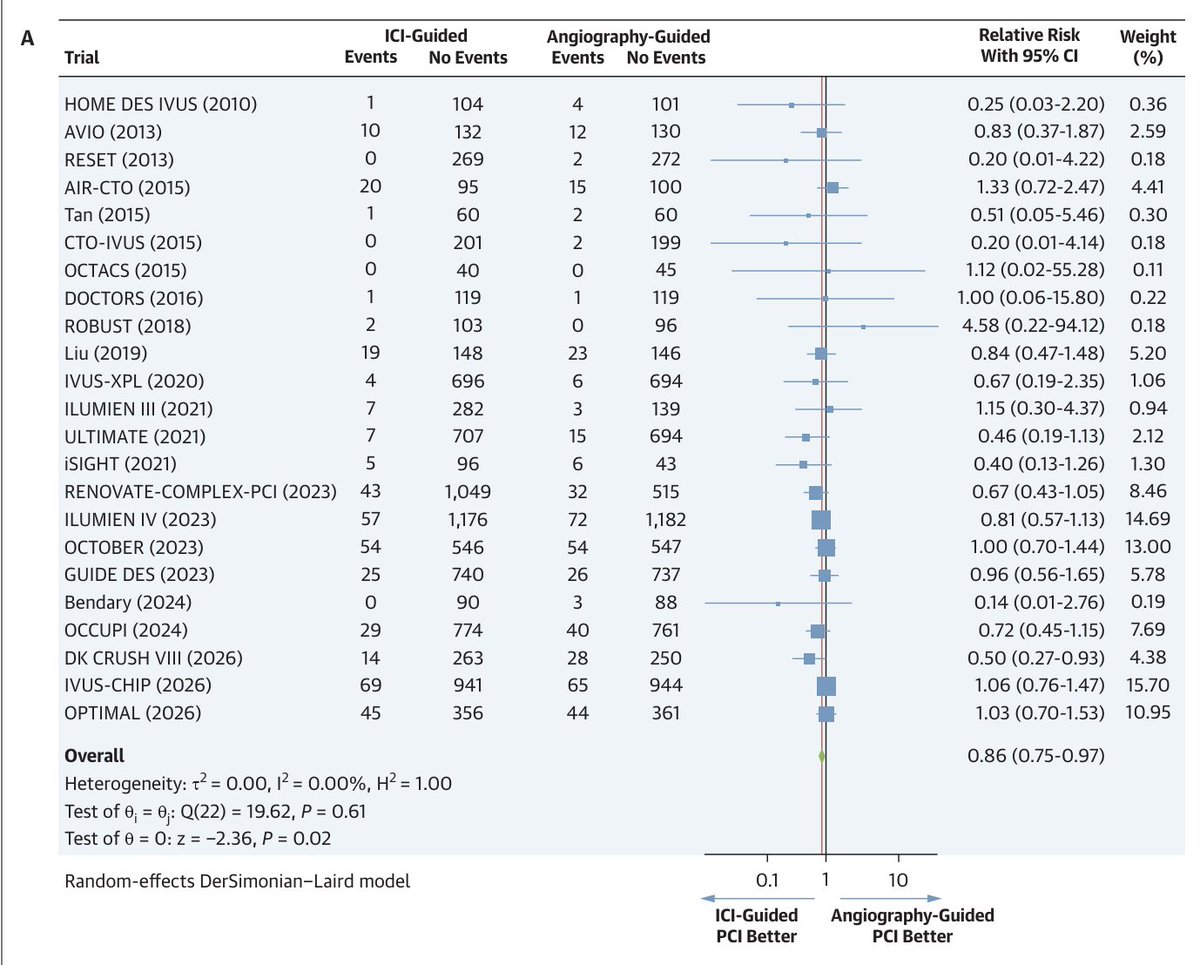
2/2 The point estimates haven’t changed: IVI-guided PCI (OCT & IVUS) reduces all-cause and cardiac death, MI, revasc and stent thrombosis. Data are robust. Discordance in recent trials are explained by differences in pts/lsns, technique and target IVI criteria, not geography.
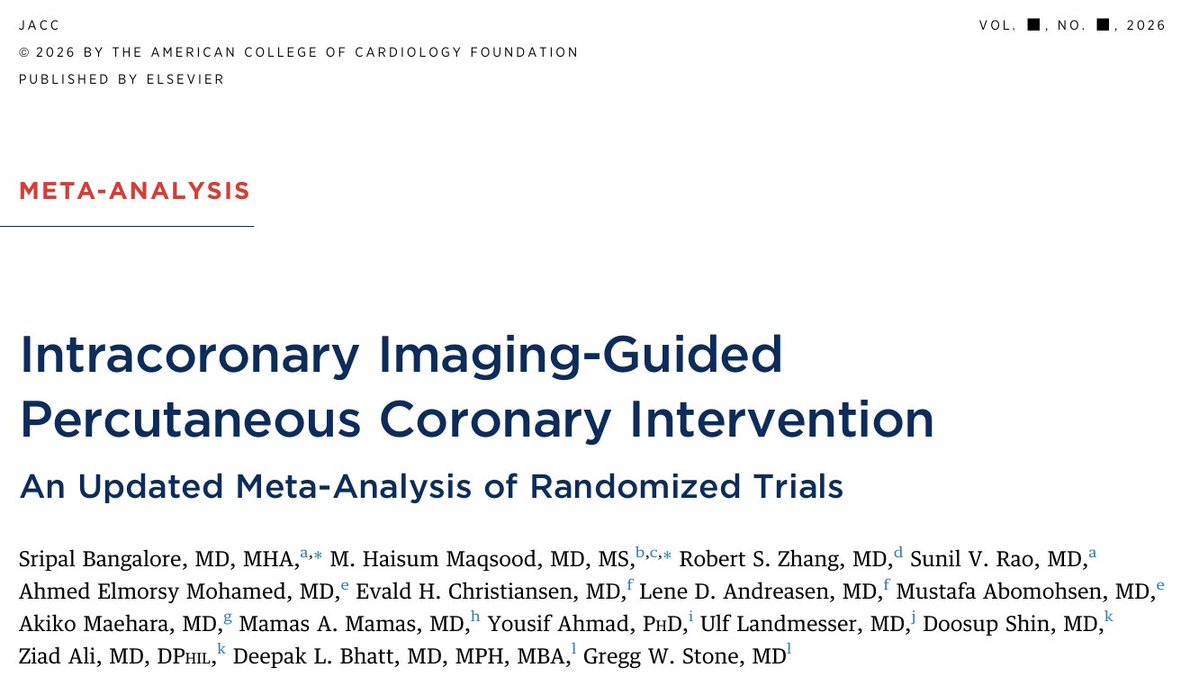
1/2 Our updated meta-analysis of intravascular imaging guidance publ in JACC. Since our last synthesis in Lancet 2024, there have been 6 new RCTs with 8,670 additional pts. Total is now 28 RCTs with 24,634 patients with mean FU 22 mos. Should be enough for a definitive answer!
@nature_sabine I agree with you about foundational medical therapy optimization. I would use OCT (or IVUS) guidance for PCI of all complex lesions, diabetic or non-diabetic, and for many lesions that are non-complex. The bulk of the data is overwhelming.
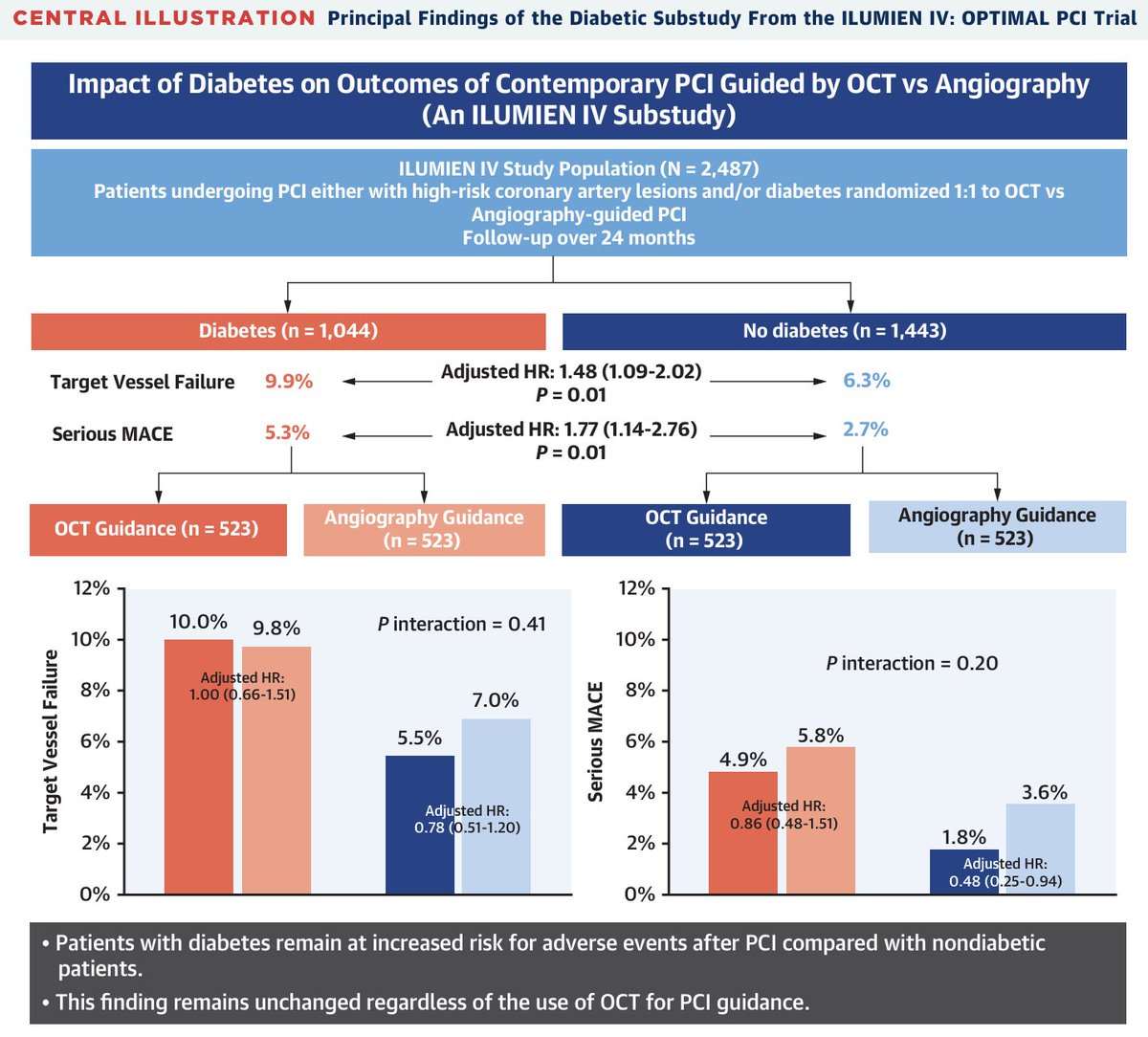
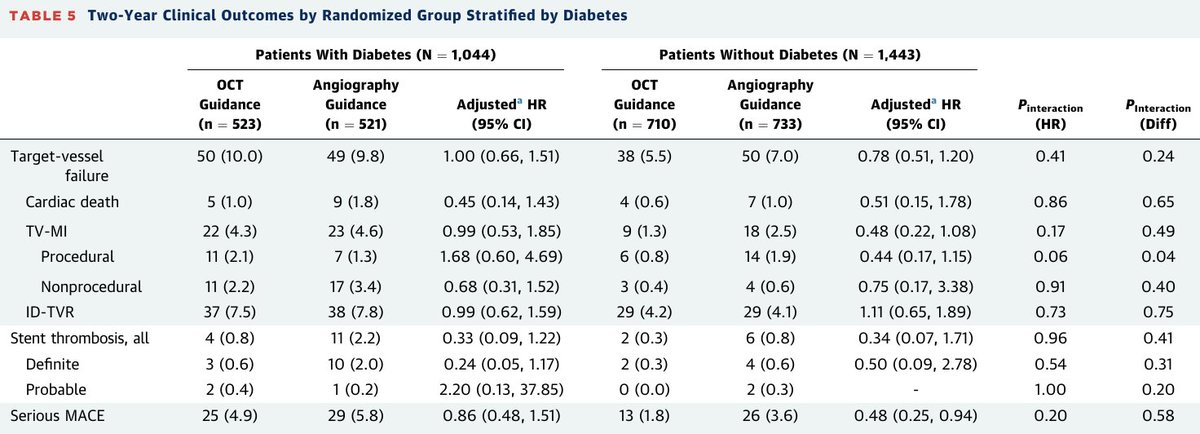
Our work from ILUMIEV IV in diabetic pts w/ and w/o complex lesions publ in JACC Interv, a particularly hazardous combination w/poor outcomes after PCI. OCT guidance → ↓ stent thrombosis in all groups w/trend for ↓serious MACE w/o ΔTVF. Free download: https://t.co/rjSseWgIvt
@CMichaelGibson In PROSPECT II and other studies, Lp(a) was independently associated with vulnerable plaque formation, but not necessarily with their destabilization. So perhaps 10+ year treatment with these agents is required if their mechanism is to decrease VP formation.
@djc795@EleidMack@benhibbertMDPhD You have a more devious mind than I! Most adjudicated hospitalizations for heart failure, however, our left sided heart failure, even with predominant TR. Not many HFHR adjudicated to leg edema or sudden ascites.
@djc795@EleidMack@benhibbertMDPhD I don’t see how it would bias a time-to-first primary endpoint as long as it is a true HFH before the XO, which is adjudicated based on source doc verified criteria for HF exacerbation, w/usually radiographic signs requiring hospitalization and IV diuretics.
@djc795@EleidMack@benhibbertMDPhD Don't wrestle. Crossovers should be avoided in trials of investigational devices, at least until the primary endpoint and ideally later, because by definition you don't know the safety and efficacy of the new device.
@EleidMack@djc795@benhibbertMDPhD The primary endpoint is still valid because it is time to first event, but it definitely disrupts interpretation of secondary endpoints (eg mortality), assessment of durability and late effects at a discrete time point (e.g. KCCQ or echo changes at 1 year).
Results were consistent in HFrEF and HFpEF & IpcPH and CpcPH. PADN also → concordant improvements in KCCQ, NT-pro-BNP, 6MWD and left and right heart structure/function. PADN in group 2 PH is further being studied in the sham-controlled PULSE-LHD RCT in CpcPH (NCT07214376).
The primary EP of clinical worsening (death, transplant, HF hosp, outpt HF or 6MWD↓) was reduced by 51% with PADN (51.5% vs 25.7%, HR 0.49, 95%CI 0.30-0.82, p=0.006). Clinical events w/o the 6MWD component were also ↓52% by PADN (20.8% vs 40.3%, HR 0.48 (0.27–0.86), P=0.01).
Results were consistent in HFrEF and HFpEF & IpcPH and CpcPH. PADN also → concordant improvements in KCCQ, NT-pro-BNP, 6MWD and left and right heart structure/function. PADN in group 2 PH is further being studied in the sham-controlled PULSE-LHD RCT in CpcPH (NCT07214376).
Presented today and published in NEJM, our PADN-HF-PH trial in which 264 pts with left-heart failure (HFrEF or HFpEF) and pulmonary hypertension (mPAP >20 mmHg and PCWP >15 mmHg) were randomized at 25 centers to pulmonary artery denervation (PADN) + GDMT vs GDMT alone.
The primary EP of clinical worsening (death, transplant, HF hosp, outpt HF or 6MWD↓) was reduced by 51% with PADN (51.5% vs 25.7%, HR 0.49, 95%CI 0.30-0.82, p=0.006). Clinical events w/o the 6MWD component were also ↓52% by PADN (20.8% vs 40.3%, HR 0.48 (0.27–0.86), P=0.01).