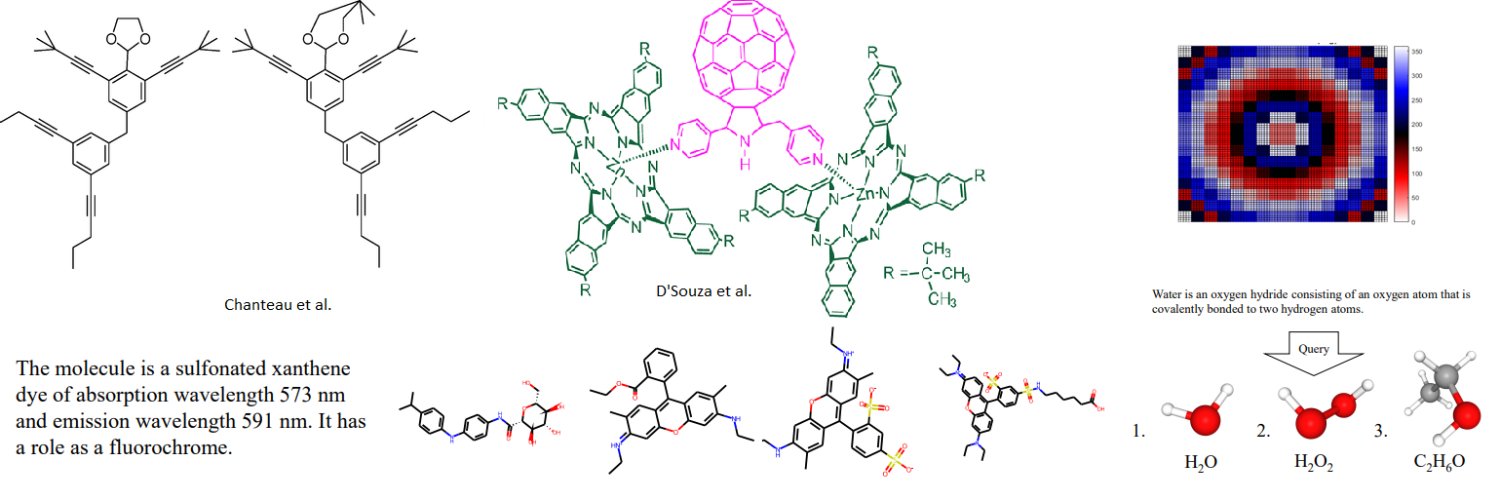
Autonomous science is getting closer: systems that run experiments, learn from results, and choose what to test next.
But can they learn how to experiment from existing experiments? In AssayLoop, we train across CRISPR screens to do that.
Try it: https://t.co/bx6YnBY2Cg 🧵
A slightly philosophical point: because experiments are specified in natural language, in the limit a sufficiently capable model would have knowledge that goes beyond what is currently known by human scientists!
Organized and sponsored by @Genentech. Submission deadline: July 22, 2026.
Get started → https://t.co/9gn2luoLnY
Three Kaggle leaderboards:
A: https://t.co/HyM1BSWybg
B: https://t.co/x0DBaLefrs
C: https://t.co/aHpKdFmJmQ
Can LLMs and agents do real biology, or just talk about it?
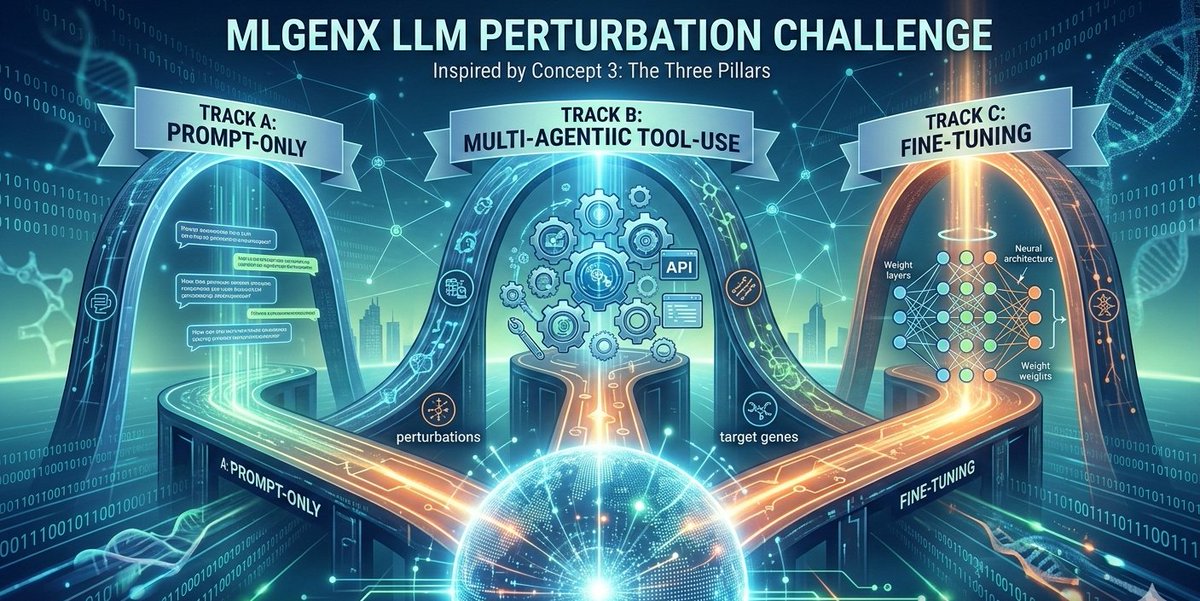
We're launching the BioReasoning Challenge 2026 at MLGenX @ #ICLR2026: an open competition asking whether language models can predict the outcome of a real perturbation experiment.
https://t.co/0W7p6RY1Tg
Three tracks, three research questions:
A. Prompt-only: find the best prompt for a fixed GPT-OSS-120B model
B. Agentic: multi-agent + tool calls, same fixed LLM
C. Fine-tuning: any open model <10B params (SFT, LoRA, RL, ...)
Submit to one or all.
🚀Join us tomorrow in Room 122A for our 2nd AAAI @RealAAAI AI4Research workshop🧪! We have an exciting lineup of presentations from our amazing invited speakers—don’t miss out! #AI4Research#AAAI2025 https://t.co/462jpnN9iK