We're excited for our latest work published in @Neuron! We explored the impact of Alzheimer's risk factors APOE4 and TREM2-R47H in a tauopathy mouse model, revealing elevated microglial cGAS-STING signaling and senescence in females with both risk factors. https://t.co/kOnA3cUsn5
Drs. @CarlingGillian, Li Gan, et al. @WeillCornell found that two genetic variants, that confer high risk of #Alzheimers, together trigger harmful inflammatory response in brain’s immune cells, particularly in females, in preclinical model @NeuroCellPress https://t.co/w7v9tV01gu
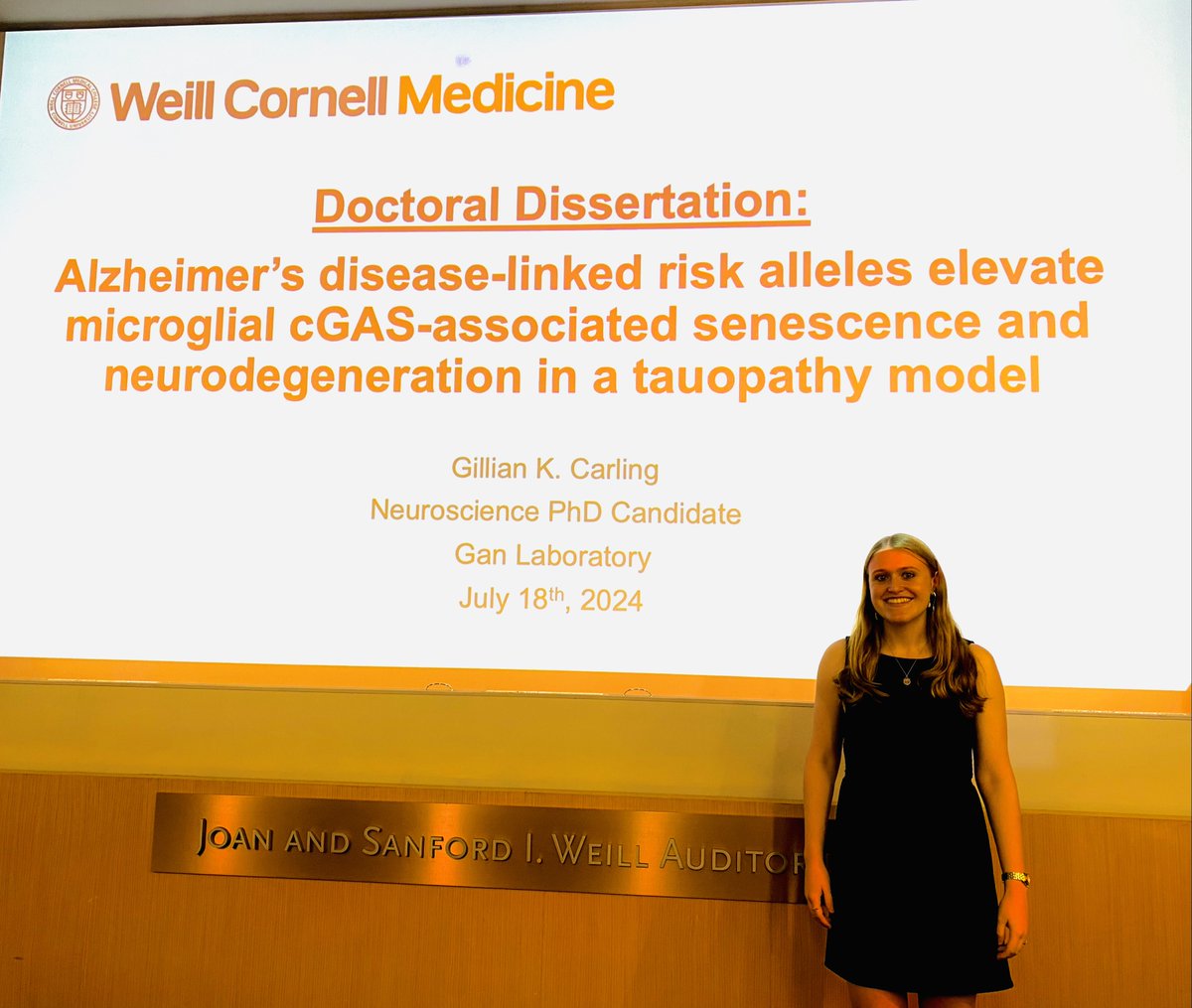
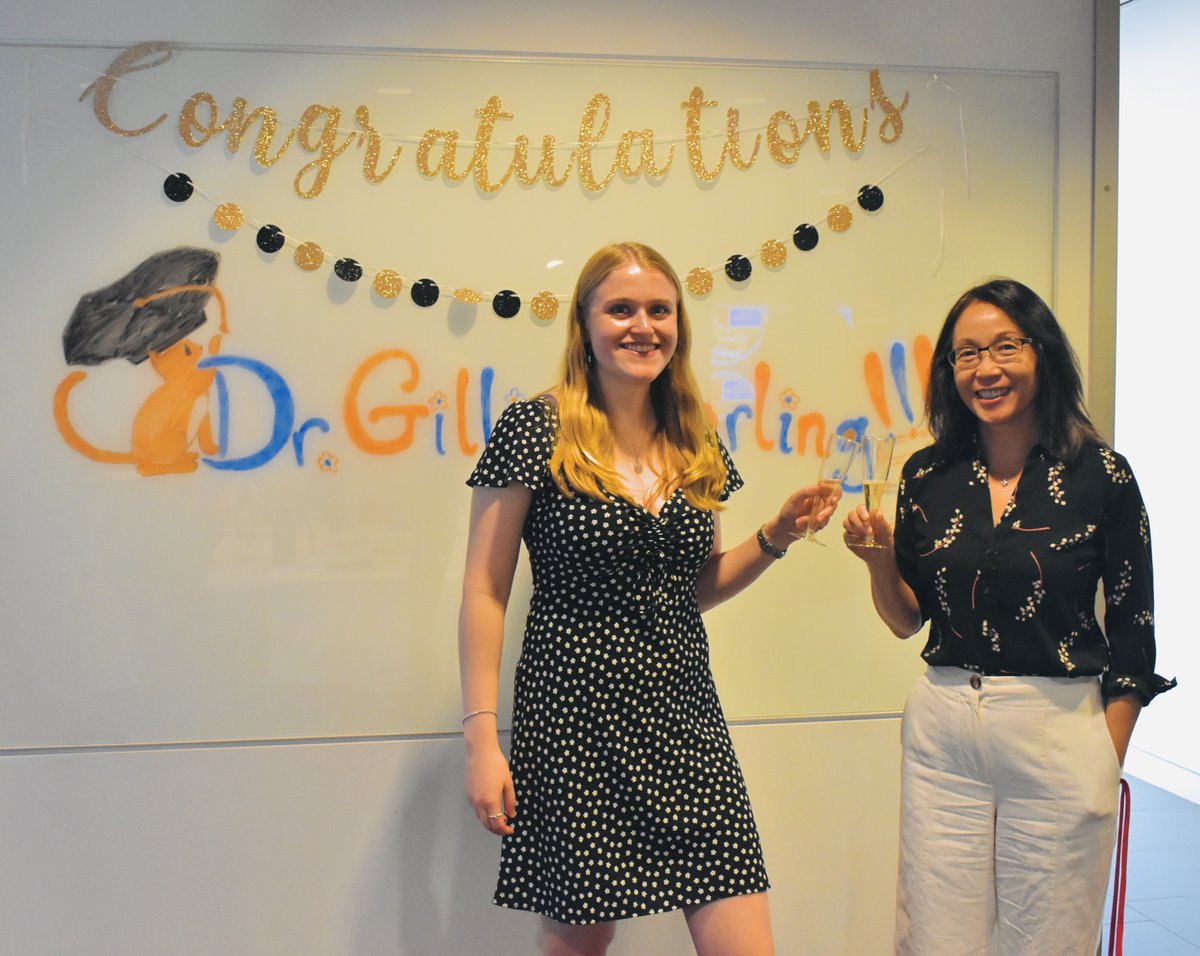
Congratulations, Dr. Gillian Carling! Yesterday Dr. Carling successfully defended her thesis on the combined role of TREM2 and APOE4 in cGAS-associated senescence and neurodegeneration in AD. Your hard work these past 5 years has paid off, Dr. Carling!🥳 @CarlingGillian@WCM_BMRI
Super excited to announce our latest work in @MolNeuro! We generated new anti-acetylated-tau-K174 antibodies that effectively mitigate neurobehavioral impairments and reduce pathology in PS19 mice— alone and in conjunction with TBI. (1/5) Details here: https://t.co/lpNL5Rj6Lc
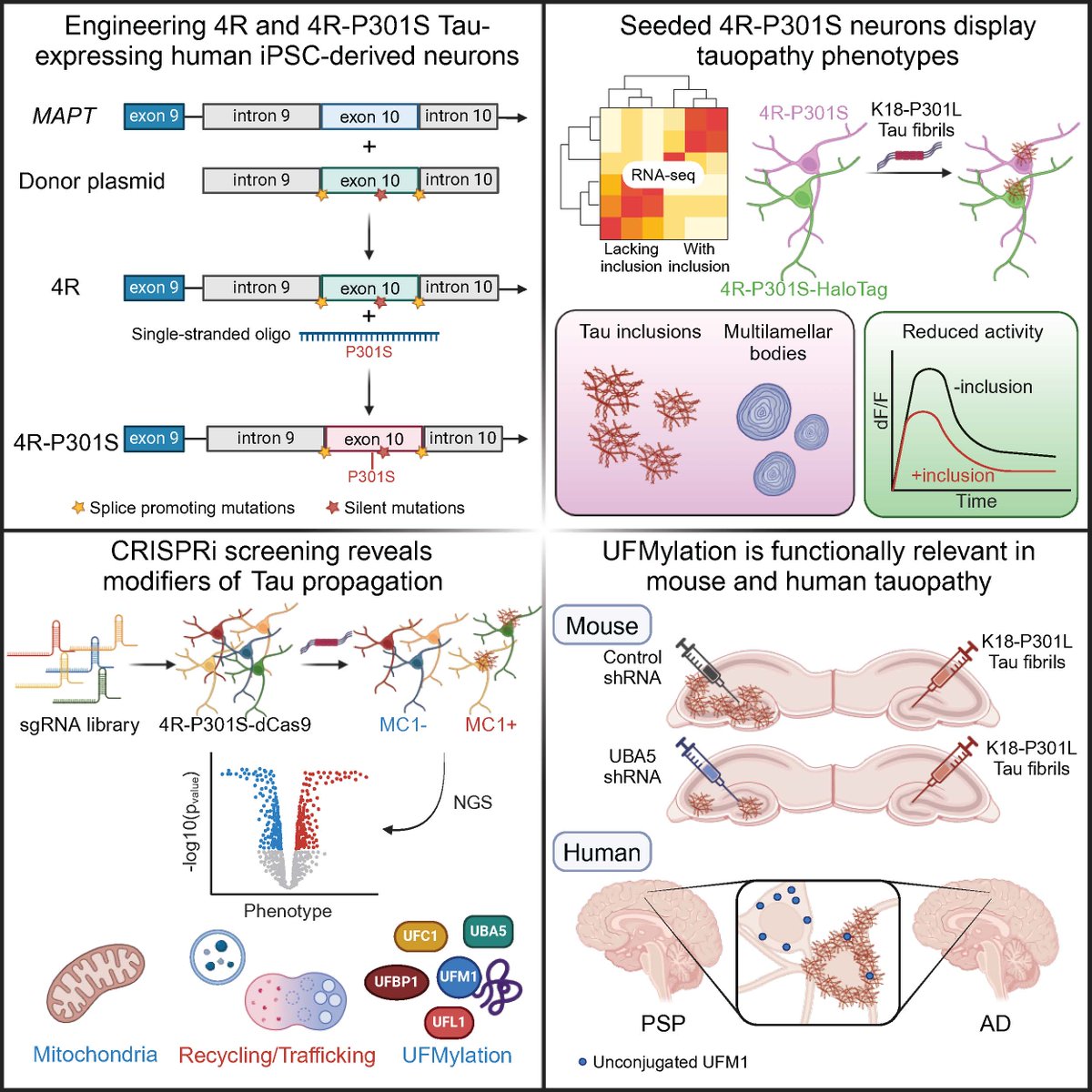
Thrilled to announce our latest work in @CellCellPress! We've developed a new human neuron model that effectively mimics tau aggregate spread in tauopathy. Details here: https://t.co/UGufKqYQlR (1/5)
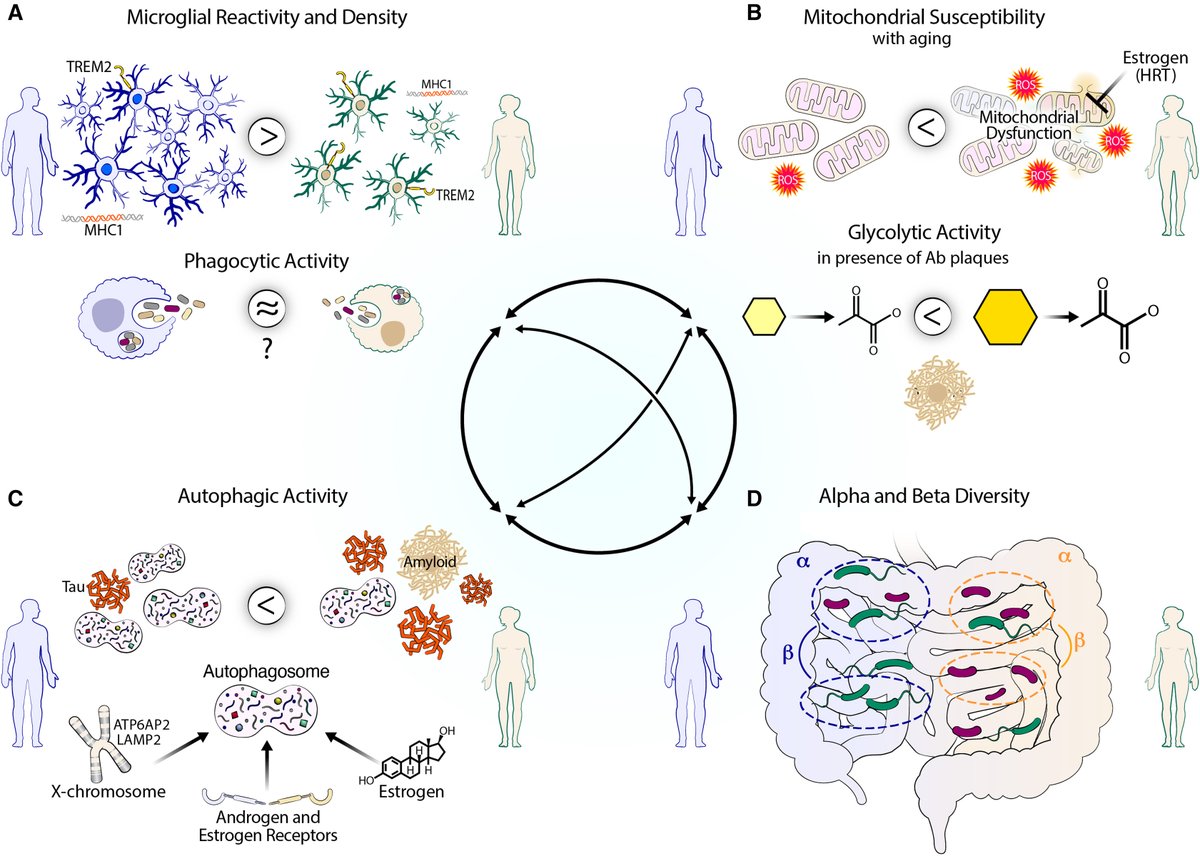
Happy to contribute a new perspective on a key modulator of mechanisms underpinning #Alzheimers: sex! Biological sex affects immunity, metabolism, and the microbiome through well-known players such as NF-kB and TREM2 ➡️https://t.co/5AaSooHWmU
Check out our latest study on BioRxiv🎉! Delving into the strongest AD risk factors, we unveil cell-autonomous microglial cGAS-STING signaling, along with cGAS-dependent microglial senescence in female tauopathy mice carrying both APOE4 and TREM2R47H.
https://t.co/7F2Q7oUxUk
Our latest study is out today in @NatureNeuro. We report that tau-activation of cGAS in AD diminishes cognitive resilience by decreasing the neuronal transcriptional network of MEF2C through type I interferon (IFN-I) signaling. (1/6)
https://t.co/ZmiGNxYul3
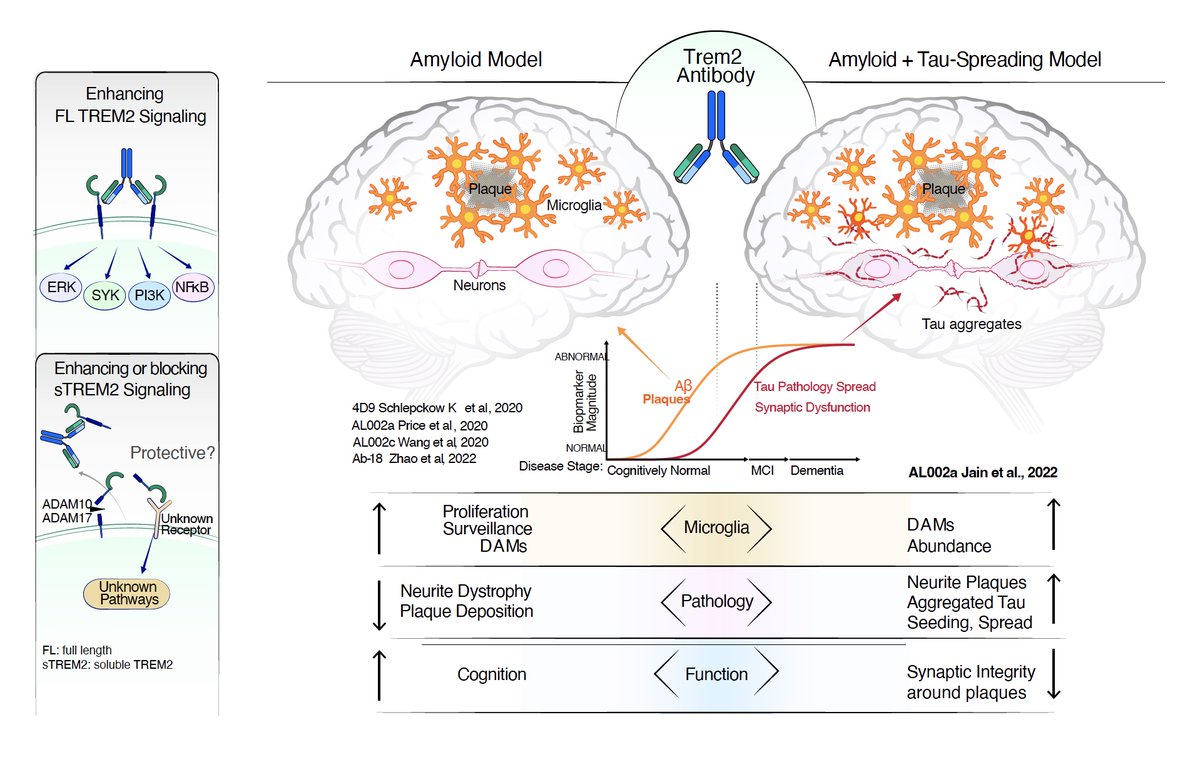
Friend turned foe? Our insight article commenting on the exciting work from @holtzman4 about TREM2 agonist antibody exacerbates tau seeding in 5xFAD mice (Jain et al. JEM), pointing at the importance of timing for TREM2 agonist antibodies in treating AD. https://t.co/mNepAPHgJO
🎉🎉Congratulations to @CarlingGillian, who received the NoA for her F31! So excited for your innovative research on the TREM2-APOE pathway to be recognized! Way to go! 🥳
Our collaborative work with @MartinUCSF is out today in @NatureNeuro! We devised a fast and efficient method to generate induced #microglia from #iPSCs and developed #CRISPR i/a platforms to study regulators of microglial states in health and disease.
https://t.co/vciXWUw25b
A new preclinical study led by Dr. Li Gan (@liganlab), Dr. Wenjie Luo (@DrWenjieLuoWCM) and #WCM researchers suggest that targeting a signaling pathway in brain immune cells could slow the progression of Alzheimer’s and other neurodegenerative diseases: https://t.co/lNgwtBXQ95
Our latest research reveals microglial NF-κB activation drives tau spreading and toxicity in tauopathy mice. Inactivation of NF-κB reversed tau-associated microglial states and functional deficits. Wonderful collaborators@AMCuervoLab@grinberg_t
https://t.co/a9W8JfhlzH
We’re excited to share our latest research out in @CellCellPress TODAY!
Using APEX and AP-MS proteomics, we mapped Tau interactomes that were modified by neuronal activity and FTD mutations in hiPSC-derived neurons.
Check it out👉https://t.co/yAFEVpNqNp
Our new study out today in @ScienceTM identifies a TREM2 R47H-specific microglial subpopulation in human AD brain and tauopathy mice, reminiscent of DAM and AKT hyperactivation which can be rescued by pharmacological AKT inhibition. https://t.co/HuALwXKt6O