The 2025 AP Environmental Science Exam scores:
5: 12%; 4: 28%; 3: 29%; 2: 15%; 1: 16%
Multiple-Choice Questions
Students earned the highest average scores across questions about Energy Resources and Consumption (Unit 6); 44% of students answered all or all but one of these questions right.
As in prior years, the first unit of the course, Ecosystems, was most challenging for students, suggesting that further focus and practice on this content would continue to improve scores in this subject.
Free-Response Questions
These comments will focus on the Set 1 FRQs, since this was the exam version taken by most students. https://t.co/vvcCFLUPQV
The varying difficulty levels of the 10 different points on Q1 make it the best question overall for determining which of the five AP scores each exam will receive; students able to earn 5–6 of these points are generally receiving AP 3s; students able to earn 7–8 of these points are generally receiving AP 4s; and students able to earn 9–10 of these points are generally receiving AP 5s.
The most challenging question on this year’s exam was Q2 (the effects of sea surface conditions and the polar jet stream); 1% of students answered all 10 parts of this question right.
Students performed best on the math portion of FRQ 3, which comprises 6 of the question’s 10 total points. Point-by-point data indicates scores were strongest for both the setup of mathematical operations and for reporting the correct answer. Given some concerns about students’ ability to enter mathematical operations digitally, the strong performance on the math components of this question suggests that students adapted well to the Bluebook digital testing app.
AP Environmental Science had an Evidence-Based Standard Setting this year, utilizing more data from more college professors than ever before to identify the performance levels most fair and appropriate for receiving college credit and placement.
An overview detailing this process, with specific information about the findings for this year’s students, will be available at around 4 pm ET today at https://t.co/4Bp9YALA9V
All subjects’ AP score distributions for 2025 will be posted here when available: https://t.co/OrkaQhPZYO
We're sharing this with all the science folks at #NSTA, but no reason to keep it just for them! Here’s our "digital keeper" loaded with free resources and ways to make the most of @quizizz for science teachers. Enjoy!
https://t.co/2arxzR4Lj2
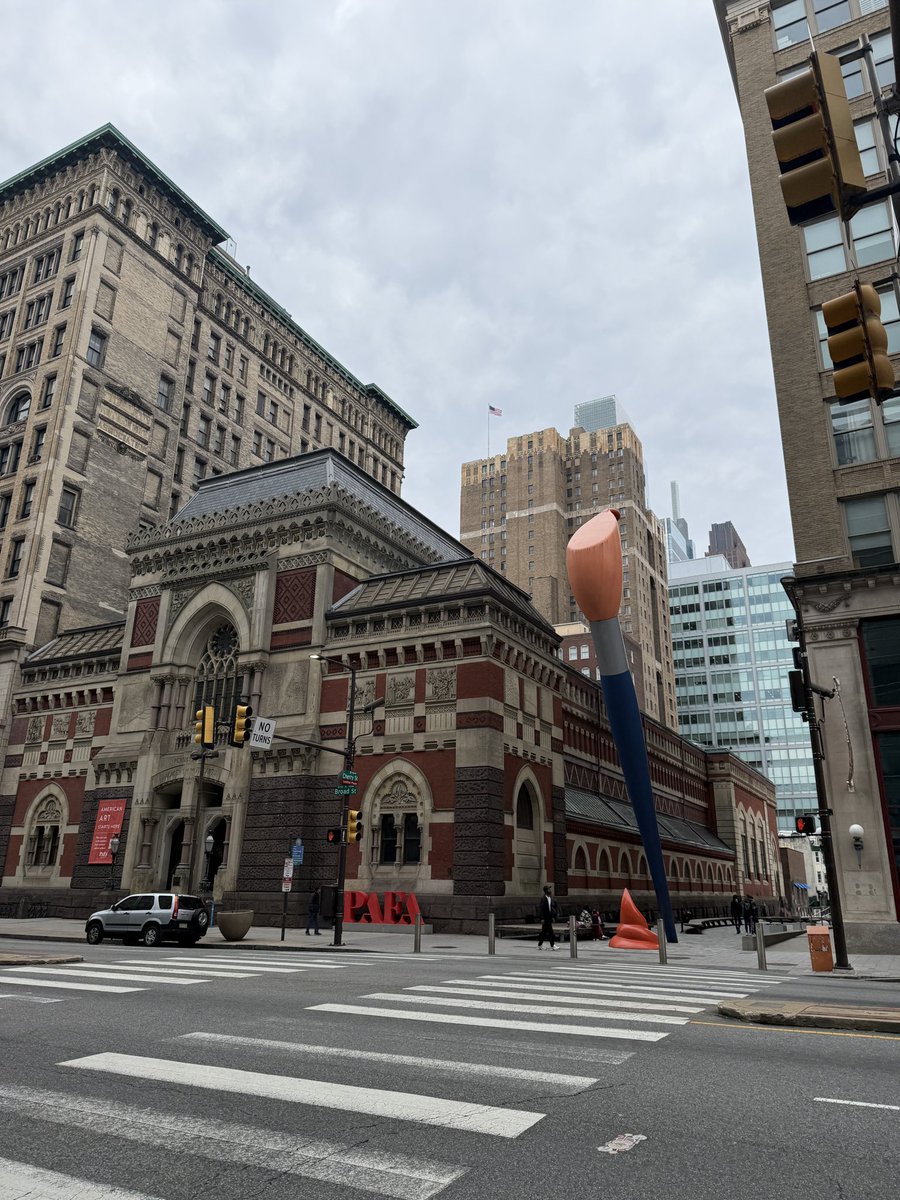
#edtech#edchat#teachers #youcanwithquizizz #quizizz #NSTAPhilly25 @NSTA #nstaspring25
Stop scrolling. This is huge.
SURPRISE: Passages are now FREE for everyone! 🤭
Scaffold texts, check for understanding, and support diverse readers - all with no extra cost to every Quizizz user.
ELA. Social Studies. Science. You name it.
Click ‘Create’ in our resource creation menu or explore our pre-made options: https://t.co/kqctmhJANz
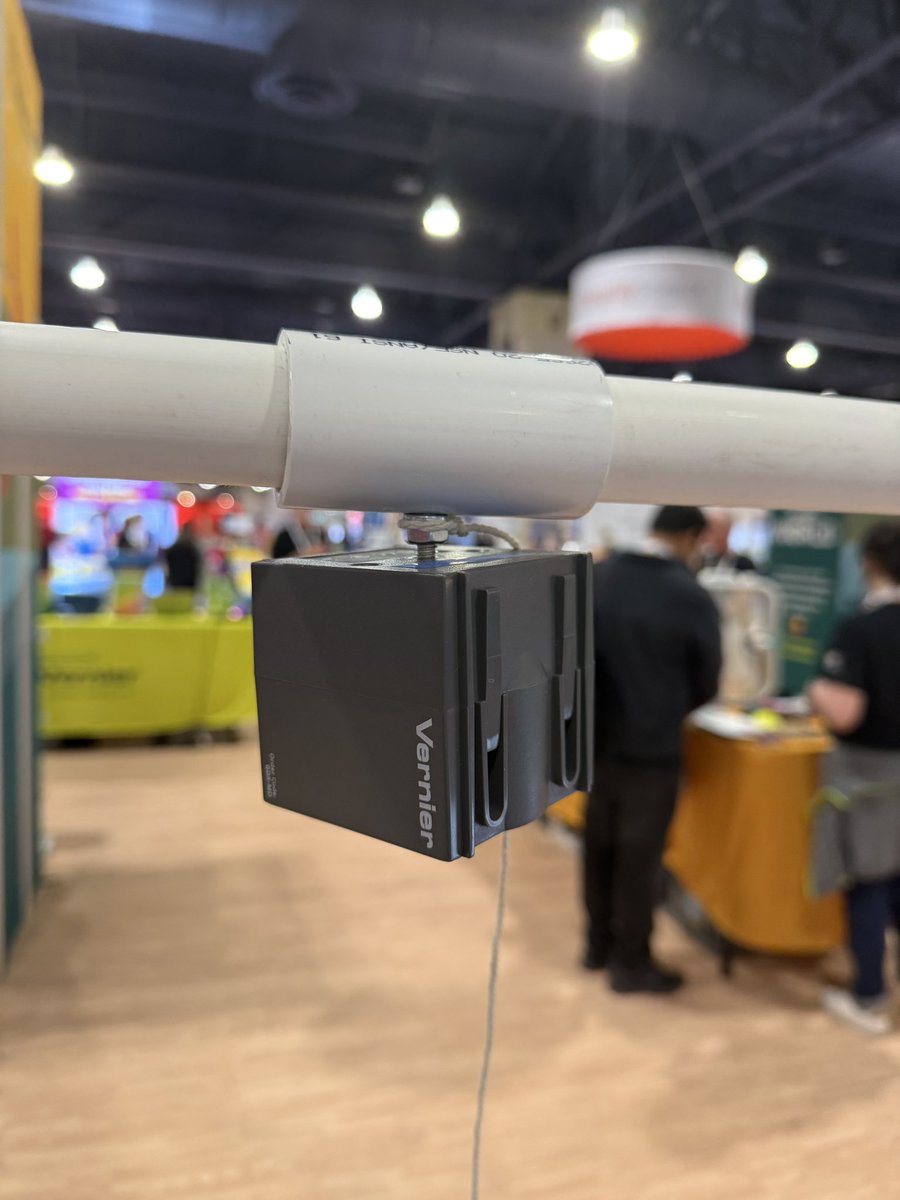
Really enjoyed learning with @VernierST today. Rick shared so many great tips and ideas with me. The motion sensor for mapping the Seafloor idea was great. Can’t wait to share it with COBRA. #NSTA#NSTAPhilly25
🚨 BREAKING! #GlobalFishingWatch, @emLabUCSB and @ClimateTRACE undertake first-ever pilot study to map the emissions of all large industrial vessels operating at sea.
The analysis covered the activity of more than half a million vessels from 2016-2023. Here's what we found. https://t.co/0OK6eoB1UM