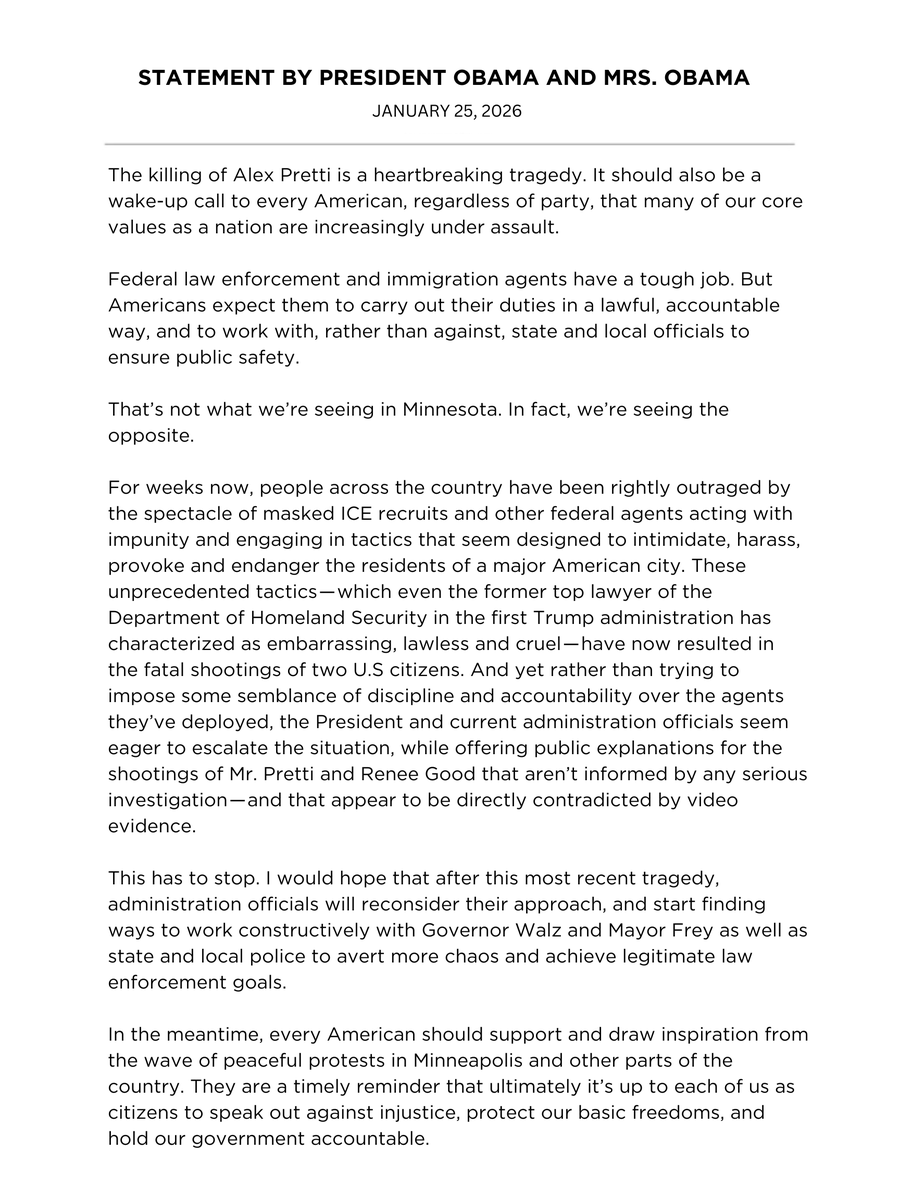
The killing of Alex Pretti is a heartbreaking tragedy. It should also be a wake-up call to every American, regardless of party, that many of our core values as a nation are increasingly under assault.
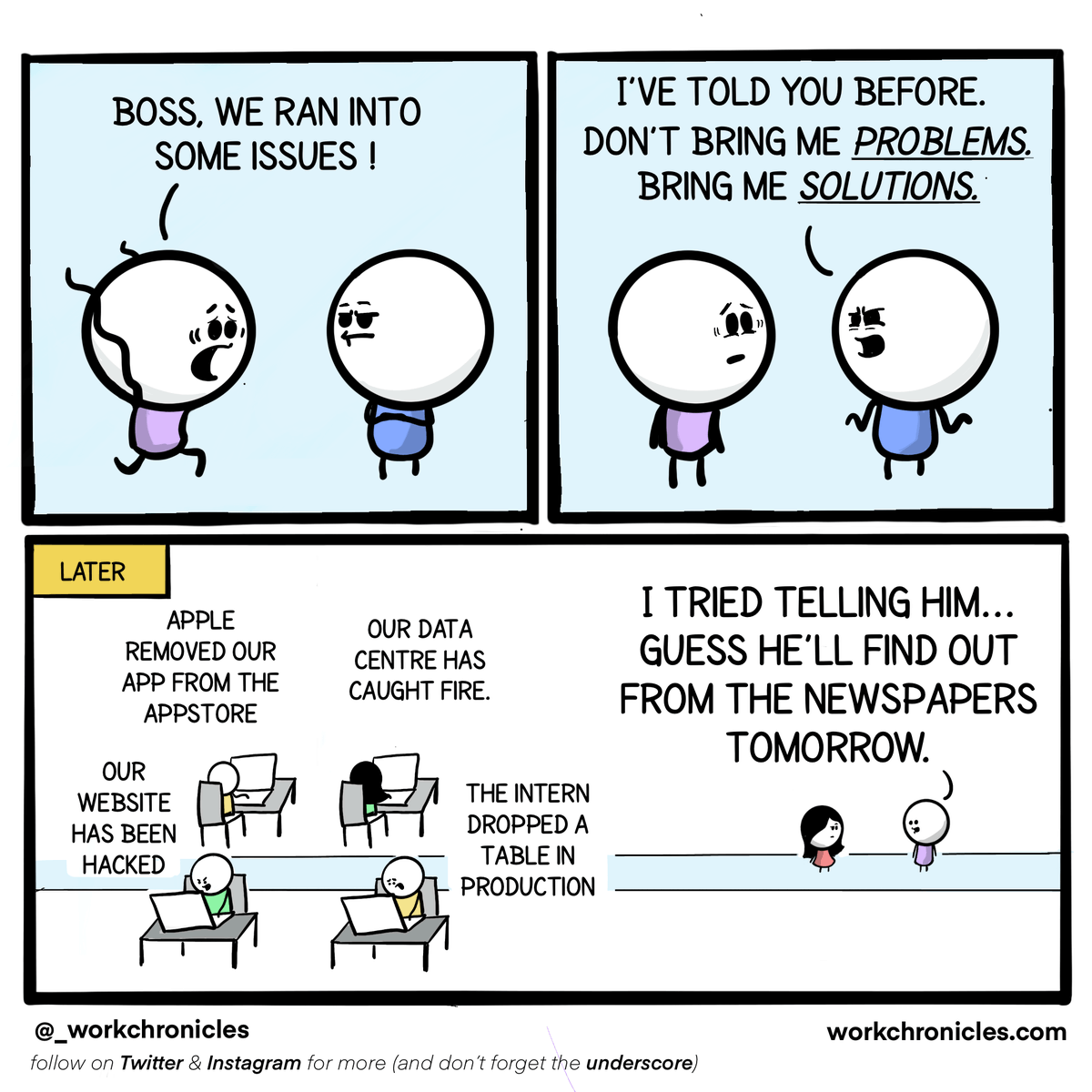
"Don't bring me problems, bring me solutions" doesn't eliminate problems. It stops people from raising the hardest problems.
Leaders need to hear what's broken even if the fix is unclear.
A better option: “Bring me problems, as long as you’re willing to be part of the solution"
The South Bend Cubs organization join the baseball world as we mourn the passing of Buddy Bailey, one of the greatest managers in the history of Minor League Baseball.
Read about the incredibly legacy that Buddy left ➡️ https://t.co/RdZVMN1yjQ
Silence is not always a sign of disengagement. It's sometimes a symbol of deep reflection.
The quieter people in the room aren't refusing to contribute. They're choosing to process before reacting.
It's usually better to think without speaking than to speak without thinking.
Lee Iacocca understood the power of truly listening to your team. His leadership philosophy, which helped create the Ford Mustang and save Chrysler from bankruptcy, wasn't taught in business school:
The purpose of negative emotions is not to cause misery. It’s to prevent mistakes.
Outrage is a signal to speak. Disappointment is a cue to persist. Anxiety is a prompt to prepare. Guilt is a reminder to repair.
Pain reveals principles. Where we hurt is a clue to what we value.
The strongest signal of credibility is not how much people know. It's how much they care about accuracy.
Trustworthy sources don't have an agenda. They pursue the truth even if it counters their hopes and beliefs.
The most reliable voices are the ones most invested in learning.
A mindset shift that will change your life:
Discipline is not a chest-thumping, performative act of toughness. It is being the kind of person who shows up for what matters to you. Full stop.
You don't need to make a show of it. The most disciplined people don’t. You do what you need to do and get on with it. Simple and as hard as that.
Your words tell people what you want them to think you’re about.
Your actions show people what you are actually about.
Be consistent. Live the standard you preach. Be worth following.
Strong relationships are at the heart of coaching. This connection is vital at every level to fortify relationships and unlock potential.
The CLEAR Model provides a simple framework of some basic principles to strengthen these bonds:
C – Clarity: Communicate expectations and roles clearly and often to eliminate confusion and build trust.
L – Listening: In an episode of “The Pivot Podcast,” Pittsburgh Steelers Head Coach Mike Tomlin emphasized the importance of active listening in coaching. He noted that many coaches listen merely to respond, rather than to truly understand their players. Genuine listening fosters respect and connection.
E – Empathy: Show you care about the person, not just the athlete. Recognize their struggles and triumphs.
A – Accountability: Hold yourself to the same standards you set for your players. Lead by example.
R – Resilience: Model how to handle adversity with focus and composure. Your response sets the tone.
"Other people are doing it" is not a justification for being dishonest or disrespectful.
Character is more than who you are at your best. It's who you become when your peers are at their worst.
The heart of integrity is upholding your principles even if others abandon theirs.
There's nothing more dangerous than the person who shows up every single day even when the rewards are uncertain. The one who can tolerate the most uncertainty is the one who will eventually win.