20 years ago, measuring fat and carbohydrate oxidation rates in the lab with elite athletes, I began recommending 80–100 g/h of carbohydrate intake during endurance events.
At the time, this was considered impossible according to the existing scientific consensus and I faced strong criticism for it as it was a crazy concept…
15 years ago, I started implementing up to 125 g/h, this time without saying much.
Now, two decades later, new research confirms that athletes can indeed oxidize around 120 g/h which I was already observing in the lab and applying to endurance athletes many years ago.
It’s fascinating to see how science evolves. Sometimes what’s called “impossible” simply needs time to be understood…
https://t.co/qT4nmLP2Gb
The optimal formulation for hydration beverages before, during and after exercise remains unclear. Do we need more options, based to the demands of climate as well as each sport? #OpenAccess
https://t.co/j6Zfn7DHmz
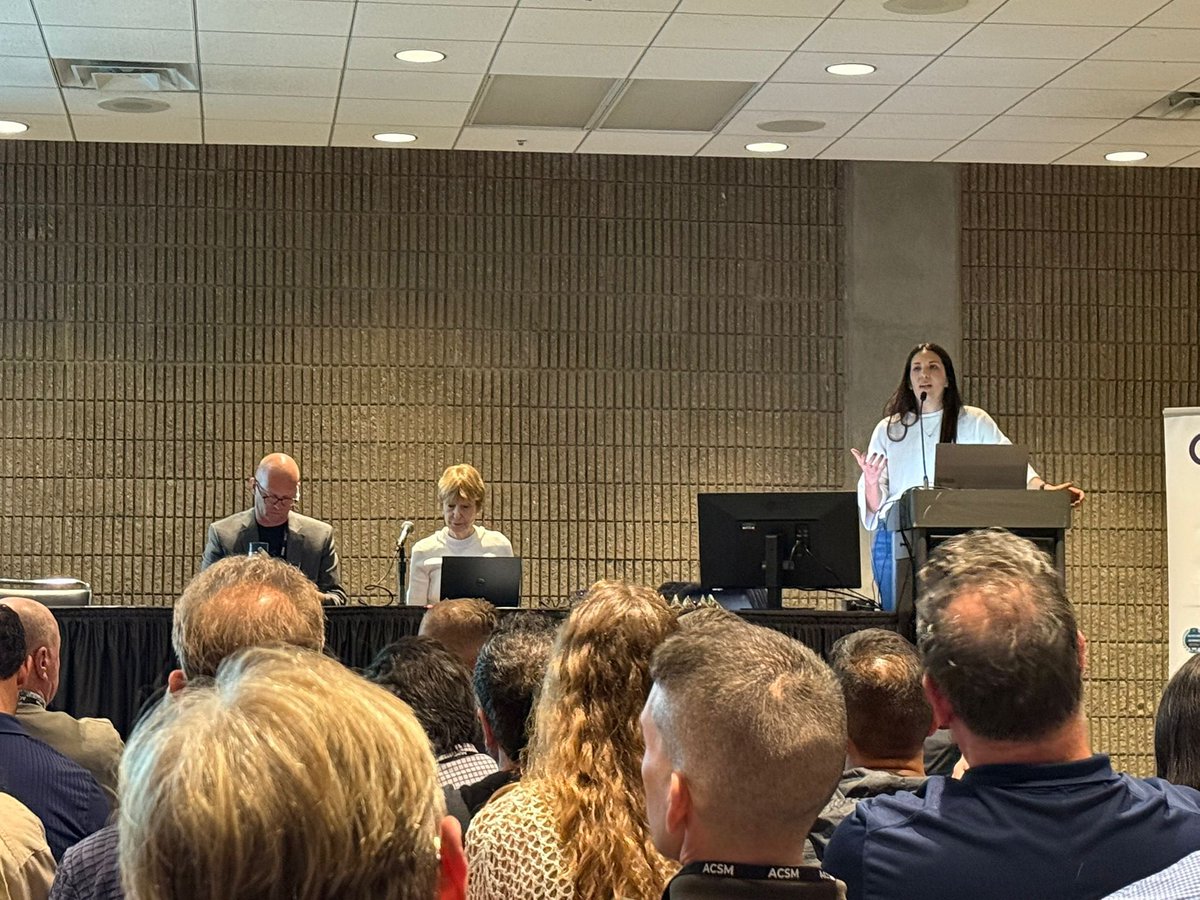
So this happened this week. Thank you @PINESorg for the invite to participate at the #10Q10E session at #ACSM25. Such an enormous pleasure to be part of this panel
Carbohydrate strategies for elite long distance endurance 🚴
PRE-COMPETITION 🔋
⏱️ Event < 90 min = 6 - 12 g/kg in 24-hr prior
⏱️ Event > 90 min = 10 - 12 g/kg/day in 36 - 48-hr prior
❌ Do not exceed 75 g carbs in final pre-race meal
⏰ Consume pre-race meal at least 2-hr prior to race
❌ Do not consume high doses of carbs 60 - 30 min prior to race
🥤 Mouth rinse may be preferable
DURING COMPETITION 🎽
⏱️ Events > 150 min = 60 - 90 g/hr
⏱️ Events 60 - 150 min = 30 - 60 g/hr
⏱️ Events ≤ 60 min = carb mouth rinse
POST-COMPETITION 🏆
After glycogen depletion…
⏰ Muscle glycogen takes 24-hr to recover
⏰ Liver glycogen takes 11-hr to recover
⏳ Within 4-hr = 1.0 - 1.2 g/kg/hr carbs
⏳ Within 24-hr = 8 - 10 g/kg
📈 Sustaining 8 g/kg/day for 36 - 48-hr can lead to muscle glycogen supercompensation
CARBOHYDRATE PROPERTIES 🔬
👉 Combined glucose + fructose (2:1) to reduce GI discomfort
👉 Highly branched cyclodextrin = low osmolality, fast gastric emptying, reduced GI discomfort
👉 Gels = fast gastric emptying / absorbing
🥤 6% glucose or 8 - 10% glucose+fructose solution is advised
🥤 Some athletes see benefits with high concentration solutions ~ 200 g/L
SYNERGISTIC NUTRIENTS 🧂
🥤 Carbs 0.8 g/kg/hr + 0.2 - 0.4 g/kg/hr protein post-exercise to speed glycogen recovery
🧂 Sodium = 30 - 50 mmol/L to enhance glucose uptake and utilisation
☕️ Caffeine = 6 - 9 mg/kg 60-min prior to exercise to increase fat oxidation and spare muscle glycogen
⏱️ In 4-hr post-race = 1.2 g/kg carbs + 8 mg/kg caffeine accelerates muscle glycogen recovery
GASTROINTESTINAL FUNCTION 🛠️
Training the gut protocol ⬇️
🗓️ 10 training sessions over 2-wks
🫀 60% VO2max for 60-min
⏱️ 30g carb gel at 0, 20, 40-min
= reduced GI discomfort + enhanced performance 🏆
INDIVIDUAL DIFFERENCES 🙋♂️
Test where possible and personalise strategies based on following factors…
👉 Age / Weight / Sex / Preference
ALTITUDE 🏔️
Athletes may benefit from improving GI function, prioritising glycogen loading and increasing habitual carb intake 📈
HEAT & HUMIDITY 🥵
👉 Amplified demand for endogenous carbohydrate
💧 Shift to fluid sources of carbs to maintain hydration status
🧊 Practice carb ice slushy ingestion
COLD ENVIRONMENTS 🥶
⚠️ Increased risk of glycogen depletion and hypoglycaemia
🌡️ Consume carb solutions with warm water to elevate core temp
🩸 Real time blood glucose monitoring may be useful
COMPETITION ANXIETY 😰
Anxiety can affect appetite, increase GI issues and increase glycogen depletion due to catecholamine release 🧠
Athletes who experience anxiety may benefit more from advanced carb loading strategies and increased total carb intake ✅
Carbohydrate intake for endurance performance is far from simple, it’s not just about eating a big bowl of pasta the night before 🍝
I have been using this slide for >5 years to explain the nutritional approach we have been researching last years (and we still keep doing it).
- The core of it all is metabolism.
- The goal: To make athletes´ careers sustainable.
Sometimes it has been misunderstood.
A thread:
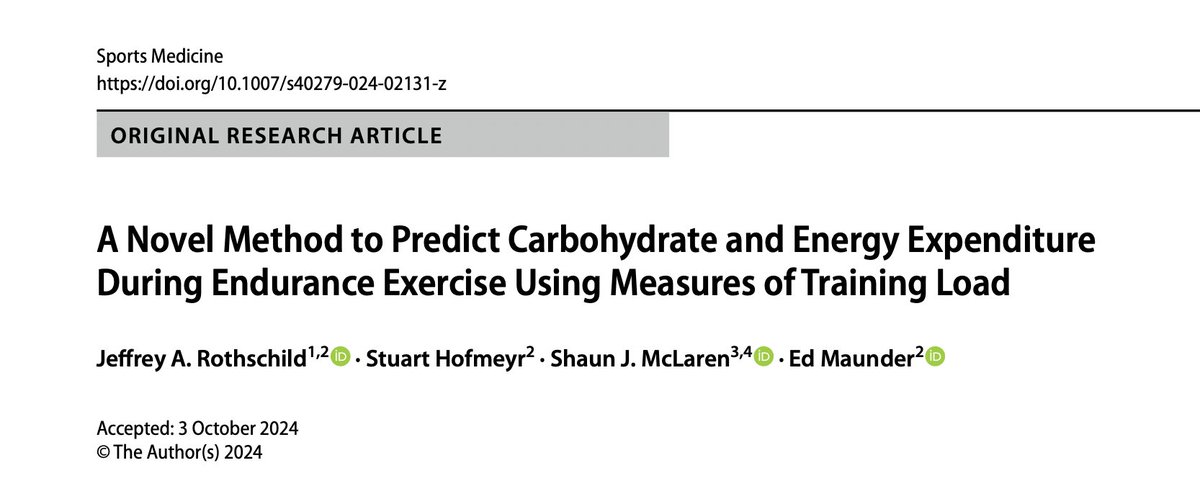
Which burns more carbs– a long easy ride or a short hard one?
How cool would it be to turn your TSS into an estimate of kcal and carb use?
Our new study introduces a novel method to predict carb and kcal use using measures of training load (TL)!
https://t.co/CRnULPv6rs 1/
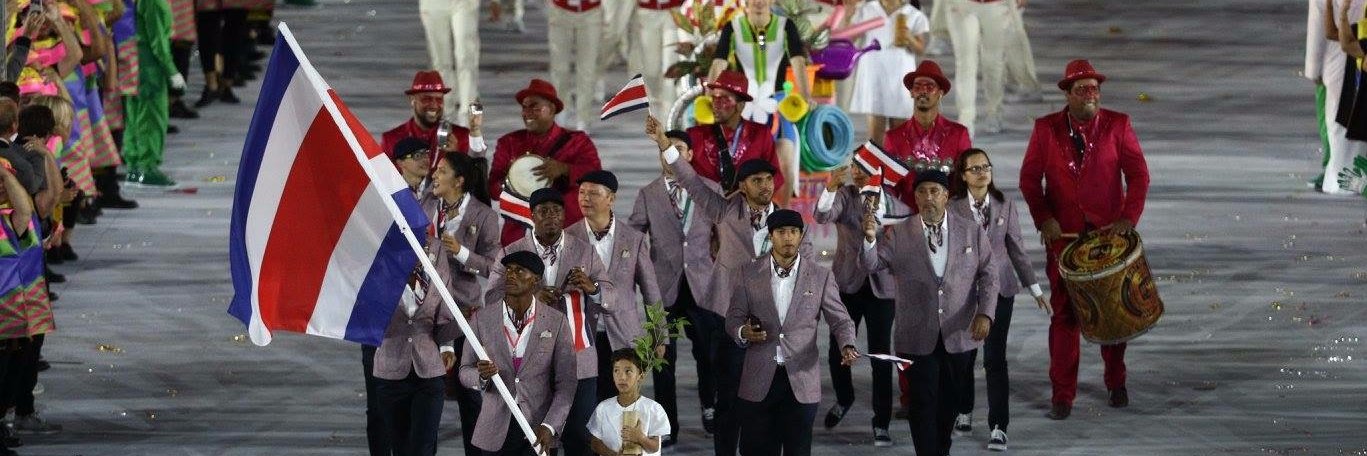
On Oct. 1, get the inside scoop on working with Olympic athletes in a small country!
Join @CatalinaFC86, former sports dietitian for the Costa Rica Olympic Committee, as she shares her real-world experiences in our next #PerformanceNutrition webinar. https://t.co/5D9YlcM5ba
Study reveals delaying carbs after exercise reduces next-day high-intensity interval capacity, even with similar glycogen levels and molecular responses. For peak performance and quick recovery, refuel right after your workout! #Recovery#FuelUp
https://t.co/3NSmrdCiET
Oct. 1 — "The Challenges of Working with Olympic Athletes in a Small Country" with @CatalinaFC86, nutritional department coordinator for Sporting Football Club, Costa Rica. @sportingcr
🔗 https://t.co/5D9YlcMD0I
Tour de France cyclists who consumed up to 120 g carb/hour were able to bike longer and harder than when they ate about half that amount— and they have crushed records! https://t.co/NzVRq5Iwel #VeloMagazine#openaccess
🚨LEAD FEATURE ARTICLE🚨
Such a fantastic case study from @jlAreta et al, detailing the energy requirements of an elite female cyclist in the Tour de France Femmes.
Read more here! 🔗 https://t.co/tWJmwg2zPB
Our latest FREE PAPER. Do female footballers really present low energy availability?
Congrats to @SamMcHaffie on his final PhD paper and thanks to funders and collaborators @Lionesses@FA@ScienceinSport@LJMUSportSci@LJMU
https://t.co/3hvZd5FYI8
Nos convertimos en la primera institución de Centroamérica en unirse al Football Science Institute 🤝🏼 Una nueva alianza que ayudará al crecimiento de nuestros profesionales de Ciencias del Deporte quienes recibirán masters online a cargo de profesionales de esta rama. Gracias @fsifootball por unirse de esta manera a la familia albinegra 🤍🖤
#SomosSporting #SomosPuraVida
Delighted to see this finally in print https://t.co/zzdDL2jNZM from myself, @Andy_Kasper@ProfNeilWalsh and the legend himself Ron Maughan in @IJSNEMJournal
Would love feedback on this one. Do you agree?
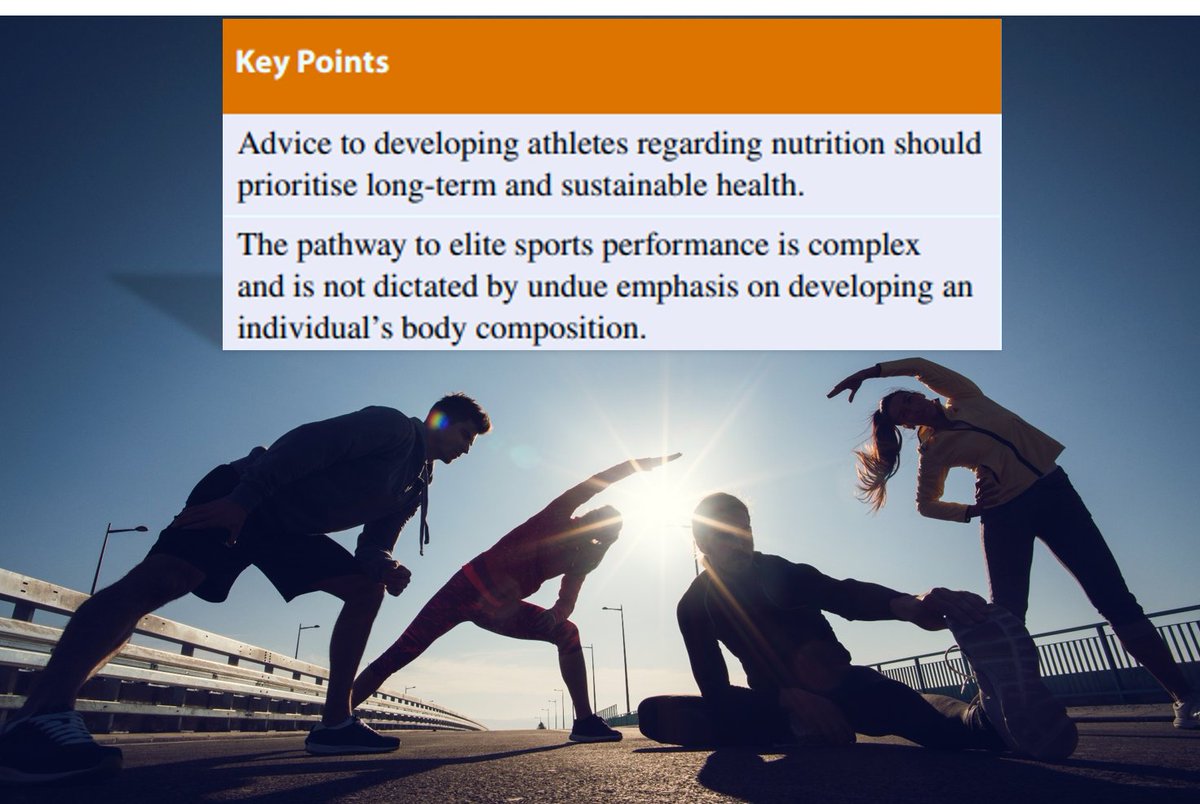
Adolescent athletes have unique nutritional requirements; dietary education & recommendations should reinforce eating for long-term health & should reflect daily exercise demands to support #Youth#athletes & their #development https://t.co/E2xff4Cqd6 @bendesbrow@GPPartner#GSSI