According to @mfcannon, Medicare Advantage doesn’t just cost more. It redistributes subsidies away from sicker enrollees toward healthier ones.
https://t.co/78YBUsgSmC
@statnews To tackle this issue, the authors have convened a meeting: "Novel Solutions to Address the Rising Cost of Oncology Drugs: Targeting the Demand Side."
The event will take place on March 4-5 and is open to the public
-@mfcannon
You can register online:
https://t.co/e3Q0nQ7iec
In oncology, higher doses often come with more side effects but are not more effective. CMS pays for excessive doses of these drugs, damaging the health of patients and the finances of the government.
It need not be this way.
🧵 1/5
@statnews According to the authors:
“Given the unsustainable rise in this country’s health care spending, it is critical that legislators, regulators, payers, prescribers, and patients consider opportunities to reduce health care spending beyond simple price negotiations or controls.”
4/5
Over-the-counter access shouldn’t depend on Big Pharma’s incentives.
Jeff Singer (@dr4liberty) says, “A system that allows drug makers to profit from restricted access will never liberalize on its own - and patients will continue to bear the cost.”
https://t.co/6SEdsDlaih
The CBO just raised its 10-year projections on Medicare Part D spending by $600B. The Inflation Reduction Act is "dessert first, spinach later" budgeting, says @mfcannon on @talkradiobob .
https://t.co/LoZpfbMNDU
Guess WHO's gone?
Yesterday, the US officially left the World Health Organization. Its departure will significantly reshape global efforts to prevent disease, maybe for the better.
https://t.co/mENYwCCGXi
Obamacare denied cancer coverage to 4-year-old leukemia patient Colette Briggs.
Her father, Christopher Briggs of @IndependentInst, testifies that secure access to care requires freedom from Obamacare.
Republicans can lower the cost of living by restraining federal spending and ending policies that drive up prices.
According to @RominaBoccia, @mfcannon, and @adamnmichel, a second reconciliation bill can achieve these goals and much more:
https://t.co/8B8Xw83HWO
Two of the stated goals of the President's "Great Healthcare Plan" include expanding access and #affordability.
According to @mfcannon, Trump’s greatest first-term health care accomplishment can accomplish just that:
Read more:
https://t.co/t1WYU1KoL3
Last week, President Trump unveiled his "Great Healthcare Plan." Michael Cannon (@mfcannon) and Jeff Singer (@dr4liberty) got together to discuss what's good and what's missing from this proposal.
Liston online:
https://t.co/vcDm1z21ew
Every time government intervention causes patients to suffer, the media and supporters of these laws blame insurers. In nearly 30 years, I cannot recall a single instance in which the media have addressed the government’s role.
https://t.co/5K2Fljvox1
🎬FILM SCREENING🎬
On Tuesday, the 16th, we will be screening SHUFFLE, an award-winning film on the addiction treatment industry.
A discussion with the film's director and health policy experts will follow.
Register and learn more: https://t.co/HqYznZozT2
Watch the trailer:
The market for AI toys is thriving, but politicians are looking towards regulating it.
As @dr4liberty wrote recently: "We don’t need Washington to decide how kids play; we need the freedom for families to choose what works best for them."
Learn more:
https://t.co/GF5gpbxH9s
This occurs because:
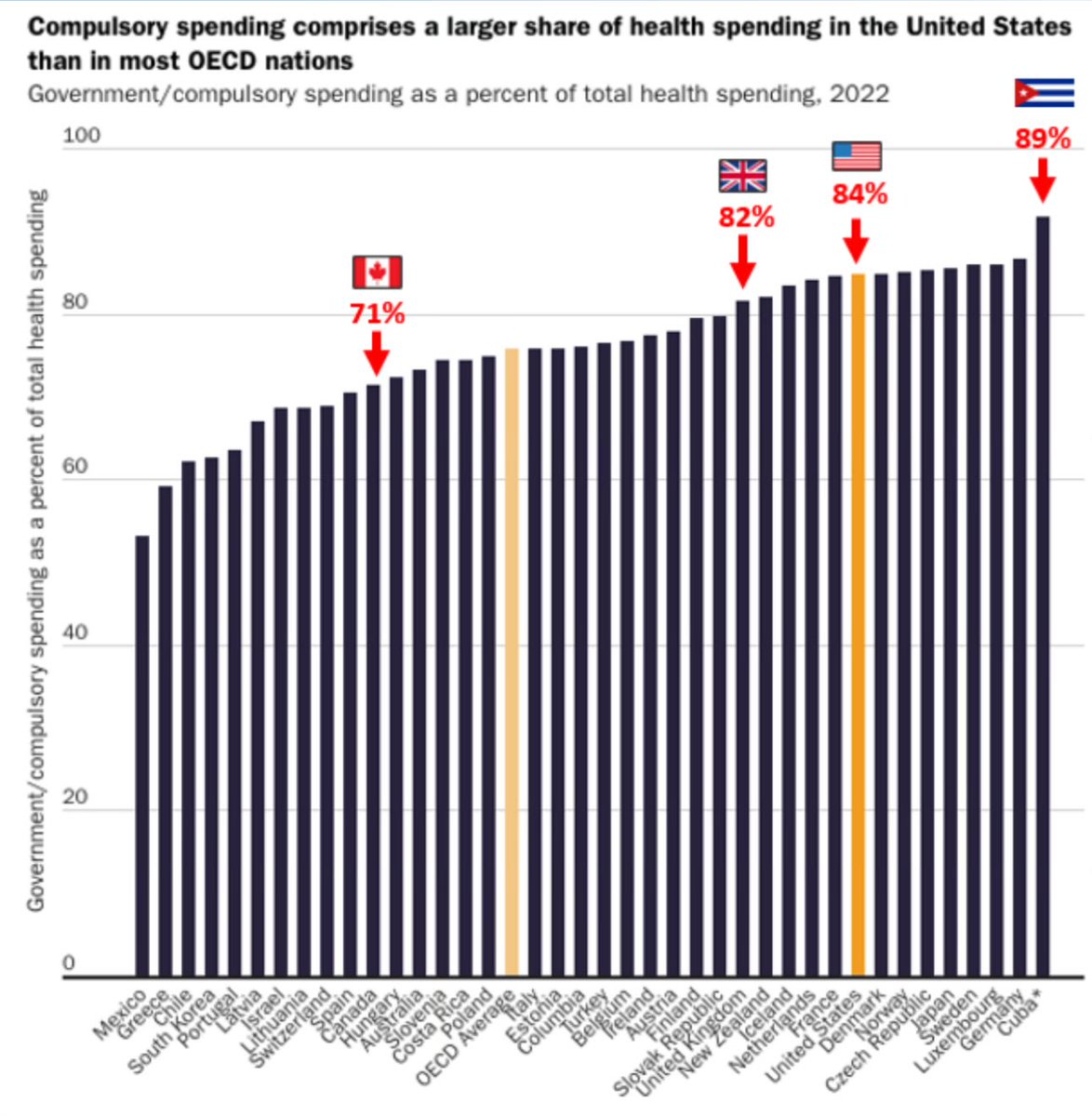
1) Govt controls a larger share of health spending in the US than in most OECD nations
2) The health sector spends more than any other economic sector to protect wasteful spending
3) Deficit spending reduces countervailing pressure from taxpayers
HHS Sec. RFK Jr.’s firing of the CDC director is a reminder: public health must be decentralized and removed from government control.
Read @dr4liberty's latest post: https://t.co/fXVGYsuvQ2
"From fentanyl to nitazenes, the pattern is clear: stricter bans don’t eliminate the danger; they just rename it." @CatoHealth https://t.co/JW7N2opCwc via @CatoInstitute
In a competitive market, price-sensitive patients put downward pressure on the prices of the medical goods and services they need or want. @CatoHealth https://t.co/ctlKQqItJq via @CatoInstitute