We announced the Trillion Parameter Consortium (TPC, see https://t.co/K0sFXZN4wp) today - more than 500 people from more than 60 organizations around the world. https://t.co/Hy9yf2wOhy
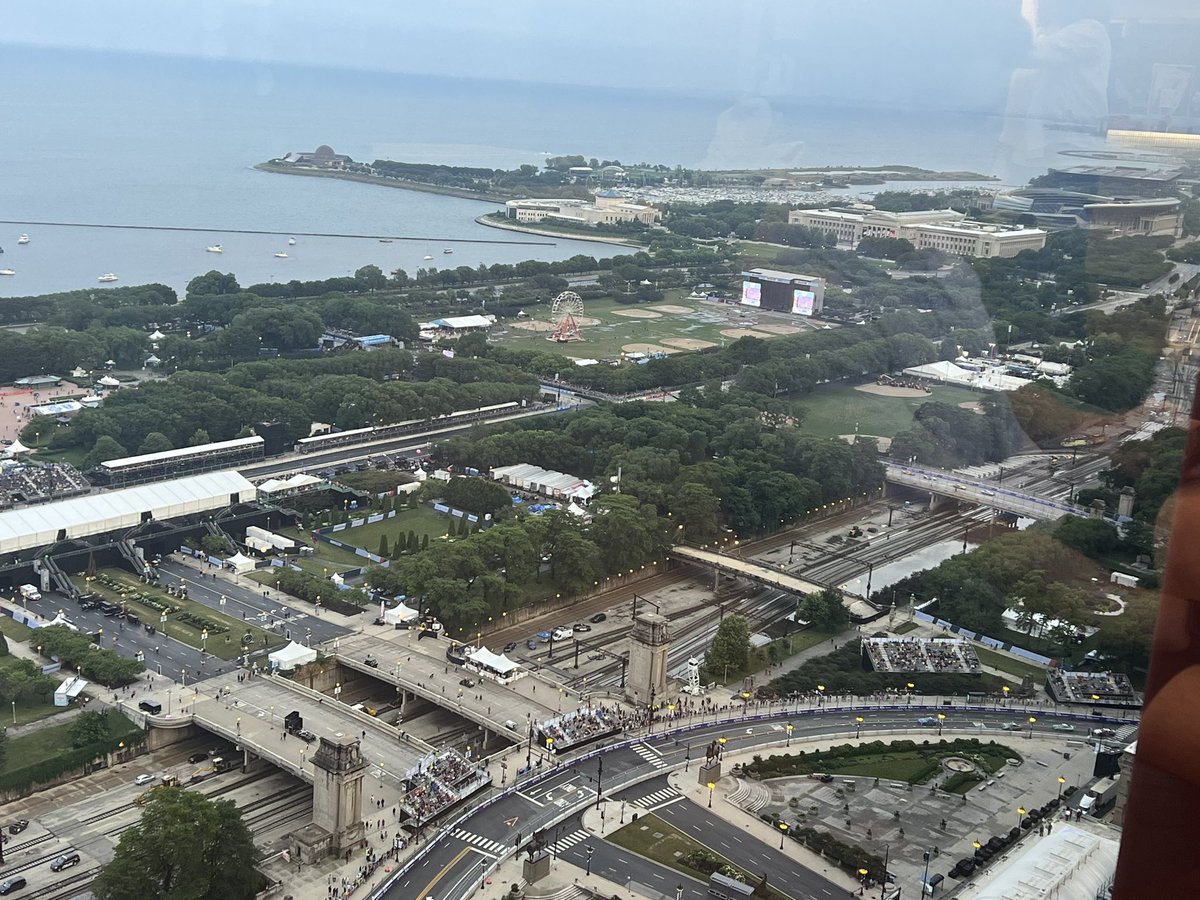
Fun to watch NASCAR from above (my first). Though they keep wiping out taking a left off Columbus onto Balbo and I have to say I’ve taken that turn countless times without any issues. ¯\_(ツ)_/¯
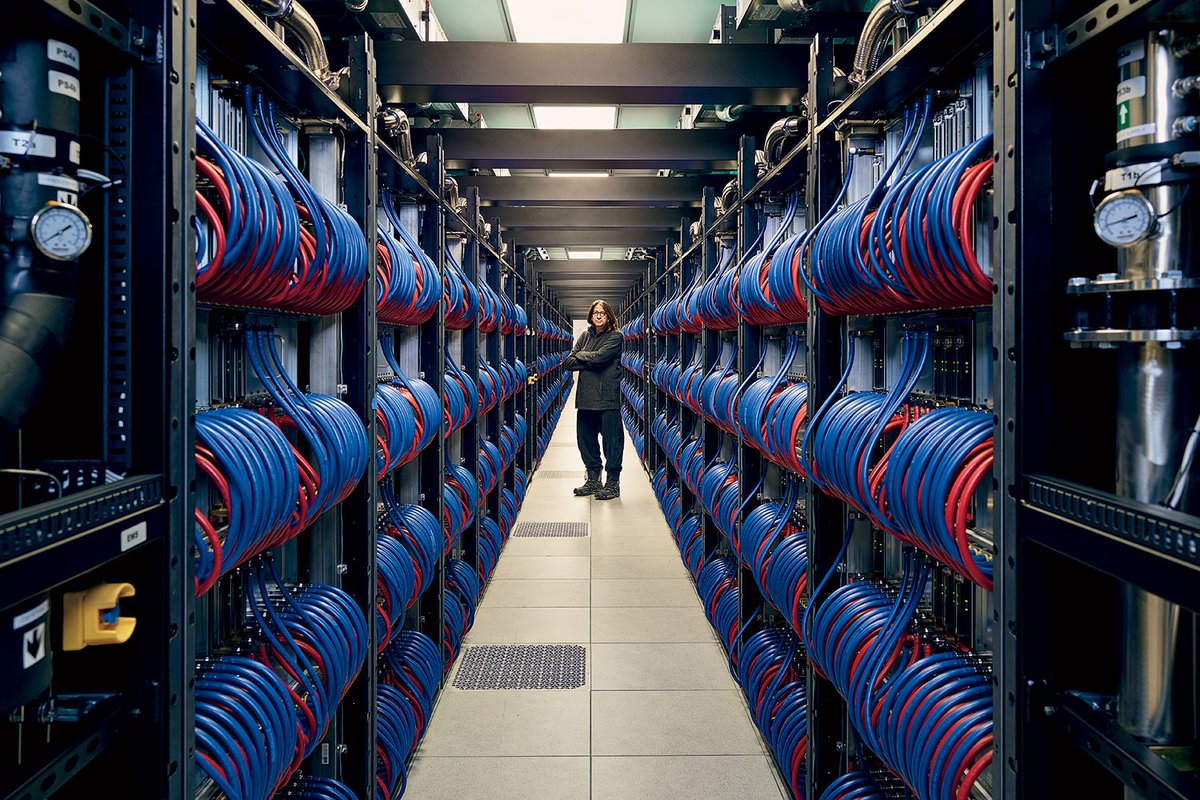
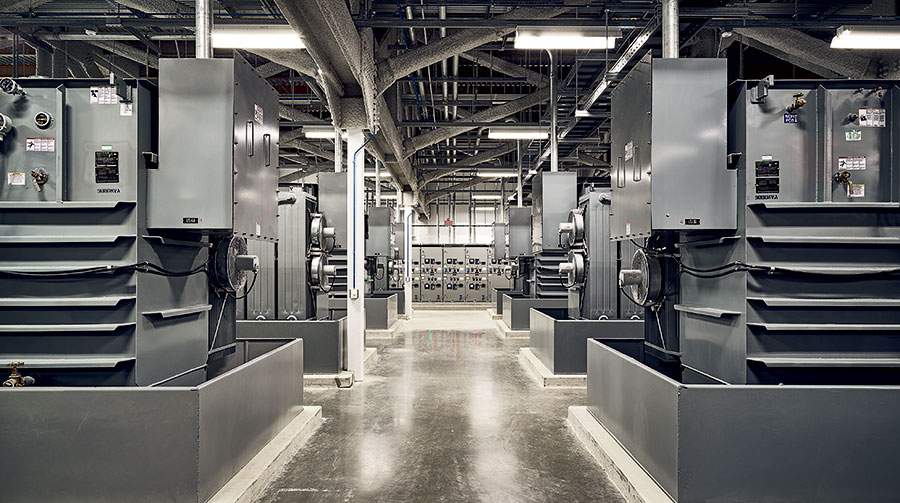
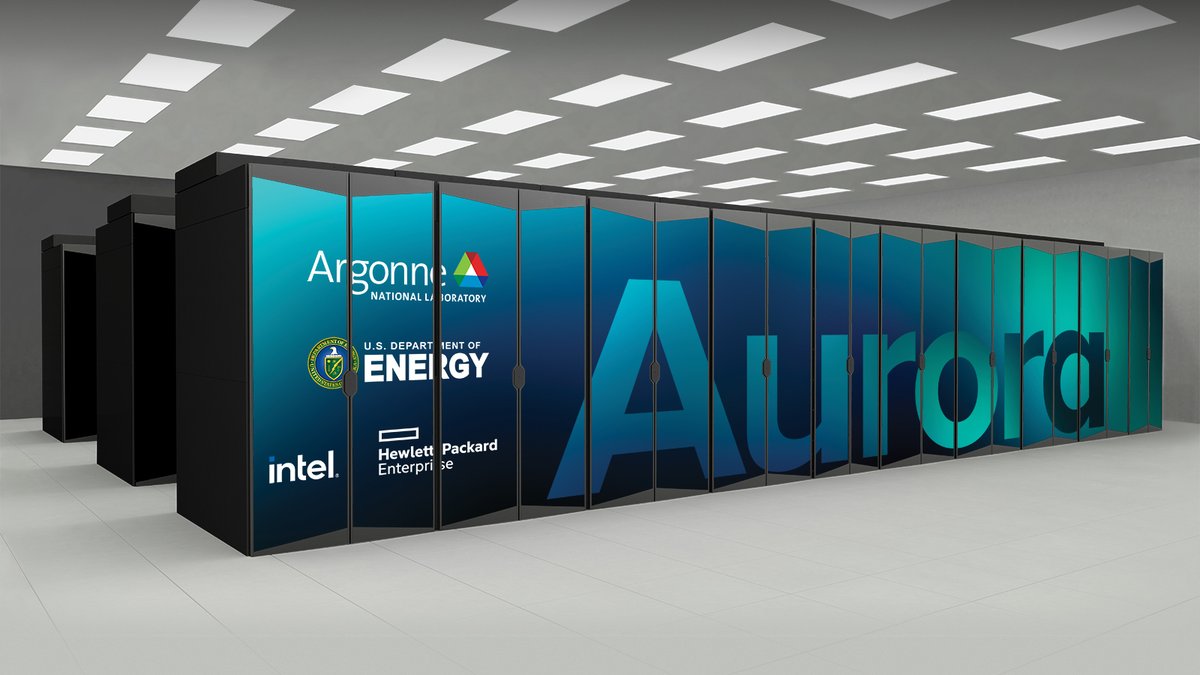
A new article from @ChicagoMag details the efforts to build @argonne's Aurora #exascale supercomputer and how it will help drive advances in science and technology.
https://t.co/0nHG3y0v4P
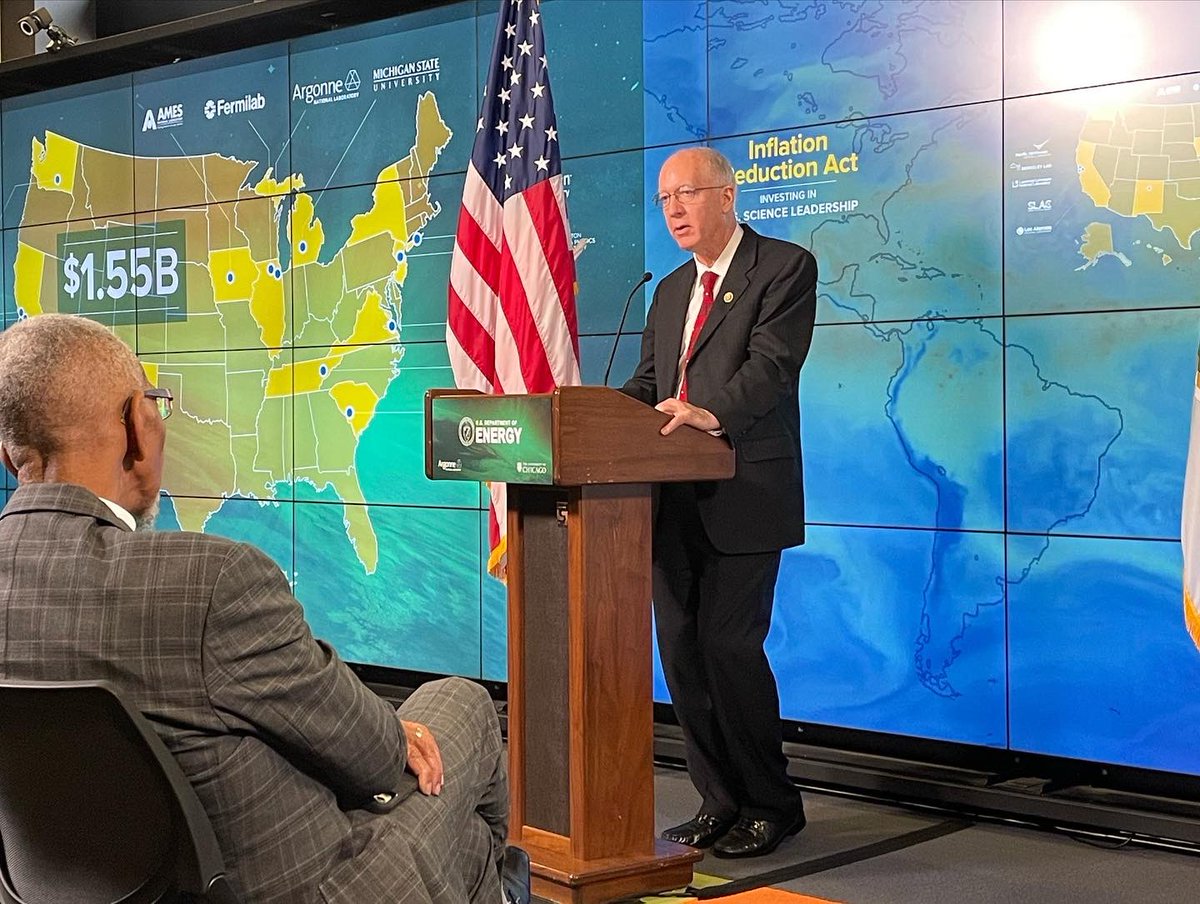
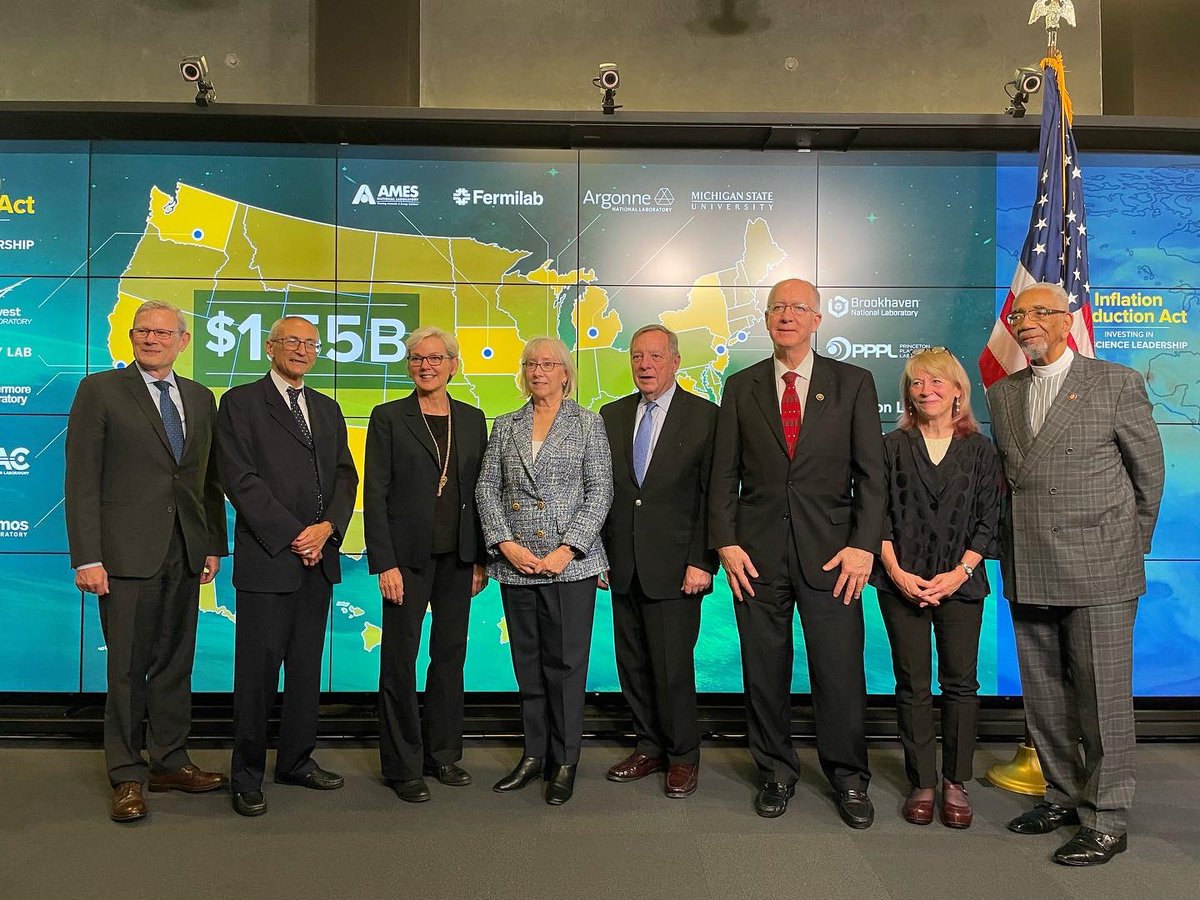
Was great to join @SecGranholm, @SenatorDurbin, @RepBobbyRush & WH officials at @Argonne to highlight funding for our national labs featured in the #InflationReductionAct.
These investments will accelerate scientific discovery to help us build a cleaner, stronger economy!
#ExascaleDay is tomorrow! Follow along all week to learn how @doescience's #exascale supercomputers will supercharge a new era of scientific discoveries.
At @argonne, we're collaborating with @intelhpc and @HPE_HPC to launch the upcoming Aurora system ▶️ https://t.co/djr4vIWLdx
I posted "The History of the Grid" on Arxiv. This 2011 article reviews the work that, from the 1990s onwards, pioneered on-demand and federated computing and data over then-new high-speed networks. https://t.co/XTpWnpmWkH
Congratulations to Jack Dongarra for well-deserved Turing Award. His use of mathematics, in particular linear algebra, as a language for programming increasingly complex computer architectures has lasted 30+ years and enabled scaling by billions. https://t.co/goeNWQt0FT
Underpinning the Intergovernmental Panel on Climate Change (IPCC)'s 6th Assessment report are climate models run on huge parallel computers. Today, those computers are close to exascale; 25 years ago, they ran around one billion times more slowly 1/5 https://t.co/Q6ILsXvdkT