Путин считает, что Запад «вымирает и вырождается», а Россия «выбирает жизнь»
Население за годы правления Путина:
🇺🇸 США (+67 млн)
2000 год: 282 млн
2026 год: 349 млн
🇪🇺 Европа (+36 млн)
2000 год: 499 млн
2026 год: 535 млн
🇷🇺 Россия (-4 млн)
2000 год: 147 млн
2026 год: 143 млн
President Trump Lost This War
The United States is emerging weaker — militarily, diplomatically and economically — and will pay strategic costs for years to come
https://t.co/3wkUYKW5Zz
O DOI-CODI decretou que as redes sociais são corresponsáveis pelos crimes cometidos pelos usuários.
Ou seja, terceirizaram para as big techs a responsabilidade de censurar quem critica o governo e mamadores públicos.
Nem na Coreia do Norte é assim!
Segundo o Itaú, o brasileiro mandou R$ 68 bilhões para casas de aposta no último ano.
No mesmo período, 80% das famílias estão endividadas e milhões com o nome negativado.
Por trás desses números existe uma escolha que separa quem perde de quem constrói patrimônio:
Plano da China por autossuficiência alimentar ameaça o agro brasileiro
Brasil fornece mais de 60% de toda a soja importada por Pequim e cerca de 40% de sua carne bovina
https://t.co/VcjJpHel4S
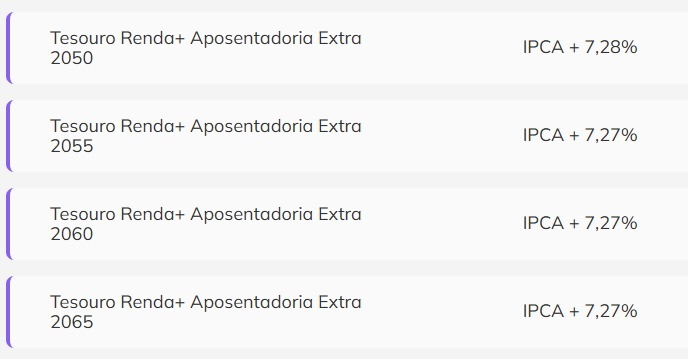
Imagina você receber 7% acima da "inflação" por 40 anos só porque o Estado quer pagar salário de servidor cabide de emprego, viagem da Janja, salário de R$ 1 milhão para juiz e embaixada em Roma para comediante ficar hospedado...
E tem gente que acredita que essa conta fecha!
In 1997, Steve Jobs walked up to a whiteboard at Apple, drew a 2x2 grid, and told the room that Apple was going to make 4 products. Everything else, gone.
Apple was making more than 70 at the time.
The company was 90 days from bankruptcy.
He had just come back to Apple more than a decade after being thrown out of it. Apple had bought NeXT, his second company, the December before. A board fight had pushed out the existing CEO over the summer. By September, Jobs was in charge again. Interim CEO, the title said. Nobody believed the "interim."
The company he walked into was almost dead. Apple had lost $1 billion that fiscal year. Sales had collapsed 30% in a single quarter. Microsoft had just invested $150 million to keep the company alive.
The company was making 11 different desktops, 4 laptops, multiple printers, cameras, scanners, the Newton, the Pippin game console, and a small empire of clones it had licensed to other manufacturers. Most of the products lost money. Most customers couldn't tell them apart. Jobs reportedly said he couldn't figure out what to recommend to his own friends and family when they asked him which Mac to buy.
So he drew the grid. Consumer and Pro across the top. Desktop and Portable down the side. One product per box. 4 products total.
The Newton was killed. The Pippin was killed. The QuickTake camera was killed. The printer division was killed. The clones were killed, with Apple paying around $100 million in stock to shut down Power Computing, the biggest licensee, just to end the program. Thousands of employees lost their jobs along with the products they were working on.
The 4 products that remained were the Power Mac G3 in the pro corner, the iMac for consumer desktop, the PowerBook G3 for pro portable, and the iBook for consumer portable. The "i" stood for internet, but it also stood for the simpler thing Jobs had drilled into the company. One thing per quadrant. No more.
The first one out the door was the iMac. Bondi blue, all-in-one, no floppy drive, priced at $1,299. Apple sold 800,000 of them in the first 4 months. The product Jobs had drawn in one corner of a whiteboard grid was the thing that brought the company back from the dead.
A year after the grid, Apple posted a $309 million profit, its first profitable year in nearly a decade.
The iPod arrived in October 2001. 1,000 songs in your pocket, $399, one product. iTunes followed. The iPhone arrived in 2007. The iPad in 2010. Each one was the same story. A single product per category, designed by first deciding what it wasn't going to be.
By the time Jobs died in 2011, Apple's market value had gone from around $3 billion when he returned to over $350 billion, on its way to becoming the most valuable company on earth.
People remember the products. They forget the killing.
The iPod was approved while Apple was killing dozens of other gadget concepts at the same time. The iPhone was approved while Jobs was killing internal projects right up to the moment of its launch. The iPad sat in his office in prototype form for years before Jobs let it ship.
He said it cleanly at a developer conference around that time.
"People think focus means saying yes to the thing you've got to focus on. But that's not what it means at all. It means saying no to the hundred other good ideas that there are. You have to pick carefully. I'm actually as proud of many of the things we haven't done as the things I have done. Innovation is saying no to 1,000 things."
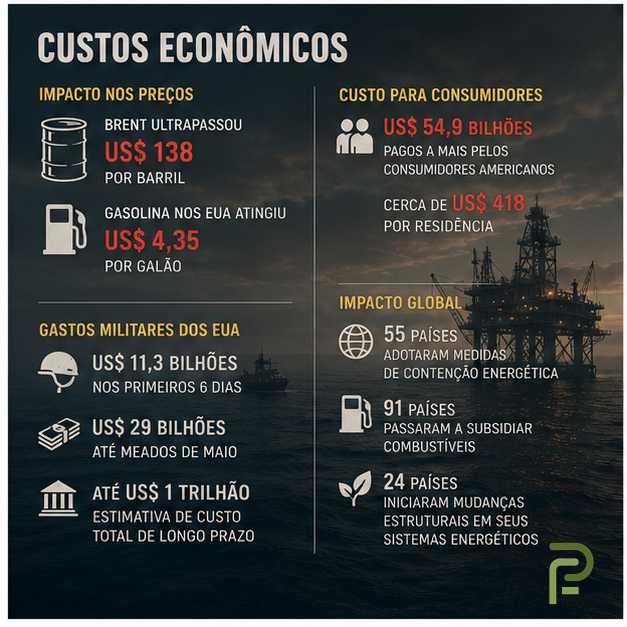
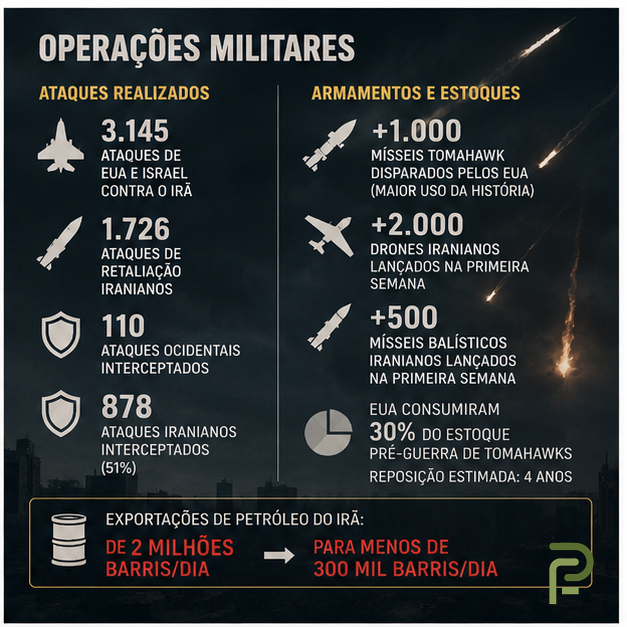
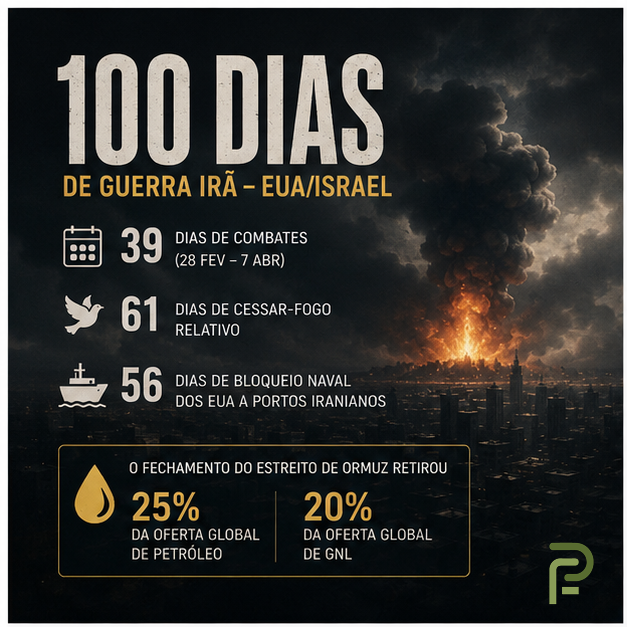
Hoje a guerra EUA/Israel x Irã chega ao 100º dia. A reportagem da @Newsweek apresenta os impressionantes números relacionados ao conflito, que servem de fonte para os infográficos abaixo. https://t.co/KifdaLwpQL
Brasil está na liderança de IA:
- IA ter picanha
- IA ter cerveja
- IA ter crescimento econômico
- IA ter liberdade de expressão
- IA ter diminuição de impostos
- IA ter progresso
- IA respeitar o povo
- IA ter poder de compra
Qual IA faltou aí na tua visão?
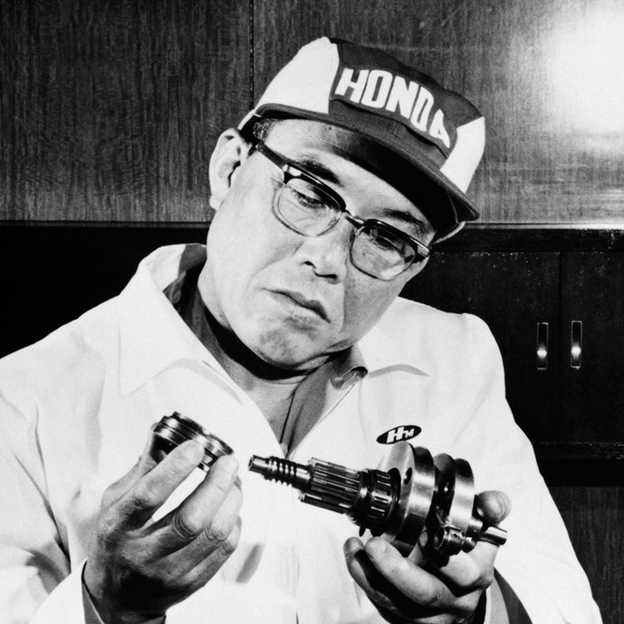
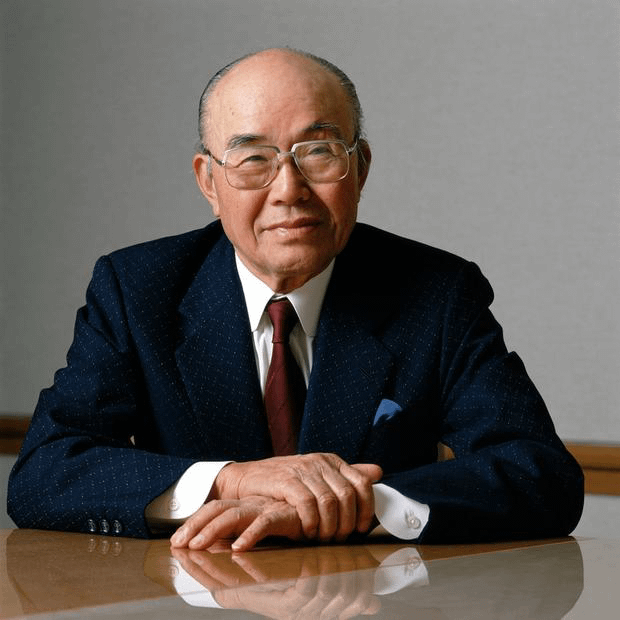
Soichiro Honda's first vehicles were small gasoline engines, originally built to power Japanese army radios, bolted onto bicycle frames.
He wasn't being clever. It was 1946 and most of Japan was in rubble.
Honda was born in 1906 in a small town near Hamamatsu, the son of a blacksmith. He spent his twenties working as a mechanic. In 1936 he started a side business out of a shed, making piston rings at night.
His first big order was for Toyota. The rings failed Toyota's quality test.
He took the rejection apart and went back to school. He was already in his thirties, sitting in metallurgy classes with teenagers, learning what he needed to learn to fix the part. It took him three years to make a piston ring Toyota would accept.
By the time the war came, his company, Tokai Seiki, had grown to about two thousand employees and was supplying piston rings and aircraft parts across the Japanese war industry.
Then everything was taken from him.
The government seized control of the company. Toyota took a forty five percent stake. Honda was demoted from president to senior managing director of his own factory. In 1944, American B-29s bombed his plants twice. In 1945, an earthquake finished the rest.
He sold what was left to Toyota for four hundred and fifty thousand yen, the same company that had rejected his first rings, and walked away with nothing to show for fifteen years of work.
For about a year after the surrender he drank cheap, illegal alcohol and did almost nothing.
Then in 1946, with the country in ruins and gasoline almost impossible to find, he started over. He set up a small shed on the site of the bombed-out factory with twelve other men, and they tried to build whatever they could sell.
They tried rotary weaving machines. No one bought them. They tried frosted glass panels and woven bamboo roof tiles. Neither worked.
Then he spotted a stack of surplus military engines, the small two-stroke generators that had once powered army backpack radios. Nobody else wanted them. He bought up as many as he could and started bolting them onto bicycles with a belt running to the rear wheel.
People needed any transportation they could get. The bikes sold as fast as he could put them together.
In 1948 he turned the shed into a company. He called it Honda Motor Co. He was forty two years old.
Most success stories edit out the part where the protagonist sat in a heap of rubble for a year drinking. That was the most important year. By the time Honda picked himself up, he'd been told no by Toyota, watched his factory get bombed, watched the rest get leveled by an earthquake, lost his company to the government, and tried and failed at three more businesses before he ever bolted a radio motor to a bicycle.
The man who built one of the largest car companies on earth had already lost everything twice before he started.
Honda put it cleanly himself.
"Success represents the one percent of your work which results from the ninety nine percent that is called failure."