@ChazakielDoremi@red40hq I've just learned about this and after brief reading of the wiki page it sounds like the most Reddit book imaginable. Like, one book to rule of Reddit
Join the Isometric Sale giveaway – like and repost this post to enter!
Don’t miss your chance to win a key to one of the great games that are participating in the event.
Three winners, along with the game they'll receive a key for, will be chosen randomly after the sale ends on August 20th. So don’t linger!
@nikicaga In Poland, in part thanks to a 51% discount for trains, Flixbus most of the time is either the same price for worse experience or it even can be more pricey than a train.
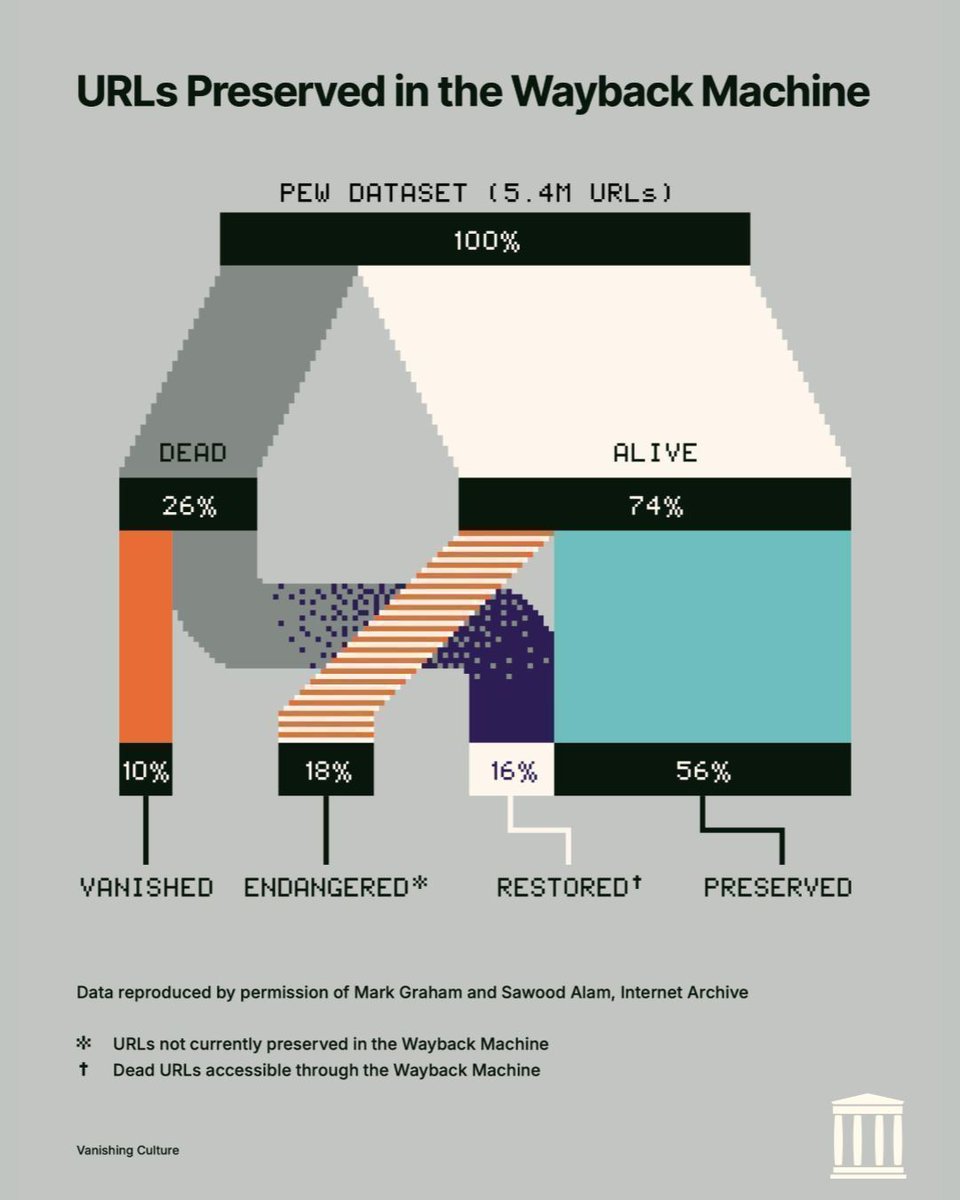
The web is disappearing 🕳️
According to a Pew Research Center report, 26% of pages from 2013-2023 are no longer accessible.
But that’s not the whole story.
In a new study published in Internet Archive's book, VANISHING CULTURE, data scientists working with the Wayback Machine have found:
16% have been restored through the Wayback Machine.
56% are preserved before they disappear.
Preservation is the remedy for cultural loss.
📚 Read VANISHING CULTURE free from the Internet Archive
📖 Download & read: https://t.co/BrawXOwMBr
🛒 Purchase in print: https://t.co/EB58IliqDm
#VanishingCulture #DigitalMemory #InternetArchive #BookTwitter
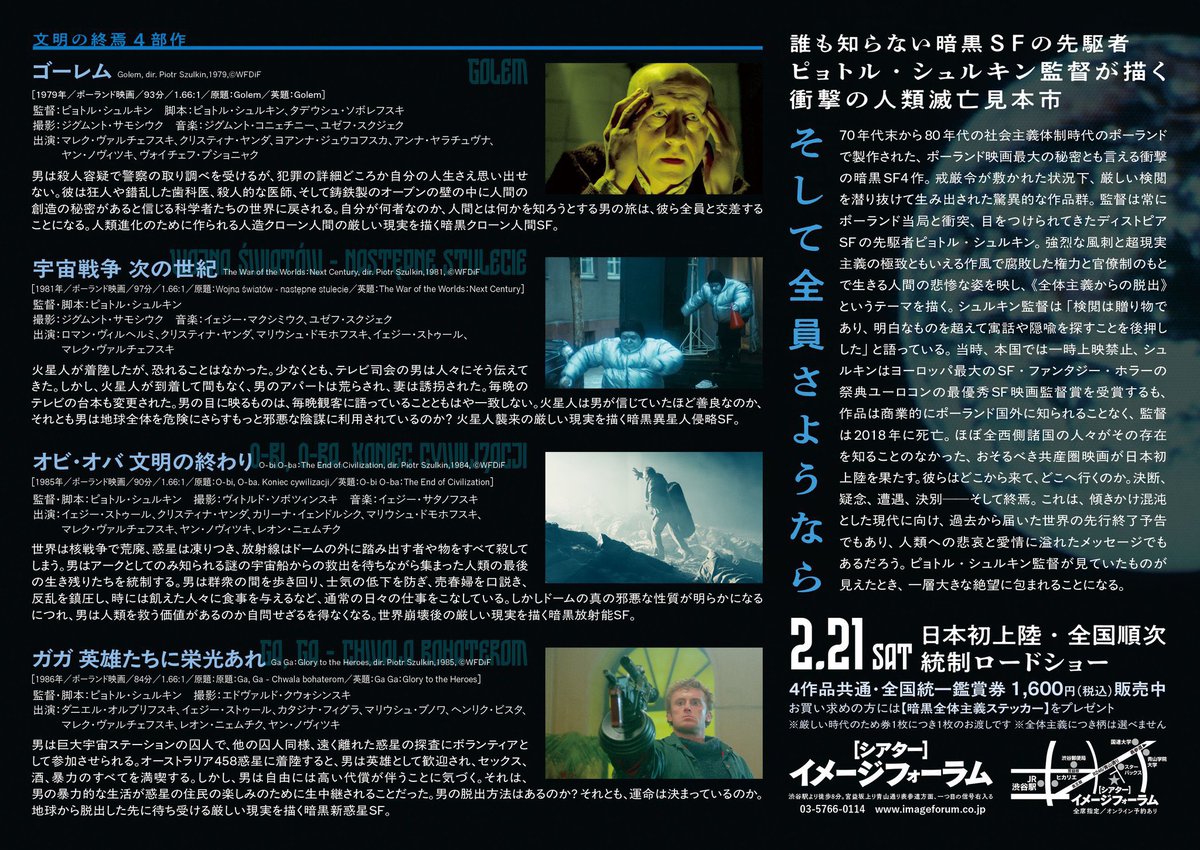
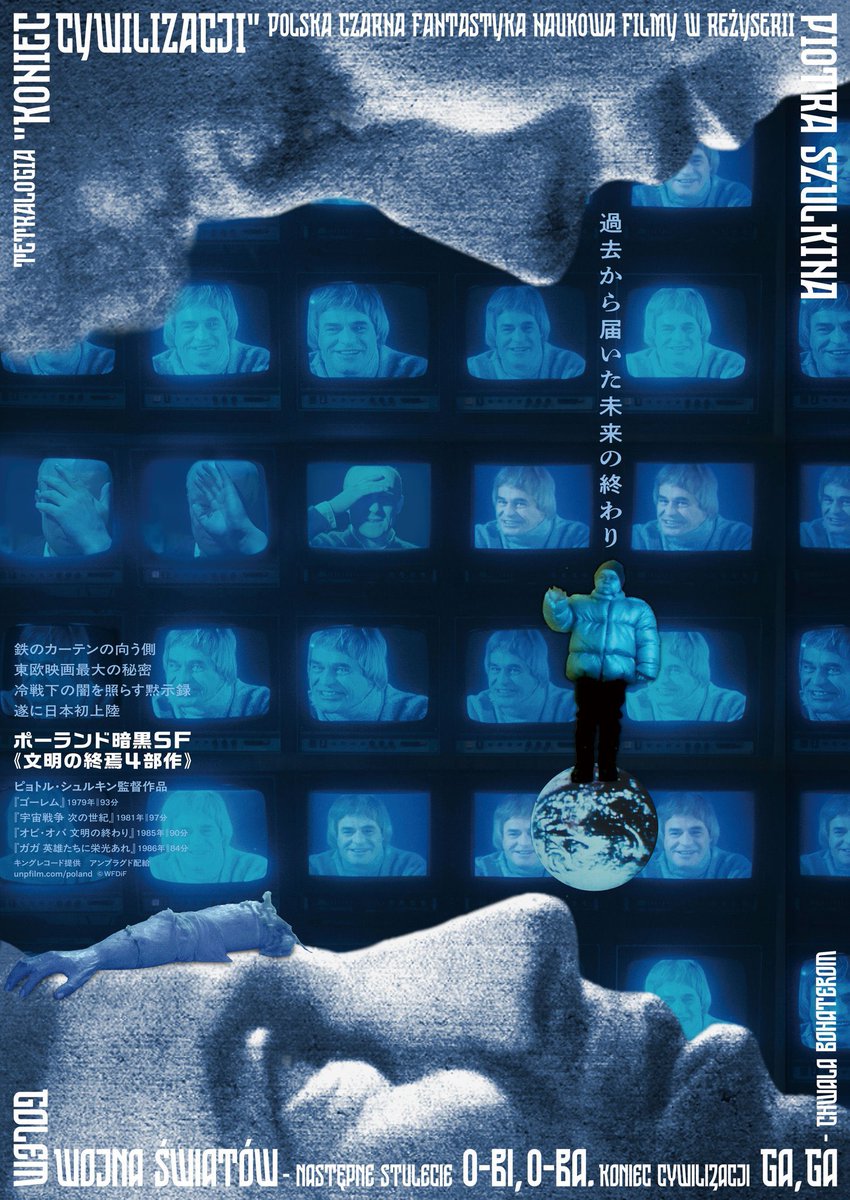
Piotr Szulkin’s Apocalypse Tetralogy
Science fiction was originally devised as a kind of disguise – a medium used to warn us about emerging technologies and future worlds – or to critique contemporary civilization. These SF works, born in Poland under the socialist regime before democratization, are neither space operas nor fantasies. Instead, their introspective “cries” of the time are embedded within in layered, polyphonic form. Now is the moment to rediscover the authentic dystopian SF films made over 40 years ago by director Piotr Szulkin. What awaits us is the same excitement and sense of discovery as opening a time capsule from the past “era.” And for people living in today’s increasingly occluded Japan, those “cries” will surely resonate powerfully across time. Watch them. This is the “cry” of science fiction.
@NierHellFire "Compared to modern digital 500000 mpx cameras and post made in Adobe or DaVinci, Citizen Kane grainy 35mm film and scissor made cuts feels primitive and you shouldn't watch it"
@platounderwater@CrankyFed To make it even funnier, it's a relatively new tradition, "established" during communist era and promoted by them (as for Carp grows quickly and can be grown everywhere so it was promoted then as a cheap source of protein)
@TomNavrtil17@platounderwater@CrankyFed I make a mistake of extrapolating Polish history onto entire cebtral Europe. But here it was mainly established as a cheap source of protein and main Christmas treat by the Hilary Minc, head of ministry of economy from 1944 to 1949. It existed before in polish kitchen...