Crypto transactions are irreversible.
So risk checks should happen before the send.
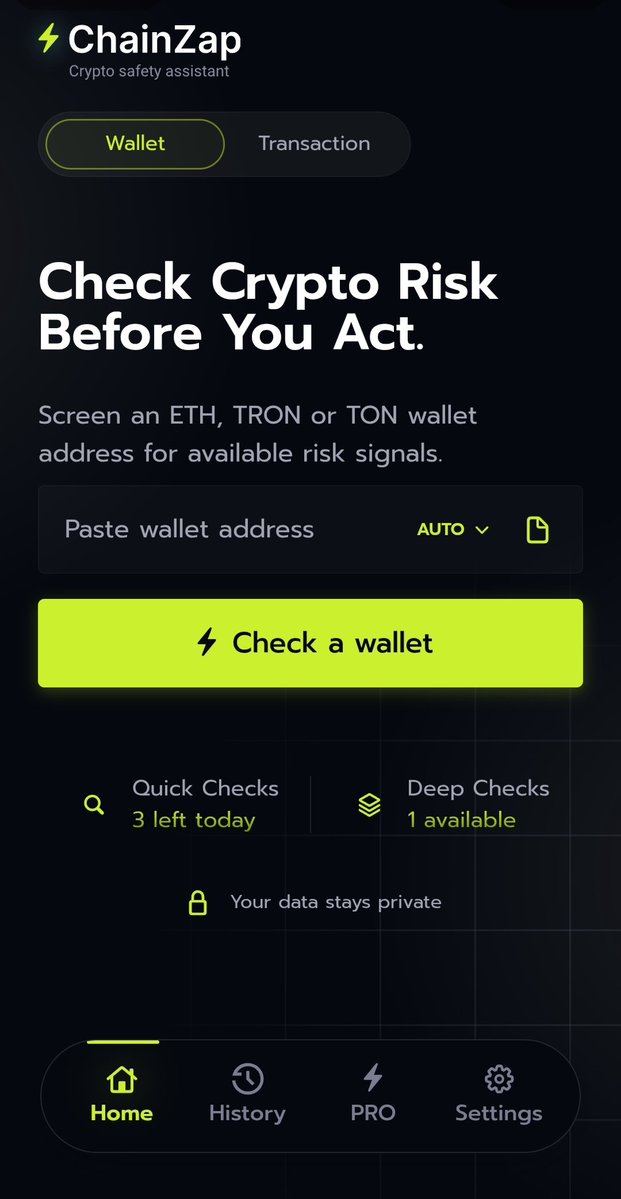
ChainZap checks wallets, transactions, AML/sanctions signals, token authenticity and scam patterns.
Now we’re turning the same engine into an API.
https://t.co/SlKbc6vPFH
@YujinGray Yes, a subscription really does solve the problem with AML restrictions on exchanges; you can immediately see where the funds come from and how clean they are.
What do you get with ChainZap Pro?
5 Deep Checks daily, plus:
• Deep wallet & transaction analysis
• Token authenticity & sanctions checks
• Risk exposure & on-chain flows
• Deep Sharing
For those who need more than a quick check.
What do you get with ChainZap Pro?
5 Deep Checks daily, plus:
• Deep wallet & transaction analysis
• Token authenticity & sanctions checks
• Risk exposure & on-chain flows
• Deep Sharing
For those who need more than a quick check.
Crypto transactions are irreversible.
So risk checks should happen before the send.
ChainZap checks wallets, transactions, AML/sanctions signals, token authenticity and scam patterns.
Now we’re turning the same engine into an API.
https://t.co/SlKbc6vPFH
@YujinGray That's how unsafe modern technology is, which is why you should always keep your money in different places so you don't lose it all at once.
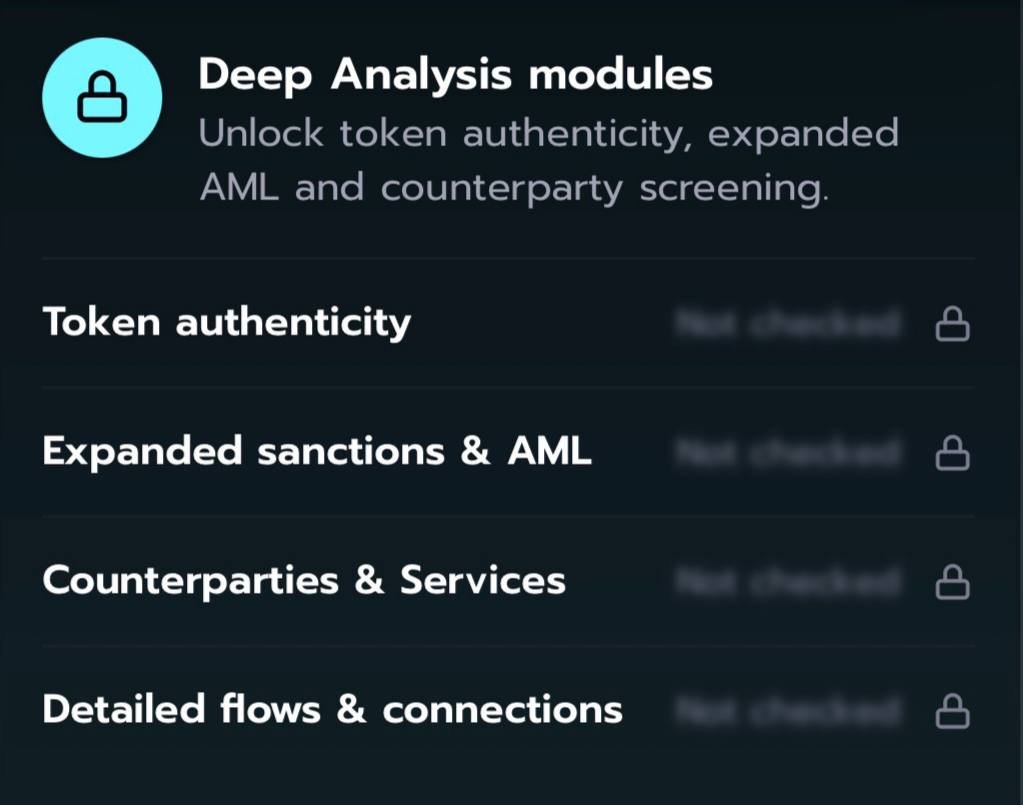
One of the most interesting features in ChainZap is its in-depth analytics.
In fact, you not only get statistics on network traffic and connections, as well as token authenticity, but you can also determine whether
it’s safe to send funds to a particular address that is, AML.
One of the most interesting features in ChainZap is its in-depth analytics.
In fact, you not only get statistics on network traffic and connections, as well as token authenticity, but you can also determine whether
it’s safe to send funds to a particular address that is, AML.
The most expensive mistake in product development is solving a problem the user doesn't have.
You can spend months polishing the UI, adding features, and debating details. But if the user isn't experiencing real pain, none of it matters.
That's why I find myself thinking less about what else to add to the product, and more about:
What problem is the user trying to solve right now?
A great product doesn't start with a feature.
It starts with the right question.
I noticed an interesting pattern in the market: it seems the people making the most money are the ones closest to Trump.
The market had been quiet for months few major catalysts, whales on summer vacation, and even the CLARITY Act pushed to the fall.
Then Trump started talking about how important the bill is, and Bitcoin quickly jumped back to May levels.
But don't get too excited. If the market can move this much on one statement, the next one can just as easily send it back down.
In crypto, sometimes one post is all it takes to move billions.
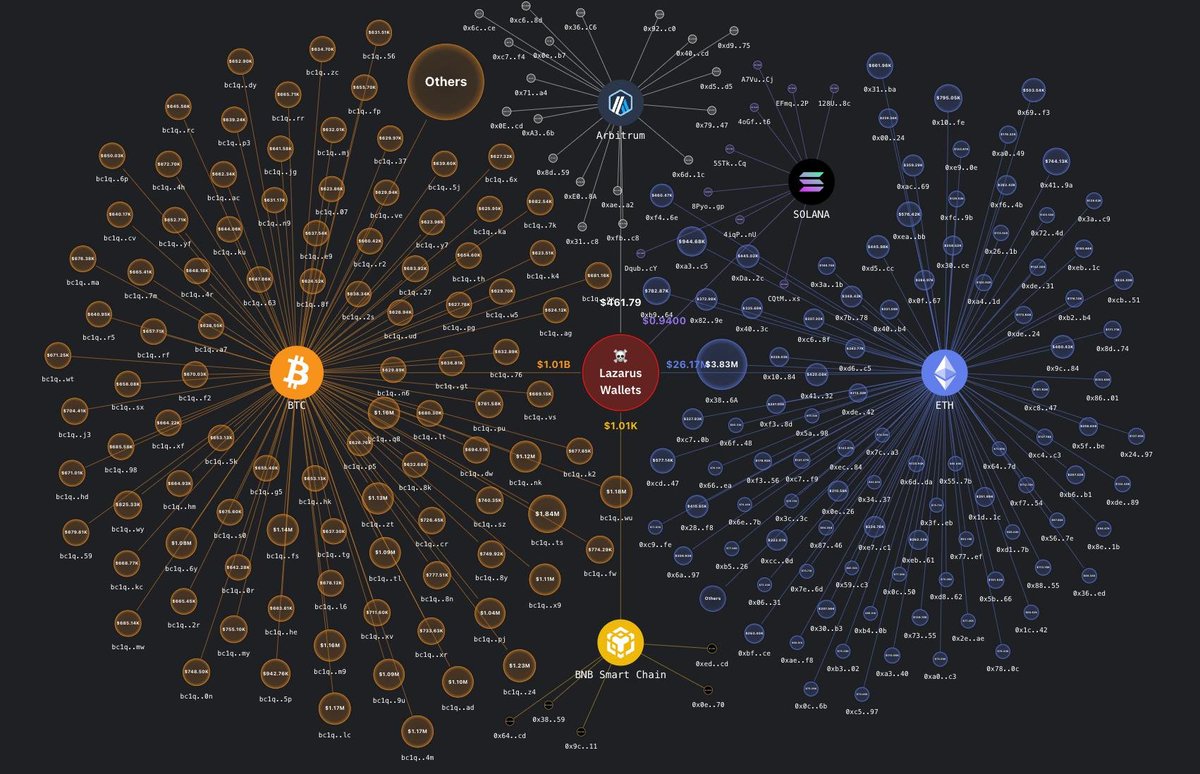
How did North Korean hackers turn P2P into an exit route for stolen crypto?
The Lazarus Group reportedly moved millions of dollars through P2P marketplaces, including Paxful and Noones.
The pattern was simple: stolen crypto was moved through multiple stages, converted into USDT, and eventually sold through P2P accounts for fiat.
P2P doesn't make risky funds disappear. It can simply hide their origin behind layers of transactions and counterparties.
That's why checking the counterparty isn't enough.
You need to understand the asset you're receiving.
So, check first, then send.
How did one trader try to buy tokens at a discount OTC and end up losing everything?
He found a Telegram group offering SOL at an attractive price. Back then, SOL was far less popular, and many trades were happening through real OTC deals.
One night, the trader sent the money without checking the counterparty’s wallet and went to sleep.
By morning, the money, the chat, and the entire group were gone. The funds were sent and could not be recovered.
This story is real. People rush into deals, overlook the wallet, the group’s reputation, and the escrow simply because the offer looks too good to miss.
In crypto, verification should always come before payment.