@GreenLeapFwd My first guess is that AI is responsible here. Overly enthusiastic sentences and the creative writing choices used in a document like this are key indicators of generative AI tools.
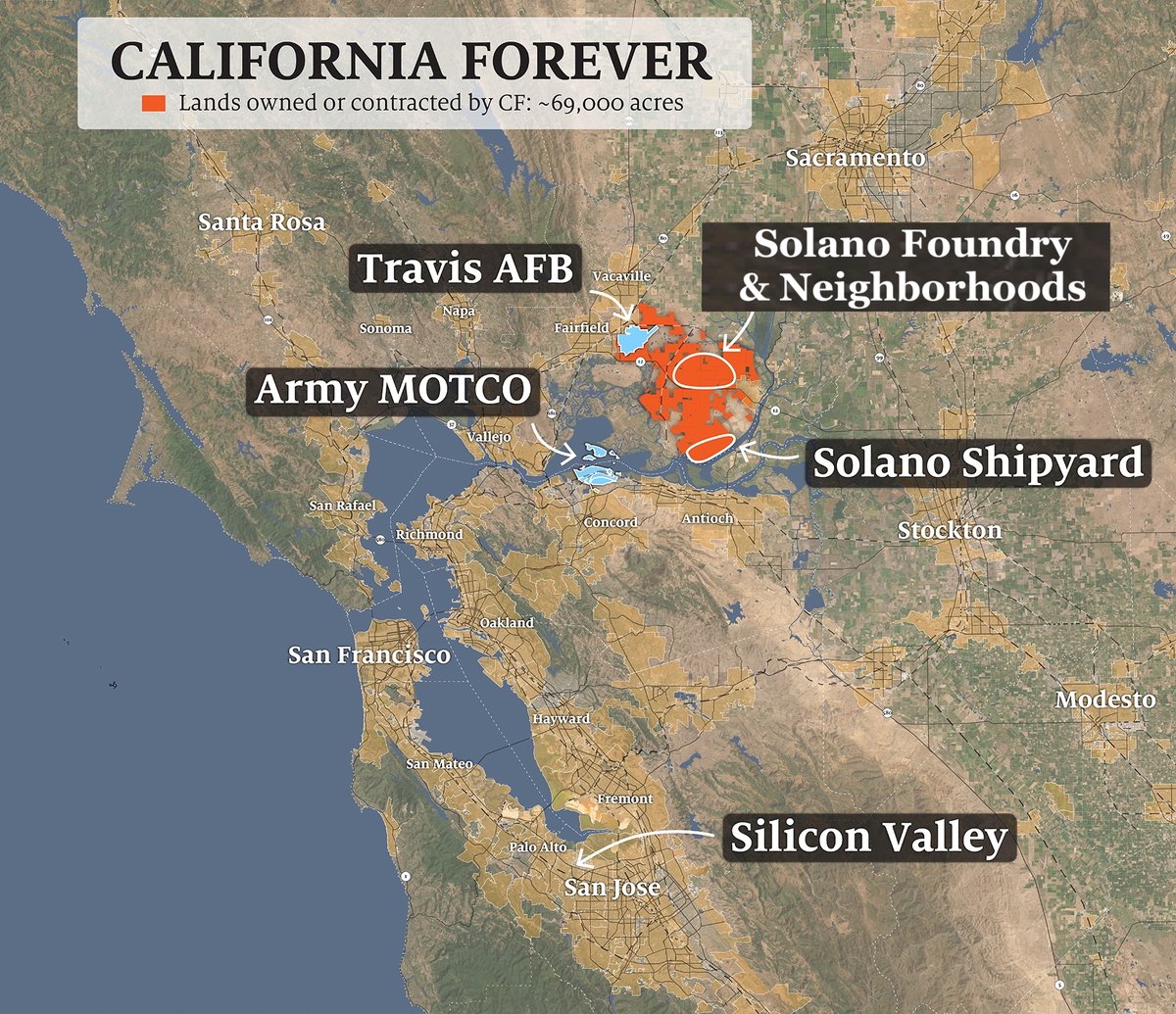
1/ 🇺🇸 Today, @CAForever submitted detailed plans for the next great American city, an hour north of Silicon Valley, including: Solano Foundry, America’s largest manufacturing park, Solano Shipyard, our largest shipyard, and walkable neighborhoods for 400,000 Californians.
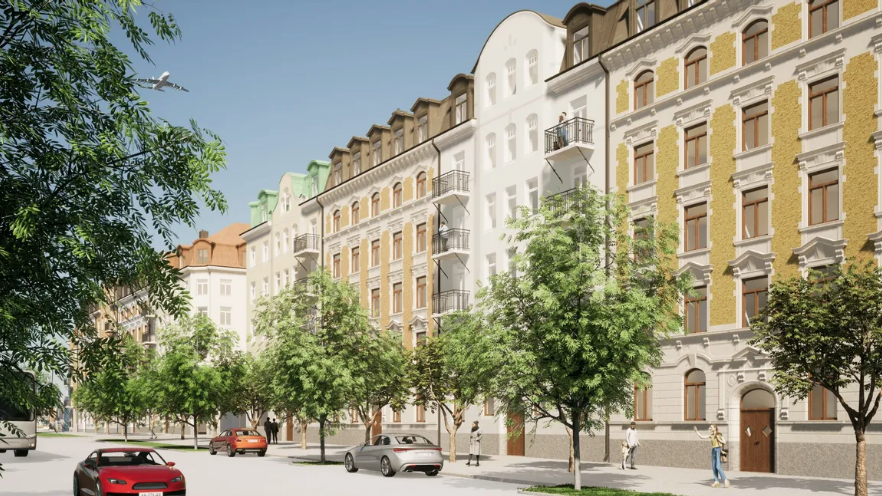
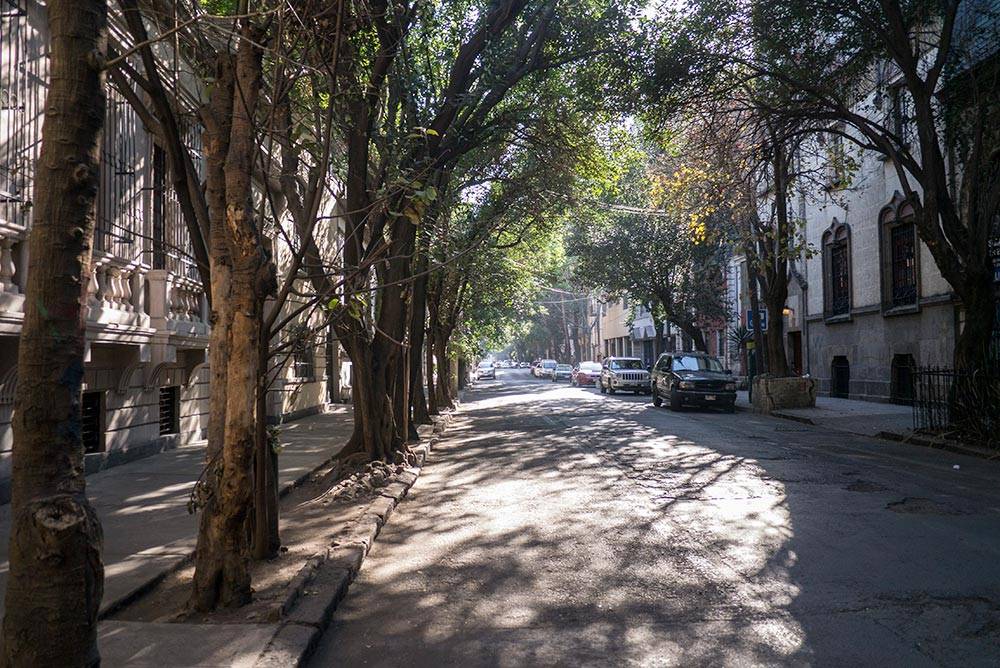
Solve the housing crisis? Build cities filled with these!
Step 1: Take some field somewhere
Step 2: Create a grid street plan, with parks integrated like in Savannah, GA
Step 3: Fill the grid with these buildings
Step 4: Profit
Left: Nils Freckeus
Right: Treese Architekten.
@aripounaki As someone working to gather community input in the local CIP process, I think this definitely rings true. Even when community-driven projects make it through, they're often surpassed by something never heard of before and seemingly improvised to meet funding criterion.
The old California Theater building in the center of downtown San Diego. Has sat abandoned for nearly 40 years and we've spent nearly half that time arguing about what to do with it.
This is a look at the preferred design concept for the #OceanBeach Pier Renewal project. These renderings are the result of more than a year of community engagement and showcase key elements from that feedback. To learn more & provide your feedback, visit https://t.co/HoCyTnPVv7.
"If we revive the street grid and start to undo decades of arbitrary zoning rules, American city planning might finally get back on track," @mnolangray writes: https://t.co/CHebBRMKzd
'#Siri: please give me a visual metaphor for the status of cycling infrastructure in the United States'
Yes, that is an actual bike path.
Yes, those are actually 8 protected lanes for driving.
— Lakeshore Drive, #Chicago