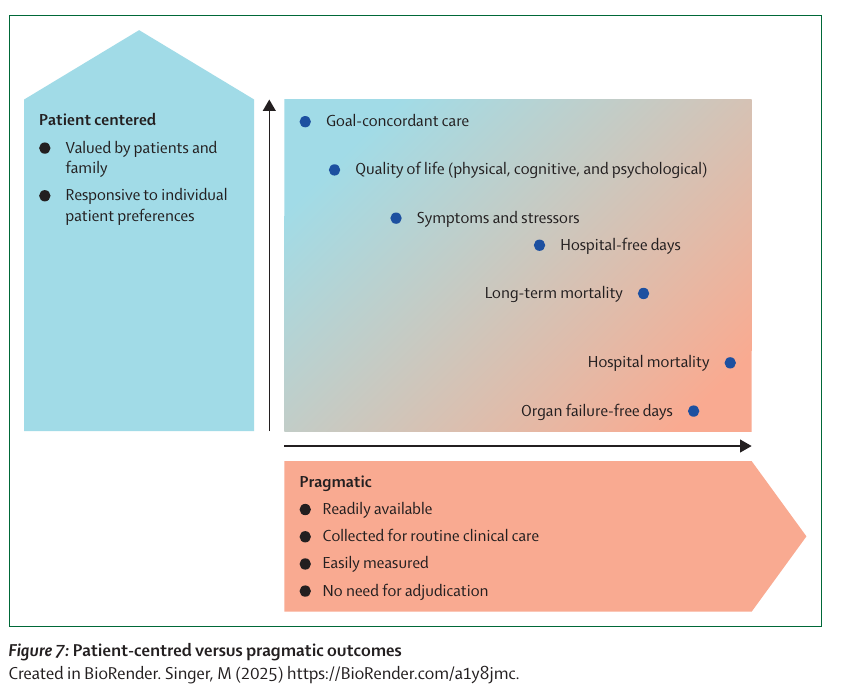
The NHS-Galleri trial reportedly failed its primary endpoint—a sobering reminder from @SullivanProf
and Dr Christopher Booth in this editorial at @JAMA_current
that technological elegance is no substitute for proven patient benefit. 🙂👇 @oncology_bg
https://t.co/SBy5n16VQf
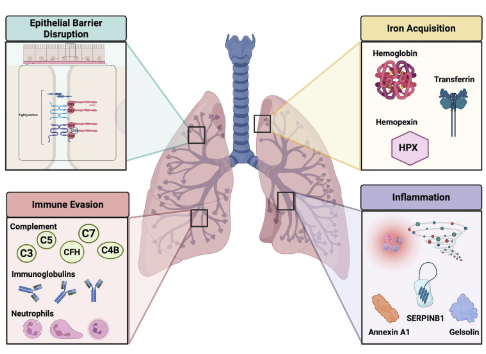
The S. aureus V8 serine protease is a master manipulator of the immune response. But what does it target? Using a high-efficiency N-Terminomic approach, researchers capture ~320 biologically relevant V8 targets in the human lung proteome. #IAIJournal: https://t.co/xdhKuJ53PX
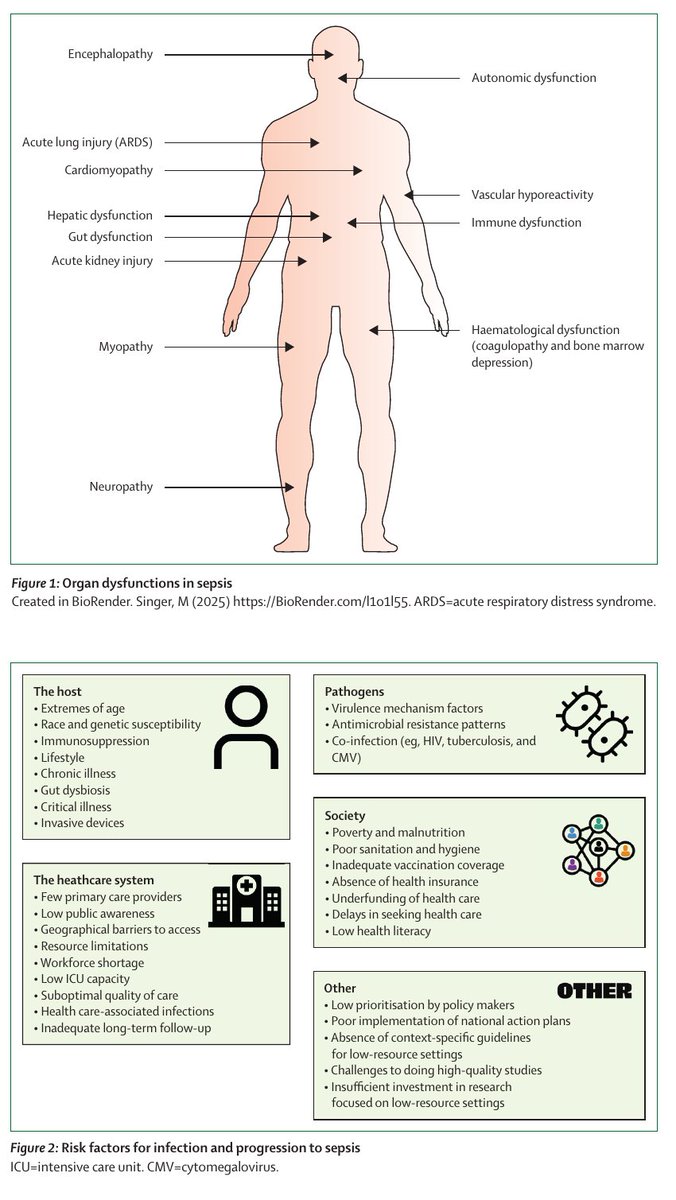
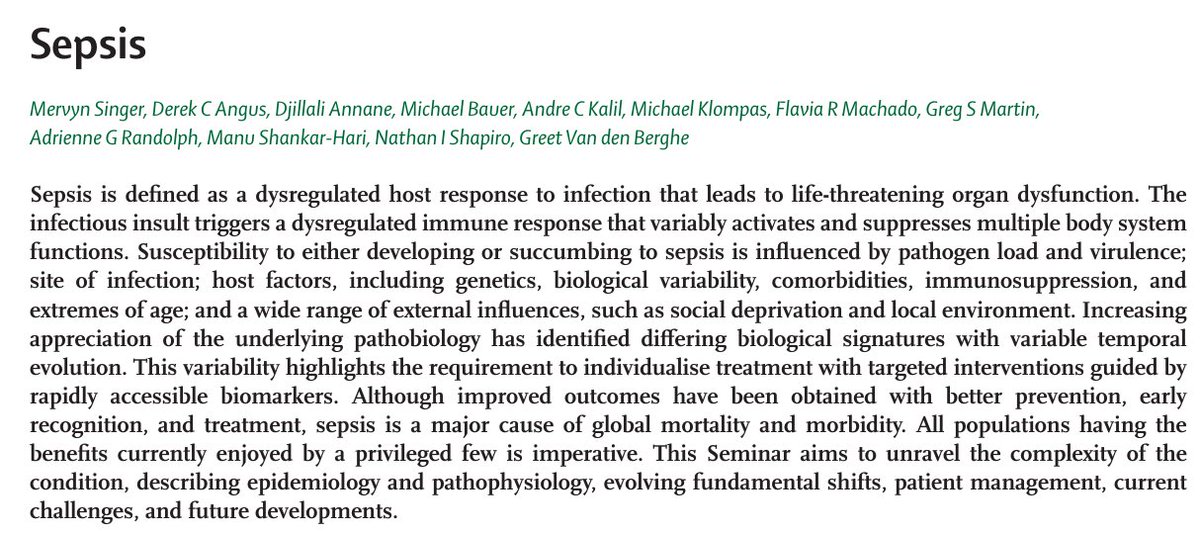
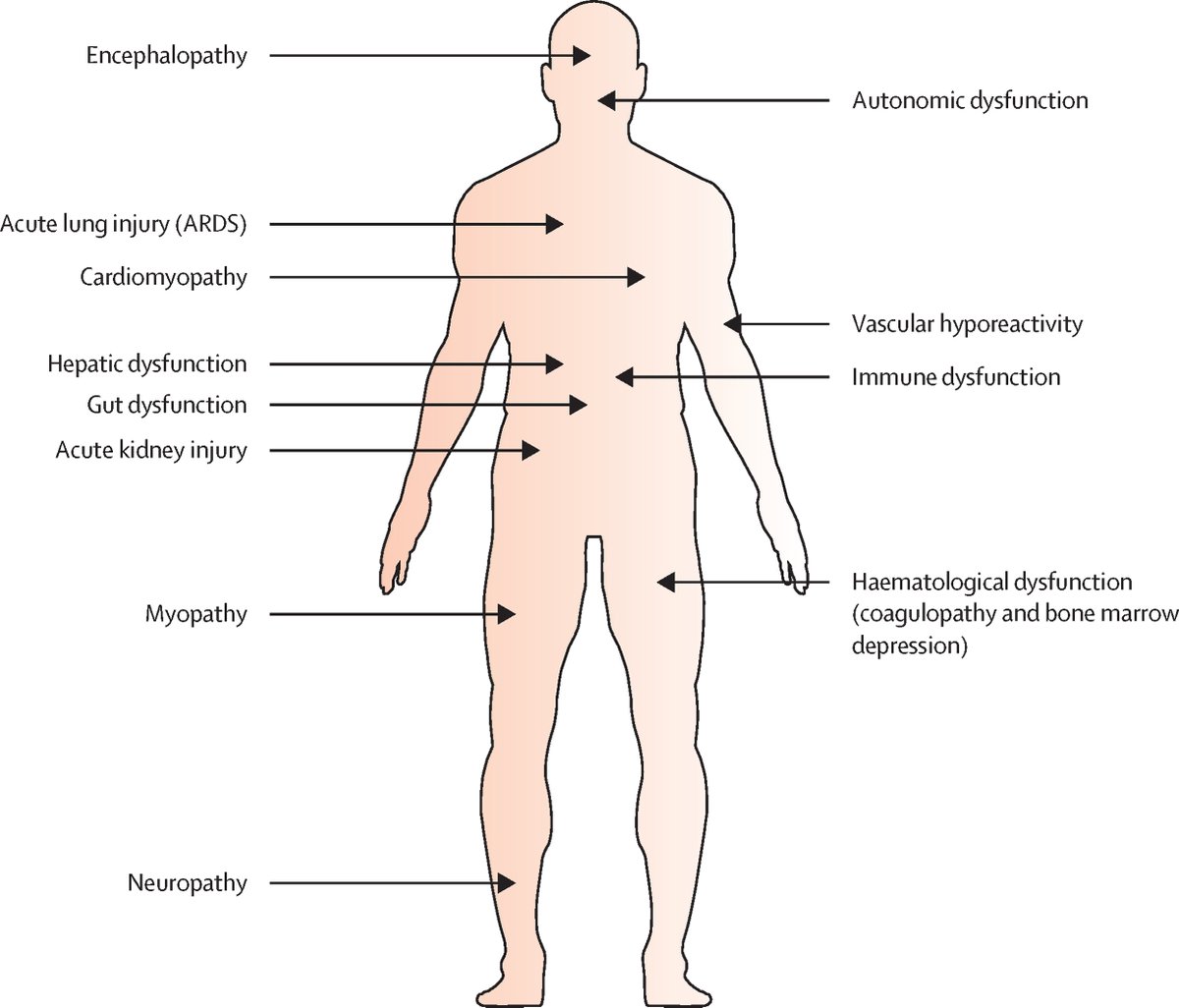
Sepsis is a serious condition where the body’s response to an infection becomes out of control and starts to damage its own organs.
A Seminar explores the complexity of the condition, and discusses current challenges and future developments in care: https://t.co/iWRfeRwgj1
Presence of neutrophil extracellular traps (NETs) in different types of human urinary tract infections (UTI). A pilot study
▶️ Cystitis is the most common UTI in humans. This infection can ascend the urinary tract, spreading to the renal pelvis and potentially causing serious conditions such as pyelonephritis or urosepsis.
▶️ Human UTIs are primarily of bacterial origin, with E. coli being the most common urogenital pathogen.
▶️ A key defense mechanism of the innate immune system involves the formation of NETs that can trap and eliminate microbial agents.
▶️ Activated polymorphonuclear neutrophils (PMNs) release NETs, composed of a reticular DNA core, along w/nuclear histones, granular peptides, & enzymes.
▶️ Elevated levels of NETs, exDNA, and related proteins, such as LL37 and MPO, were detected in urine samples from patients with UTIs & were associated w/leukocyturia.
▶️ Drugs such as furosemide, which affect the kidney's electrolyte balance & reduce NET formation, can exacerbate pyelonephritis.
▶️ The formation of the NETosis phenomenon is linked to the exacerbation of UTIs.
▶️ The presence of NETs in human urine confirms their role in the pathogenesis of urinary tract infections (UTIs).
▶️ Understanding these complex mechanisms could contribute to the development of targeted therapeutic strategies for patients with UTIs, although the polymicrobial nature of many complicated or recurrent UTIs poses a challenge.
https://t.co/HfFPGCtdR2 @HealthyFellow@tatiann69922625
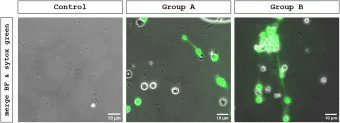
Live-cell fluorescence microscopic (LCFM) analysis of human urine samples for the detection of bacterial colonization, leukocyturia, cellular activity and NET release
More and more papers showing neutrophils are diverse and can very closely manipulate adaptive immunity
here they show neutrophils
stimulating a B cell mediated autoimmune disease
https://t.co/7wfGMj6MAz
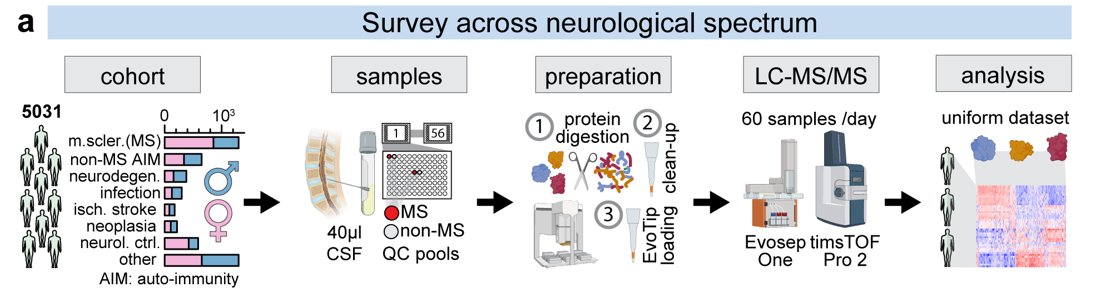
Now in @CellCellPress: We profiled cerebrospinal fluid proteomes from 5,000 neurology patients by mass spectrometry — mapping protein changes across stroke, brain cancer, infections & autoimmune diseases, revealing shared and disease-specific signatures.
https://t.co/MWxhWoooVC
An artificial-intelligence system uses clinical data, genetic information and literature searches to suggest diagnoses and provides the underlying reasoning
https://t.co/GnLOfSS6qj
Leukocytic ADAM10 and ADAM17 and their release on exosomes modulate the local and systemic response upon bacterial and viral pneumonia and should be evaluated for diagnostic, prognostic and therapeutic options in future translational and clinical studies https://t.co/0kAOTpayII
In the latest issue! Sensory neurons drive immune exclusion by stimulating a dense extracellular matrix in the breast cancer tumor microenvironment https://t.co/Sskpml4dAb